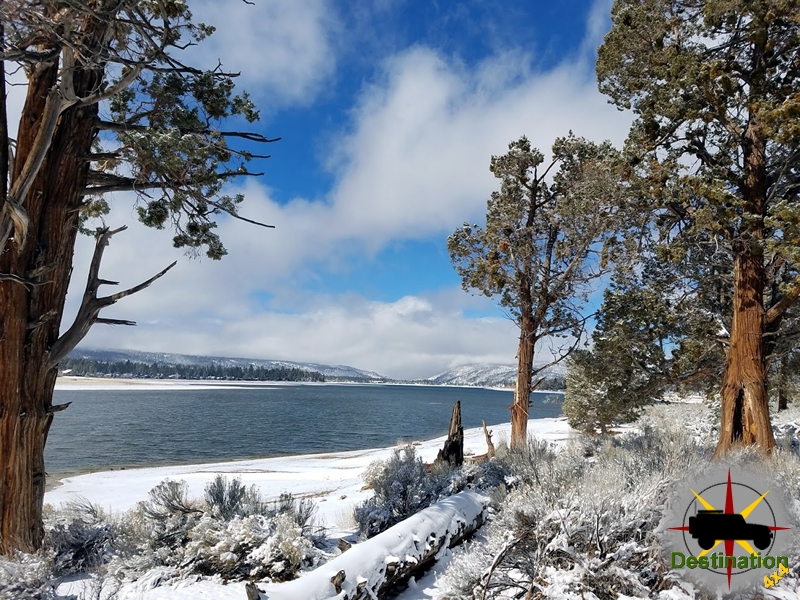
Big Bear, CA
I quiet mountain community full of back country adventure.
The Journey is the destination
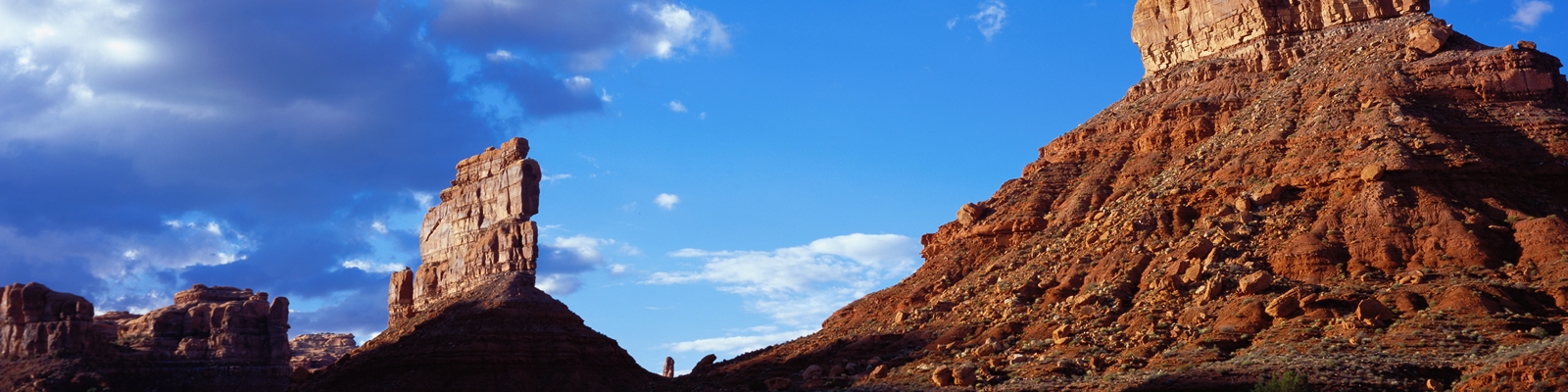
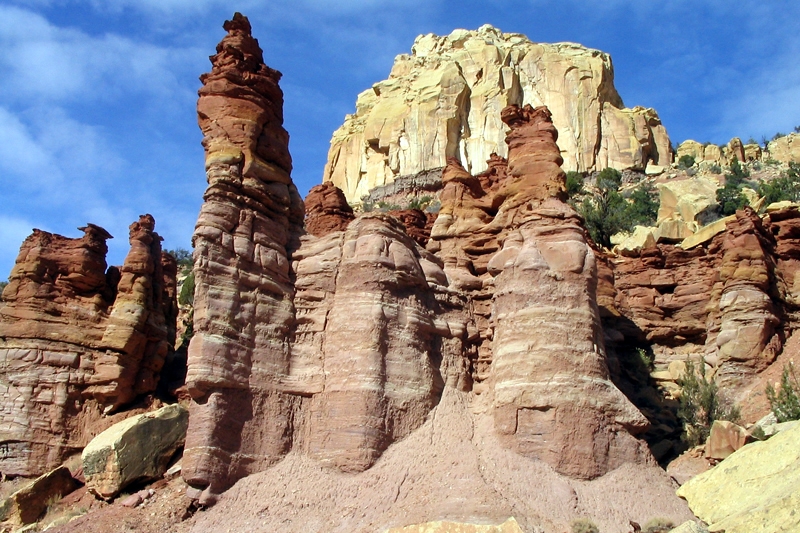
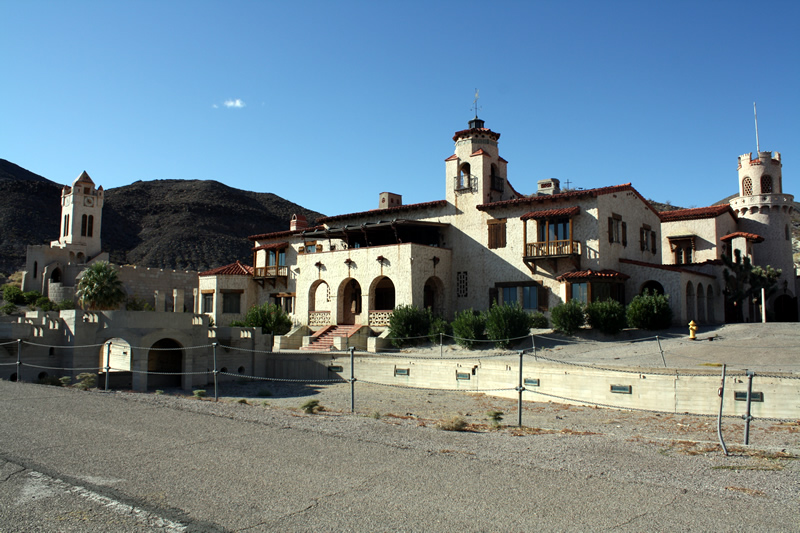
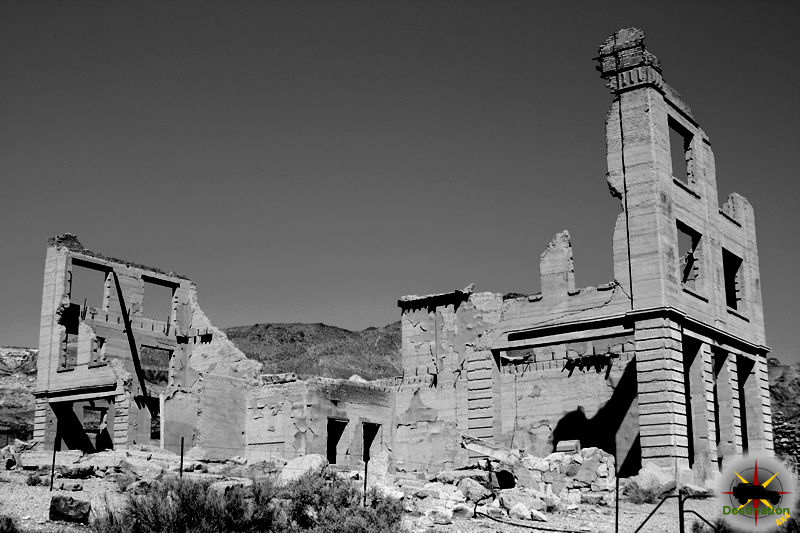
Myers Ranch is a privately owned ranch located in Goler Wash in the Panamint Mountains of Death Valley National Park, California. The forty acre ranch is privately owned ranch and located about .5 miles from Barker Ranch.

Bill and Barbara Myers settled in Goler Wash in 1932, building themselves a comfortable house complete with such amenities as flush toilets, a swimming pool, an orchard, and of course, a garden. They raised three children there: Charles, Pat and Corky. The Myers family reluctantly moved to Fresno in 1960, so that their children could have a better education.
The ranch is built from wood ties used by the Searles Lake epsom salt monorail, it burned in 1999. The Myers ran a gas and food stop called Wildrose Station, which was demolished by the National Park Service.
Myers Ranch was the original destination for Charles Mason and his “family”. In 1968 he started to look for a desert location to move his “brood”. He choose the desert because “Out there, things aren’t so crazy”. One of his followers is Cathy (Cappy) Gilles is a grand daughter of Bill and Barbara Myers. “Cappy” obtained permission from the family matriarch for her and some girls to come up and stay at the ranch. He later received permission and based his activities at Barker Ranch.
From October 1968 to January 1969, Manson lived / camped in the area. In October 1969, CHP Officer Jim Pursell and a task force raided Goler Wash. Over the course of two days, they arrested seventeen people in the area. Charles Manson was arrested while hiding in a cabinet in the bathroom of Barker Ranch.
| Name | Myers Ranch |
| Location | Goler Wash, Panamint Mountains, Death Valley, California |
| Elevation | 3700 Feet |
| Latitude, Longitude | 35.86162,-117.08227 |
Powell of the Colorado Nevada State Historic Marker 37 is a marker commemorating the 1869 exploration of the Grand Canyon by Major John Wesley Powell. The historic landmark is located overlooking Lake Mead, Nevada.

After 1867, Powell led a series of expeditions into the Rocky Mountain, Green River and Colorado rivers. In 1869, he set out to explore the Colorado River and the Grand Canyon as part of several trips. Along with ten men and equipped with four boats and food for 10 months, Powell set out from Green River, Wyoming, on May 24. Passing through dangerous rapids, the group passed down the Green River to its confluence with the Colorado River (then also known as the Grand River upriver from the junction), near present-day Moab, Utah, and completed the journey on August 30, 1869.
Powell retraced part of the 1869 route in 1871–72 with another expedition that traveled to the Colorado River from Green River, Wyoming to Kanab Creek in the Grand Canyon. Powell used three photographers on this expedition; Elias Olcott Beaman, James Fennemore, and John K. Hillers, who documented the journey.
Nevada State Historical Markers identify significant places of interest in Nevada’s history. The Nevada State Legislature started the program in 1967 to bring the state’s heritage to the public’s attention with on-site markers. Budget cuts to the program caused the program to become dormant in 2009. Many of the markers are lost of damaged.
On August 30, 1869, Major John Wesley Powell landed at the mouth of the Virgin River, about 12 miles south of here, thus ending the first boat expedition through the Grand Canyon of the Colorado River.
The expedition left Green River City, Wyoming Territory, on May 24, 1869. For three months Powell and his men endured danger and hunger to explore, survey and study the geology of the canyons along the Green and Colorado Rivers.
Exhausted and near starvation, the Powell party was warmly greeted and fed by the hardy Mormon pioneers of St. Thomas, a small farm settlement about 11 miles north of here.
The original sites of St. Thomas and the junction of the Virgin and Colorado Rivers are now beneath the waters of Lake Mead.
This, and later Powell surveys, stimulated great interest in the water conservation problems of the Southwest.
| Nevada State Historic Marker | 37 |
| Name | Powell on the Colorado |
| Location | Lake Mead National Recreation Area, Nevada |
| Latitude, Longitude | 36.3072, -114.4201 |

Devils Garden Campground, nestled at approximately 5,200 feet elevation in Arches National Park, Utah, is the park’s only developed campground, offering 51 individual sites (including one accessibility site) and two group sites (Canyon Wren and Juniper Basin) for tents and RVs up to 40 feet. Open year-round, it requires reservations from March 1 to October 31 through Recreation.gov, with sites available first-come, first-served from November 1 to February 28. Located 18 miles from the park entrance at the end of the main park road, the campground is surrounded by dramatic sandstone fins, arches, and desert flora, providing direct access to the Devils Garden Trailhead and iconic arches like Landscape Arch. With flush toilets, potable water, and fire rings but no showers or hook-ups, it’s a rustic yet stunning base for exploring Arches. This review details the campground’s setting, amenities, accessibility, and overall experience, paired with a description of Arches National Park.
Arches National Park, spanning 76,679 acres in southeastern Utah near Moab, is renowned for its over 2,000 natural sandstone arches and geological formations, carved by erosion over millions of years. Situated at 4,000–5,600 feet elevation, the park showcases a surreal landscape of red rock fins, spires, and balanced rocks against the backdrop of the La Sal Mountains. Iconic features include Delicate Arch (a 3-mile round-trip hike), Landscape Arch (the world’s longest natural arch at 290 feet), and Balanced Rock, accessible via a 0.3-mile loop. The park’s 18-mile scenic drive connects key viewpoints like Park Avenue, The Windows, and Devils Garden, offering vistas of desert vistas and towering formations.
The park’s high desert climate brings hot summers (80–100°F, often exceeding 100°F in July–August) and cold winters (20–50°F), with nights dropping significantly. Summer monsoons and occasional snow add variety, while the International Dark Sky Park status ensures exceptional stargazing, with the Milky Way visible on clear nights. Wildlife includes mule deer, desert bighorn sheep, cougars, red foxes, and birds like pinyon jays. Vegetation features pinyon pines, junipers, and seasonal wildflowers (best in April–May). With 26 miles of trails, from easy walks to strenuous scrambles like the Fiery Furnace (permit required), plus activities like rock climbing, biking on paved roads, and ranger-led programs, Arches is a haven for hikers, photographers, and adventurers. Nearby Moab (5 miles) offers rafting on the Colorado River, mountain biking, and access to Canyonlands National Park.
Devils Garden Campground is located 18 miles from the park’s entrance off US Highway 191, 5 miles north of Moab. From I-70, take Exit 182, travel south on US 191 for 26 miles to the park entrance, then follow the main park road to its end at Devils Garden. The drive offers stunning views but can be slow due to traffic and sightseeing drivers. “It’s a 30-minute drive from the entrance—plan for gawkers,” noted a camper (Tripadvisor, 2025). The campground is on the right before the Devils Garden Trailhead, with a paved road and spurs for most sites. Site 7 and site 4H are ADA-accessible, with paved areas around picnic tables and fire rings, and a paved path to the amphitheater and flush restrooms.
The campground has no cell service for most carriers, though T-Mobile may get 1–2 bars LTE near the amphitheater. “No signal at site 46, but we got a bar at the amphitheater,” reported a camper (Campendium, 2025). Potable water is available, but the Visitor Center (18 miles) is the only reliable water source for large quantities. A timed entry reservation is required for park entry from April to October (6 AM–5 PM), but campground reservations exempt campers from this requirement, though the $30 vehicle entrance fee (valid 7 days) applies. Check-in is at the host cabin near the entrance, where firewood ($5/bundle) is sold. The campground’s remoteness and lack of showers or hook-ups require preparation.
Each campsite includes a picnic table, fire ring with grill, and access to potable water and flush/vault toilets. “Bathrooms were spotless,” praised a camper (PerfectCamp, 2025). No showers, dump stations, or electric/water/sewer hook-ups are available; the nearest showers are in Moab (10-minute drive from the Visitor Center). A dishwashing sink and trash/recycling dumpsters are provided, with animal-proof containers to deter wildlife. Firewood must be purchased from the camp host, as collecting wood is prohibited. The campground has an amphitheater for ranger-led programs, such as geology talks and stargazing, which campers love: “Kid-friendly ranger talks were a highlight,” said a reviewer (The Dyrt, 2023). Generators are allowed from 8 AM to 10 AM and 4 PM to 8 PM, but many sites are quiet due to tent campers and Dark Sky regulations prohibiting extra lighting.
Devils Garden Campground is a single-loop layout among sandstone fins, pinyon pines, and junipers, offering a mix of open and tucked-away sites. Sites 18, 20, 21, 23, and 24, on the north/east side, have stunning views of arches and the La Sal Mountains but are exposed to sun and wind. Sites 46, 48, 50, 51, and 52, on the south side, are nestled among rocks for more shade and privacy. “Site 46 was private with rocks for kids to climb,” noted a camper (Campendium, 2025). Sites are paved (except tent pads), with parallel parking for most (e.g., sites 4, 5, 6, 9, 10 shared) and two pull-through sites (12, 19). Sites are relatively close together but designed for some seclusion. “No bad sites—every spot has views,” said a reviewer (PerfectCamp, 2025). The Canyon Wren (11–35 campers, $75–$160/night) and Juniper Basin (11–55 campers, $100–$250/night) group sites are tent-only and spacious, with Canyon Wren offering Skyline Arch views.
The campground accommodates tents and RVs/trailers up to 40 feet, with most sites fitting 20–30 feet due to tight spurs. “Our 35’ fifth wheel fit site 46, but backing in was tight,” reported a camper (Campendium, 2025). Two vehicles are allowed per site, with overflow parking near the entrance. Tent pads are dirt, and sites like 48, 50, and 51 are spacious for tents, with rock formations for privacy. “Site 52 was perfect for our tent—private and scenic,” said a camper (Tripadvisor, 2025). The lack of hook-ups and dump stations means RVers must plan for self-contained camping; the nearest dump station is in Moab. Pets are allowed on leashes in the campground but not on unpaved trails. The high desert setting, with red rock views and starry skies, enhances the experience, though limited shade requires sun protection.
From March 1 to October 31, all 51 individual sites ($25/night, up to 10 people) and two group sites ($75–$250/night based on group size) require reservations via Recreation.gov, bookable six months in advance at 10 AM EDT. “Log in right at 10 AM—sites sell out fast,” advised a camper (Reddit, 2024). From November 1 to February 28, sites are first-come, first-served, with better availability but still competitive. “Got a spot in November without a reservation,” noted a camper (The Dyrt, 2023). The group sites are tent-only, with Canyon Wren (up to 35) and Juniper Basin (up to 55) reservable up to 12 months in advance. A $30 vehicle entrance fee (valid 7 days) is separate, with a 14-day stay limit park-wide. Cancellations incur a $20 fee and forfeit one night’s cost.
Devils Garden Campground is steps from the Devils Garden Trailhead, offering access to the 7.2-mile Devils Garden Loop (visiting Landscape Arch, Tunnel Arch, Pine Tree Arch, Double O Arch, and more) and the 2-mile Broken Arch Trail. “Hiking to Tapestry Arch in the afternoon light was magical,” said a camper (Tripadvisor, 2025). Other trails include Delicate Arch (3 miles, 18 miles away) and Fiery Furnace (2 miles, permit required). The campground’s location avoids morning entrance lines, ideal for sunrise hikes. Stargazing is exceptional, with ranger-led astronomy programs at the amphitheater. Nearby Moab offers rafting, mountain biking, and dining, while Canyonlands National Park (30 miles) and Dead Horse Point State Park (25 miles) provide additional adventures. Rock climbing and scenic drives along Park Avenue or The Windows are popular, with ranger programs at the Visitor Center.
Wildlife includes mule deer, desert bighorn sheep, cougars, and kangaroo rats, with pinyon jays and lizards common. Food must be stored securely to deter animals, though bear activity is rare. The 5,200-foot elevation is less taxing than higher parks, but summer heat (100°F+) requires 1 gallon of water per person per day for hiking. “Went through two bottles on Double O Arch hike,” warned a camper (National Parks Traveler, 2012). Summer monsoons and slickrock pose risks; check NPS.gov for weather alerts. Winter nights drop to 20–30°F, so bring warm layers. Cell service is unreliable—don’t rely on it for navigation or emergencies. “No service at camp, so plan ahead,” noted a reviewer (The Dyrt, 2024). Pets must be leashed, and firewood collection is prohibited to protect the desert ecosystem.
Devils Garden Campground is a spectacular base for exploring Arches National Park, offering a front-row seat to red rock formations, starry skies, and trails like Devils Garden and Broken Arch. Its clean facilities, helpful hosts, and year-round access are highlights, though the lack of showers, hook-ups, and competitive reservations require planning. “Camping here was the highlight of our Arches trip,” summed up a camper (PerfectCamp, 2025). With early reservations, sun and heat preparation, and a focus on the park’s trails and night skies, Devils Garden delivers an unforgettable desert camping experience.
Sources: Recreation.gov, NPS.gov, The Dyrt, Tripadvisor, Campendium, PerfectCamp, KTNPBlog, National Parks Traveler, Park Ranger John, DiscoverMoab.com
Tonopah, Nevada, known as the “Queen of the Silver Camps,” is a small unincorporated town in Nye County with a rich history tied to the discovery of silver in 1900. Located midway between Las Vegas and Reno at the junction of U.S. Routes 6 and 95, Tonopah’s story is one of boom and bust, shaped by its mining heritage, cultural developments, and resilience. This report explores the town’s origins, its rise as a mining hub, significant historical events, and its modern identity as a historical and tourism destination.

The story of Tonopah begins with the discovery of silver in May 1900 by Jim Butler, a rancher and part-time prospector. According to local legend, Butler stumbled upon a rich silver deposit while searching for his runaway burro near a rock outcropping. Frustrated, he picked up a heavy rock to throw at the animal, only to notice its unusual weight, which turned out to be silver ore. However, this tale is likely apocryphal. Butler, married to a local Paiute woman named Belle, was probably guided by her family to an area long known by indigenous peoples for its surface minerals. The Shoshone and Paiute word “Tonopah,” meaning “greasewood water” or “hidden spring,” was adopted for the settlement.
Butler’s samples were initially dismissed as iron by an assayer in Klondike, but his friend Tasker Oddie, later Nevada’s governor, had them re-assayed by Walter Gayhart in Austin. The results revealed ore worth up to $600 per ton, primarily in silver with significant gold. This discovery, confirmed in late 1900, sparked the second-richest silver strike in Nevada’s history, revitalizing the state’s mining industry after the decline of the Comstock Lode.

The discovery triggered a rapid influx of prospectors, leading to the establishment of a camp initially called Butler City. By January 1901, the camp had 40 residents, and by summer, the population swelled to 650, with mines producing $750,000 in gold and silver. The town grew exponentially, reaching over 3,000 people by 1902 and nearly 10,000 at its peak. Infrastructure developed quickly, including a post office (opened April 10, 1901, renamed Tonopah in 1905), the Tonopah Bonanza newspaper (launched June 15, 1901), and a stagecoach line from Sodaville.
Tonopah became a hub of wealth and power. Prominent figures like George Wingfield, a poker player turned mining magnate, amassed fortunes. Wingfield partnered with Jack Carey to secure a gaming license and invested in the Boston-Tonopah Mining Company, becoming a millionaire by 1904. He later collaborated with banker George S. Nixon to establish the Nye County Bank and grub-stake miners, further consolidating wealth. The Tonopah Mining Company, formed in 1901 by Philadelphia capitalists who purchased Butler’s claims, drove large-scale production.

By 1905, Tonopah replaced Belmont as Nye County’s seat, and a narrow-gauge railroad connected the town to the Carson & Colorado line. Upgraded to standard gauge and extended to Goldfield, the Tonopah & Goldfield Railroad facilitated freight and coal transport for mining operations. The town boasted modern amenities: five banks, an opera house, electric and water companies, and the luxurious Mizpah Hotel, built in 1907 for $200,000. The Mizpah, with steam heat, electric lights, and one of Nevada’s first elevators, was dubbed the “finest stone hotel in the desert.”
The mines produced $38.5 million annually at their peak before World War I, with a total output of $150 million by 1947. However, tragedies marked this era, including a 1903 riot against Chinese workers, which led to a Chinese boycott of U.S. goods, and the 1911 Belmont Mine fire, where 17 miners perished.

By 1910, gold and silver production began to decline, and by 1920, Tonopah’s population had dropped to less than half its peak. The Great Depression and World War II further curtailed major mining operations, with all significant mines closing by 1947. The local railroad ceased operations, and the town struggled economically. Ranching and highway trade became primary income sources, as Tonopah’s location on U.S. 95 made it a stopover for travelers.
The Tonopah Army Air Base, constructed in 1940 and operational by 1942, provided a temporary economic boost during World War II. As one of Nevada’s largest military operations, it trained B-24 and P-39 pilots. However, the base closed in 1948, leaving the town to seek new economic avenues.
Since the late 20th century, Tonopah has reinvented itself as a tourism and military-based community. The Tonopah Test Range, established in 1952 for nuclear testing and later used for F-117 Nighthawk development, remains a major employer. The nearby Nevada Test Site also supports the local economy. In 2014, the $980 million Crescent Dunes Solar Energy Project, a cutting-edge solar thermal plant, was completed, signaling Tonopah’s entry into renewable energy.
Tourism has become a cornerstone of Tonopah’s identity. The Tonopah Historic Mining Park, spanning 113 acres of original mining claims, preserves the town’s heritage with restored buildings, mine shafts, and self-guided tours. The Central Nevada Museum showcases mining, military, and Western Shoshone history. Attractions like the Mizpah Hotel, voted America’s #1 haunted hotel due to its “Lady in Red” ghost, and the Clown Motel, dubbed “America’s scariest motel” for its clown collection and proximity to the Old Tonopah Cemetery, draw visitors seeking history and the paranormal. Tonopah’s dark skies, rated the best for stargazing in the U.S. by USA Today, attract astronomers to its Stargazing Park.
The town hosts events like Jim Butler Days and the Nevada State Mining Championships, celebrating its mining legacy. Outdoor activities, including off-roading, hiking, and rockhounding, leverage Tonopah’s desert landscape. Notable figures associated with the town include Wyatt Earp, who opened the Northern Saloon in 1902, boxer Jack Dempsey, who fought early bouts here, and Howard Hughes, who married Jean Peters at the Mizpah in 1957 and later purchased mining claims.

Tonopah’s early years were marked by a structured society, with formal dinners and dances noted by the Works Progress Administration in 1940. The Western Shoshone, including the Yomba Band of the Yomba Reservation, have a significant historical presence, dominating the region during American settlement in the 1860s. However, racial tensions surfaced, as seen in the 1903 anti-Chinese riot. Today, Tonopah embraces its diverse heritage, with the Central Nevada Museum highlighting indigenous and pioneer contributions.
Tonopah has faced natural and economic challenges. A magnitude 6.5 earthquake struck 35 miles west of town on May 15, 2020, the largest in Nevada since 1954, though it caused no injuries. Economically, the closure of major mines and the local McDonald’s symbolized decline, but Tonopah’s resilience is evident in its adaptation to tourism, military operations, and renewable energy.
From a silver mining boomtown to a modern hub of tourism and innovation, Tonopah, Nevada, embodies the boom-and-bust cycle of the American West. Jim Butler’s 1900 discovery transformed an indigenous campground into a thriving community that shaped Nevada’s economy and politics. Despite mining’s decline, Tonopah has leveraged its rich history, strategic location, and natural assets to remain a vibrant destination. Its historic sites, haunted landmarks, and starry skies continue to captivate visitors, ensuring the “Queen of the Silver Camps” endures as a testament to Nevada’s enduring spirit.
wouldn’t die” remains a vibrant piece of American history.
Jim Butler, District Attorney of Nye County, is credited with the turn-of-century discovery, which ended a twenty-year slump in Nevada’s economy. American Indians originally used the name Tonopah for a small spring in the nearby San Antonio Mountains, long before Butler camped in this area in May 1900. Tonopah became the richest silver producer in the nation and replaced Belmont as the Nye County county seat in 1905. The mines spawned a railroad, several huge mills, and a bustling population of approximately 10,000.
The mines faltered in the 1920s, but Tonopah achieved long-lasting fame because of the prominent financial and political leaders it produced. Many camps and communities followed in the wake of Tonopah’s boom, most of which have become ghost towns.
NEVADA CENTENNIAL MARKER No. 15
STATE HISTORIC PRESERVATION OFFICE


| Nevada State Histori Marker | 15 |
| Name | Tonopah |
| Location | Nye County, Nevada |
| Latitude, Longitude | 38.0670, -117.2291 |
 John S CookJohn S Cook overseeing bars of gold bullion. Photo Goldfield Historical Society John S Cook is the founder and builder of the Cook Bank Building… |
 Las Vegas and Tonopah RailroadThe Las Vegas and Tonopah Railroad was a standard gauge railroad which operated along 197 miles between the town of Las Vegas and Goldfield, NV.… |
 Mizpah HotelMizpah Hotel, Tonopah Nevada. Photo by James L Rathbun The Mizpah Hotel, located at 100 N. Main Street in Tonopah, Nye County, Nevada, is a… |
 Tonopah and Tidewater RailroadExplorers of the Mojave Desert in southern California are bound to have heard the stories of the Tonopah and Tidewater Railroad. The Tonopah and Tidewater… |
 Virgil Walter EarpVirgil Walter Earp ( July 18, 1843 – October 19, 1905) was born in Lincoln County, Kentucky, was a prominent lawman and frontier figure known for his… |
Thomason/Barker Ranch is a five-acre property within Death Valley National Park. This historic site is located off of Goler Wash in the southern Panamint Range in the southwestern portion of the park. Barker Ranch is commonly referenced as being the location that mass murderer Charles Manson was arrested after the Tate – La Bianca killings in 1969.

In 1937, Blouch Thomason, a retired Los Angeles County detective, recorded three quartz lode mining claims named
“Tommy Group,” “Tommy Group No. 2,” and “Tommy Group No. 3” and a mill site located. The original structures consisting of three tent shelters is built in 1939.
In 1940, major improvements are made to the land. Thomason built the main ranch house, windmill, workshop, chicken coop, corral, fences, entry road, fences, water conveyance system, and planted ornamental and fruit-bearing vegetation. He also built a single rock building for “shop and storage” at the ranch. Later, a guestroom and garage are added to the shop. The Thomas ranch is inhabited full time by Blouch and Helen Thomason. They ceased mining operations due to poor yield
In 1950, Blouch passes away while visiting relatives in the Trinity Alps. Following his death, Helen moves away from the ranch, but still maintained the property as a vacation retreat.

James and Arlene Barker, from Oklahoma, purchased the Thomason Ranch, in 1955. In 1956, the Barkers recorded the “Chespa Mill Site” with the Inyo County Recorder’s Office. The Barkers built a 5,000 gallon water reservoir ( swimming pool ) and a 14 foot by 20 foot bunkhouse, sometime during 1957.
In 1968, Arlene Barker gave Charles Manson permission to occupy the Ranch in exchange for a Beach Boys Gold Album. After Manson’s arrest, the Barkers continued to maintain the property. In 1971, the Barkers ceased filing mining reports with the Bureau of Land Management (BLM) on the family’s mining activity. The land (and improvements) then reverted to government control. In 1976, the ranch became part of the California Desert Conservation Area.
In 1994, Barker Ranch is incorporated into Death Valley National Park.

The Thomason / Barker Ranch history was stained forever, in October 1968, when Charles Manson obtained permission from Arlene Barker to occupy the ranch. Paul Watkins, a Manson Family Member, stated the Mason agreed to watch over the place in exchange for maintenance and work on the Ranch. Manson and his band of opted to stay and Barker Ranch over the Myers Ranch which is located about .5 miles away. A total of 19 Manson followers performed a phased relocation to the property over time. Manson family members are known to drive to Los Angeles or Las Vegas to bring in supplies.
On October 10 and 12, 1969, CHP officer Jim Pursell and the INYO Sheriffs Department along with California Highway Patrol and NPS Rangers raided Barker Ranch. Actually, they raided the area around Barker Ranch. A raid is executed in search of vandals of earth moving equipment which repaired damage to the playa in Racetrack Valley. Over the coarse to several days, the task forced hunted down Family members who were scattered about the area. The diminutive Manson is arrested when found hiding under the sink in the bathroom at Barker Ranch.
To this day, Barker Ranch is the subject of investigation into the crimes of Charles Manson.
Barker Ranch was built by “recreational ranchers” who moved to the desert to enjoy the solitude and simplicity of living far from civilization. Bluch and Helen Thomason moved into the area the the late 1930s to try their hand at gold mining. Around 1940, the constructed a small stone cabin and outbuilding, with electricity. provided by a wind mill and generator, and drinking water from a nearby spring
In 1955, the ranch was sold to Jim and Arlene Barker, who moved to the desert from Oklahoma. To accommodate their family gatherings, the Barkers enlarged the house and constructed more building.
The ranch became infamous when Charles Manson and members of the “Manson Family” were captured at the site. Family members attracted the attention of local law enforcement when they were suspected to burning a piece of road maintenance equipment. Detectives later discovered that the vandalism suspects were responsible for a series of murders in the Los Angeles Area.
Barker Ranch became part of Death Valley National Park in 1994. Tragically, the main house and workshop were destroyed by an accidental fire in May 2009.
National Park Service – Barker Ranch