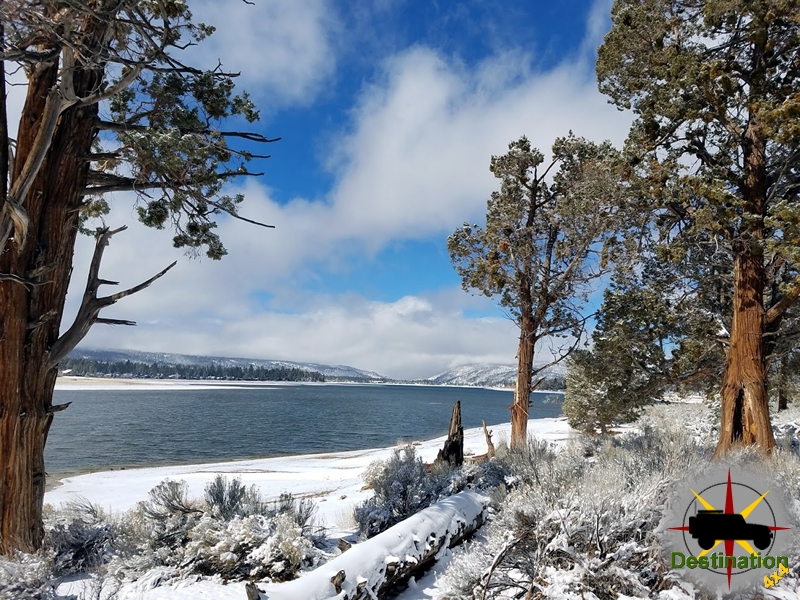
Big Bear, CA
I quiet mountain community full of back country adventure.
The Journey is the destination
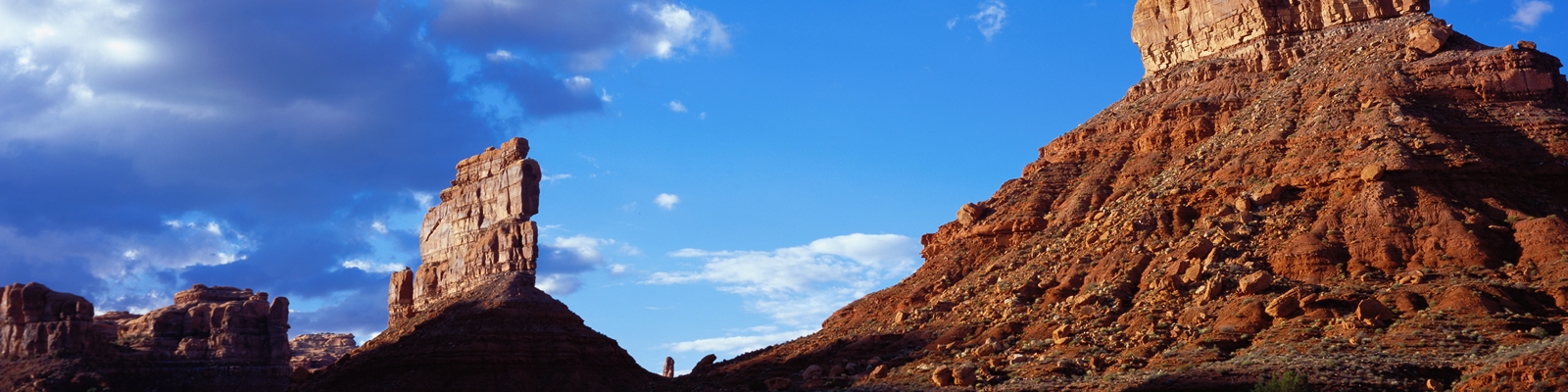
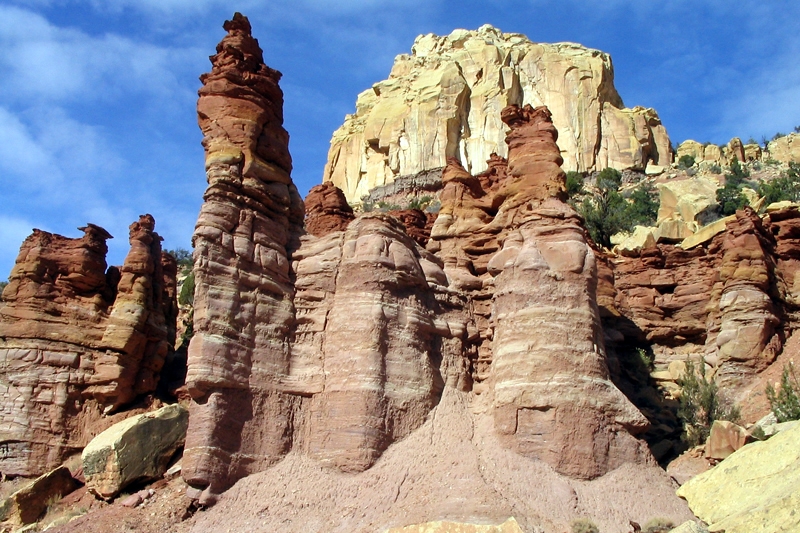
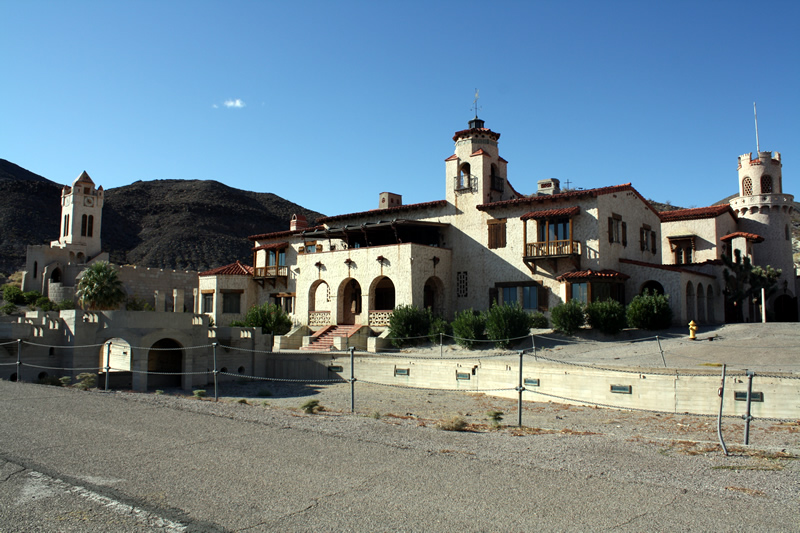
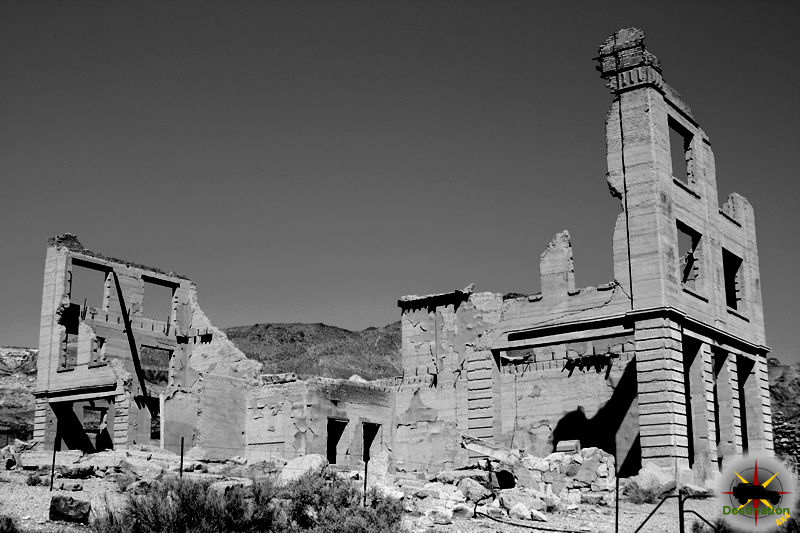
Located against the stark western flanks of Fairview Peak in southeastern Churchill County, Nevada, the ghost town of Fairview stands as a weathered echo of the Silver State’s relentless mining fervor. At an elevation of approximately 4,600 feet, amid the basin-and-range topography of the Great Basin Desert, Fairview emerged not as a singular, stable settlement but as a nomadic boomtown that relocated twice in its short life to chase the pulse of silver veins. Born from a 1905 discovery that ignited a frenzy reminiscent of Tonopah and Goldfield, Fairview swelled to a chaotic peak of 2,000 residents by 1907, only to fade into obscurity by the 1920s. Its legacy is one of explosive growth and abrupt decline, intertwined with the broader narrative of Churchill County’s frontier evolution—from Pony Express trails to unbuilt railroads—and marked by the seismic upheavals, both literal and figurative, that scarred its landscape. Today, fenced within the restricted bounds of the Naval Air Station Fallon, Fairview’s remnants whisper of ambition amid isolation, drawing historians and explorers to ponder its fleeting glory.

Fairview’s roots predate its mining heyday by decades, tracing back to the mid-19th-century rush of westward expansion. Churchill County, established in 1861 and named for Mexican-American War hero Brigadier General Sylvester Churchill, served as a vital corridor for emigrants bound for California. Two primary overland routes—the California Trail and the Mormon Emigrant Trail—crisscrossed its arid expanses, funneling fortune-seekers through dusty valleys and over rugged passes. In this remote theater, a freight and stage station known as Fairview Station emerged around 1861 along the Overland Stage Trail, approximately 5.7 miles north of the later mining town’s site in Fairview Valley. Operated by the Overland Mail Company until the transcontinental railroad’s completion in 1869 rendered it obsolete, the station facilitated the Pony Express relay in its final months of 1861, serving as a critical stop for riders, mail, and weary travelers. Little more than a cluster of adobe structures and corrals amid creosote and sagebrush, it embodied the county’s role as a bridge between the Humboldt Sink to the north and the Carson River settlements to the west.
This early outpost, at coordinates roughly 39.349° N, 118.200° W and 4,242 feet in elevation, fostered tentative ties with nascent Churchill County communities like Stillwater (to the northwest) and Bucklands (later in Lyon County), which served as county seats in the 1860s. Freight wagons laden with supplies from Reno or Virginia City rumbled through, forging informal economic links that prefigured Fairview’s later mining networks. By the 1880s, however, the station had dissolved into the desert, its remnants scattered by wind and time, leaving only faint traces on topographic maps until the silver strikes revived the name.
RUSH TO FAIRVIEW – At the present time there is quite a rush to Fairview, the new mining district recently discovered about thirty six miles from Fallon. Some very rich ore has been struck in the new district and many miners and prospectors are rushing to the scene of the discovery to locate claims.
Reno Evening Gazette 1906 February 14

The modern chapter of Fairview unfolded in the shadow of the Tonopah and Goldfield booms, which rippled across Nevada like aftershocks from the 1900 Comstock revival. In late 1905, prospector F.O. Norton stumbled upon rich silver float—loose ore fragments—scattered across the slopes of Fairview Peak, a 8,250-foot sentinel rising from the valley floor. This serendipitous find, followed by P. Langsden’s location of the Nevada Hills claim in January 1906, ignited a stampede. Enter George S. Nixon and George Wingfield, the era’s mining magnates and political powerbrokers from Reno, who snapped up early claims in March 1906, injecting capital and hype that propelled Fairview into boomtown status. Nixon, a banker and U.S. Senator, and Wingfield, the “King of the Comstock,” embodied the speculative fervor; their involvement not only funded development but also drew investors from as far as San Francisco.
By summer 1906, the townsite was platted on a broad flat below the peak, christened Fairview after its looming namesake. A post office opened on April 23, 1906, anchoring the frenzy. The population exploded to 2,000 by 1907, transforming the dust-choked gulch into a polyglot hive: 27 saloons slaked the thirst of Cornish and Irish miners; two newspapers—the Fairview Miner and Silver State—chronicled the chaos; banks and assay offices tallied fortunes; hotels like the Grand and Occidental housed speculators; and a miners’ union hall buzzed with labor agitation. Yet, Fairview was restless from the start. Lacking a reliable water source—barrels hauled from distant springs were the norm—the town and its miners chafed at the two-mile trek to the workings. In 1907, residents uprooted en masse to a narrow canyon closer to the veins, abandoning all but the stone bank vault—a squat, fortress-like sentinel visible today from U.S. Highway 50. Outgrowing this cramped site by late 1907, they relocated again to “Upper Fairview” around the Nevada Hills mill, a third incarnation that briefly hosted its own post office from October 1907 to March 1908. This peripatetic spirit earned Fairview the moniker “the town that wouldn’t stay put,” a testament to the miners’ dogged pragmatism amid alkali flats and piñon-dotted slopes.
Fairview’s isolation—42 miles southeast of Fallon, the county seat since 1903—bred symbiotic bonds with neighboring outposts, while unfulfilled rail ambitions underscored its logistical woes. Fallon, with its fertile ranchlands and Southern Pacific Railroad depot, became the primary supply hub, funneling groceries, lumber, and machinery via wagon trains over rutted roads. To the east, the Wonder mining district (55 miles away in the Clan Alpine Range) shared leasers and equipment, its Nevada Wonder Mine mirroring Fairview’s silver output and fostering a regional network of prospectors shuttling between camps. Stillwater, 30 miles northwest, provided occasional respite for families, while distant Reno—120 miles to the west—served as the financial nerve center, where Nixon and Wingfield orchestrated investments. These ties formed a fragile web: ore shipments outbound to Fallon’s railhead for smelters in Salt Lake City or Reno; inbound freighters bearing the detritus of boomtown life, from patent medicines to pianos for the saloons.
Railroads tantalized but eluded Fairview. In 1907, amid peak euphoria, the Nevada Legislature greenlit spurs from Hazen (on the Southern Pacific mainline, 60 miles north), Austin (70 miles northeast), and Tonopah (100 miles southeast), envisioning Fairview as a nexus. No tracks materialized; the schemes dissolved in financial haze, leaving ore to creak southward by mule team to distant terminals. The Fairview Mining District, encompassing the peak’s western slope, yielded $4.17 million in silver (equivalent to over $140 million today), primarily from high-grade veins of galena and cerargyrite laced with gold. The Nevada Hills Mine dominated, its Eagle, Dromedary, Wingfield, and Eagles Nest veins driving production; leasers worked shallower claims like the Fairview Silver and Slate (Midday/Midnight) prospects. In 1911, the Nevada Hills Mining Company erected a 20-stamp mill, processing 100 tons daily until ore pinched out in 1917, sustaining a shrunken population of a few hundred.

Fairview’s roster of historic figures reads like a rogue’s gallery of Gilded Age opportunists, with Nixon and Wingfield as the undisputed architects of its ascent. Nixon (1860–1912), a self-made banker who rose from Wells Fargo clerk to U.S. Senator, viewed Fairview as a satellite to his Reno empire, funneling profits into political coffers. Wingfield (1876–1959), the enigmatic gambler-turned-tycoon whose net worth once rivaled Rockefeller’s, embodied the era’s bravado; his claims stake helped bankroll the town’s explosive infrastructure. Prospectors like Norton and Langsden were the unsung sparks—Norton, a veteran of earlier Nevada strikes, whose “rich float” find drew the speculators; Langsden, whose Nevada Hills location became the district’s backbone.
The populace was a mosaic: Cornish “Cousin Jacks” dominated the shafts, their expertise honed in deeper Comstock diggings; Irish laborers fueled the saloons’ brawls; and a smattering of Chinese and Mexican workers toiled in support roles, though ethnic tensions simmered beneath the surface. Journalists like those at the Fairview Miner captured the zeitgeist, while union organizers in the hall advocated for leasers against corporate grips. Women, though underrepresented in records, ran boarding houses and assay offices, their resilience a quiet counterpoint to the male-dominated spectacle. By 1908, as the boom ebbed, these citizens scattered—many to Wonder or Tonopah—leaving behind tales etched in yellowed clippings and faded photographs.

The silver mirage shattered by 1908: high shipping costs and thinning veins quelled investor zeal, shuttering newspapers and emptying saloons. The 1911 mill offered a reprieve, but its 1917 closure—amid World War I’s metal demands elsewhere—heralded the end; the post office lingered until May 31, 1919. Leasers eked out scraps into the 1920s, but the Great Depression sealed Fairview’s fate as a ghost town.
Nature delivered the final blow on December 16, 1954, when the Dixie Valley-Fairview earthquakes—a 7.3- and 6.9-magnitude doublet—rent the earth four minutes apart, hurling scarps up to 20 feet high and lifting Fairview Peak six feet relative to the valley. Felt as far as Elko, the quakes spared lives in the depopulated zone but fractured any lingering illusions of permanence.
In the post-war era, Fairview’s site fell under military control as part of the Fallon Naval Air Station’s bombing range, fenced off and patrolled, preserving its ruins in enforced solitude. As of December 2025, access is prohibited, though Nevada State Historical Marker #202 along U.S. 50—5 miles east of Nevada Route 839—commemorates the town’s saga, drawing motorists to gaze at the lone bank vault and distant mine scars. Occasional drone surveys and archaeological surveys by the Bureau of Land Management highlight its value, but Fairview remains a forbidden relic, its story sustained by the wind-scoured peaks that once promised riches. For those tracing Nevada’s mining veins, it endures as a cautionary ballad of hubris and haste, where the desert reclaims all but memory.
| Name | Fairview |
| Location | Churchill County, Nevada |
| Latitude, Longitude | 39.266389, -118.1975 |
| Population | 2000 |
| Elevation | 4679 Feet |
| News Paper | The News |
| Post Office | April 1906 – May 1919 |
| NPS Pony Express Station | 154 |
| Next Westbound Station | Mountain Well Station |
| Next Eastbound Station | Fort Churchill Station |
Tucked into the sun-scorched folds of the Singatse Range at the northern edge of Smith Valley, Ludwig stands as a weathered sentinel in Lyon County, Nevada—a ghost town whose pyramid-shaped concrete ruins, etched with enigmatic Egyptian hieroglyphs, whisper tales of copper fever and fleeting prosperity. Founded amid the mineral-rich veins of the Yerington Mining District, Ludwig’s story is one of bold prospecting, rail-driven booms, and inexorable decline, emblematic of Nevada’s mining heritage. Located approximately 10 miles north of Yerington and 50 miles southeast of Carson City, the site at 38°57’20″N, 119°16’36″W spans arid high-desert terrain where sagebrush clings to alkaline soil and the distant hum of modern gypsum operations echoes the labor of long-gone miners. This report traces Ludwig’s arc from its 1860s origins to its 20th-century resurrection, while exploring its ties to neighboring communities, vital rail connections, the mines that birthed it, and the resilient figures who shaped its legacy.

Ludwig’s genesis lies in the post-Civil War mineral rush that swept Nevada’s Great Basin, where fortune-seekers scoured the rugged Singatse Range for untapped riches. In the mid-1860s, a German immigrant named John D. Ludwig—a storied “California Indian fighter” affiliated with the Trinity Rangers—stumbled upon high-grade copper ore on the range’s western slopes. Born in the early 19th century, Ludwig embodied the era’s rugged archetype: a frontiersman who had battled in California’s turbulent gold fields before turning his gaze eastward. His discovery ignited the Ludwig Mining District, yielding modest production from 1865 to 1868 as prospectors extracted ore via rudimentary shafts and arrastras—horse-powered grinding mills that pulverized rock under the relentless Nevada sun.
By 1881, Ludwig, undeterred by the district’s remoteness, financed a small smelter to refine the copper, envisioning a self-sustaining camp. The air filled with the acrid tang of smelting fluxes, and faint trails snaked through the piñon-dotted hills toward emerging settlements. Yet, technical woes and low yields bankrupted the venture, leaving Ludwig penniless and the site dormant for decades. This early phase forged Ludwig’s bond with surrounding towns: ore trickled to Dayton, 30 miles northwest, a Comstock-era hub on the Carson River where rudimentary mills processed the first hauls. Yerington, then a fledgling ranching outpost known as Pizen Switch, lay just south, its fertile Mason Valley providing foodstuffs to the isolated miners. Farther afield, Carson City—Nevada’s capital since 1861—served as the administrative nerve center, where claims were filed and supplies wagoned in via the dusty Walker River Trail.
The 20th century heralded Ludwig’s renaissance, fueled by resurgent copper demand during World War I. In 1906, shipments resumed from the Ludwig Mine, drawing investors who formed the Nevada-Douglas Copper Company in 1907. The company acquired adjacent claims—the Douglas and Casting Mines—expanding operations across the Singatse’s fractured quartzites. A camp dubbed Morningstar sprouted below the workings, its tents giving way to frame boardinghouses, a general store, and a schoolhouse where children recited lessons amid the clang of stamp mills.
The pivotal moment arrived in 1909 with construction of the Nevada Copper Belt (NCB) Railroad, a 37.8-mile narrow-gauge line engineered to haul ore from Ludwig southward through scenic Wilson Canyon to Wabuska on the Southern Pacific mainline. Rails reached Ludwig in October 1911, but the grand christening—”Railroad Day”—unfolded on December 29, with brass bands, barbecues, and dignitaries from Lyon County toasting the iron horse’s arrival. The NCB’s Ludwig stop became a bustling nexus: daily freights groaned under loads of copper matte, while passenger cars ferried workers and visitors. On November 24, 1911, the camp was rechristened Ludwig in tribute to its founder, and a post office opened on June 12, 1908, cementing its legitimacy.
At its zenith in 1913, Ludwig swelled to 1,000 residents—miners from Cornwall and Ireland, families tending victory gardens, and merchants hawking tinned goods under electric lights, a rarity in rural Nevada. The town’s 65 buildings included a hotel, infirmary, social club, and assay office, fostering a “peaceful” ethos rare among rowdy camps—saloons and brothels lingered on the periphery, but violence was scarce. Ore funneled to the Thompson Smelter, built in 1911 by the Mason Valley Mines Company east of the range near Fort Churchill, where it was processed into 99% pure copper bars for shipment.
Ludwig’s rail lifeline deepened ties to its neighbors. Wabuska, the NCB’s southern terminus, buzzed as a transfer point to the Carson & Colorado Railroad, linking to broader networks. Yerington, renamed in 1918 for mining magnate Henry C. Yerington, supplied labor and provisions, its population surging alongside Ludwig’s boom. To the north, the ephemeral Delphi (a stage stop midway to Hudson) and Hudson—another copper outpost with its relocated NCB depot now at Walker River Resort—formed a loose corridor of camps. Carson City, 50 miles northwest, received refined copper via the Virginia & Truckee (V&T) Railroad, whose Carson City shops occasionally serviced NCB equipment; Reno, 80 miles distant, provided heavy machinery and markets. The NCB even spurred tourism, with excursions to Smith Valley Hot Springs, a resort accessible via Ludwig’s depot.
Prosperity proved ephemeral. Copper prices plummeted post-1914, halting production by 1923; the NCB limped on until 1941, its tracks scavenged for steel during World War II. A gypsum interlude in the 1920s–1930s—exploiting faulted beds near the copper lodes—proffered a lifeline, with shipments ceasing in 1940. The post office shuttered on July 19, 1932, mail rerouted to Hudson, and by the 1950s, bulldozers razed the townsite for salvage, leaving only mine relics.
As Ludwig faded, so did its interconnections. Yerington endured as an agribusiness hub, while Hudson dwindled to ranchlands. The V&T, once a lifeline for copper from Thompson Smelter, ceased operations in 1950, its Carson City-Reno corridor yielding to highways. Notable citizens like John Ludwig had long passed—his bankrupt smelter a footnote—while others, such as NCB promoter Gordon Sampson, repurposed rolling stock for the V&T’s tourist runs.

Today, Ludwig endures as an unincorporated ghost town on private land, its allure undimmed by time. The Ludwig Mine, a skarn deposit of Jurassic monzonite hosting copper sulfides and gypsum, resumed operations in 2013 under modern leases, shipping aggregates via revived truck routes to Yerington. Visitors navigate the graded Delphi Road from Yerington—a remnant of the old NCB grade—past raised rail beds and into a tableau of concrete husks: pyramid supports from the 1910s mill, now adorned with vibrant Egyptian motifs painted by art students in the 1970s, blending ancient mystique with desert decay. Tailings piles loom like earthen ziggurats, and hazardous shafts—relics of the copper era—bar entry, underscoring warnings from the Nevada Bureau of Land Management: “Avoid mines, active or closed.”
Ludwig’s ties persist subtly: Yerington, now a gateway with its Pioneer Crossing diner and annual mining festivals, draws explorers via NV-208. Hudson’s depot, relocated to Walker River Resort, hosts events evoking NCB glory. Carson City, 45 minutes north on US-395, offers contextual depth at the Nevada State Railroad Museum, where V&T artifacts nod to Ludwig’s rail kin. In 2025, amid Nevada’s tourism surge, Ludwig captivates via #NevadaGhostTowns trails, with drone footage of hieroglyphs going viral on platforms like X, luring off-roaders and historians. Yet, its essence remains solitary: a canvas where John Ludwig’s grit meets the wind’s eternal sigh, preserved not in stone, but in the stories of those who chased the vein. For access, consult Lyon County resources or guided tours from Yerington.
| Name | Ludwig Nevada |
| Also Known As | Morning Star, Morningstar |
| Location | Douglas County |
| Latitude, Longitude | 38.9551, -119.2758 |
| GNIS | 857470 |
| Elevation | 5,169 Feet |
| Population | 750 |
| Years Active | 1907-1930 |
| Post Office | Morningstar Post Office June 1908 – November 1911, Ludwig Post Office November 1911 – July 1932 |
At the corner of Allen and Sixth Streets in Tombstone, Arizona, stands a squat, two-story adobe-and-brick building whose faded crimson sign still proclaims “BIRD CAGE THEATRE.” Opened on December 26, 1881, and operating continuously as a theater, saloon, gambling hall, and brothel until 1889, the Bird Cage is the only major structure from Tombstone’s wildest years that has never been gutted by fire, rebuilt, or substantially altered. Its bullet-scarred walls, original 1880s furnishings, and 140+ bullet holes (counted and documented) make it one of the best-preserved relics of the Old West. During Tombstone’s silver-boom zenith (1880–1886), the Bird Cage never closed—24 hours a day, 365 days a year—earning its nickname “the wildest, wickedest night spot between Basin Street and the Barbary Coast.”

The Bird Cage was conceived by William “Billy” Hutchinson, a San Francisco variety-theater entrepreneur, and his wife Lottie, who saw Tombstone’s explosive growth as the perfect market for high-class vice. Built in just 90 days at a cost of $50,000 (roughly $1.5 million today), the windowless building measured 60 ft wide by 120 ft deep. Its most distinctive feature was the main hall’s ceiling, from which fourteen small compartments (the “bird cages” or “cribs”) were suspended like balconies on either side of the stage. These private boxes, draped in red velvet and accessible only by ladders or an exterior stairway, were rented to prostitutes and their clients for $25–$60 a night—an astronomical sum at a time when miners earned $4 a day.
Below the cages ran a 30-foot mahogany bar imported from Pittsburgh, a faro layout, poker tables, and a small orchestra pit. A dumbwaiter connected the basement wine cellar to the bar, and the longest poker game in Western history (8 years, 5 months, 3 days) was played in the basement card room. The stage hosted vaudeville, minstrel shows, masquerade balls, and legitimate theater—often while gambling, drinking, and prostitution continued unabated in the same room.
In a town of 10,000–14,000 people with 110 saloons, the Bird Cage was the undisputed elite venue. The Oriental, Crystal Palace, and Grand Hotel catered to gamblers and drinkers, but the Bird Cage combined high-stakes gambling, top-tier entertainment, and open prostitution under one roof. Admission was 25¢ for men (ladies free if accompanied), but drinks cost 50¢—double the town average. Performers included Eddie Foy, Lillian Russell, Lotta Crabtree, and the scandalous Fatima (the “Dancer with the Living Serpent”), whose act was so risqué that the Tombstone Epitaph refused to print its description.
The clientele ranged from silver millionaires like E. B. Gage and George Hearst to cowboys, miners, outlaws, and lawmen. Wyatt, Virgil, and Morgan Earp were regulars; Doc Holliday dealt faro here; Johnny Ringo and Curly Bill Brocius drank at the bar. The Clantons and McLaurys were frequently seen in the cages. The mixture of alcohol, money, guns, and sex made violence inevitable.
Although the famous shootout (October 26, 1881) occurred three blocks away, the Bird Cage was intimately tied to the events. The night before, Ike Clanton and Tom McLaury drank heavily here while threatening the Earps. Doc Holliday had been dealing faro in the basement earlier that day. After the gunfight, the bodies of Billy Clanton, Tom and Frank McLaury were laid out in the Bird Cage’s back room for identification and embalming before being displayed in caskets on the sidewalk outside.

When the silver mines flooded in 1886–87 and Tombstone’s population plummeted from 14,000 to under 800, the Bird Cage could no longer turn a profit. It closed in 1889, but the building was simply locked—furniture, fixtures, liquor bottles, faro tables, and even the original red wallpaper left exactly in place. The poker game in the basement finally ended in 1889 when the last players walked away. From 1892 to 1934 the building stood sealed, a time capsule of the boom years.
In 1934 the Hunley family purchased the property and reopened it as a museum. They found everything untouched: $5,000 in silver coins still in the faro bank drawer, original sheet music on the piano, and bullet-riddled walls. The Bird Cage has operated continuously as a tourist attraction ever since, owned since 1960 by the current family. It was declared a National Historic Landmark in 1963.
Artifacts on display include:
The building is also famous for paranormal activity; it has been featured on Ghost Hunters, Ghost Adventures, and numerous documentaries. Staff and visitors report hearing 1880s music, women laughing in empty cages, cigar smoke, and the smell of whiskey.
More than any other structure, the Bird Cage Theatre embodies the raw, unfiltered energy of 1880s Tombstone: a place where millionaires, outlaws, lawmen, and painted ladies mingled in a haze of cigar smoke, gunpowder, and ragtime music. It was never “just” a saloon or theater—it was the beating, bullet-scarred heart of a frontier Babylon. Today, stepping through its heavy wooden doors is to walk directly into 1882, with the ghosts of the Earp brothers, Doc Holliday, and the Clantons still lingering in the shadows of the bird cages overhead.
Tucked away in the rugged folds of the Pine Nut Mountains in central Lyon County, Nevada, the ghost town of Como stands as a weathered sentinel to the fleeting dreams of the 1860s gold rush. Established amid the feverish prospecting that followed discoveries in the Palmyra Mining District, Como emerged as a bustling outpost of timber-framed saloons, mills, and miners’ shanties, its name possibly drawn from the Italian lake for its serene canyon setting or as a nod to the Comstock’s allure. Roughly 11 miles southeast of Dayton via a serpentine dirt road that climbs steep bajadas, Como’s isolation—exacerbated by the harsh, arid terrain where piñon pines cling to rocky slopes and wild horses roam the valleys—mirrors the boom-and-bust rhythm of Nevada’s mining frontier. This report traces Como’s arc from its optimistic founding to its inexorable fade, weaving in its vital ties to neighboring settlements, the iron veins of its mines, the rhythmic halt of trains at its depot, and the colorful lives of its denizens who chased fortune in the sage-scented dust.

Como’s origins are rooted in the gold placers of Gold Canyon, where in 1849, Mormon emigrants first sifted glittering flakes from the sands—Nevada’s inaugural mineral rush, predating the Comstock Lode by a decade. By June 1860, richer quartz veins in the Pine Nut Mountains ignited the Palmyra Mining District, drawing a tide of prospectors, merchants, and opportunists to the canyons south of the fledgling town of Dayton. Initial camps sprouted around Palmyra, a modest cluster of tents and sluice boxes, but as assays revealed deeper lodes, the focus shifted eastward to a sheltered gulch where Como was platted in late 1862.
Merchants arrived swiftly, establishing a U.S. Postal Service outpost below the diggings to funnel letters and supplies from Carson City, 20 miles north. By early 1863, Como hummed with life: four hotels, including the opulent National with its carpeted rooms and parlor; four dry goods stores stocked with Levi’s and lantern oil; two livery stables echoing with the snort of mules; eight saloons awash in whiskey and tall tales; a brewery fermenting lager from Sierra snowmelt; and tradesmen’s shops—blacksmiths forging picks, tinsmiths hammering buckets. A schoolhouse rang with ABCs, and whispers of a weekly newspaper stirred the air, scented with sagebrush and the acrid bite of black powder. Population estimates soared to several thousand, a polyglot throng of Cornish hard-rock men, Irish laborers, and Chinese camp cooks, all betting on the earth’s hidden bounty.
Como’s birth intertwined with the Comstock’s silver frenzy to the north. Dayton, Lyon County’s official seat since November 1861, served as Como’s gateway, its Carson River mills processing ore freighted south from Virginia City via rutted toll roads. Silver City, just 10 miles northwest in the shadow of the Ophir Grade, acted as a vital freighting hub, its corrals teeming with wagons bound for Como’s placers, linking the gold camp to the silver bonanza. This symbiotic web—gold fueling silver’s mills, silver’s capital bankrolling gold’s claims—propelled Como’s early surge, even as some optimists wagered it would eclipse Virginia City itself.
The arrival of “The Solomon Davis” in 1863—a steam-driven rock mill hauled over the Sierra by oxen—marked Como’s mechanical dawn, its pistons thumping like a heartbeat as it crushed quartz into payable dust. Smaller operations relied on horse-powered whims, their creaking sweeps silhouetted against canyon sunsets. The district’s mines—quartz veins laced with pyrite, gold, and traces of silver—yielded modestly, totaling $212,698 by 1936, but in the boom’s fever, they promised El Dorados. Tunnels burrowed into the hillsides, lit by tallow candles, where picks rang against schist and timbers groaned under cave-in threats.
The Virginia & Truckee Railroad (V&T), chartered in 1868 to tether the Comstock to the world, snaked south by 1869, its iron rails a lifeline for Como’s 11 miles from Dayton. Como Junction became a humming train stop, where locomotives like the brass-polished “Dayton” huffed to a halt, disgorging ore cars bound for Carson River mills and passengers—bankers from San Francisco, merchants from Gold Hill—eager for the Cross Hotel’s parlor comforts. Flatcars groaned under pine cordwood from the Sierras, fueling smelters, while spurs serviced local claims, their whistles piercing the night like miner’s laments. The V&T bound Como tighter to its neighbors: Dayton’s depot funneled Comstock silver south, Silver City’s teamsters loaded V&T flatbeds, and Virginia City’s bankers financed Como’s shafts, creating a regional pulse of steam and speculation.
Historic citizens lent Como its lore. Alf Doten, the ink-stained chronicler, arrived in June 1863 from California, his journals capturing the camp’s raw vigor—saloons brawling with Cornish fists, a brewery’s foam-flecked revels—before he decamped for Virginia City’s scribbler’s life. J.D. Winters, a tunnel-driving entrepreneur, erected a small mill only to watch profits evaporate, drifting north to toil in the Yellow Jacket’s depths. T.W. Abraham and H.L. Weston helmed The Como Sentinel from April to July 1864, their presses churning boosterish prose until the vein’s pinch forced relocation to Dayton’s Lyon County Sentinel. Kit Carson’s shadow loomed too; local lore tied the scout to the district, though his emigrant rescues lay west in the ’40s. And in a macabre footnote, Como’s first suicide in 1864 was spun as “self-sacrifice” in a town where “air so clean, a man can’t die,” a petition for county seat status that amused Lyon officials but lost to Yerington.
Como’s glory proved ephemeral. By 1864, high-grade pockets depleted, mills idled, and whispers of “pinched-out” veins sent wagons creaking toward fresher strikes. The post office shuttered January 3, 1881, its canvas flap stilled forever. Minor revivals flickered: 1916’s low-grade digs, 1929’s optimistic shafts, but the V&T’s southward pull toward Comstock’s richer lodes drained Como’s vitality, its depot weeds overtaking rails by the 1930s.
A desperate coda came in June 1935, when the Como Mines Company erected a 300-ton flotation mill, its gears grinding Depression-era hopes into slurry. It faltered swiftly, leaving rusted hulks amid the piñons. The surrounding web frayed: Silver City’s fires in 1928 and 1935 razed its freighting heart, Dayton’s mills crumbled, and the V&T, once the Comstock’s artery, succumbed to highways in 1950. Como, unmoored, slipped into silence, its petroglyph-pocked canyons reclaiming the scars of ambition—rock shelters where Washoe ancestors once sheltered, now echoing only wind through abandoned adits.
Como endures as an unoccupied ghost town on Bureau of Land Management (BLM) acres, a skeletal mosaic of stone foundations, collapsed mine portals, and scattered relics like ore carts and whim wheels, perched at 5,500 feet amid the Pine Nuts’ wild expanse. No operations hum; the last mill’s ghost lingers in rusting tanks and pylons, while two mine-fed ponds mirror the sky for pronghorn and raptors. Access demands a high-clearance 4WD via Old Como Road from Dayton Valley Road—10.5 rocky miles southwest, passable in dry weather but treacherous after rains, with views of Dayton Valley’s patchwork farms giving way to untamed ridges.
Nevada’s tourism renaissance, buoyed by the V&T’s heritage excursions from Virginia City, draws ghost town aficionados to Como as part of Silver Trails itineraries, its ruins a counterpoint to Dayton’s living history and Silver City’s weathered facades. Recent X posts from November 2025 laud its “impressively intact” foundations and solitude, urging explorers to tread lightly amid the petroglyphs and wild horse herds. Yet, amid Nevada’s 2025 drought watch—with equal odds of wet or dry winters—flash floods pose seasonal perils, a reminder that Como’s canyons yield beauty and hazard in equal measure. It remains a place of quiet revelation, where the V&T’s faded echoes and miners’ ghosts invite reflection on the West’s indomitable, if unforgiving, spirit. For current road conditions, consult BLM resources or Nevada DOT advisories.
Nestled in the stark, sun-scorched expanse of the Mojave Desert in southeastern Inyo County, California, Tecopa stands as a resilient outpost shaped by ancient indigenous pathways, fleeting mining booms, and the restorative allure of its natural hot springs. This unincorporated community, with coordinates at approximately 35°50′54″N 116°13′33″W and an elevation of 1,339 feet, derives its name from Paiute leader Chief Tecopa, a figure of regional reverence who symbolized the area’s deep Native American roots. Once a bustling hub tied to silver-laden veins and rattling railcars, Tecopa’s history intertwines with the broader narrative of the American Southwest’s resource rushes, its fortunes ebbing and flowing like the Amargosa River nearby. This report delves into its origins, mining legacy, railroad connections, relationships with neighboring towns, and the historic citizens who left indelible marks on its dusty landscape.

Long before European settlers etched their claims into the parched earth, Tecopa’s lands were stewarded by Native American tribes, including the Koso, Chemehuevi, Southern Paiute, and Western Shoshone, who traversed the region for millennia. These indigenous peoples utilized the area’s natural hot springs—mineral-rich waters bubbling from geothermal sources—for healing and sustenance, integrating them into their cultural practices. The site served as a vital water stop along ancient trading networks, evolving into a segment of the Old Spanish Trail, established in 1829 by Spanish explorers following Native footpaths. This trail, linking Santa Fe, New Mexico, to Southern California missions like San Gabriel, facilitated trade in goods, livestock, and unfortunately, enslaved individuals. Caravans, including the pioneering 1829-1830 expedition led by Antonio Armijo, passed through Tecopa’s vicinity, navigating from Las Vegas southward via Resting Springs and Willow Creek. The trail’s legacy persists, preserved by organizations like the Old Spanish Trail Association, with a Tecopa chapter founded in 2008 to protect local segments.
The 1859 guide The Prairie Traveler noted Willow Spring’s waters as undrinkable for animals due to saleratus (sodium bicarbonate) contamination, highlighting the harsh environmental challenges that defined early travel. Tecopa’s strategic position along these routes made it a nexus for cultural exchange and survival in the unforgiving desert.
The California Gold Rush’s echoes reverberated into Inyo County, drawing prospectors to Tecopa in the late 19th century. In spring 1875, brothers William D. and Robert D. Brown unearthed rich lead and silver ore in the hills near Resting Springs, along the Old Spanish Trail. They organized the Resting Springs Mining District—initially dubbed Brown’s Treasure—and staked claims, incorporating the Balance Consolidated Mining Company with San Francisco investors, including mining magnate George Hearst. A townsite emerged at Willow Creek, five miles southeast of Resting Springs, christened Brownsville. By 1876, it boasted a ranch yielding potatoes, vegetables, and orchard fruits, supporting a burgeoning camp.
Jonas D. Osborne, a seasoned mining superintendent from Eureka, Nevada, acquired the Browns’ interests in early 1876, renaming the town Tecopa in honor of the Paiute chief. Under Osborne’s stewardship, the district flourished: a post office opened in May 1877 with Henry Schaefer as postmaster, and the population swelled to around 400 by 1877, with 200 employed in mining. Amenities included saloons, stores, a boarding house, livery stable, and stage service from San Bernardino. Key mines like the Gunsight and Noonday became prolific, with the Gunsight’s shaft reaching 385 feet by 1878, yielding ore averaging $80 per ton. A smelter began operations in 1877, employing up to 44 men, though challenges like water scarcity, ore composition shifts, and equipment failures plagued progress. A 10-stamp mill was erected in 1879, and a 1,000-foot tunnel completed in 1881 by foreman Everett Smith.
The district produced nearly $4 million in lead-silver ore by 1928, with additional minerals like borax, gypsum, talc, iron, and gold extracted from nearby sites such as the War Eagle and Columbia mines. However, high freight costs—five cents per pound from San Bernardino—contributed to a decline by mid-1879, as miners shifted to Resting Springs. Tecopa was largely deserted by 1881, though intermittent operations persisted under owners like Caesar Luckhardt and later Osborne’s repurchase in 1883 with backer Harry Drew.

The early 20th century breathed new life into Tecopa with the advent of rail infrastructure. The Tonopah and Tidewater Railroad (T&T), spearheaded by borax tycoon Francis Marion “Borax” Smith, arrived in 1907, establishing Tecopa as its closest point to the mines and prompting a post office revival (1907–1931, reopened 1932). This line connected Tecopa to broader networks, facilitating ore shipment south to processing facilities.
In 1910, Jack Osborne (son of Jonas) and associates constructed the Tecopa Railroad, a standard-gauge short line hauling ore from the Noonday and Gunsight mines westward to a siding at Tecopa, where it interfaced with the T&T. This 7-mile spur, built amid rugged terrain, underscored regional competition for freight control, pitting Osborne against Smith. The railroad bolstered mining during the 1910s–1930s boom, with the Tecopa Consolidated Mining Company shipping over $4 million in silver and lead ores. Train stops at Tecopa siding served as vital hubs for goods and passengers, linking to Ivanpah and the Amargosa corridor. However, declining ore yields in the late 1910s, coupled with the rise of trucking, led to the Tecopa Railroad’s cessation by 1930 and dismantling in 1938; the T&T followed suit in the early 1940s.
Tecopa’s isolation was mitigated by its ties to neighboring settlements, forged through trails, mines, and rails. Resting Springs, six miles northwest, was an early rival camp with a smaller population (about 30 whites and 60 indigenous residents in the 1870s), featuring a store, blacksmith, saloons, and smelter site. Miners oscillated between the two, with Tecopa initially drawing the bulk due to its proximity to Willow Creek.
To the north, Shoshone emerged as a key ally, founded in 1910 by Ralph “Dad” Fairbanks and his son-in-law Charles “Charlie” Brown, who salvaged materials from the defunct Greenwater mining town. Shoshone’s store, gas pumps, and amenities supported Tecopa miners, with Brown owning shares in local mines and extending his influence as a state senator. The towns shared economic synergies, with Tecopa’s ores funneled through Shoshone’s infrastructure.
Southward, China Ranch (Willow Creek area) was developed around 1900 by Chinese immigrant Quon Sing (or Ah Foo), who cultivated vegetables and raised livestock for miners, adding a multicultural layer to the region’s history. Broader connections extended to Pahrump, Nevada (via modern routes), Baker, California (founded by Fairbanks), and Las Vegas, all linked by the Old Spanish Trail and railroads. These relationships underscored Tecopa’s role as a logistical node in the desert’s extractive economy.
Post-1930s, mine closures in 1957 (with talc operations lingering 25 years) triggered depopulation, reducing Tecopa to a near-ghost town by the 1980s. The U.S. Bureau of Land Management encouraged homesteading in the 1950s–1960s via the Small Tract Act, attracting retirees to Tecopa Heights. Squatters flocked to the hot springs in the 1960s, documented by writer John Gregory Dunne in his 1978 Saturday Evening Post article, reprinted in Quintana & Friends. Inyo County developed facilities on BLM-leased land, including a community center and baths, shifting focus to tourism.
A mid-1990s renaissance, led by figures like Cynthia Kienitz—who restored historic sites and founded trail preservation efforts—revived the area as an artistic retreat. Today, Tecopa’s hot springs draw visitors, preserving echoes of its mining past amid the Amargosa Opera House’s cultural vibrancy nearby.
Tecopa’s story is peopled by intrepid figures:
These individuals embody Tecopa’s spirit of perseverance, where dreams of fortune clashed with desert realities, leaving a legacy etched in crumbling adobes and steaming springs.
Tecopa is a tourist destination for those seeking a peaceful and relaxing retreat in nature. The town offers a range of outdoor activities such as hiking, bird watching, and exploring the local history and culture. Visitors can also enjoy the local cuisine, which features traditional dishes made with locally sourced ingredients. Perhaps, the towns biggest draw is a variety of Hot Springs that are available.
The small town that offers a unique combination of natural beauty, history, and culture. Its hot springs, wildlife, and other natural attractions make it an ideal destination for those seeking a peaceful and rejuvenating escape from the hustle and bustle of city life.
| Name | Tecopa, California |
| Location | Inyo County, California |
| Population | 175 |
| Latitude, Longitude | 35.8470, -116.2258 |
| Elevation | 1,340 feet |
Tecopa is located a file miles east of the California State Route 127 on the Old Spanish Trail Highway.