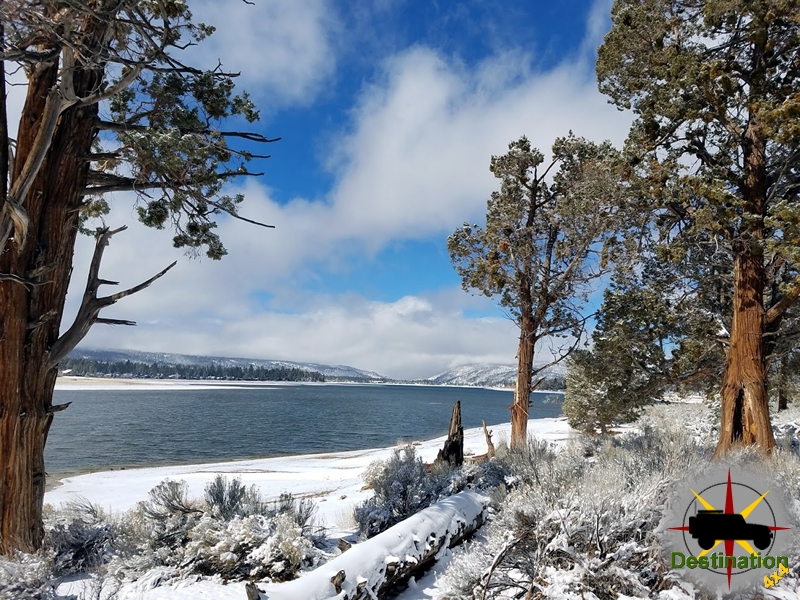
Big Bear, CA
I quiet mountain community full of back country adventure.
The Journey is the destination
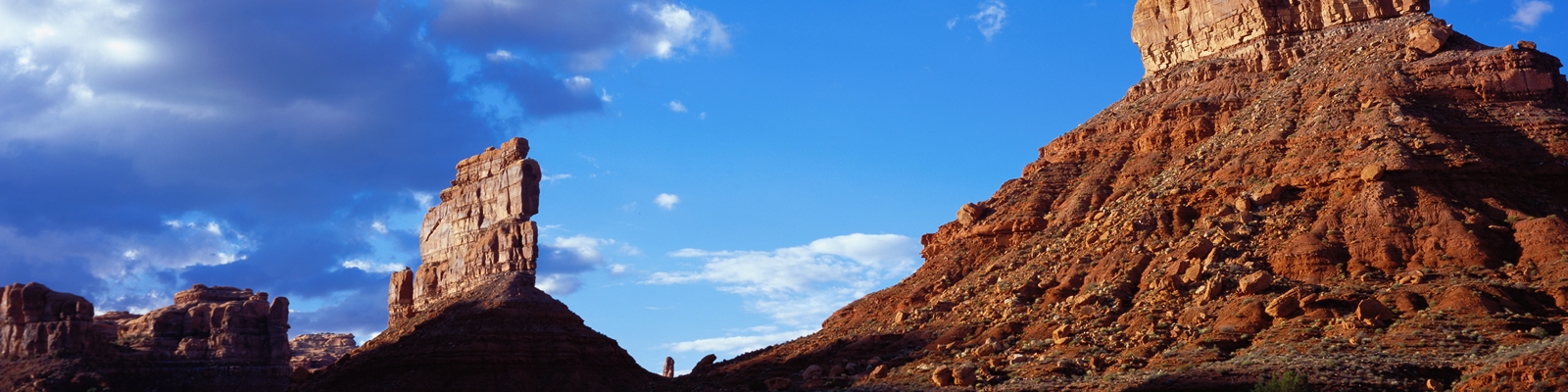
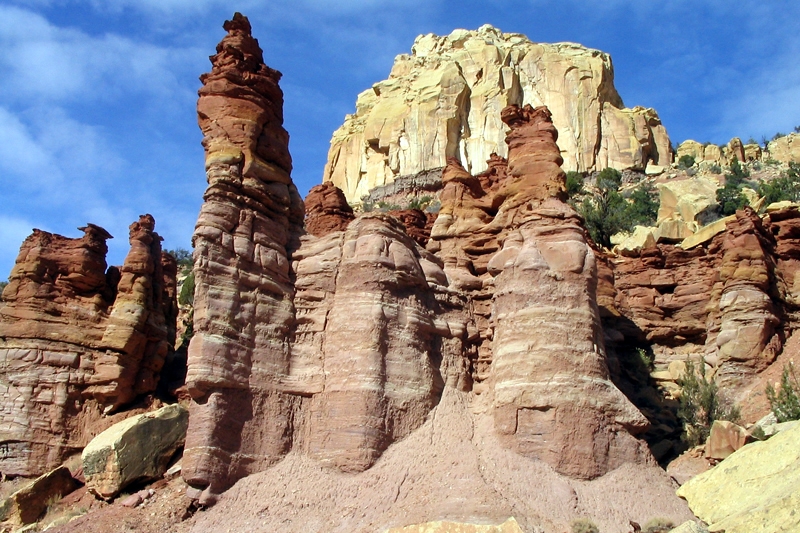
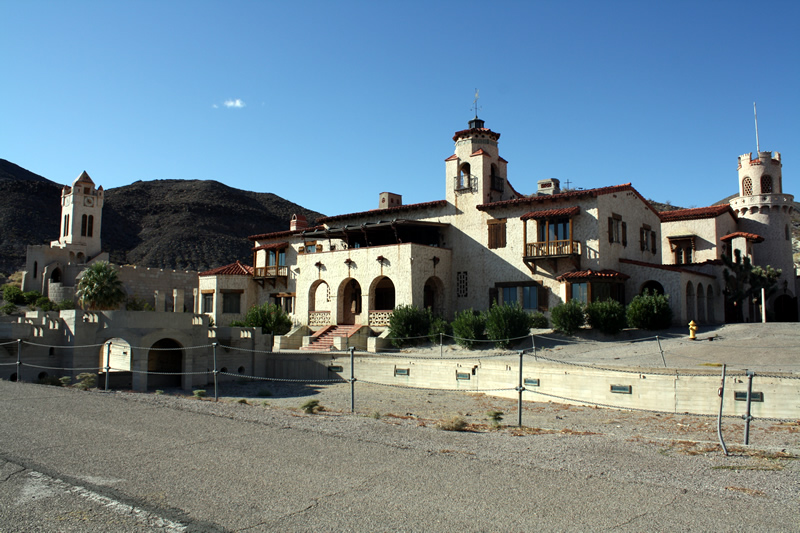
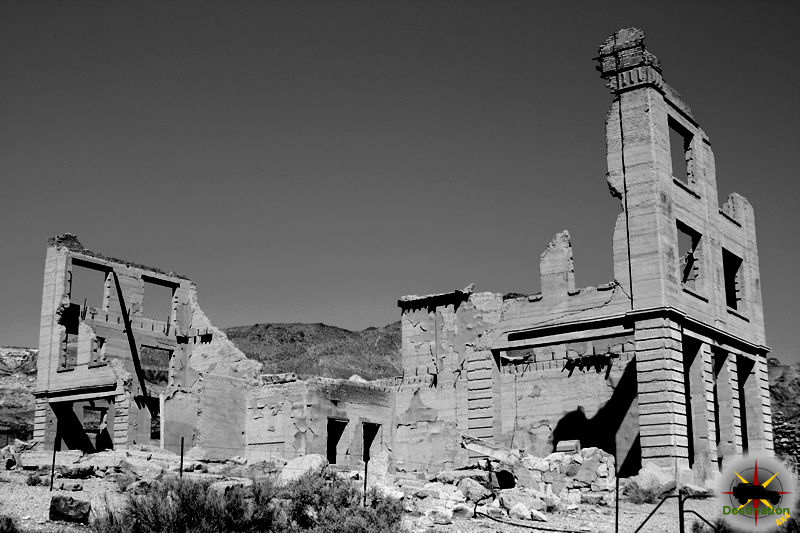
A discovery by the famous prospector “Shorty Harris“, led to the founding on the Goldbelt Springs mining district off Hunter Mountain Road in Death Valley National Park, California. The earliest known occupants of this area were a seven member family Saline Valley Panamint Indians who, despite the higher elevation, would winter in the area.

Gold was discovered in the area, just a few miles away by Frank “Shorty” Harris in the later half of 1904. Following “Shorty”, miners migrated into the area utilizing a route from Ubehebe via Willow Springs. Soon, small claims were staked out on the northwest slope of Hunter Mountain. Harris, L.P. McGarry, E.G. Padgett (Pegot or Paggett), Joseph Simpson, and W.D. Frey were among the first credited with strikes. In January, 1902 the Gold Belt Mining District was established and recorded.

Initially the site looked good for mining development. There was a water source and fuel to facilitate mining operations. High grade gold ore with small silver veins was discovered on four foot ledges prompted optimism in the sight. The ore was assayed at $8 – $176 or $38 to $240 in gold depending upon the source. On this news, plans for a town were starting to be developed.

In February of 1905, enough capital was available from investors from San Francisco to allowed expanded exploration of the area. Not much is available of this exploration, however by the fall of 1905 and exploration was abandoned. It could be inferred that the ore quantity and quality was not sufficient to justify the expense to those investors.
Regardless, smaller operations continued in the area of Goldbelt Sprints, from 1905 to 1910 including operations by Annetta Rittenhouse of Los Angeles, H.W. Eichbaum of Venice, L.P. McGarry of Pioneer, and W.S. Ball of Rhyolite.

In 1916, “Shorty” Harris again road into the area near Hunter Mountain. World War I had increased the price of tungsten. Harris pulling from his previous exploration probably knew of the mineral, and soon found a tungsten mine. By March, he had produce several hundred pounds of tungsten ore worth some $1500.00.

Throughout the 1940s and 1960’s various small operations were mining the area. This would include mines called Calmet and also nearby Quackenbush. The site today has smaller ruins. A truck and mine are still visible and an ore sorting platform is standing at the Calmet location. The wooden structures are completely flattened by time and the elements.

| Name | Goldbelt Springs |
| Location | Hunter Mountain, Death Valley National Park, California |
| Latitude, Longitude | |
| Production | Gold, Silver, Copper, Tungsten, Talc |
| Year Productive | 1904 – |
Located at the intersection of Hunter Mountain Road and Race Track Valley Road, Teakettle Junction is a unique point of interest in Death Valley National Park, California.

Aside from the mile post at the intersection, the only thing which causes you to take note is the odd tradition of hanging teakettles from the sign. Typically, teakettles are decorated with fun messages and greeting along with the date of their trip. Our family participated in this tradition and it was a big hit with my son. The National Park Service will periodically remove the teakettles, where, I am sure the send them to the National Archives.

The origin of the tradition and name of the site is not completely known. There are rumor’s around that it could be so named because the roads in the area will bounce you around like a teakettle.
The site is located about 21 miles from Ubehebe Crater and offers access to Hunter Mountain Road, Racetrack Valley, Lippincott Mine Road and Saline Valley beyond.
Ubehebe Crater is a volcanic crater located near Grapevine Canyon in Death Valley National Park in California. The crater is approximately 600 deep and one half mile across and a popular spot for visitors in the park. The crater is created by a Maar Volcano, which is a shallow volcano caused when groundwater comes in contact with volcanic magma.

The crater was originally known as “Tem-pin-tta- Wo’sah” from the Timbisha Shoshone Indian phrase for Coyote’s Basket. At some point, the crater was renamed to “Ubehebe” which is the name of a near by mountain and comes from the Paiute Indian name for “Big Basket”. Regardless of the name, the crater does remind one of a basket in the earth.

The road into Ubehebe serves as the starting points to the Race Track Valley Road, Teakettle Junction and Hunter Mountain Road.
There are a few separate hiking opportunities while exploring the crater.
The crater rim trail, which is about 1.5 miles long, circumnavigates the crater and allows access to Little Hebe crater. The trail has some slight elevation gain, however could be more difficult to hikes with balance issue due to the unstable soil.
There is also a trail down the the bottom of the crater. This is a short trail and very easy going down. The difficulty is hiking back up the 600 feet elevation lost on the way down, in loose volcanic soil.
Convict Lake is located on the east side High Sierra Mountains in Mono County, California below Mount Morrison (12,241 ft). The serene lake is nestled in a serene canyon and offers great opportunities for boating, hiking, fishing and camping. Overall, the lake if an oblong shape, and carved from the hard rock from glaciers and at 140 feet deep, it is one of the deepest in the area. Paiute Indians called the lake Wit-sa-nap

Originally known to Europeans as Monte Diablo and named Convict Lake after an prison escape on September 17, 1871 in near by Carson City, Nevada. About half of the twenty nine convicts followed Charlie Jones, who use to life in the area, into the area on Monte Diablo (Convict) Creek a few miles away from the lake. While camping near the creek, the party killed a local man.
The killing prompted the local community to form a posse on September 22, 1871 which encountered the convicts at the creek where a gun battle ensued. By November 1, the convicts were either captured, or dead and many of them executed on the way back. Convict Lake is certainly a well deserved if not macabre name.
Today, the lake has all anyone could ask of a lake in the High Sierra. The lake and stream offers great fishing of Rainbow Trout and Brownie Trout.
It was like a scene from “Grumpy Old Men”, when a man walked into the store in a tuxedo while I am purchasing a fishing license.
J. Rathbun
There is a small boat rental shop near the north end of the lake. A trail circumnavigates the lake and offers a great hike and many places to picnic. In some areas around the lake the trail is inundated with California Wild Rose which offers a blast of pink in a green hedge.

Visitors to the lake may enjoy camping, fishing, hiking and boating. A small general store can help stock up your supplies or buy a fishing license.
For those not into camping, there is a nice small resort at the lake were you can rent a cabin, and on my last visit, a wedding was hosted there. It was like a scene from “Grumpy Old Men”, when a man walked into the store in a tuxedo while I am purchasing a fishing license. The resort is a decent size, meaning that it is not too large and does not detract from the scenery.
Overall, Convict Lake is a great place to camp and visit, and I just can’t wait to get back.
Continue Reading →Convict Lake Campground is a wonderful location to camp in the amazing High Sierra Mountain near Convict Lake in Mono County, California. The campground is located about 100 yards from Convict Lake and some of the sites will have views of the lake. Those sites which do not have a view of the lake must simply take in the wonderful rugged High Sierra Mountains as their back drop.

The campground is situated so that Convict Creek runs down its length on one side. The small creek offers a wonderful sound track to some of the campsites. It’s easy access allows you to walk from the campsite to the creek in about 10 seconds. This is a nice place to fish, or just take a nap in the afternoon. I can speak from first hand experience that bear will also use paths near to creek to enter and egress the campground.
I can speak from first hand experience that bear will also use paths near Convict Creek to enter and egress the campground.
J. Rathbun

Overall, I have enjoyed every stay at this campsite, and each visit is memorable. The campground offers great access to all of the activities at Convist Lake and a good place to jump off when exploring the Eastern Sierra.
Depending upon the time of year, you may need to make reservations. My past few trips were hunting for Fall Colors and in October the camp ground typically has some good first come first serve camp sites. The campground is typically serene, quiet and a wonderful place to be.
| Name | Convict Lake Campground |
| Location | Convict Lake, Mono County, California |
| Sites | 85 |
| Elevation | 7600 feet |
| Amenities | Tables, Fire rings, Flush toilets, drinking water, hot showers and a dump station. Food storage lockers for safety from bears. |
| Special | Active Black Bear Population |