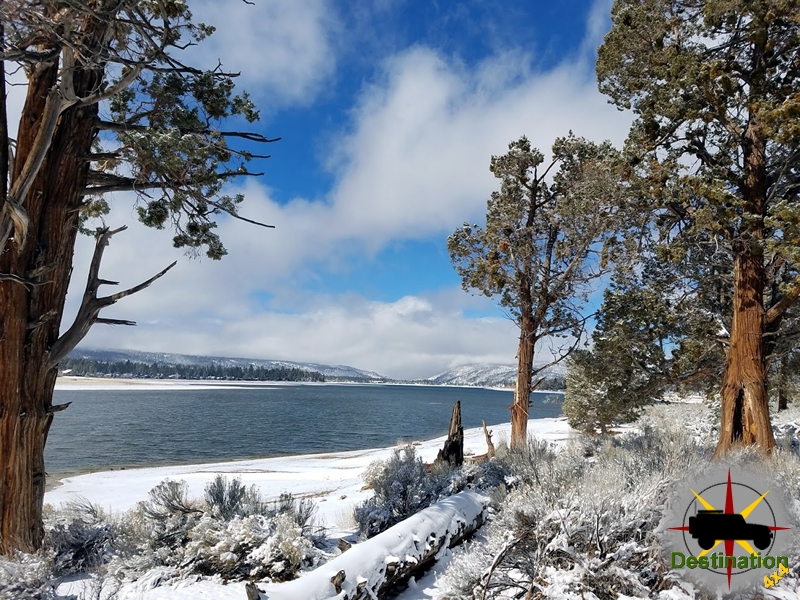
Big Bear, CA
I quiet mountain community full of back country adventure.
The Journey is the destination
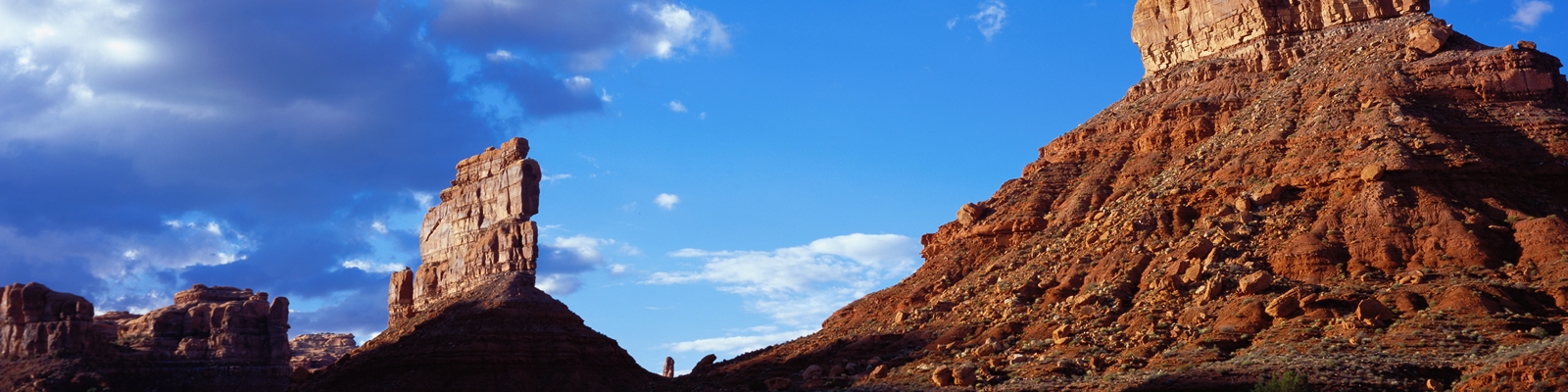
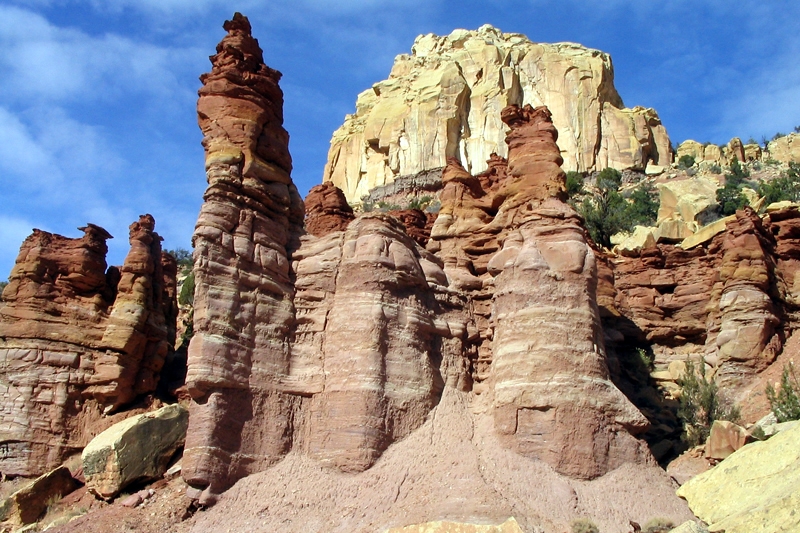
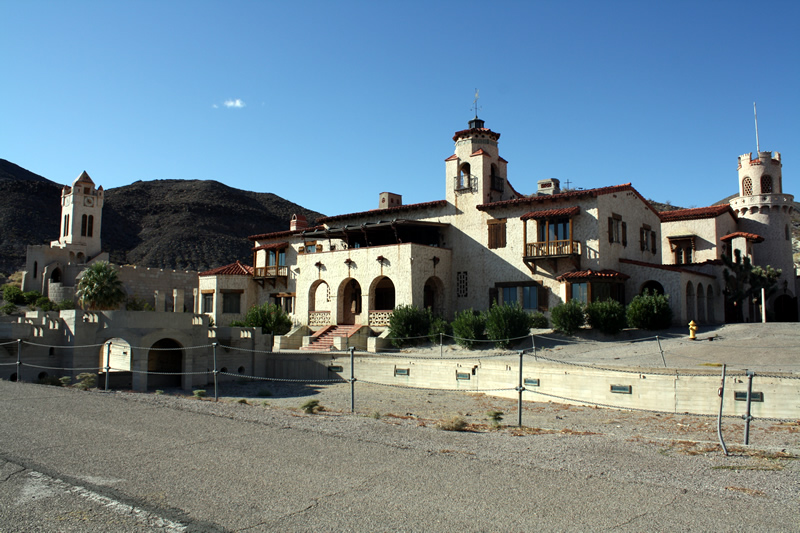
Hazen is an unincorporated community in Churchill County, Nevada, often described as a semi-ghost town. It sits on the high desert plain at an elevation of approximately 4,006 feet (1,221 m), about 12 miles (19 km) southeast of Fernley and 16 miles (26 km) northwest of Fallon. The site lies along the historic Southern Pacific Railroad (now part of the Union Pacific system) and U.S. Route 50 Alternate—the former alignment of the Lincoln Highway, U.S. Highway 40, and early U.S. 50.

Geographically, Hazen occupies a strategic transportation corridor in the arid Great Basin, positioned between the Truckee River and Carson Sink regions. Its location made it an ideal junction for rail and highway traffic in the early 20th century, though modern interstates later bypassed it. Today, scattered buildings, railroad remnants, and a few ranches remain, with the area still traversed by active freight trains.

The immediate area had limited pre-1903 activity. In the late 1870s, J.M. Sturdevant operated a small station or roadhouse along the overland route from Wadsworth eastward, serving stage and wagon traffic. However, no formal town existed until the Southern Pacific Railroad (SP) realigned its transcontinental main line in 1902–1903. The railroad shifted eastward from the old Wadsworth route (bypassing the steep Hot Springs Grade), creating a new siding and construction camp at the site.
Hazen was officially established in 1903 and named for Union Army General William Babcock Hazen (1830–1887), a Civil War veteran who served under General William Tecumseh Sherman during the “March to the Sea” and fought in major battles such as Shiloh, Corinth, Murfreesboro, and Chickamauga. General Hazen had no known connection to Nevada and died long before the town’s founding; the name was simply “generously donated” as a railroad honor. A U.S. post office opened on April 25, 1904, formalizing the settlement.
Some secondary sources note possible scattered settlement as early as 1869, but Hazen does not appear on maps until the 1903 railroad development. The town quickly grew from a tent city into a modest rail stop with hotels, saloons, restaurants, and worker housing.
Hazen’s economy revolved around two major early-20th-century infrastructure projects: the Southern Pacific Railroad and the Newlands Irrigation Project (Nevada’s first major federal reclamation effort, authorized under the 1902 Reclamation Act and championed by U.S. Senator Francis G. Newlands).
Hazen earned a reputation as one of Nevada’s toughest towns. With no resident sheriff, crime (robberies, assaults, and vice) was common in the construction camps. On February 27–28, 1905, a mob of about 30 men broke into the small wooden jail (built in 1904 near Constable Judd Allen’s hotel) and lynched ex-convict William “Red” Wood (also called “Nevada Red”), a morphine addict and suspected murderer who had been arrested for robbing the depot. He was hanged from a telegraph pole roughly 30 feet away—the last recorded lynching in Nevada history. No arrests followed.
Hazen’s peak proved short-lived. A devastating fire on August 23, 1908, started in the rear of a mercantile store and destroyed nearly the entire business district (including the post office, multiple hotels, saloons, restaurants, and stores), with losses estimated at $100,000. Explosions of stored dynamite and gasoline complicated firefighting, though the depot was saved.
The USRS relocated its offices to Fallon in 1908 as work shifted to Lahontan Dam (completed 1915), ending the construction boom. Many families stayed temporarily due to Fallon’s housing shortage, but economic activity slowed. A 1908 rebuild (e.g., the brick Palace Hotel) provided temporary relief, and the Lincoln Highway (1913) brought some auto traffic through town.
Long-term decline accelerated with transportation changes:
The post office operated until June 25, 1979 (with a brief temporary closure in 1977) and never reopened. By the late 20th century, Hazen had shrunk to a handful of residents, mostly ranchers, with many historic structures abandoned or demolished.
Hazen survives as a quiet, sparsely populated community that preserves echoes of Nevada’s railroad and reclamation eras. It is not fully abandoned but qualifies as a semi-ghost town, with a small number of residents and active railroad use. The Hawthorne Army Depot remains connected to the national rail network via a 120-mile spur originating at Hazen.
Notable surviving features include:
A Nevada State Historic Marker (No. 178) commemorates the town’s founding, railroad role, Newlands Project ties, and the 1905 lynching. In recent decades, limited geothermal exploration has occurred nearby, but the area retains its remote, historic character. Hazen stands as a testament to the boom-and-bust cycles driven by federal infrastructure projects and rail expansion in early 20th-century Nevada.
| Name | Hazen, Nevada |
| Other Names | Hazen Station. |
| Location | Churchill County, Nevada |
| Latitude, Longitude | 39.5653, -119.0464 |
| GNIS | 864634 |
| Population | 250 |
| Post Office | 1904 – Current |
| Elevation | 4,000 Feet |
| Newspaper | The Harvest |
 The Hanging of William “Nevada Red” WoodHazen, a small railroad and construction-camp settlement in Churchill County, Nevada, established in 1903 along the Southern Pacific Railroad, became a hub for workers on… |
Red Rock Canyon Campground is a stunning and serene camping destination located in Nevada. Nestled in the heart of the Mojave Desert, the campground offers a peaceful and unique experience to campers of all ages. The campground is conveniently located only 30 minutes away from Las Vegas and is surrounded by the beautiful Red Rock Canyon National Conservation Area.

The campground is operated by the Bureau of Land Management and has a total of 53 campsites. The campsites are spread across three loops and are equipped with picnic tables, fire rings, and tent pads. The campground is suitable for tents, RVs, and trailers. The sites are available on a first-come, first-served basis, and it is advisable to arrive early, especially during peak season. The campground is open year-round, but the best time to visit is from September to May when the weather is milder.
Red Rock Campground is surrounded by breathtaking natural beauty, and there are several hiking trails that campers can explore. The Red Rock Canyon National Conservation Area has over 30 miles of hiking trails that range from easy to difficult. The trails offer stunning views of the canyons, rock formations, and desert flora and fauna. The trails are well marked and maintained, and hikers are advised to carry plenty of water, especially during the summer months.
The campground also has several picnic areas that are perfect for family gatherings and group activities. The picnic areas are equipped with tables, grills, and shade structures. There is also a group campsite that can accommodate up to 40 people. The group site has a covered pavilion, picnic tables, fire rings, and a vault toilet.
The campground has a visitor center that provides information about the campground, the conservation area, and the surrounding attractions. The visitor center has a small bookstore that sells maps, guides, and souvenirs. The staff at the visitor center are knowledgeable and friendly, and they are always happy to provide assistance.

Red Rock Canyon is a great place to escape the hustle and bustle of Las Vegas. The campground is surrounded by stunning natural beauty, and the desert landscape is awe-inspiring. The campground is also close to several attractions, such as the Las Vegas Strip, Hoover Dam, and Lake Mead. The proximity to these attractions makes Red Rock Campground an ideal base camp for exploring the area.
The facilities at Red Rock Campground are basic but well maintained. The campground has vault toilets, but there are no showers or hookups. The lack of amenities is compensated by the natural beauty and tranquility of the location. The campground is also pet-friendly, and pets are allowed on the trails and in the campsites.
Red Rock Campground is a must-visit destination for anyone who loves nature and outdoor activities. The campground offers a unique and peaceful camping experience that is hard to find in the Las Vegas area. The stunning natural beauty, the hiking trails, and the proximity to attractions make Red Rock Campground an ideal destination for families, groups, and solo travelers. Whether you are looking for a quiet retreat or an adventure-packed vacation, Red Rock Campground has something for everyone.
| Name | Red Rock Canyon Campground |
| Location | Red Rock Canyon Conservation Area, Clark County, Nevada |
| Elevation | 3,400 ft |
| Number of Sites | 53 |
| Reservations | Recreation.gov |
| Amenities | Picnic tables, fire rings, tent pads, vault toilets, but no showers or hookups, pet-friendly, |
Searchlight Nevada is a unincorporated town with a history in mining. The small town in Clark County is located south of Las Vegas in Clark County, Nevada and honored with Nevada State Historic Marker number one hundred and sixteen. The Nevada Start Historic Marker is located on the west side of the highway as you enter town.
Nevada State Historical Markers identify significant places of interest in Nevada’s history. The Nevada State Legislature started the program in 1967 to bring the state’s heritage to the public’s attention with on-site markers. Budget cuts to the program caused the program to become dormant in 2009. Many of the markers are lost of damaged.

The town is founded after George Frederick Cook prospected the area beginning May 6th, 1897. It is said that he would take a searchlight to find gold in the area, lending the town its name. Following the discovery of gold, the area boomed, which caused its population to raise. At the time, the mining town was part of Lincoln County, and for a time its population was larger than that of Las Vegas. When Clark County is created the town was briefly considered to be the county seat.
Between 1907 and 1910, the gold mines of Searchlight produced $7 million dollars in gold and boasted a population of 1,500. Ore is shipped to Barnwell via the Barnwell and Searchlight rail service. In order to reduce costs, the Quartette company constructed a twenty-stamp mill on the Colorado River. The new mill utilized a 15 mile narrow gauge rail is constructed down to the mill in an attempt to further reduce costs. The rail is completed in 1902. Several tent saloons are erected during this time and named Cyrus Noble, Old Bottle and the Little Brown Jug.

Later in 1903, enough water is is on hand in town to support a second twenty-stamp mill. The onsite mills capacity is further increased in 1906 when the Colorado Mill is closed and relocate near town.
During its peak in 1907, Searchlight boasts well-furnished stores, about a dozen saloons, telephone exchange, forty four mines and several mills. The Chamber of Commerce advertised some 5,000 people living in the little haven. Searchlight’s decline began in 1917.
Today, the town is home to about 500 people. Its location on the 95 highway offers a rest spot for travelers between Las Vegas and various Colorado River how spots, including Lake Mojave, Laughlin NV, Bullhead City and Havasu. The small community is home to a few small casinos, gas and food. Senator Majority Harry Leader Harry Reid is perhaps the towns most notable citizen. Harry Ried proudly raised the American Flag over his property, when he was home which was visible from the highway.

Initial discoveries of predominately gold ore were first made at this location on May 6, 1897. G.F. Colton filed the first claim, later to become the Duplex Mine. The Quartette Mining Company, formed in 1900, became the mainstay of the Searchlight district, producing almost half of the area’s total output. In May 1902, a 16 mile narrow-gauge railroad was built down the hill to the company’s mill on the Colorado River.
On March 31, 1907, the 23.22 mile Barnwell and Searchlight Railroad connected the town with the then main Santa Fe line from Needles to Mojave. By 1919 trains travelled over the B. and S. Railroad only twice a week. A severe washout on September 23, 1923, halted traffic completely. Train service was never restored.
Searchlight is the birthplace of U.S. Senator Harry Reid (b.1939) who became the first Nevadan to serve as the Senate Majority Leader, a position he assumed in 2007.
STATE HISTORICAL MARKER No. 116
STATE HISTORIC PRESERVATION OFFICE
| Name | Searchlight, Nevada |
| Location | Clark County, Nevada |
| Latitude, Longitude | 35.4744, -114.9307 |
| Nevada State Historic Marker | 116 |
| GNIS | 0845654 |
| Population | up to 5,000 |
| Elevation | 3,547 ft (1,081 m) |
| News Paper | Searchlight Bulletin Jan 1, 1903 – Jan 3, 1913 |
Pueblo Grande de Nevada is Nevada State Historic Marker number Forty One and located in Clark County, Nevada. The ruins become to be known as Nevada’s “Lost City”. The marker is located about two miles south of Overton along State Route 169.
Nevada State Historical Markers identify significant places of interest in Nevada’s history. The Nevada State Legislature started the program in 1967 to bring the state’s heritage to the public’s attention with on-site markers. Budget cuts to the program caused the program to become dormant in 2009. Many of the markers are lost of damaged.

The site dates back to before the year 500 A.D. and the Basketmaker Indians and later the Ancestral Pueblo people in 1150 A.D. Archeological studies show signs of human activity and occupation as far back as 8,000 B.C.
The ruins become known to American Settlers in 1827, when Jebediah Smith found artifacts while exploring the region. The Pueblo Grande a complex of villages, was first seen by white settlers forty years later in 1867. There is little interest in the area, the ruins or the story they had to tell, until 1924. John and Fay Perkins of Overton, Nevada, discovered the ruined complex. The “Lost City” captured the imagination of Nevada and soon became a tourist spot.
To the south of Overton Beach are prehistoric salt mines. Early inhabitants in the area mined salt from these caves. The mined salt is used for trade, survival and food preparation. During excavations in 1925 and 1926, many artifacts are discovered in the caves, including pottery, stone clubs, sandals and other items. These artifacts offered a limited glimpse into the daily lives of the people who worked the salt mines.
Rising waters of Lake Mead swallowed some of the ruins, with the construction of Hoover Damn. The waters flooded the “Lost City”. The area has been the subject of numerous archeological studies which allow us to better understand the ancients peoples of the land. Today, the Lost City Museum of Archaeology in Overton continues to tell the story of the area and preserve the various artifacts discovered over the past two hundred years.
Indians of a highly developed civilization lived throughout Moapa Valley from 300-1100 A.D. Several hundred ancient pithouses, campsites, rockshelters, salt mines and caves of Anasazi people make up what is commonly known as “Lost City.” These people cultivated corn, beans and squash in fields irrigated by river water. They also gathered wild seeds and fruits and hunted widely for deer, antelope, desert bighorn sheep, small mammals and birds. They wove fine cotton cloth, fired beautifully painted and textured pottery and mined and traded salt and turquoise to coastal tribes for seashells. Early dwellings were circular pithouses below ground; later dwellings above ground were single-story adobes having up to 100 rooms.
Lake Mead, created by Hoover Dam, flooded the most intensively developed portion of Lost City.
| Nevada State Historic Marker No. | 41 |
| Name | Pueblo Grande de Nevada |
| Location | Clark County Nevada |
| Latitude, Longitude | 36.525, -114.4338 |
| GNIS | 847639 |
The Pony Express Trail (1860 – Sesquicentennial – 2010) is Nevada State Historic Marker #271 is located in Churchill County, Nevada. From Fallon drive head east on US 50 for 15 miles to Salt Wells Road. Turn south onto Salt Wells Road and travel for eight miles. This marker is the last historic marker approved by the the state of Nevada.

The Pony Express started to fill a need caused by the growing populations of California. After the discovery of Gold in 1848, thousands streaked to the golden state to seek their fortune in the ground. Additional demand for mail service was caused from migration along the infamous Oregon Trail and the Utah Mormon exodus in 1847. Stage Service was used to transfer correspondence across the Western United States.
The service was built and organized by three men, William Russell, Alexander Majors, and William B. Waddell. These men formed the company Russell, Majors & Waddell and in just two months in the winter of 1860 organized 184 stations, 80 riders and 400 hundred horse to race mail from St. Joseph, Missouri to Sacramento, California. Some of the stations were existing stage stops while others were purpose built humble buildings deep in the Nevada territory. They hoped with a 10 day delivery time they could secure government contracts. The costs of the expedited service was 25000% greater that the slower stage service and a 1/2 package would cost $5 at the time.
One hundred and fifty years ago, the Pony Express was founded by W. H. Russell, Alexander Majors and William B. Waddell, operators of the Overland Stage Line of Leavenworth, Kansas. During a visit to Washington, Mr. Russell was urged by California Senator William Gwin to expand the Overland Stage operation to facilitate faster mail service. Mr. Russell’s partners hesitated due to the projected high costs; he persevered and the first ride began on April 3, 1860.
Overland stagecoach stations were located every 10-12 miles as far as Salt Lake City. Eighty skilled and experienced riders, 400 horses and approximately one hundred-eighty-four stations were located in Nevada from Utah (Deep Creek) to the California border (Genoa). The swift riders carried the mail 2,000 miles in 10 days from St. Joseph, Missouri to Sacramento, California. The “Pony” improved nationwide communication, western expansion and was credited with California’s continued participation in the Union at the beginning of the Civil War.
A high price was paid for the improved communication, including the cost to post a letter and the trials of the employees during the ride. The cost of mailing a letter as advertised was not economical, “letters less than 1/4 oz cost $2.50; over 1/4 oz, not to exceed 1/2 oz cost $5.00 and so on.” The riders, station masters and division agents faced hostile environments including poor housing, extreme heat and cold, poor access to potable water, food and dangers due to the conflicts between the Tribes and the new comers to the west.
On October 24, 1861, the telegraph was born and the last ride was completed. What had taken ten days could be achieved in ten seconds thus ending the Pony Express but the memory of the riders and the route live on.
STATE OF NEVADA HISTORICAL MARKER No. 271
Nevada State Historical Markers identify significant places of interest in Nevada’s history. The Nevada State Legislature started the program in 1967 to bring the state’s heritage to the public’s attention with on-site markers. Budget cuts to the program caused the program to become dormant in 2009. Many of the markers are lost of damaged.
| Name | Pony Express Trail (1860 – Sesquicentennial – 2010) |
| Location | Churchill County, Nevada |
| Latitude, Longitude | 39.287541, -118.571526 |
| Nevada State Historic Marker Number | 271 |