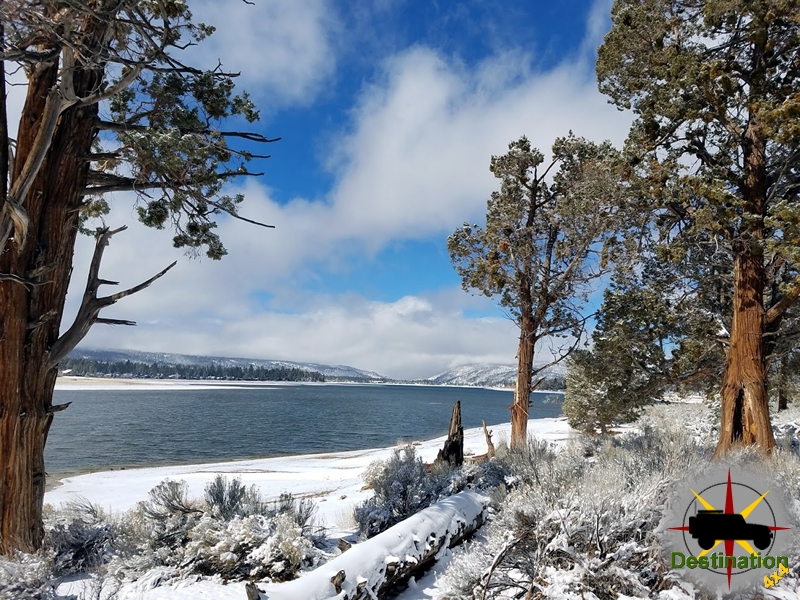
Big Bear, CA
I quiet mountain community full of back country adventure.
The Journey is the destination
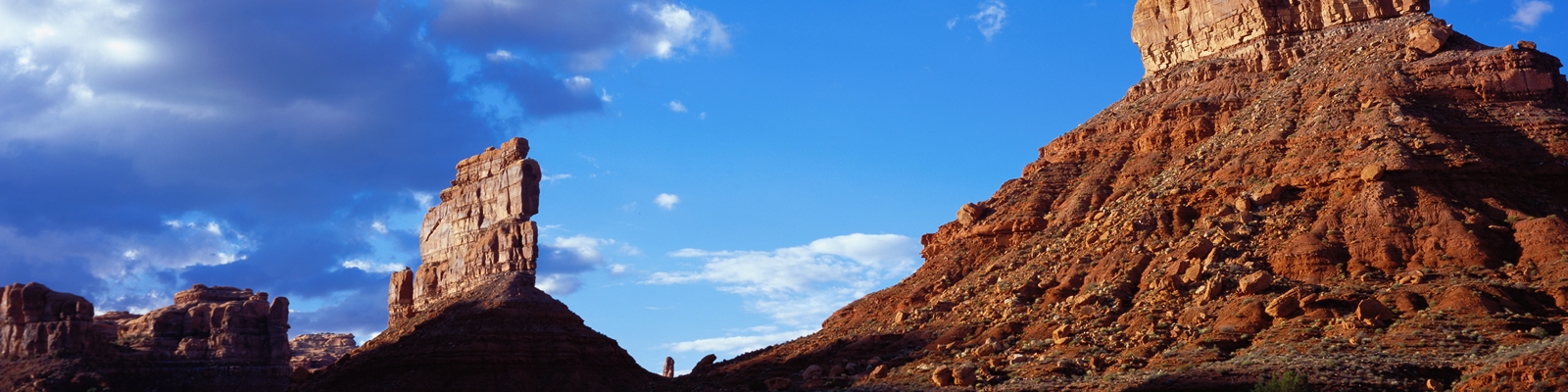
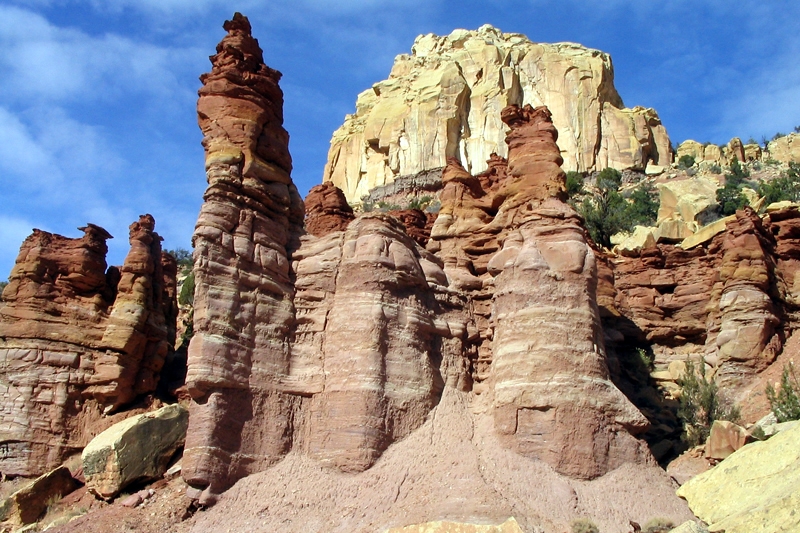
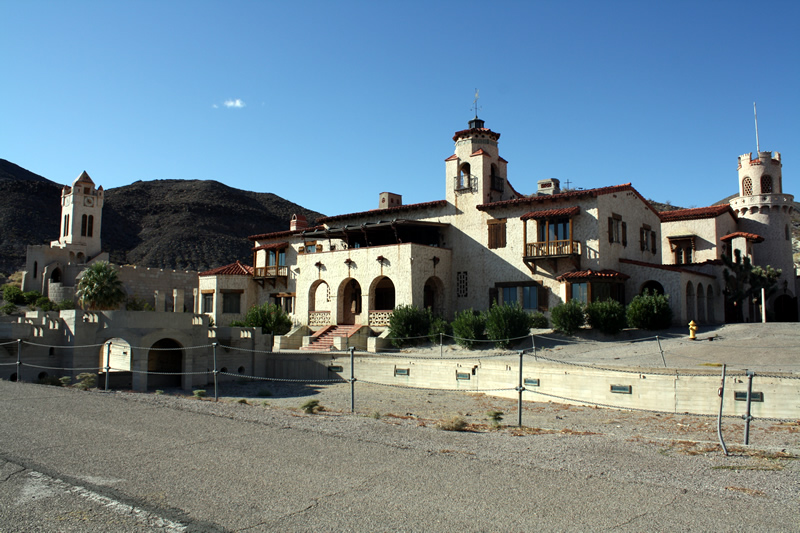
Twin Lakes Campground is a beautiful campground located in the Mammoth Lakes area of the High Sierra in Mono County, California. The campground offers views of the lake, and is quite popular due to its location on the mountain.

The lake offers tremendous fishing and opportunities for hiking and enjoying the picturesque scenery. The fishing at Twin Lakes features Rainbow, Brown and Brook trout and on more than one trip, my evenings were spent watching sunsets while fly fishing. The peak season is from late May to early September each year.
The campground offers access to many nearby activities including Devils Postpile, Reds Meadow, Rainbow falls and Hot Creek. Campsites typically share parking and the sites are reasonably flat. Tall pine trees offer shade from the high altitude sun.
This campground is in bear country and typically bears activity is fairly high. All food and scented items must be stored in the lockers. All trash must be disposed of in the bear proof trash receptacles. Do not store food, trash or scented items in your vehicle.
| Name | Twin Lakes Campground |
| Location | Mammoth Lakes, Mono County, Californi |
| Latitude, Longitude | 37.6162715, -119.0121571 |
| Elevation | 8589 Feet |
| Number of Sites | 92 |
| Amenities | Campfires Permitted, Flushable Toilets, Pet-friendly, Picnic Areas, RV Sites, Reservations Accepted, Tent Sites, Tables, Bear Boxes |

The Globemallow (Sphaeralcea ambigua) is a perennial herb and orange wildflower which is commonly found in Nevada, California, Utah and Arizona. This plant grows well in sandy or alkaline soil and found in creosote bush and desert chaparral habitats and typically grows between 1 – 3 feet tall and typically found at elevations up to 4000 ft.
The orange flowers of this plant grow in clusters at the end of the stem. It boasts broads leaves which are comprised on three lobes. Like other desert plants, the globemallow grows fast and fades faster, however, the flowers produce an abundance of nectar and commonly used by bees and other insects. The globe mallow is known to attract hummingbirds and butterflies. The plant flowers in the spring, however with an adequate supply of rainfall, it is known to bloom almost year round.

Native Americans are known to have used the plant for a variety of medicinal purposes including the treatment of sore throats, eye disease and diarrhea. The roots of the plant would be used to treat upset stomachs and poultices where made for broken bones and swelling.
Other common names for this flower include apricot mallow, roughleaf apricot mallow, desert mallow, sore-eye poppy, mal de ojo, Parish mallow, desert hollyhock.

George Graham Rice, born Jacob Simon Herzig on June 18, 1870, in Manhattan, New York, to furrier Simon Herzig and his wife Anna, rose from a background of petty crime to become one of America’s most notorious stock promoters and swindlers of the early 20th century. Dubbed the “Jackal of Wall Street” by regulators and the press, Rice specialized in hyping worthless mining stocks—particularly in Nevada’s boom-and-bust camps—through aggressive advertising, celebrity endorsements, and mail-order schemes. He parlayed early gambling and forgery convictions into a career that defrauded investors of millions during the Goldfield, Bullfrog, and Rawhide mining rushes, while authoring a candid autobiography that detailed his exploits. His life exemplified the golden age of American con artistry, blending audacity, publicity stunts, and political maneuvering until repeated imprisonments and declining health ended his schemes. He died on October 24, 1943.
Rice grew up in a middle-class New York family but developed a gambling habit that led to his first conviction in 1890: stealing from his father’s business to fund betting. He served two years at Elmira Reformatory. Released, he reoffended; in 1895, he was convicted of forgery for further thefts from his father and sentenced to four years at Sing Sing Prison. While incarcerated, he adopted the name “George Graham Rice,” borrowing it from fellow inmate Willie Graham Rice (or a similar alias). After release, he briefly worked as a reporter for the New Orleans Times-Democrat before returning to New York. There, he founded the Maxim & Gay Company, a racetrack tip sheet and bet-by-mail operation that attracted thousands of subscribers. The U.S. Post Office Department shut it down for mail fraud, leaving Rice broke once again.
In 1904, Rice relocated to the booming Goldfield, Nevada, gold camp, where he established the Nevada Mining News Bureau—an advertising service that promoted mining stocks in which he held personal stakes. He quickly immersed himself in the frenzy of Nevada’s mining excitement. In 1906, he co-sponsored (with promoter Tex Rickard) the legendary 42-round world lightweight boxing championship between Joe Gans and Battling Nelson in Goldfield, one of the most publicized fights of the era.
Partnering with saloon owner and politician Larry Sullivan, Rice launched the L.M. Sullivan Trust Company, a brokerage that sold shares in numerous Nevada and California mining ventures. He aggressively promoted properties in towns including Rhyolite, Bullfrog, Wonder, and Greenwater (California), many of which proved nearly worthless. The company collapsed in the Panic of 1907. Rice then moved to Reno, publishing the Nevada Mining News and forming Nat C. Goodwin & Company with vaudeville star Nathaniel Carl Goodwin. Together they promoted the Rawhide, Nevada, mining district. As a publicity stunt, Rice arranged for best-selling novelist Elinor Glyn to visit Rawhide, generating national headlines. Through B.H. Scheftels & Company, he also manipulated shares of the Ely Central Copper Company.
In 1911, Rice pleaded guilty to mail fraud charges related to his stock promotions and served one year in prison. During his incarceration, he wrote his autobiography, My Adventures with Your Money (1913), which was serialized in Adventure magazine. The book offered a colorful, unapologetic account of his life as a promoter, candidly describing how he catered to the public’s speculative instincts during the great Nevada mining booms of 1905–1908. Upon release, he resumed operations through a series of newsletters—including Industrial and Mining Age, Mining Financial News, Wall Street Iconoclast, and Financial Watchtower—pushing mining and oil stocks to a national audience.
One of his later promotions involved Broken Hills, Nevada. In 1920, English prospectors Joseph Arthur and James Stratford sold their modest silver-lead claims (which had produced about $68,000 over six years) to Rice. Using his Reno-based Fidelity Finance & Funding Company, he formed the Broken Hills Silver Corporation (capitalized at 3 million shares) and stacked its board with prominent Nevadans, including State Treasurer Ed Malley and State Bank Examiner Gilbert C. Ross. Rice ran lavish newspaper advertisements claiming endorsements from Governor Emmet D. Boyle and mining experts, hyping rich ore discoveries and even floating bids to host a Jack Dempsey heavyweight title fight. He sold roughly $162,000 in stock and invested some funds in camp infrastructure, but the corporation owed $380,000 to Rice’s own finance company. It soon collapsed under debt, triggering investigations that contributed to further legal woes. By the mid-1920s, Broken Hills—once briefly bustling—faded back into the desert.
In 1920, Rice was convicted of grand larceny. His most infamous later scheme targeted the Idaho Copper Company; in 1928 he was sentenced to four years in the U.S. Penitentiary in Atlanta for using the mails to defraud investors (some accounts place final sentencing proceedings into 1929). While imprisoned, he reportedly shared a cell with Al Capone. In 1931, he was tried for tax evasion but acquitted.
Even after repeated convictions, Rice continued issuing promotional newsletters into the 1930s and early 1940s, though his influence waned. He occasionally capitalized on his notoriety by naming companies after himself (such as Rice Oil) and using front men in earlier years before operating more openly. Contemporary accounts and later historians portray him as a flamboyant yet ruthless figure who perfected high-pressure stock-tipping tactics that foreshadowed modern pump-and-dump schemes. A 2015 biography by T.D. Thornton, My Adventures with Your Money: George Graham Rice and the Golden Age of the Con Artist, revived interest in his life, comparing his scale and nerve to later fraudsters like Bernie Madoff.
Rice’s promotions contributed to the speculative frenzy that enriched a few but bankrupted thousands of small investors during Nevada’s early 20th-century mining booms. His story remains a cautionary tale of greed, gullibility, and the wildcat capitalism of the American West. No major monuments or museums commemorate him; his legacy survives primarily in ghost-town histories, court records, and the pages of his own unrepentant memoir.
Sources: This biography is drawn primarily from contemporary newspaper accounts, Rice’s autobiography My Adventures with Your Money (1913), and secondary sources including Wikipedia summaries cross-referenced with mining histories, the book by T.D. Thornton (2015), and specialized sites such as MiningSwindles.com and BackyardTraveler blog posts on Broken Hills. For further reading, consult Nevada’s Twentieth-Century Mining Boom by Russell R. Elliott or Thornton’s biography.
 Broken Hills Nevada – Mineral County Ghost TownBroken Hills is a remote ghost town in Mineral County, Nevada (with early references occasionally noting southern Churchill County), located at approximately 39°02′59″N 118°00′37″W and… |
 Bullfrog Nevada – Nye County Ghost TownIn the scorching summer of 1904, amid the rugged Bullfrog Hills at the northern edge of the Amargosa Desert in Nye County, Nevada, two prospectors… |
 Greenwater California – Inyo County Ghost TownIn the scorched embrace of the Funeral Mountains, where the Mojave Desert meets the unrelenting heat of Death Valley, lies the spectral outline of Greenwater—a… |
 Rawhide Nevada – Mineral County Ghost TownRawhide is a classic Nevada mining boomtown-turned-ghost town in Mineral County, located approximately 55 miles southeast of Fallon at coordinates 39°01′0″N 118°23′28″W and an elevation… |
 Rhyolite Nevada – Nye County Ghost TownRhyolite is a ghost town location just outside of the Eastern edge of Death Valley National monument in Nye country, Nevada. Founded in 1904 by… |
 Wonder, Nevada – Churchill County Ghost TownWonder, Nevada, now a ghost town in Churchill County, was a short-lived but significant mining community during the early 20th-century silver and gold rush. Located… |
Lake George Campground is a beautiful campground located in the Mammoth Lakes area, above Lake Mary in the High Sierra in Mono County, California. Lake George one of the smaller lakes and campgrounds of the eleven lakes in the Mammoth Area. The campground is situated on hillside overlooking Lake George.

The campground offers views of the lake, and is quite popular due to its location on the mountain. The lake offers tremendous fishing and opportunities for hiking and enjoying the picturesque scenery. The fishing at Lake Mary features Rainbow, Brown and Brook trout. Jeffrey and lodgepole pines shade the campground and bald eagles are often seen soaring high above. The peak season is from late May to early September each year.
The campground offers access to many nearby activities including Devils Postpile, Reds Meadow, Rainbow falls and Hot Creek. Campsites typically share parking and the sites are reasonably flat and large granite boulders. Tall pine trees offer shade from the high altitude sun.
This campground is in bear country and typically bears activity is fairly high. All food and scented items must be stored in the lockers. All trash must be disposed of in the bear proof trash receptacles. Do not store food, trash or scented items in your vehicle.
| Name | Lake George Campground |
| Location | Mammoth Lakes, Mono County, California |
| Latitude, Longitude | 37.6030476, -119.0121125 |
| Elevation | 9060 feet |
| Number of Sites | 25 |
| Amenities | Campfires Permitted, Flushable Toilets, Pet-friendly, Picnic Areas, RV Sites, Reservations Accepted, Showers, Tent Sites, Tables, Bear Boxes |
Lake Mary Campground is a beautiful campground located in the Mammoth Lakes area of the High Sierra in Mono County, California. Lake Mary is the largest and the most developed of the eleven lakes in the Mammoth Area. The campground is situated on both sides of the road at the northwestern corner of Lake Mary and nearby Lake Mamie.

The campground offers views of the lake, and is quite popular due to its location on the mountain. The lake offers tremendous fishing and opportunities for hiking and enjoying the picturesque scenery. The fishing at Lake Mary features Rainbow, Brown and Brook trout and on more than one trip, my evenings were spent watching sunsets while fly fishing. The peak season is from late May to early September each year.
The campground offers access to many nearby activities including Devils Postpile, Reds Meadow,, Rainbow falls and Hot Creek. Two boat ramps and marinas allow for boating however the 10 mph limit on the lake keeps the lake angler friendly. Campsites typically share parking and the sites are reasonably flat. Tall pine trees offer shade from the high altitude sun.

This campground is in bear country and typically bears activity is fairly high. All food and scented items must be stored in the lockers. All trash must be disposed of in the bear proof trash receptacles. Do not store food, trash or scented items in your vehicle.
| Name | Lake Mary Campground |
| Location | Mammoth Lakes, Mono County, California |
| Latitude, Longitude | 37.6074757, -119.0088844, |
| Elevation | 8950 feet |
| Number of Sites | 48 |
| Amenities | Campfires Permitted, Flushable Toilets, Pet-friendly, Picnic Areas, RV Sites, Reservations Accepted, Showers (at Lake George), Tent Sites, Tables, Bear Boxes |