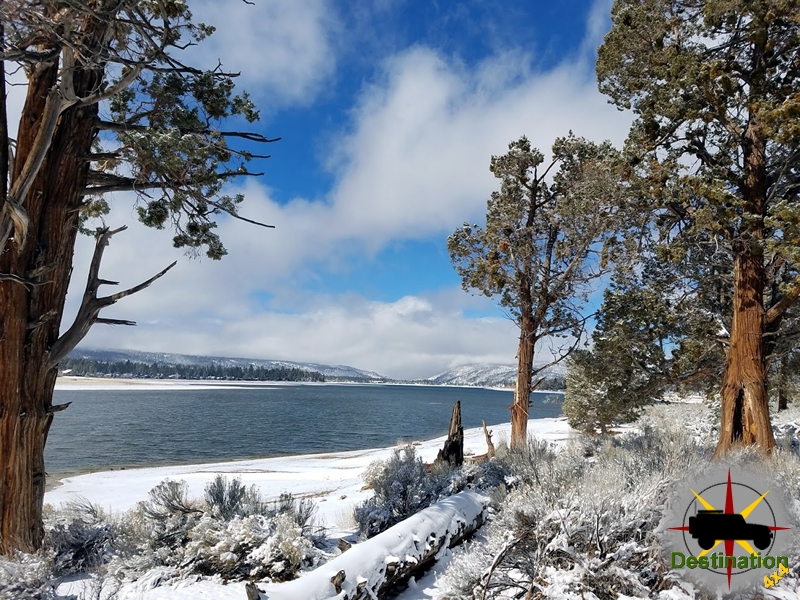
Big Bear, CA
I quiet mountain community full of back country adventure.
The Journey is the destination
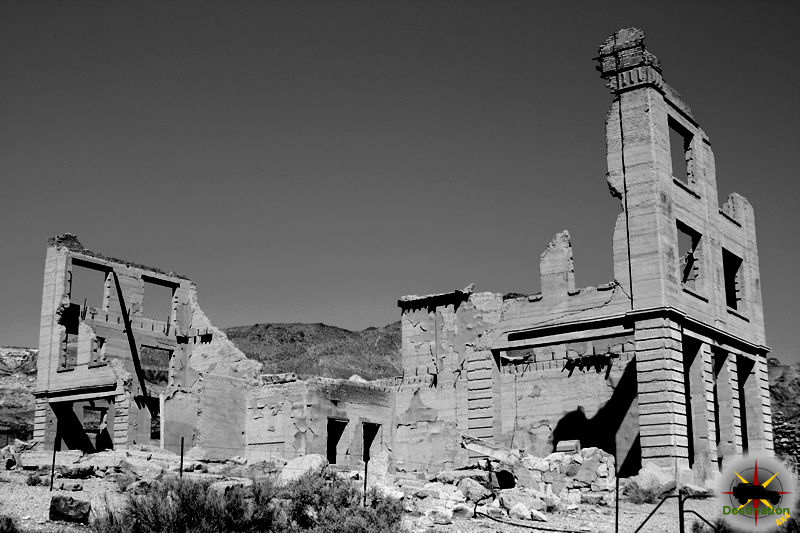

Rhinehart Petrasch of Phoenix, Arizona, is best known for prospecting and ranching, and was said to have spent considerable time searching for the Lost Dutchman Mine. He had an influential figure in the development and history of the mining industry in the Southwestern United States during the late 19th and early 20th centuries. His life and work contributed significantly to the economic growth of the region.
Rhinehart Petrasch was born on March 14, 1859, in Germany. His family immigrated to the United States when he was a young boy, settling in the Midwest before eventually moving to the Western territories. The promise of wealth and opportunity in the mining boom attracted the family westward, where Rhinehart and his siblings would make a significant impact.
Petrasch initially worked in various mining camps across the West, gaining valuable experience and knowledge in mining operations. He became well-known for his skills as a prospector and his ability to locate valuable mineral deposits. His reputation grew, leading him to settle in Phoenix, Arizona, where he played a crucial role in the development of several key mining projects.
One of his most notable achievements was his involvement in the discovery and development of the Lost Dutchman’s Gold Mine. The mine became legendary, not only for its purported riches but also for the mystery and lore that surrounded it. Although the exact details of Petrasch’s involvement remain somewhat shrouded in myth, his contributions to the mining community and local economy are well-documented.
Beyond his mining ventures, Rhinehart Petrasch was an active member of the Phoenix community. He invested in local businesses, supported infrastructure development, and was involved in various civic activities. His efforts helped shape the economic landscape of Phoenix and contributed to its growth as a burgeoning city in the American Southwest.
Rhinehart Petrasch’s legacy is remembered in Arizona history as a pioneer of the mining industry. His work exemplified the rugged determination and entrepreneurial spirit that characterized the West during the mining boom. Although much of his life is intertwined with the myths and legends of the Old West, his tangible contributions to the development of Phoenix and the surrounding areas remain a testament to his impact.
Rhinehart Petrasch married his long-time partner, Emma, with whom he had three children. The family was known for their involvement in the local community, and Petrasch’s descendants continued to play active roles in Arizona’s development well into the 20th century.
Rhinehart Petrasch passed away on January 5, 1923, leaving behind a legacy of exploration, hard work, and community involvement. His story is a fascinating chapter in the rich history of Arizona and the American West.
References

Yosemite Creek Campground, tucked away in the Yosemite High Country at 7,700 feet elevation, is a primitive, tent-only campground in Yosemite National Park, offering 75 single-family sites and two group sites. Accessible via a challenging 5-mile, single-lane dirt road off Tioga Road (Highway 120), it operates seasonally from approximately July to early September, with reservations required through Recreation.gov. Surrounded by granite boulders and ponderosa pines, with Yosemite Creek meandering through, this remote campground provides a serene escape from the crowds of Yosemite Valley. Its isolation and lack of amenities like potable water or flush toilets make it ideal for adventurers seeking solitude, though it requires careful preparation. This review details its setting, amenities, accessibility, and overall experience, complemented by a description of the Yosemite High Country.
The Yosemite High Country, encompassing areas along Tioga Road and Tuolumne Meadows, is a subalpine wonderland at elevations of 8,000–10,000 feet, contrasting sharply with the lower, busier Yosemite Valley. This region features expansive meadows, granite domes, and crystal-clear lakes framed by rugged Sierra Nevada peaks. Tuolumne Meadows, the heart of the High Country, is a vast subalpine meadow dotted with wildflowers in summer, flanked by iconic formations like Lembert Dome and Cathedral Peak. Lakes like Tenaya and Tioga offer serene spots for swimming, canoeing, or simply soaking in the scenery, while the Tuolumne River winds through, reflecting the high peaks.
The High Country’s cooler climate (daytime highs of 60–80°F, dropping to 30–50°F at night) and thinner air create a distinct environment, with crisp, clean air and unparalleled stargazing due to minimal light pollution. Wildlife thrives here, including marmots, pikas, Clark’s nutcrackers, and occasional black bears, with the rare bighorn sheep spotted in higher elevations. Trails like the John Muir Trail, Lyell Canyon, and North Dome offer breathtaking hikes with panoramic views of the Sierra Nevada and distant glimpses of Half Dome and Yosemite Valley. The region’s remoteness—about 1.5 hours from the valley—ensures fewer crowds, though Tioga Road closes from November to May or June due to snow, limiting access. The High Country embodies the wild, untouched essence of Yosemite, perfect for those craving solitude and alpine beauty.
Yosemite Creek Campground is located off Tioga Road, about 26 miles west of Tuolumne Meadows and 32 miles (roughly one hour) north of Yosemite Valley. From Lee Vining, take Highway 120 west through the Tioga Pass entrance, continuing 30 miles to the campground’s entrance on the left. From Yosemite Valley, follow signs for Highway 120/Manteca to Crane Flat, then turn right onto Tioga Road for 14 miles to the entrance on the right. The 5-mile access road is a narrow, steep, rutted dirt track with hairpin turns, unsuitable for RVs, trailers, or low-clearance vehicles. “The road was a bumpy adventure—sedans beware!” noted a camper (Hipcamp, 2025).
The campground has no cell service or public phones, requiring campers to bring a screenshot or printed reservation confirmation. Check-in is at the entrance kiosk, and sites must appear occupied (e.g., with a chair) to avoid cancellation. The campground lacks designated wheelchair-accessible sites, and the uneven terrain and vault toilets limit accessibility. Sites 47 and 49 are noted as relatively accessible, but the dirt road and primitive facilities pose challenges for those with mobility issues. A free shuttle from Tuolumne Meadows or Crane Flat connects to Yosemite Valley, though it’s a 45–60-minute drive to valley amenities.
Each campsite includes a picnic table, fire ring with grill, and a bear-proof food storage locker (45”W x 33”D x 18”H, with some larger at group sites). Vault toilets are available, but there is no potable water; Yosemite Creek, which flows through the campground, must be filtered, boiled, or treated before drinking, and it may dry up by late summer. “Bring at least a gallon of water per person per day,” advised a camper (The Dyrt, 2016). No showers, laundry, or hook-ups are available, and the nearest store is at Crane Flat (14 miles away) or Tuolumne Meadows (26 miles). Trash and recycling collection are provided, but campers must pack out what they pack in due to the remote setting.
The campground is spread across a forested area of ponderosa pines and granite boulders, with Yosemite Creek winding through, creating a peaceful, rustic ambiance. Sites are tent-only, with no RV or trailer access due to the dirt road and small site sizes (up to 20 feet for vehicles). Many sites are near the creek, offering soothing water sounds and shallow wading spots, though some deeper swimming holes exist. “Near the back, you can climb giant rocks across the creek—perfect for kids!” shared a reviewer (Hipcamp, 2025). Privacy varies; some sites are well-spaced with tree cover, while others are closer together, especially near the creek. Group sites accommodate up to 30 people with six food lockers. The lack of crowds compared to valley campgrounds enhances the sense of seclusion.
Yosemite Creek is exclusively for tent camping, with no RVs or trailers permitted due to the narrow access road and site constraints. Each site allows up to six people and two vehicles, which must fit within the site’s paved or cleared area. Group sites support larger parties but are similarly limited to tents. Firewood is available at Crane Flat, and campfires are allowed unless fire restrictions are in place (check NPS.gov for updates). The campground’s primitive nature appeals to those comfortable with minimal amenities and self-sufficient camping.
Reservations are required from July to early September, available up to five months in advance on Recreation.gov, opening on the 15th of each month at 7:00 AM PST. Sites cost $24–$36 per night, with group sites at $50. No first-come, first-served sites are available, and the campground is highly sought after due to its remoteness. “Book at 7 AM sharp or check cancellations daily,” recommended a camper (The Dyrt, 2016). The campground closes from September to June due to snow and Tioga Road closures. A park entrance fee ($35 per vehicle, valid for 7 days) is separate from camping fees. Day-use reservations are required to enter Yosemite from June 15 to August 15, 2025, between 6 AM and 2 PM.
Yosemite Creek Campground is a gateway to High Country adventures. The nearby Yosemite Creek Trail (3.6 miles out-and-back, moderately challenging) leads to scenic views of the creek and connects to longer hikes like North Dome or Eagle Peak, offering valley overlooks. Tuolumne Meadows, 26 miles away, provides access to trails like Lyell Canyon and Cathedral Lakes, plus swimming and canoeing at Tenaya Lake. Glacier Point, a 45-minute drive, offers stunning views of Half Dome and Yosemite Valley. The campground’s proximity to Tioga Road allows for scenic drives to Olmsted Point or Tioga Pass. In Yosemite Valley (1 hour away), visitors can explore trails like the Mist Trail, raft the Merced River (seasonal), or visit the Yosemite Valley Visitor Center and museum. Ranger-led programs, including stargazing and nature walks, are available at Tuolumne Meadows or Crane Flat.
The High Country hosts diverse wildlife, including black bears, marmots, pikas, and birds like Clark’s nutcrackers. Bear-proof lockers are mandatory for all food, toiletries, and scented items, as bears frequently visit. “I’ve seen bears meander through—use the bear boxes!” warned a camper (Tripadvisor, 2023). Rangers enforce compliance with citations. Trash must be disposed of in bear-proof dumpsters, and recycling supports the park’s zero-landfill initiative. The 7,700-foot elevation may cause altitude issues, and weather varies from warm days (60–80°F) to chilly nights (30–50°F). Monsoon thunderstorms are possible in July and August, as one camper experienced during a flash flood: “We barely crossed the bridge before the creek surged!” (Tripadvisor, 2023). Bring rain gear, warm layers, and a water filter, as creek water is unreliable by late summer.
Yosemite Creek Campground is a hidden gem for those seeking a primitive, secluded camping experience in the Yosemite High Country. Its serene setting along Yosemite Creek, surrounded by pines and granite, offers a stark contrast to the bustling Yosemite Valley, with easy access to High Country trails and vistas. The challenging dirt road, lack of potable water, and vault toilets deter casual campers, but for those prepared for rugged conditions, it’s a rewarding retreat. “This place is gorgeous—my favorite mountain getaway,” summed up a camper (Hipcamp, 2025). With careful planning—early reservations, a high-clearance vehicle, and bear safety diligence—Yosemite Creek Campground delivers an unforgettable immersion in the High Country’s alpine splendor.
Sources: Recreation.gov, NPS.gov, The Dyrt, Tripadvisor, Hipcamp, CampsitePhotos.com, Yosemite.com, ParkRangerJohn.com, Reddit
Iris Meadow Campground, nestled in the Inyo National Forest near Rock Creek and Tom’s Place, California, is a charming high-altitude campground at approximately 8,300 feet elevation. Located in the scenic Rock Creek Canyon of the Eastern Sierra Nevada, this 14-site campground sits along Rock Creek, surrounded by Jeffrey pines, aspens, and vibrant meadows dotted with wildflowers, including the namesake iris. Positioned about 4.5 miles west of Tom’s Place and a half-mile before Big Meadow Campground, Iris Meadow offers a serene, rustic retreat with excellent access to trout fishing, hiking, and other outdoor activities in the nearby John Muir Wilderness. Its proximity to Rock Creek Lake and Tom’s Place makes it an ideal base for campers seeking a peaceful escape amidst the stunning landscapes of the Eastern Sierra.

Iris Meadow Campground features 14 single-family campsites, all available on a first-come, first-served basis with no reservations accepted. The sites are well-suited for tents and small RVs or trailers up to 30 feet, though the narrow dirt parking spurs and access roads are not ideal for larger vehicles. Each campsite includes a picnic table, a fire ring with grill, and a bear-proof food storage locker (typical size: 48″ x 30″ x 36″), essential due to active black bear activity in the area. Amenities include potable water and a vault toilet, which is generally clean but may occasionally require maintenance. The campsites are spread across a forested area of Jeffrey pines and aspens, with some located near Rock Creek for a soothing water backdrop and others set in open meadow areas offering scenic views of wildflowers and surrounding peaks. The cost is $35 per night for a single site, with an additional $10 per night for extra vehicles. Holders of America the Beautiful Senior or Access Passes receive a 50% discount on single-site fees. Quiet hours are enforced from 10:00 PM to 6:00 AM, with a maximum stay of 7 days.
Iris Meadow Campground provides easy access to a variety of outdoor activities in the Rock Creek area:
Located at 8,300 feet in Rock Creek Canyon, Iris Meadow Campground is surrounded by a lush forest of Jeffrey pines and aspens, which turn brilliant gold in the fall, creating a striking contrast against the granite peaks. The nearby meadow, after which the campground is named, bursts with wildflowers in summer, including purple iris, paintbrush, and lupine, adding vibrant color to the landscape. Rock Creek runs parallel to the campground, its clear, boulder-lined waters providing a tranquil soundscape. The surrounding Eastern Sierra Nevada features steep granite cliffs and towering peaks, offering breathtaking views. Summer daytime temperatures typically range from the 60s to 80s°F, with nights dropping to the 30s or 40s°F due to the high elevation. Visitors should be prepared for strong UV exposure and potential altitude sickness, as acclimatization may take a day or two.
To reach Iris Meadow Campground, take US Highway 395 to Tom’s Place, approximately 23 miles north of Bishop or 10 miles south of Mammoth Lakes. Turn west onto Rock Creek Lake Road and drive about 4.5 miles; the campground is on the right, just before Big Meadow Campground. The road is paved but narrows as it climbs, and the campground’s dirt parking areas require careful navigation for larger vehicles. The campground operates seasonally, typically from early June to late September (June 6 to September 28, 2025, weather permitting), with exact dates subject to snow conditions. For updates, contact the White Mountain Ranger District at (760) 873-2500. Cell service is unreliable, with most carriers reporting no reception, enhancing the campground’s remote, off-the-grid atmosphere.
Rock Creek Lakes Resort, approximately 4.5 miles up the road, offers a general store, a café serving breakfast and lunch, and cabin rentals, providing convenient access to supplies and meals. Tom’s Place, 4.5 miles down the road, features a rustic lodge with a market, café, and bar for additional provisions. Nearby campgrounds, such as Big Meadow (0.5 miles away), Upper Pine Grove, Lower Pine Grove, East Fork, and Rock Creek Lake, offer alternative camping options if Iris Meadow is full.
Campers praise Iris Meadow Campground for its quiet, scenic setting and proximity to Rock Creek and hiking trails. Reviews highlight the beauty of the meadow’s wildflowers, the relaxing sound of the creek, and the well-spaced sites, with one camper noting, “Iris Meadow is a hidden gem with a perfect mix of forest and open meadow views.” The lack of cell service is often appreciated for fostering a true escape, though some mention the challenge of securing a site due to the small size and first-come, first-served policy. The nearby Rock Creek Lakes Resort is frequently cited as a convenient perk for supplies or meals, though some campers note occasional maintenance issues with the vault toilet.
Iris Meadow Campground is a delightful, small-scale retreat in the heart of Rock Creek Canyon, offering a perfect blend of rustic camping and access to the Eastern Sierra’s breathtaking landscapes. With its creekside and meadow-adjacent sites, vibrant wildflower displays, and proximity to world-class fishing and hiking in the John Muir Wilderness, it’s an ideal destination for tent campers and small RV users seeking solitude and adventure. Whether fishing in Rock Creek, hiking to alpine lakes, or stargazing under a pristine Sierra sky, Iris Meadow Campground delivers an unforgettable outdoor experience in one of California’s most scenic regions.
Peter D. Berry (1856–1932) was a pivotal figure in the early history of Grand Canyon tourism and exploration, instrumental in developing the Bright Angel Trail, one of the most iconic hiking routes in Grand Canyon National Park. A prospector, trailblazer, and entrepreneur, Berry’s efforts in the late 19th and early 20th centuries helped transform the rugged South Rim into a gateway for adventurers and tourists. His work on the Bright Angel Trail, alongside partners Ralph and Niles Cameron, opened the canyon’s depths to miners and visitors alike, laying the foundation for its modern status as a premier hiking destination. This article explores Berry’s life, his contributions to the trail, and the historical context of his endeavors, drawing on primary and secondary sources to paint a vivid picture of his legacy.
Born in 1856, likely in Colorado, Peter D. Berry’s early years were shaped by the restless spirit of the American frontier. Little is documented about his childhood, but by the 1880s, he had settled in Flagstaff, Arizona, a burgeoning hub for prospectors and pioneers. Married to May Henderson, Berry’s domestic life was strained by his frequent prospecting trips, which often left his wife alone for weeks or months. Supported by Flagstaff’s first settler, Thomas F. McMillan, Berry joined forces with brothers Ralph and Niles Cameron, Edwin Gale, and Robert Ferguson to explore the Grand Canyon for mineral wealth in 1888. Their search culminated in a significant discovery in April 1890: a rich vein of copper on Horseshoe Mesa, which became the Last Chance Mine, the Grand Canyon’s most successful copper strike.
To access this claim, Berry and his partners needed reliable routes into the canyon. The Havasupai people had long used a path along the Bright Angel Fault to reach Indian Garden, a fertile oasis watered by Garden Creek, for seasonal farming. This ancient trail, marked by pictographs and petroglyphs depicting hunts and directions, provided a natural starting point. Recognizing its potential, Berry, Ralph, and Niles Cameron began improving the trail in 1890, widening it and extending it toward the Colorado River to facilitate mining operations. Their efforts cost approximately $500, a significant investment for the time, and laid the groundwork for what would become the Bright Angel Trail.
In February 1891, Berry registered the improved trail with Yavapai County as the “Bright Angel Toll Road,” though it was often called “Cameron’s Trail” due to Ralph Cameron’s later control. The trail’s name, Bright Angel, is steeped in legend. One story, attributed to canyon pioneer John Hance, claimed it was named for a beautiful woman who frequented the trail and mysteriously vanished, dubbed the “Bright Angel.” Another tale suggested a Catholic priest, starving and dehydrated, named the trail after reaching Bright Angel Creek on the North Rim. While these stories add folklore to the trail’s history, its practical purpose was clear: to provide access to mining claims and, later, to capitalize on growing tourism.
Berry’s engineering skills were crucial in shaping both the Bright Angel and Grandview Trails. The Bright Angel Trail followed the Bright Angel Fault, a geological break that allowed a navigable descent through the canyon’s formidable layers, including the 300-foot Coconino sandstone and 500-foot Redwall Limestone cliffs. The trail stretched approximately 9.5 miles from the South Rim (6,850 feet elevation) to the Colorado River (2,460 feet), with an average grade of 10%. Key features included switchbacks, later dubbed “Jacob’s Ladder” and “Devil’s Corkscrew,” which navigated steep descents through Kaibab Limestone and Vishnu Schist, the canyon’s oldest rock at nearly 2 billion years old. Berry’s improvements made the trail suitable for pack animals and miners, with stone and timber reinforcements that remain visible today, testifying to his craftsmanship.

In 1891, Berry transferred control of the Bright Angel Trail to Ralph Cameron in exchange for ownership of the Grandview Trail, which accessed the Last Chance Mine on Horseshoe Mesa. This exchange reflected Berry’s focus on mining and his strategic decision to prioritize Grandview, where he would later establish a thriving tourist enterprise. Cameron, however, saw greater potential in tourism, especially with the Atchison, Topeka and Santa Fe Railway nearing the South Rim. In 1901, the railroad reached Grand Canyon Village, terminating near the Bright Angel Trailhead, dramatically increasing its value. Cameron began charging a $1 toll (equivalent to about $35 in 2025) to access the trail, plus fees for water and outhouses at Indian Garden, capitalizing on the influx of visitors.
While Cameron controlled the Bright Angel Trail, Berry focused on Grandview, 15 miles east of the trailhead. In 1897, Berry, now divorced from May Henderson, married Martha J. Thompson, a housekeeper at his Grandview Hotel. Opened that year, the Grandview Hotel became the first lodge at the Grand Canyon, offering comfortable rooms and tent cabins for tourists. Berry’s enterprise provided stage transportation to the railhead at Anita, carriage rides along the rim, and guided tours below the rim with seasoned guides and sure-footed mules. The 1900 U.S. Census listed Berry, age 42, as a hotel proprietor, underscoring his shift from mining to tourism.
The Grandview Hotel thrived until the railroad’s arrival in 1901 diverted tourist traffic to Bright Angel Camp, rendering Grandview less accessible. Berry adapted by securing county permission to repair the Flagstaff-Grand Canyon Road, promoting five-hour stage drives to Grandview. He continued managing the hotel, which served as a hub for early canyon tourism, until 1916, when it closed due to declining business. The hotel’s logs were later repurposed for the Desert View Watchtower, dedicated in 1932, preserving a piece of Berry’s legacy.
The Bright Angel Trail’s growing popularity sparked fierce competition and legal disputes. In 1896, James Thurber built the Bright Angel Hotel at the trailhead, followed by Buckey O’Neill’s adjacent camp. Martin Buggeln acquired the hotel in 1901, aligning it with the railroad’s arrival, but Ralph Cameron’s control of the trail led to conflicts. As chairman of the Coconino County Board of Supervisors (1905–1907), Cameron leveraged political influence to pass a 1906 law extending toll road developers’ control, securing the trail for himself despite a vetoed bill and a lucrative offer from the Santa Fe Railway. The Kolb brothers, Ellsworth and Emery, further capitalized on the trail’s traffic by establishing a photography studio in 1902, selling souvenir photos of mule riders.
The National Park Service (NPS), established in 1916, sought to bring the trail under federal control. Arizona Congressman Carl Hayden, a key advocate for Grand Canyon National Park (created in 1919), pushed for the government to acquire the Bright Angel Toll Road. Cameron resisted, using his influence as a U.S. Senator (1921–1927) to maintain control until 1928, when the NPS finally assumed ownership, eliminating tolls and making the trail freely accessible. Berry, meanwhile, had surrendered his legal claim in 1906, focusing instead on Grandview.
Peter D. Berry’s contributions to the Grand Canyon were profound yet understated. His work on the Bright Angel and Grandview Trails made the canyon’s depths accessible, enabling mining, tourism, and scientific exploration. The Bright Angel Trail, now a well-maintained corridor trail with resthouses, water stations (May–October), and connections to Havasupai Gardens and Phantom Ranch, remains the park’s most popular hiking route. Its cultural significance is tied to the Havasupai, who were forcibly displaced by 1928, and whose legacy is honored by the 2022 renaming of Indian Garden to Havasupai Gardens.
Despite his impact, Berry’s name is absent from canyon landmarks, an oversight noted by historians. His trails, particularly the Bright Angel, facilitated early tourism and inspired later developments, such as the NPS’s South Kaibab Trail (1924) and Hermit Trail (1911), built to bypass Cameron’s tolls. Berry’s Grandview Hotel set a precedent for canyon hospitality, influencing later establishments like the Bright Angel Lodge, designed by Mary Colter in 1935.
Berry spent nearly half a century at the Grand Canyon, living his final years with Martha at the Coconino Basin Ranch near Desert View after the death of his son Ralph in the 1919 Spanish influenza epidemic. He died in 1932, leaving a legacy etched in the trails he built and the tourists he welcomed. His work transformed the Grand Canyon from a remote frontier into a global destination, ensuring that generations could experience its geological and cultural wonders.

Dr. George Emory Goodfellow (1855–1910) was a renowned physician and surgeon in Tombstone, Arizona, during its 1880s silver-mining boom. Known as the “Gunfighter’s Surgeon,” he settled in Tombstone in 1880, practicing above the Crystal Palace Saloon. A pioneer in trauma surgery, he became the nation’s leading expert on gunshot wounds, performing the first documented laparotomy for abdominal injuries, using sterile techniques like lye soap or whiskey, and developing spinal anesthesia. He treated lawmen and outlaws alike, including victims of the Gunfight at the O.K. Corral aftermath, and served as county coroner, conducting autopsies like Morgan Earp’s in 1882. Goodfellow observed silk’s bullet-resistant properties, influencing later body armor development, though he held no patents. A civic leader, he co-founded local societies, studied Gila monster venom, and mapped an 1887 earthquake rupture. His work in Tombstone (1880–1891) solidified his legacy as a pioneering trauma surgeon and key figure in the town’s history.
George Emory Goodfellow was born on December 23, 1855, in Downieville, California, a gold-mining town in the Sierra Nevada. His father, Milton J. Goodfellow, was a mining engineer, and his mother was Amanda Ann Baskin. At age 12, George was sent to Pennsylvania for schooling, later attending the California Military Academy in Oakland. In 1872, at 17, he enrolled at the U.S. Naval Academy in Annapolis, where he became the school’s boxing champion. However, his naval career ended abruptly after he assaulted John Henry Conyers, the academy’s first Black cadet, in a hazing incident, leading to his dismissal in December 1872 amid a national scandal.
Undeterred, Goodfellow pursued medicine, studying under his cousin, a physician, and enrolling at the Wooster University School of Medicine (now the College of Wooster) in Ohio. He graduated with honors in 1876. That same year, he married Katherine Colt, cousin of Samuel Colt, the revolver manufacturer whose .45-caliber firearms would later contribute to Goodfellow’s surgical expertise.
Goodfellow briefly practiced medicine in Oakland, California, before his restlessness led him to Arizona Territory. In 1876, he served as an acting assistant surgeon at Fort Whipple in Prescott, where his father worked for a mining company. He later became a contract surgeon at Fort Lowell near Tucson in 1879 and briefly at Fort Bowie in 1880, though he likely did not participate in Apache campaigns. On September 15, 1880, Goodfellow canceled his Army contract and relocated to Tombstone, Arizona Territory, a silver-mining boomtown founded in 1879 with a population exceeding 2,000.
Tombstone, known as “The Town Too Tough to Die,” was a volatile frontier town teeming with miners, outlaws, and lawmen, including Wyatt Earp, Doc Holliday, and the Cochise County Cowboys. Goodfellow opened his medical practice above the Crystal Palace Saloon, one of the West’s most luxurious establishments, strategically placing him in the heart of the action. Only four of the town’s 12 doctors, including Goodfellow, held medical diplomas, earning him a reputation as a skilled and scientific physician in a region where improvisation often defined medical care.
During the infamous Gunfight at the O.K. Corral, Virgil Earp, serving as Deputy U.S. Marshal and Tombstone City Marshal, was shot through the calf. Dr. Goodfellow, a skilled surgeon known as the “Gunshot Physician,” provided immediate medical care to Virgil. The sources do not provide specific details about the treatment process for this particular wound, but Goodfellow’s general approach to gunshot wounds emphasized sterile techniques, which were innovative for the time. He often cleaned wounds with lye soap or whiskey to prevent infection, a practice that set him apart from many contemporary physicians. Given the nature of a calf wound, Goodfellow likely cleaned and dressed the injury, ensuring it was stabilized to promote healing and prevent complications such as infection. His treatment was successful, as Virgil survived and continued his duties, though he likely experienced lingering effects from the injury.

Two months later, on the night of December 28, 1881, Virgil was ambushed by three men hiding in an unfinished building across Allen Street from the Cosmopolitan Hotel. He was hit in the back and left arm with three loads of double-barreled buckshot from about 60 feet. The injuries were severe, resulting in a longitudinal fracture of the humerus and damage to the elbow, with approximately 20 buckshot pellets lodged near his hip bone and above the groin. Dr. Goodfellow treated Virgil at the Cosmopolitan Hotel, using the medical tools in his bag and additional supplies fetched from the local hospital by George Parsons and another individual.
Goodfellow advised amputation of Virgil’s left arm due to the extent of the damage, but Virgil refused. Instead, Goodfellow performed a complex surgery under challenging conditions, removing more than 3–4 inches (76–100 mm) of shattered humerus bone. The procedure was unable to fully repair the longitudinal fracture or the elbow, leaving Virgil’s arm permanently crippled. Additionally, Goodfellow extracted the buckshot pellets embedded in Virgil’s back and hip area, addressing the risk of infection and further complications. His use of sterile techniques, such as cleaning wounds with lye soap or whiskey, likely played a critical role in preventing sepsis, a common cause of death in such injuries at the time. Despite the permanent disability, Goodfellow’s intervention saved Virgil’s life and preserved his arm, allowing him to later serve as a marshal in Colton, California, using his good arm to handle a gun.
Goodfellow became the nation’s foremost expert on gunshot wounds, earning the moniker “Gunfighter’s Surgeon.” Tombstone’s frequent violence provided ample opportunity to hone his skills. He treated both lawmen and outlaws, including members of the notorious Cowboys like Curly Bill Brocius. His pioneering work included:
As county coroner, Goodfellow conducted autopsies, including Morgan Earp’s after his 1882 assassination. His report detailed the bullet’s path through the left kidney, spinal column, and great vessels, causing fatal hemorrhage. His dark humor was evident in reports, such as describing a corpse as “rich in lead, but too badly punctured to hold whiskey” or ruling a lynching victim’s death as due to “emphysema of the lungs” caused by strangulation.
Goodfellow’s practice extended beyond gunshot wounds. During the June 1881 Tombstone fire, he reconstructed George W. Parsons’ nose, deformed by falling wood, using a wire framework, refusing payment for the service.
He was a civic leader, co-founding the Tombstone Club, a reading society, and the Tombstone Scientific Society. He invested in the Huachuca Water Company, which built a 23-mile pipeline to Tombstone. His naturalist pursuits included studying Gila monster venom, debunking myths about its lethality by surviving a self-induced bite in 1891, and publishing findings in Scientific American.
In 1886, Goodfellow joined the pursuit of Geronimo after the Apache leader’s escape from the San Carlos Reservation, later befriending him and winning a $20 bet by testing Geronimo’s silent arrow-shooting technique. In 1887, he led a relief effort to Bavispe, Sonora, after a devastating earthquake, earning the title “El Santo Doctor” and a horse from Mexican President Porfirio Díaz. With photographer Camillus S. Fly, he mapped the earthquake’s surface rupture, publishing the first such map in North America in Science.
In 1891, Goodfellow moved to Tucson after his friend Dr. John C. Handy was fatally shot, taking over Handy’s practice and becoming chief surgeon for the Southern Pacific Railroad. He performed Arizona’s first appendectomy that year. His wife, Katherine, died in 1891, leaving him with their daughter, Edith (born 1879); their son, George Milton, died in 1882. Goodfellow remarried Mary Elizabeth before March 1906.
In 1898, he served as a civilian surgeon in the Spanish-American War, leveraging his Spanish fluency to negotiate a peace settlement in Cuba, earning a Distinguished Service Order. After the war, he practiced in San Francisco, becoming a leading physician. In 1910, while working as chief surgeon for the Southern Pacific Railroad in Mexico, he contracted multiple neuritis, likely from overwork or exposure, and died in Los Angeles on December 7, 1910, at age 54.
Dr. George E. Goodfellow’s 11 years in Tombstone (1880–1891) cemented his reputation as a pioneering trauma surgeon and scientist. His innovations in laparotomy, sterile techniques, prostatectomy, and spinal anesthesia were decades ahead of their time, earning him recognition as the first civilian trauma surgeon. His work on silk’s bullet resistance foreshadowed modern body armor. The University of Arizona School of Medicine honors him with the George E. Goodfellow Society. Despite personal flaws—hard drinking, womanizing, and a pugnacious temperament—Goodfellow’s contributions to medicine and Tombstone’s history remain legendary.
Sources: