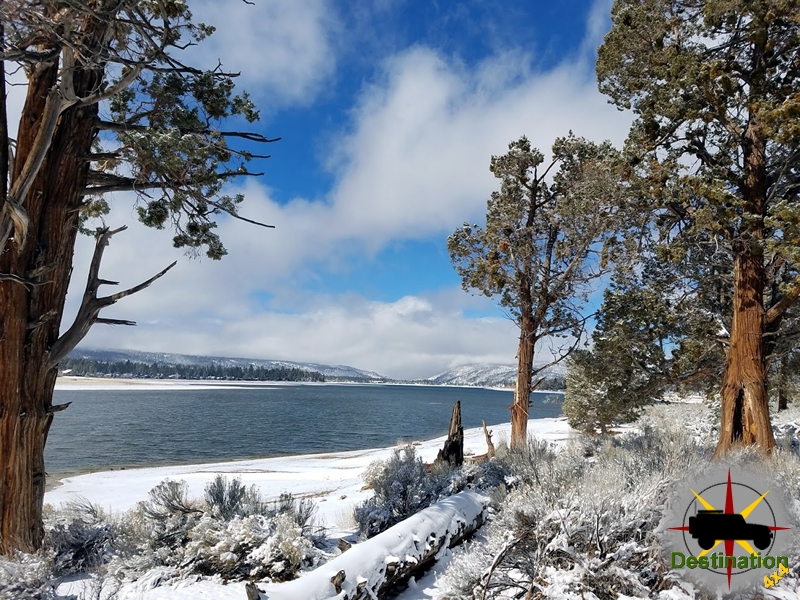
Big Bear, CA
I quiet mountain community full of back country adventure.
The Journey is the destination
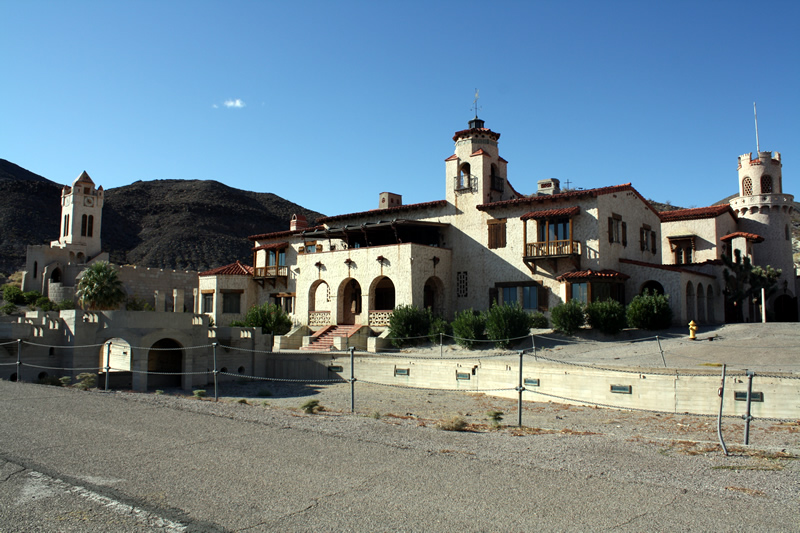
The Nevada Governors Mansion stands as a symbol of the state’s rich history and political heritage. Nestled in the heart of Carson City, the capital of Nevada, this stately residence embodies elegance and grandeur, reflecting the architectural styles prevalent during its construction in the late 19th century.

Built in 1909, the mansion serves as the official residence of the Governor of Nevada and their family. Its design blends elements of Neoclassical and Colonial Revival architecture, featuring a grand façade characterized by towering columns, a prominent portico, and intricate detailing that exudes timeless sophistication.
Upon entering the mansion, visitors are greeted by a majestic foyer adorned with ornate chandeliers, polished marble floors, and rich wood paneling, all contributing to an atmosphere of opulence and refinement. The interior spaces boast a harmonious blend of historic charm and modern comforts, with beautifully appointed rooms furnished with period pieces and exquisite artwork.
Throughout its illustrious history, the Nevada Governor’s Mansion has hosted countless dignitaries, state functions, and ceremonial events, playing a pivotal role in the governance and cultural life of the state. Its manicured grounds, encompassing lush gardens and scenic pathways, offer a serene retreat amidst the bustling cityscape, providing a picturesque backdrop for official gatherings and private receptions alike.
Beyond its architectural significance, the mansion holds a special place in the hearts of Nevadans, serving as a tangible link to the state’s past and a beacon of civic pride. Whether as a symbol of executive authority, a venue for diplomatic engagements, or a cherished historic landmark, the Nevada Governor’s Mansion stands as a testament to the enduring legacy of leadership and stewardship in the Silver State.
Reno architect George A. Ferris designed this neoclassical mansion, which cost $22,700. It is the only home ever built for Nevada’s highest elected official. In July 1909, acting Governor Denver Dickerson and his wife Una became the first residents of the mansion. Two months later, June Dickerson was born here.
From 1909 to 1999, sixteen families have occupied the mansion. In 2000, first lady Dema Guinn began a revitalization of the grounds. Private funds supported many of the improvements, including this fence extension donated by Steel Engineers, Inc., Las Vegas and Blue Mountain Steel, Inc., Carson City.
NEVADA HISTORICAL MARKER No. 259
GOVERNOR AND MRS. KENNY C. GUINN
DENVER S. DICKERSON
STATE HISTORIC PRESERVATION OFFICE
| Name | The Governors Mansion |
| Location | 606 Mountain St Carson City, Nevada |
| Latitude, Longitude | 39.1674, -119.7730 |
| Nevada State Historic Marker | 259 |
Nevada State Historical Markers identify significant places of interest in Nevada’s history. The Nevada State Legislature started the program in 1967 to bring the state’s heritage to the public’s attention with on-site markers. These roadside markers bring attention to the places, people, and events that make up Nevada’s heritage. They are as diverse as the counties they are located within and range from the typical mining boom and bust town to the largest and most accessible petroglyph sites in Northern Nevada Budget cuts to the program caused the program to become dormant in 2009. Many of the markers are lost or damaged.
Governor Emmet Derby Boyle (1879-1926), the first native-born governor of Nevada, serving from 1915-1923. He is honored with Nevada State Historic Marker number 265.

Boyle was born on July 26, 1879, in Gold Hill, Nevada. After graduating the University of Nevada in 1889 he worked as a mining engineer. Emmet Boyle is elected to the governors office at the young age of thirty-five. As such, he is the youngest elected to the office, the first elected born in Nevada, and the first graduate from the University of Nevada. As governor and a strong supporter of women’s rights, Boyle called the Nevada Legislature into special session in 1920 to ratify the 19th amendment to the United States Constitution granting women the right to vote.
Eight grave sites to the north rests Emmet Derby Boyle (1879-1926), the first native-born governor of Nevada, serving from 1915-1923. Born in Goldhill, Boyle was also the first graduate of the University of Nevada to become governor. At thirty-five, he was the youngest person to hold the state’s highest office.
Governor Emmet Boyle worked on Nevada’s water laws and introduced the state’s first executive budget. A strong supporter of women’s rights, Boyle called the Nevada Legislature into special session in 1920 to ratify the 19th amendment to the United States Constitution granting women the right to vote.
Emmet Boyle died on January 3, 1926 and is buried next to his wife Vida McClure Boyle who he married in 1903.
NEVADA STATE HISTORICAL MARKER No. 265
NEVADA STATE HISTORIC PRESERVATION OFFICE
CHRIS DRIGGS, NEVADA STATE LIBRARY AND ARCHIVES
TOM SWART, HISTORY ADVOCATE
RENO LODGE, NO. 13 F. & A.M.
| Name | Governor Emmet Derby Boyle |
| Location | Washoe County, Nevada |
| Latitude, Longitude | 39.5253, -119.8449 |
| Nevada State Historic Marker | 265 |
Nevada State Historical Markers identify significant places of interest in Nevada’s history. The Nevada State Legislature started the program in 1967 to bring the state’s heritage to the public’s attention with on-site markers. These roadside markers bring attention to the places, people, and events that make up Nevada’s heritage. They are as diverse as the counties they are located within and range from the typical mining boom and bust town to the largest and most accessible petroglyph sites in Northern Nevada Budget cuts to the program caused the program to become dormant in 2009. Many of the markers are lost or damaged.
Frederic Joseph DeLongchamps ( June 2, 1882 – February 11, 1969 ) was Nevada’s premier architect during his life, and honored as the subject of Nevada State Historic Marker 245.
![Frederick Joseph DeLongchamps - June 2, 1882 – February 11, 1969 - [UNRS-P1989-09-115] Special Collections and University Archives Department, University of Nevada, Reno](https://i0.wp.com/www.destination4x4.com/wp-content/uploads/2024/03/Frederic-Joseph-Delonchant.jpg?resize=800%2C1121&ssl=1)
Born on February 2, 1882, in Nevada City, California, Frederick Joseph DeLongchamps would emerge as one of the most influential architects in the history of Nevada. His remarkable career spanned decades and left an indelible mark on the architectural landscape of the American West.
Frederick DeLongchamps was the son of French immigrant parents who settled in California during the Gold Rush era. Raised in a family with a deep appreciation for art and culture, young Frederick exhibited a keen interest in architecture from an early age. He pursued his passion by studying architectural drafting and design, eventually enrolling in the prestigious Ecole des Beaux-Arts in Paris, France, where he honed his skills under the guidance of renowned architects.
Upon returning to the United States, DeLongchamps settled in Nevada, where he would establish himself as a preeminent architect. His early projects showcased a mastery of diverse architectural styles, ranging from Beaux-Arts to Spanish Revival, reflecting his eclectic sensibilities and adaptability.
DeLongchamps’ career reached new heights in the early 20th century when he was commissioned to design several iconic buildings that would come to define the architectural identity of Nevada. Among his most notable works is the Nevada State Capitol in Carson City, a majestic edifice that blends classical design elements with modern functionality. Completed in 1915, the Capitol remains a testament to DeLongchamps’ vision and skill.
In addition to the Capitol, DeLongchamps left his mark on numerous other landmarks across Nevada, including courthouses, schools, and commercial buildings. His portfolio includes the Riverside Hotel in Reno, the Washoe County Courthouse, and the historic Reno Arch, an enduring symbol of the city’s vibrant spirit.
Frederick Joseph DeLongchamps’ contributions to the architectural heritage of Nevada are immeasurable. His designs not only captured the essence of their time but also laid the groundwork for future generations of architects. DeLongchamps’ legacy extends beyond his architectural achievements; he was also a passionate advocate for historic preservation and urban planning.
Throughout his career, DeLongchamps remained committed to his craft, embracing innovation while preserving the rich cultural heritage of the American West. His legacy continues to inspire architects and enthusiasts alike, reminding us of the transformative power of architecture to shape communities and evoke a sense of place.
Frederick Joseph DeLongchamps passed away on February 20, 1969, leaving behind a legacy that endures through the timeless beauty of his architectural creations. Today, his buildings stand as monuments to his vision and serve as a lasting tribute to his enduring influence on the architectural landscape of Nevada.
Frederic Joseph DeLongchamps was Nevada’s foremost architect of his time. Statewide, he was prolific in the number of buildings he designed. From this point, one can see a group of structures that stand, collectively, as a monument to DeLongchamps: the United State Post Office, the Riverside Hotel, the Washoe County Courthouse and the Reno National Bank Building. The Northern Chapter of the American Institute of Architects, dedicated to excellence in architecture, honors the memory of Frederic Joseph DeLongchamps
.
STATE HISTORICAL MARKER No. 245
DIVISION OF HISTORIC PRESERVATION & ARCHEOLOGY
NORTHERN CHAPTER: AMERICAN INSTITUTE OF ARCHITECTS
| Name | Frederic Joseph DeLongchamps |
| Location | Carson City, Nevada |
| Latitude, Longitude | 39.5251, -119.8124 |
| Nevada State Historic Marker | 245 |
Nevada State Historical Markers identify significant places of interest in Nevada’s history. The Nevada State Legislature started the program in 1967 to bring the state’s heritage to the public’s attention with on-site markers. These roadside markers bring attention to the places, people, and events that make up Nevada’s heritage. They are as diverse as the counties they are located within and range from the typical mining boom and bust town to the largest and most accessible petroglyph sites in Northern Nevada Budget cuts to the program caused the program to become dormant in 2009. Many of the markers are lost or damaged.
The Corbet – Fitzsimmons fight is the first heavy weight fight in Nevada and the Nevada State Historic Marker 243. The bout took place in Carson City, Nevada on March 17, 1897

On the brisk evening of March 17, 1897, the bustling city of Carson City, Nevada, played host to one of the most monumental events in boxing history—the showdown between James J. Corbett and Bob Fitzsimmons. This historic bout not only captivated the imagination of spectators but also marked a pivotal moment in the evolution of pugilism.
At the turn of the 20th century, boxing was rapidly gaining popularity in America, with its epicenter pulsating through cities like New York and San Francisco. However, it was in the dusty arena of Carson City that the sport would witness a spectacle that would reverberate through the annals of time.
James J. Corbett, known as “Gentleman Jim,” was the reigning heavyweight champion, boasting an agile, scientific style that contrasted sharply with the brawling tactics of his predecessors. His opponent, Bob Fitzsimmons, hailed from England and was renowned for his raw power and formidable punching prowess.
The lead-up to the fight was filled with anticipation and fervor. Newspapers across the country buzzed with speculation and analysis, with pundits and fans alike debating the potential outcome. Corbett, with his finesse and footwork, was seen as the favorite, but Fitzsimmons’ devastating knockout power cast a shadow of doubt over the proceedings.
As the fighters stepped into the ring amidst a sea of eager onlookers, the atmosphere crackled with electricity. The stakes were high—the heavyweight championship of the world hung in the balance.
From the opening bell, it was evident that the clash would be a battle of contrasting styles. Corbett danced around the ring, utilizing his superior footwork to evade Fitzsimmons’ thunderous blows. In contrast, Fitzsimmons pursued relentlessly, seeking to land the decisive blow that would crown him champion.
The turning point came in the 14th round, a moment etched in the annals of boxing lore. Fitzsimmons, his face bloodied and bruised, unleashed a ferocious blow that found its mark—sending Corbett crashing to the canvas in a stunning display of power and precision.
The crowd erupted into a frenzy as Fitzsimmons was declared the victor by knockout, etching his name into the annals of boxing history as the new heavyweight champion of the world. The defeat marked the end of Corbett’s reign and signaled a shift in the paradigm of heavyweight boxing.
The Corbett-Fitzsimmons bout transcended the confines of the boxing ring, symbolizing the clash between old and new, brawn and finesse. It remains a testament to the timeless allure of pugilism, where skill, strategy, and sheer determination converge in moments of sublime athleticism.
In the decades that followed, boxing would continue to evolve, producing champions and legends who would leave an indelible mark on the sport. Yet, the spirit of the Corbett-Fitzsimmons bout endures as a reminder of the glory and drama that encapsulate the sweet science of boxing.
Corbett-Fitzsimmons Fight
On March 17, 1897, at an arena located on this site, Carson City played host to Nevada’s first world championship prizefight, a fourteen-round thriller in which the reigning heavyweight titlist, James J. “Gentleman Jim” Corbett, was dethroned by Robert Fitzsimmons. The Nevada Legislature had only recently legalized prizefighting and the match became the object of scathing criticism from the press and pulpit of other states, but fight fans by the thousands came in.
Promoter Dan Stuart put on a clean show and demonstrated that boxing need not be brutal or crooked. Other states were soon to liberalize their own prizefight laws and the sport began to assume a degree of respectability it had not enjoyed in the past. In later years, Nevada was to be the scene of several other world championship fights.
Nevada Historical Marker 243
Corbett-Fitzsimmons Fight
Carson City
| Name | Corbett-Fitzsimmons Fight |
| Location | Carson City, Nevada |
| Latitude, Longitude | 39.1642, -119.7599 |
| Nevada State Historic Marker | 243 |
Nevada State Historical Markers identify significant places of interest in Nevada’s history. The Nevada State Legislature started the program in 1967 to bring the state’s heritage to the public’s attention with on-site markers. These roadside markers bring attention to the places, people, and events that make up Nevada’s heritage. They are as diverse as the counties they are located within and range from the typical mining boom and bust town to the largest and most accessible petroglyph sites in Northern Nevada Budget cuts to the program caused the program to become dormant in 2009. Many of the markers are lost or damaged.
Nevada State Historic Marker 243 is located at the intersection of East Musser and North Harbin Streets in Carson City, Nevada.
The Virginia and Truckee Railway, affectionately known as the V&T, holds a storied history deeply intertwined with the development of the American West in the 19th century. Established in Virginia City, Nevada, in 1869, the railway quickly became a vital link between the bustling mining communities of Virginia City, Gold Hill, and Carson City, facilitating the transportation of silver and gold ore to processing facilities and connecting these remote towns to the broader economy. Initially built to serve the booming Comstock Lode mining operations, the V&T Railway later expanded its operations to cater to passenger traffic and freight transport, playing a pivotal role in the economic growth of Nevada.

Throughout its existence, the Virginia and Truckee Railway experienced both triumphs and challenges. It weathered the economic downturns of the late 19th and early 20th centuries, adapted to changing transportation needs, and even survived a devastating fire in 1875 that destroyed much of its infrastructure. Despite facing competition from emerging modes of transportation such as automobiles and trucks, the V&T managed to remain operational until 1950 when declining profits led to its closure. However, spurred by nostalgia and historical significance, efforts to preserve and restore sections of the V&T began in the latter part of the 20th century. Today, the Virginia and Truckee Railway operates as a heritage railroad, offering scenic rides through the picturesque landscapes of Nevada, preserving the legacy of one of the West’s most iconic railways.
The Virginia & Truckee Railroad was built between 1868 and 1872 to connect the mining and milling communities of the Comstock to the Central Pacific Railroad that ran through Reno.
The line first connected Virginia City to Carson City in 1869, but work to run the railroad north moved quickly. Soon after Chinese laborers graded this section during the summer of 1871, track gangs commenced laying rail south, reaching Steamboat Springs by late October. Nine months later, Superintendent Henry M. Yerington drove the last spike a mile west of Carson City on August 24, 1872, connecting Virginia City with Reno by rail. Although regularly scheduled passenger service didn’t begin until October 1, the first through train traversed the 52 mile route on September 1, 1872 – the last passed by here on May 31, 1950.
STATE HISTORICAL MARKER NO. 248
STATE HISTORIC PRESERVATION OFFICE
CITY OF RENO
Nevada State Historic Marker 248 was located at the intersection of South Center and East Taylor Streets, Reno, Nevada.
| Name | Virginia and Truckee Railroad Right-of-Way |
| Location | Washoe County, Nevada |
| Latitude, Longitude | 39.5163, -119.8064 |
| Nevada State Historic Marker | 248 |
Nevada State Historical Markers identify significant places of interest in Nevada’s history. The Nevada State Legislature started the program in 1967 to bring the state’s heritage to the public’s attention with on-site markers. These roadside markers bring attention to the places, people, and events that make up Nevada’s heritage. They are as diverse as the counties they are located within and range from the typical mining boom and bust town to the largest and most accessible petroglyph sites in Northern Nevada Budget cuts to the program caused the program to become dormant in 2009. Many of the markers are lost or damaged.