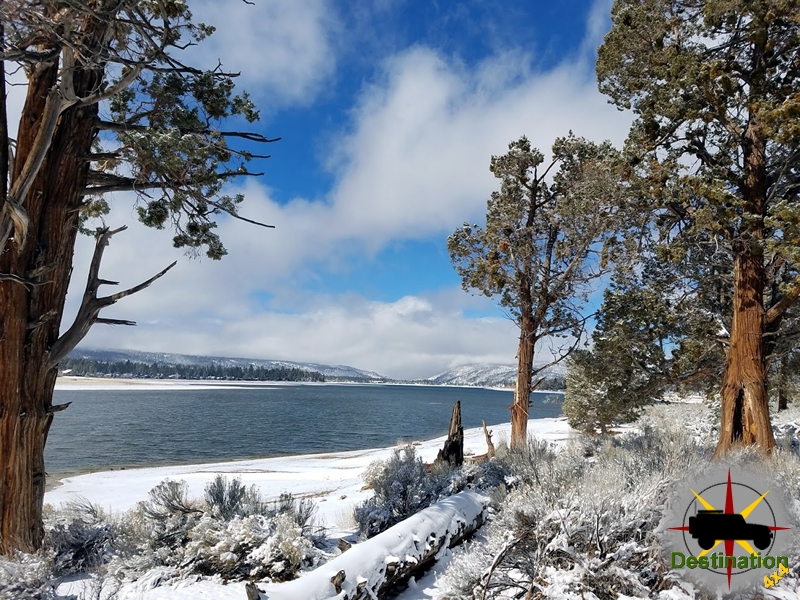
Big Bear, CA
I quiet mountain community full of back country adventure.
The Journey is the destination
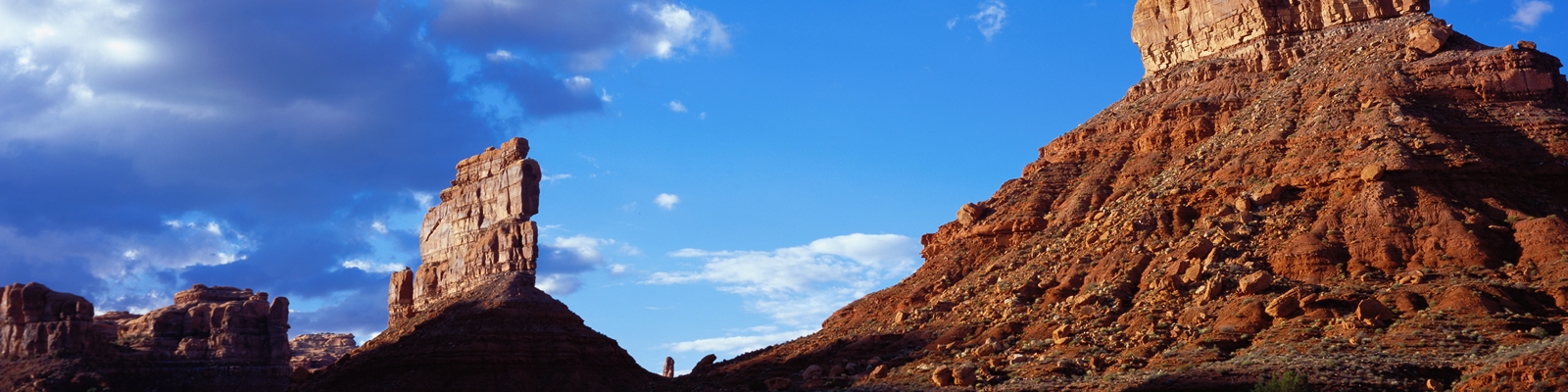
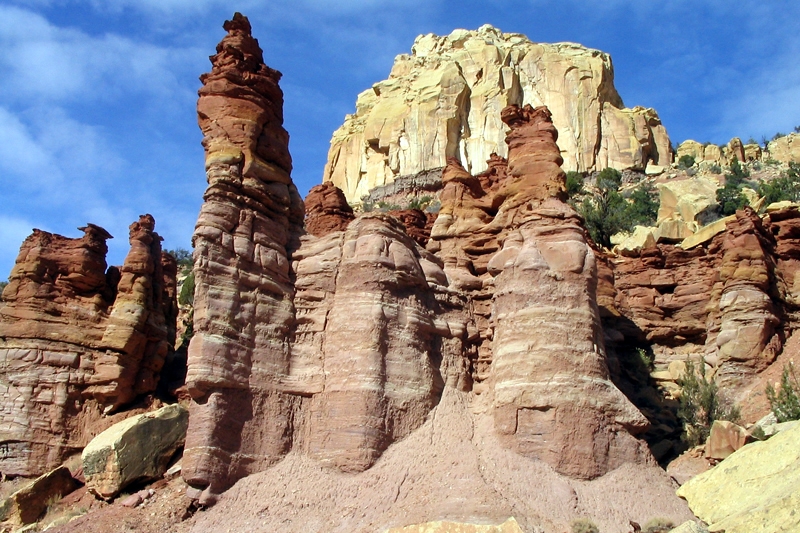
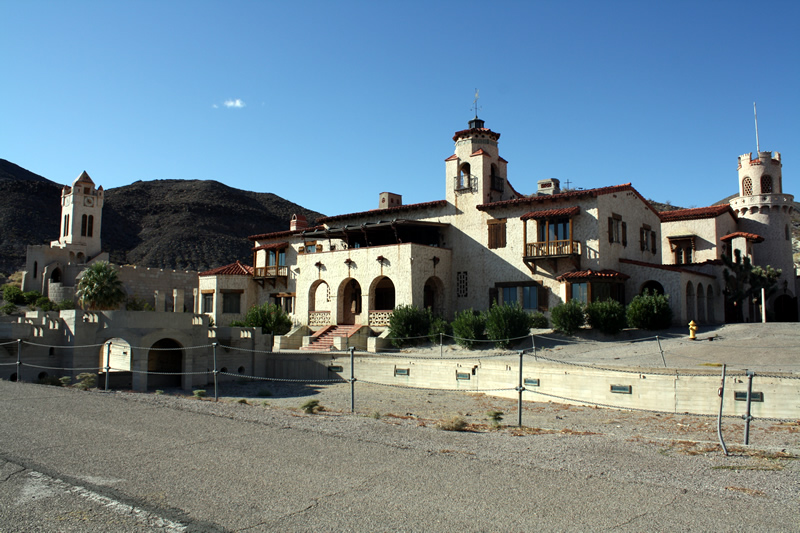
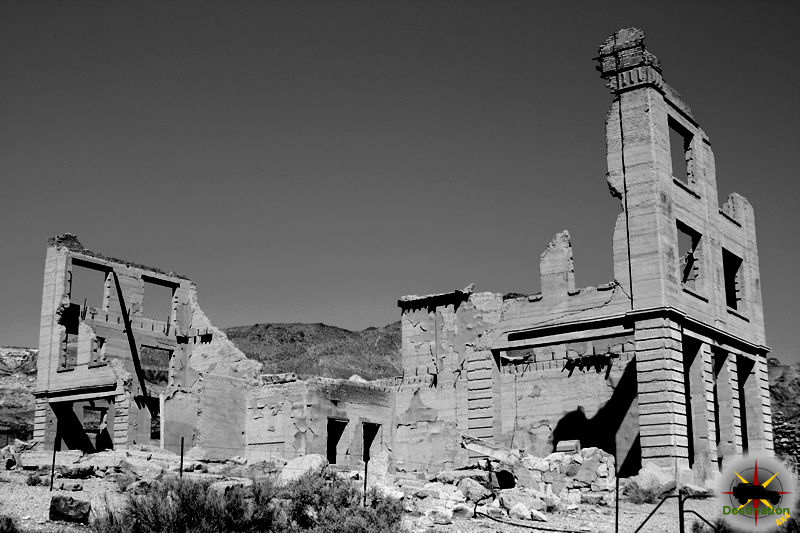
Millville, Arizona, is a ghost town in Cochise County, located along the San Pedro River, approximately nine miles southwest of Tombstone. Established in the late 1870s during the Arizona Territory’s silver mining boom, Millville served as a milling hub for processing silver ore from Tombstone’s mines. Closely tied to the nearby town of Charleston, Millville’s history reflects the rapid rise and fall of mining communities in the American West. This report explores Millville’s origins, economic significance, social dynamics, decline, and current status, drawing on historical accounts and archaeological insights.

Millville emerged in 1878 following Ed Schieffelin’s discovery of silver in the Tombstone area. Schieffelin, along with his brother Al and partner Richard Gird, recognized the need for a milling operation to process the raw silver ore into bullion. The San Pedro River’s water supply made it an ideal location, as water was essential for ore refinement, unlike the water-scarce Tombstone. Gird selected a site on the east bank of the San Pedro River, where two stamp mills—the Gird Mill and the Corbin Mill—were constructed to crush and process ore. Millville was formally established as the industrial heart of the region, with Charleston, on the west bank, serving as the residential and commercial settlement for mill workers and their families.
The town’s layout was functional, centered around the milling operations. By May 1879, Millville had a post office, though it closed less than a year later on May 3, 1880, as Charleston became the primary residential hub. The mills relied on surface water corralled by Gird’s dam, which powered six mills at peak production, operating day and night from Millville to Contention City.
Millville’s economy was driven by its role in silver processing. At its peak between April 1881 and April 1882, the mills produced $1,380,336.97 in bullion, a staggering amount for the time, equivalent to tens of millions in today’s dollars. The Gird Mill alone processed 15 to 20 tons of ore daily, with mule teams hauling 40,000 to 50,000 pounds of ore from Tombstone. This output fueled the regional economy, attracting workers, merchants, and opportunists to the San Pedro Valley.
The mills’ success depended on infrastructure like Gird’s dam, which controlled water flow from the San Pedro River. However, the dam sparked controversies with local ranchers, who contested the mills’ water usage. Floods occasionally breached the dam, causing disruptions, such as in 1881 when a man nearly drowned crossing the swollen river. Despite these challenges, Millville’s mills were a cornerstone of the Tombstone silver boom, processing ore that enriched investors and sustained the region’s growth.
Millville’s social fabric was shaped by its industrial focus and proximity to Charleston, which had a rowdier reputation. Millville itself was strictly controlled by Richard Gird, who prohibited alcohol to maintain order among workers, a contrast to Charleston’s liberal leasing laws and saloons. The mills were dangerous workplaces, with accounts of violent incidents, such as a worker allegedly killing another and disposing of the body in a furnace.
Charleston, home to about 400 residents at its peak, housed mill workers and their families, as well as notorious figures like Frank Stilwell, a saloon owner and deputy sheriff suspected of murdering Morgan Earp, and the Clanton Gang, whose ranch was five miles south. Despite Charleston’s reputation as “tougher and livelier than Tombstone,” fueled by Eastern newspapers, the Tombstone Epitaph in May 1882 described it as “well regulated and free from turmoil.” Millville, by contrast, was quieter, focused on industry rather than social life. No successful robberies of silver or payroll were recorded, though a failed attempt in Millville on March 25, 1882, resulted in the murder of mining engineer M. R. Peel.
The region’s cultural landscape was enriched by pre-Columbian petroglyphs near the river, which attracted visitors and added historical depth. Informational signs along trails today highlight this heritage, connecting Millville’s brief existence to the area’s longer human history.
Millville’s decline began in 1886 when Tombstone’s silver mines flooded, halting ore production. The discovery of water beneath Tombstone allowed milling to shift closer to the mines, reducing the need for Millville’s riverside operations. A miners’ strike in 1885–1886 and the 1887 earthquake further weakened the region’s economy. By 1889, both Millville and Charleston were largely abandoned, earning their status as ghost towns. Small-scale smelting continued in Millville until 1892, and ore dumps were revisited after 1900 with improved technology, but the town never recovered.
Charleston’s infrastructure was dismantled by Mexican residents who used materials for firewood, while Millville’s stone embankments and adobe foundations eroded. The Arizona and Southeastern Railroad’s construction altered local drainage, further threatening the sites’ preservation. By the early 20th century, Millville was a relic, its mills reduced to crumbling ruins.
Today, Millville is part of the San Pedro Riparian National Conservation Area, managed by the Bureau of Land Management (BLM). The site is accessible via a 1.8-mile loop trail, the Millville Historic Townsite and Rock Art Discovery Trail, which features interpretive signs about the area’s history and petroglyphs. The trail, rated as easy, takes about 38 minutes to complete and offers views of the San Pedro River, ghost town ruins, and natural features. Visitors report informative signage but note the lack of shade and occasional hazards like rattlesnakes.
The BLM and organizations like the Friends of the San Pedro River work to preserve the sites, though no official signage marks Millville along Charleston Road. The ruins consist of stone walls, adobe foundations, and remnants of the Gird and Corbin Mills, visible from the trail. The nearby Clanton Ranch, Fairbanks ghost town, and Presidio Santa Cruz de Terranate add to the region’s historical attractions.
Millville, Arizona, encapsulates the fleeting prosperity of the Wild West’s mining boom. From its founding in 1878 to its abandonment by 1889, the town played a critical role in processing Tombstone’s silver, driving economic growth in the San Pedro Valley. Its industrial focus, contrasted with Charleston’s lively social scene, highlights the diverse dynamics of frontier life. Though reduced to ruins, Millville’s legacy endures through preserved trails and historical narratives, offering a glimpse into Arizona’s rugged past. The San Pedro Riparian National Conservation Area ensures that Millville’s story, alongside its natural and cultural surroundings, remains accessible to future generations.
| Name | Millville, Arizona |
| Location | Cochise County, Arizona |
| Latitude, Longitude | 31.6350, -110.1737 |
| Elevation | 1216 meters / 3990 feet |
| GNIS | |
| Post Office | May 26, 1879 – May 3, 1880 |
Millville is located about 9 miles southwest of Tombstone, Arizona. Charleston and Millville are not accessible by car and can only be reached by hiking up the San Pedro River. The Bureau of Land Management has begun maintaining trails to and from the area.

William Brocius, better known as “Curly Bill” Brocius, was a notorious outlaw of the American Old Old West, born around 1845, though some sources suggest 1840 or 1858. His birthplace remains uncertain, with speculation pointing to Crawfordsville, Indiana, Texas, or Missouri. His birth name is equally elusive, with possible names including William Graham, William Bresnaham, or William Brosius. Some accounts suggest he was born William Graham in Indiana, where he reportedly worked as a struggling farmer with a wife and three children—Jacob, Lizzie, and Ellie—before the Civil War. According to family lore, Brocius accepted $500 to serve as a substitute for a wealthy man drafted into the Union Army, leaving his family behind. After the war, he did not return home, possibly spending time in the South before resurfacing in the Arizona Territory by the late 1870s.
Brocius’s criminal career began to take shape in the late 1870s. He may have been linked to William “Curly Bill” Bresnaham, who, along with Robert “Dutch” Martin, was convicted of an attempted robbery of an Army wagon in Texas in 1878. The pair was sentenced to five years in Huntsville prison but escaped, possibly fleeing to the Arizona Territory. Brocius was also associated with the Jesse Evans gang in New Mexico during the Lincoln County War, a conflict that involved Billy the Kid. By 1878, Brocius had settled in Arizona, initially delivering cattle to the San Carlos Reservation before gravitating to the boomtown of Tombstone.
Tombstone, Arizona, was a wild, silver-rich town in the late 1870s, described as the “toughest town on earth.” Brocius, a heavy-set man over six feet tall with dark curly hair, dark eyes, and a reputation for unpredictability, quickly became a central figure in the Cochise County Cowboys, a loose-knit gang of rustlers and outlaws led by the Clanton family. Known for his quick draw and trick shooting—able to hit running jackrabbits or shoot quarters from volunteers’ fingers—Brocius was both feared and charismatic. His “Jekyll-and-Hyde” personality made him a volatile leader, respected by the likes of “Old Man” Clanton and his sons, particularly the reckless Billy Clanton.
Brocius’s criminal activities included cattle rustling, stagecoach robbery, and murder. After Old Man Clanton’s death in an ambush in 1881, Brocius assumed leadership of the Cowboys, which grew to over 400 members and became the largest rustling operation in American history, operating across Arizona, New Mexico, and Mexico. His most infamous act was the Skeleton Canyon Massacre in July 1881, where he and his gang ambushed a Mexican trail herd, killed six vaqueros, and reportedly tortured and murdered others, netting over $75,000 in loot. This massacre, which left bleached bones scattered in the canyon, drew the ire of President James Garfield, who demanded the gang’s dissolution.
Brocius’s notoriety peaked on October 27, 1880, when he shot Tombstone’s first marshal, Fred White, during a chaotic night of gunfire on Allen Street. The Clanton gang, including Brocius, was recklessly shooting up the town. When White confronted Brocius near the Birdcage Theater and attempted to disarm him, Brocius’s .45 discharged, fatally wounding White in the abdomen. Wyatt Earp, then a deputy sheriff, pistol-whipped and arrested Brocius. White, before dying two days later, testified that he believed the shooting was accidental, a claim supported by Wyatt Earp and a demonstration that Brocius’s pistol could fire from half-cock. Brocius was acquitted in November 1880, but the incident fueled his enmity with the Earp family, marking the start of the Earp-Cowboy feud.
Brocius’s vendetta against the Earps intensified after the Gunfight at the O.K. Corral in October 1881, where Billy Clanton and the McLaury brothers were killed. Brocius was absent during the gunfight, possibly recovering from a gunshot wound to the face sustained earlier that year. He was implicated in the ambush of Virgil Earp in December 1881 and the assassination of Morgan Earp in March 1882, though evidence of his direct involvement is inconclusive. Some reports suggest he left Arizona in December 1881 to avoid a larceny charge, casting doubt on his presence during these events.
On March 24, 1882, Wyatt Earp claimed to have killed Brocius during a shootout at Iron Springs (now Mescal Springs) in the Whetstone Mountains. According to Earp, his posse stumbled upon Brocius and other Cowboys cooking a meal. In the ensuing gunfight, Earp shot Brocius in the chest with a shotgun, killing him instantly. However, no body was recovered, and Brocius’s grave has never been identified. Some accounts, including those from Cowboys’ associates, suggest his body was buried at Frank Patterson’s ranch near the Babocomari River. Others, including contemporary sources, argue Brocius had already left Arizona or fled to Mexico, and the lack of physical evidence fueled speculation that he survived. The Tombstone Nugget and Epitaph offered rewards of $1,000 and $2,000, respectively, for proof of his death, but no one claimed them.
Curly Bill Brocius remains an enigmatic figure, his true identity obscured by aliases and conflicting accounts. Described as crafty, conscienceless, and a born killer, he was both a feared outlaw and a charismatic leader. His supposed death at Wyatt Earp’s hands is one of the Old West’s enduring mysteries, with historians divided on whether he died in 1882 or returned to Texas, possibly living until 1909 as William Albert Brosius. His story has been immortalized in films like Tombstone (1993), where Powers Boothe portrayed him as a ruthless yet remorseful antagonist, and in books by historians like Steve Gatto, who dubbed him “Tombstone’s Most Famous Outlaw.” Brocius’s life encapsulates the lawlessness and violence of the Arizona Territory, leaving a legacy as one of the Wild West’s most infamous figures.
George “Brownie” Holmes (April 11, 1892 – April 11, 1980) was a notable figure in Arizona history, best known for his lifelong pursuit of the Lost Dutchman Mine, a legendary gold mine in the Superstition Mountains. Born in Phoenix, Arizona Territory, Holmes was deeply connected to the region’s pioneer heritage and spent over six decades searching for the elusive mine, following in the footsteps of his father, Richard J. “Dick” Holmes. This report explores Holmes’ life, his contributions to the lore of the Lost Dutchman Mine, and his lasting legacy.

George Brown Holmes was born on April 11, 1892, in Phoenix, Arizona Territory, just months after the death of Jacob Waltz, the prospector associated with the Lost Dutchman Mine. His nickname “Brownie” derived from his grandmother’s maiden name, Brown, as his father wanted him to carry both family names—Holmes and Brown. Holmes came from a pioneering Arizona family. His grandfather, Richard J. Holmes Sr., arrived in Arizona in 1847, when it was still part of Mexico, and worked as a geologist and mineralogist, discovering gold at La Paz in 1853. His father, Dick Holmes, was a rancher and civilian packer for the U.S. Army, born in 1865 at Old Fort Whipple.
Holmes grew up immersed in Arizona’s rugged frontier culture. His father’s involvement in the search for the Lost Dutchman Mine, sparked by Waltz’s deathbed confession in 1891, profoundly influenced Brownie’s life. Dick Holmes claimed to have received a box of gold ore and directions to the mine from Waltz, setting the stage for Brownie’s lifelong quest.
Holmes led a varied career rooted in Arizona’s outdoor and ranch. He worked as a ranch hand for much of his life, notably for the Barkley family, and spent a decade with the Arizona Fish and Game Department as a packer and trapper. He also drove a stagecoach along the Apache Trail for Wes Hill, a role that connected him to the Superstition Mountains and its lore. A World War I veteran, Holmes served in what was then called the Great War, adding to his rugged persona.
Despite his adventurous life, Holmes was reserved about the Lost Dutchman Mine, avoiding interviews and public disputes. He relished anonymity, believing it allowed him to search for the mine without interference from other treasure hunters. His work as a cowboy and his time in the Superstition Mountains gave him intimate knowledge of the terrain, which he leveraged in his searches.
Holmes’ pursuit of the Lost Dutchman Mine began with his father’s legacy. Dick Holmes, present at Waltz’s deathbed in 1891, allegedly received gold ore and cryptic directions to the mine. After Dick’s death in 1930, Brownie continued the search, spending over 60 years exploring the Superstition Mountains. His belief in the mine’s existence was unwavering, rooted in his father’s accounts and physical evidence like gold ore samples.
Holmes was a significant oral historian of the Lost Dutchman legend, sharing stories with select individuals about key figures like Jacob Waltz, Julia Thomas, and the Petrasch brothers. However, he was cautious, often providing contradictory or vague information, possibly to protect the mine’s location. Some Dutchman hunters speculated that Holmes deliberately misled others to safeguard his search.
One of Holmes’ most controversial contributions is the Holmes Manuscript, a 41-page document allegedly authored by him around 1944 with the help of ghostwriter Charles Kenison. The manuscript includes a nine-page section titled The True Story of the Lost Dutchman of the Superstitions as Told to Me by My Father Dick Holmes, by Jacob Wolz on His Deathbed. It details Dick Holmes’ experience at Waltz’s deathbed and Brownie’s subsequent searches. However, Holmes denied writing it, though he admitted to providing much of the information.
The manuscript is contentious due to its embellishments (e.g., references to “tiny dwarf deer”), factual inaccuracies, and differing writing styles between sections. Some believe Holmes commissioned it to attract investors or partners, but abandoned the project after disagreements with Kenison. The manuscript resurfaced in the Arizona State Library archives in the 1970s and was later published in Dr. Thomas E. Glover’s book The Lost Dutchman Mine of Jacob Waltz, Part 2: The Holmes Manuscript. Despite its flaws, it remains a key historical document, offering insights into the early days of the Dutchman search.
In April 1969, Holmes provided a sworn affidavit detailing the provenance of a matchbox crafted from gold ore from Waltz’s mine. According to the affidavit, Dick Holmes sold Waltz’s gold to the Goldman Brothers Store in Phoenix in 1891. James “Jimmie” Douglas purchased the ore and had it made into a matchbox, which he gifted to Gus Hirschfeld for meritorious service. Hirschfeld later gave the matchbox to Holmes. The affidavit, notarized in Maricopa County, is considered significant evidence that Waltz possessed gold, supporting the mine’s existence. Additional jewelry, including cufflinks, a stud, a stickpin, and a ring, was also made from Waltz’s ore, with some pieces displayed at the Superstition Mountain Museum.

Holmes is linked to the 1931 disappearance and death of Adolph Ruth, a prospector searching for the Lost Dutchman Mine. In 1932, Holmes and his dog reportedly found Ruth’s skull on Black Top Mesa, which had bullet holes, fueling speculation of foul play. Some theories suggest Holmes may have been involved, though no evidence supports this. The Ruth case remains one of the darker chapters in the Dutchman saga, and Holmes’ discovery of the skull added to his mystique.
Holmes married Thelma Neff-Harwick and had one daughter, Georgia, for whom he had a ring made from Waltz’s gold ore. Tragically, Georgia died young. Holmes was well-liked, with hundreds attending his memorial. He died of heart failure on his 88th birthday, April 11, 1980, at his Phoenix home. Per his wishes, his ashes were scattered in the Superstition Mountains, forever tying him to the land he loved.
Holmes’ legacy endures through his contributions to the Lost Dutchman Mine legend. His stories, the Holmes Manuscript, and the matchbox affidavit provide tangible links to Arizona’s frontier past. While he never found the mine, his dedication inspired generations of treasure hunters. In a 1980 conversation with friend Clay Worst, Holmes reflected, “Clay, I don’t know if the Dutchman lied to my father or not, but I know my father never lied to me, and I know I never lied to you,” underscoring his belief in the mine and his integrity.
George “Brownie” Holmes was a quintessential Arizona pioneer whose life intertwined with one of the West’s greatest mysteries. His relentless search for the Lost Dutchman Mine, rooted in family legacy and personal conviction, made him a central figure in its lore. Through his oral histories, the Holmes Manuscript, and the matchbox affidavit, Holmes left an indelible mark on Arizona history. His story embodies the spirit of adventure, perseverance, and the enduring allure of the unknown.
Logan City, Nevada, also known as Logan, Logan Springs, or Logans Springs, is a ghost town located in the Mount Irish Range, approximately 9.5 miles west of Hiko and 2.5 miles south of Mount Irish Peak in Lincoln County. Established in 1865 following the discovery of silver, Logan City was a short-lived mining camp in the Pahranagat Mining District. Its brief existence, marked by a rapid boom and bust, reflects the volatile nature of Nevada’s 19th-century mining frontier. This report examines the origins, development, decline, and legacy of Logan City, drawing on historical records and archaeological findings.

The history of Logan City begins with the exploration of the Pahranagat Valley in the early 1860s. In the winter of 1863–1864, Mormon missionary William Hamblin, guided by a Southern Paiute tribesman, was shown silver ore in the region, referred to as “panagari” or “panacker” by the Native Americans. Hamblin returned in 1864 to establish claims, forming the Meadow Valley Mining District. In March 1865, a prospecting party led by John H. Ely, spurred by rumors of a “mountain of silver” near the Colorado River, ventured from Panaca. Guided by a Native American, they discovered a rich silver ledge on the eastern slope of Mount Irish, near a small water source named Logan Springs.
By June 1865, prospectors returned to the site, establishing a mining camp around Logan Springs, the only reliable water source in the arid region. The camp, initially thought to be in Utah Territory, was named Logan City or Logan Springs. The settlement grew quickly, with over 100 residents by late 1865, as prospectors staked more than 1,000 claims in the area.
Logan City’s population surged to around 300 by 1868, driven by the silver mining boom. The town’s growth was supported by the establishment of a post office on July 2, 1868, and the construction of a mill in nearby Hiko to process Logan City’s ore. The mill, a critical infrastructure investment, facilitated the extraction of silver, boosting the local economy. Foundations of Euro-American structures, including cabins and mining facilities, were recorded during archaeological surveys, indicating a substantial settlement.
The town’s early years were turbulent. In 1865, tensions with the Southern Paiute led to a brief expulsion of miners, though a group of 30 prospectors returned in October to resume operations. Archaeological evidence from 2013–2014 surveys by ASM Affiliates suggests that Native American structures, possibly wickiups, existed alongside Euro-American buildings, raising questions about whether Native Americans and miners coexisted at the site.
A notable event in 1866 underscored Logan City’s regional significance. Nevada Governor Henry G. Blasdel, traveling from Carson City to organize Lincoln County at Crystal Springs, faced severe hardships, including a lack of supplies in Death Valley. Blasdel and another man reached Logan City to secure provisions, saving their party. This incident highlights the town’s role as a critical supply point in the remote Pahranagat Valley.
Logan City’s prosperity was short-lived. By 1867, it became apparent that the silver veins lacked the depth for sustained mining operations. The discovery of richer deposits in Pioche in 1869 further accelerated the town’s decline, as miners abandoned Logan City for more promising prospects. The population dwindled, and the post office closed on August 1, 1871, marking the end of Logan City’s brief heyday. By the early 1870s, the town was largely abandoned, earning its status as a ghost town.
After its abandonment, Logan Springs remained a valuable resource for ranching. From 1889 to 1911, rancher Adin W. Geer used the springs to water livestock, and the site continued to support limited ranching activities into the 20th century. In the 1950s to 1970s, Tom and Della Schofield worked a small aluminum silicate deposit at the site, constructing a stone house using materials from the original townsite. This house, along with scattered foundations and ruins, remains the most prominent reminder of Logan City’s past.
Today, Logan City is part of the Mount Irish Archaeological District and the Basin and Range National Monument, accessible via Logan Canyon Road, a dirt road requiring high-clearance or four-wheel-drive vehicles. The site features remnants of the 1860s mining camp, including stone foundations and the Schofield house, as well as nearby petroglyphs from the Southern Paiute. The area’s scenic beauty, with juniper and pinyon pine forests, attracts hikers, off-road enthusiasts, and history buffs.
Logan City’s historical significance lies in its representation of Nevada’s boom-and-bust mining cycle and the complex interactions between Euro-American settlers and Native Americans. The 2015 excavation by ASM Affiliates, funded by the BLM’s Lincoln County Archaeological Initiative, provided insights into the settlement’s layout and cultural dynamics, though definitive evidence of Native American cohabitation remains inconclusive. The town’s proximity to the Extraterrestrial Highway and Area 51 adds a modern layer of intrigue, drawing tourists to the region.
Located in a Mid-latitude steppe climate (BSk), Logan City’s environment is characterized by cold winters and mild summers, with Logan Springs providing a rare water source in the arid Mount Irish Range. The surrounding Mount Irish Wilderness preserves Native American cultural sites, including petroglyphs, which highlight the area’s pre-European history. The Southern Paiute, who originally inhabited the region, faced displacement as miners and settlers arrived, a common pattern in Nevada’s mining districts.
Logan City, Nevada, encapsulates the fleeting optimism and harsh realities of Nevada’s silver mining era. From its founding in 1865 to its abandonment by 1871, the town’s rapid rise and fall reflect the speculative nature of 19th-century mining ventures. Its remnants, preserved within the Mount Irish Archaeological District, offer a glimpse into the lives of miners, ranchers, and Native Americans who shaped the region. As a ghost town, Logan City remains a compelling destination for those exploring Nevada’s rugged history and natural beauty.
| Town | Logan City |
| Location | Lincoln County, Nevada |
| Latitude, Longitude | 37.609722, -115.392778 |
| Elevaion | 6092 |
| Post Office | July 1867 – August 1871 |
| Population | 300 |
Hiko, Nevada, is a small, agrarian community located in the Pahranagat Valley of Lincoln County, along State Route 318. Known for its brief but vibrant history as a silver mining hub in the 1860s, Hiko has transitioned into a quiet farming and ranching area. Despite its small population and semi-ghost town status, Hiko’s historical significance lies in its early settlement, mining boom, and role as the first county seat of Lincoln County. This report explores Hiko’s origins, development, decline, and current state, drawing on historical records and accounts.

The first permanent settlement in Hiko was established in 1853, marking the beginning of European-American presence in the Pahranagat Valley. The area’s abundant water sources, including Hiko Springs and Crystal Springs, made it attractive for early settlers. The name “Hiko,” sometimes spelled “Hyko,” is derived from a Shoshone term meaning “white man” or “white man’s town,” reflecting the cultural interactions between Native Americans and settlers.
By 1865, prospectors, guided by local Native Americans, discovered silver in the Pahranagat Valley, sparking interest in the region. This discovery laid the foundation for Hiko’s growth as a mining camp, as word of the silver deposits spread to nearby towns like Austin, Nevada.
In the spring of 1866, William H. Raymond, a prominent entrepreneur, laid out the townsite of Hiko and purchased several of the 26 small silver mines in the Pahranagat Valley. Raymond’s vision was ambitious: he invested nearly $900,000 in infrastructure, including roads, dwellings, and a five-stamp mill to process Pahranagat ores. The mill, a significant feat of logistics, was shipped via the Colorado River to Callville and hauled 140 miles by oxen to Hiko, where it began operations in November 1866.
Hiko’s growth was rapid. By late 1866, the town attracted a few hundred residents, drawn by the promise of silver and the establishment of a post office on June 24, 1867. In March 1867, Hiko became the first county seat of Lincoln County, solidifying its regional importance. The town’s economy was bolstered by support industries, such as salt and lumber mining, and the availability of water from Hiko Springs, Crystal Springs, and Ash Spring, which supported both mining and agriculture.
However, Hiko’s prosperity was marred by lawlessness. The Pahranagat Valley was notorious for cattle rustling, horse theft, and gunfights, with violent incidents like the 1868 stabbing of Frank Pitt by Jake Colburn highlighting the rough-and-tumble nature of the mining camp.

Hiko’s fortunes began to wane in 1869 when Raymond’s enterprise failed, and the five-stamp mill was dismantled and moved to Bullionville in 1870. The decline in mining activity led to a population exodus, and Hiko’s status as county seat was revoked in February 1871, with Pioche taking its place. By this time, the town’s importance had significantly diminished, and it appeared on several ghost town lists despite retaining a small population.
A brief glimmer of hope emerged in the early 1880s when surveyor Jay Gould proposed extending the Eureka & Colorado Railroad through Hiko, potentially connecting San Francisco to Southern Utah. This prospect attracted artist Walter S. Long, who painted watercolor scenes of Hiko in 1879 and 1880. However, the railroad was never built, and Hiko’s revival never materialized.
After the mining boom, Hiko transitioned into a small agricultural community, sustained by its reliable water sources. The Hiko and Crystal Springs continued to irrigate farms and ranches, supporting a population of around 100–120 residents by the 21st century. The town’s post office, operational since 1867, closed on January 29, 2011, marking the end of a significant historical institution.
Today, Hiko is a census-designated place with a population of 123 as of July 1, 2024. Remnants of its mining past include a cemetery, mill ruins, and the J.F. Murphy Store, a red rock building from 1901 that once served as a general store. Hiko’s historical significance is recognized by Nevada State Historical Marker No. 206, dedicated in 1976. The town’s proximity to the Extraterrestrial Highway has also drawn attention from UFO enthusiasts, adding a modern cultural layer to its identity.
Hiko’s location in the Pahranagat Valley, with its Mid-latitude steppe climate (BSk), features mild springs and summers but cold winters. The valley’s water resources, including Hiko Springs, which flows for about 5 miles, have been critical to its agricultural endurance and support habitats in the nearby Key Pittman Wildlife Management Area. The area is also seismically active, with significant earthquake activity recorded in the region, though no major damage to Hiko has been noted.
Culturally, Hiko reflects the resilience of Nevada’s rural communities. Its history as a mining town and its current status as a farming enclave embody the state’s boom-and-bust cycles. The town’s sparse population, primarily white with a small Native American presence, and its lack of industrial activity underscore its quiet, rural character.
Hiko, Nevada, is a testament to the fleeting prosperity of Nevada’s silver mining era and the enduring adaptability of its rural communities. From its founding in 1853 and peak as Lincoln County’s seat in the late 1860s to its decline after 1871, Hiko’s history encapsulates the challenges and aspirations of the American West. Today, its remnants and historical markers offer a window into a bygone era, while its farms and ranches sustain a small but resilient population. Hiko’s story, though modest, is a vital chapter in Nevada’s rich historical tapestry.
As early as 1865, a camp was established here, and during the spring of 1866, W. H. Raymond and others laid out the townsite. The name Hiko is apparently based on a Shoshone term for “white man” or ‘white man’s town. Raymond purchased a five-stamp mill and had it shipped via the Colorado River to Callville and then hauled by oxen the 140 miles to this site. In November 1866, milling began on Pahranagat ores and soon after, Hiko became the first county seat of Lincoln County. In March 1867, Raymond spent nearly $900,000 developing the region before the enterprise failed. The mill was moved to Bullionville in 1870. Hiko consequently declined in population and importance, which accelerated following the removal of the county government to Pioche in February 1871.
STATE HISTORICAL MARKER NO. 206, STATE HISTORIC PRESERVATION OFFICE, NEVADA HISTORICAL SOCIETY
| Name | Hiko |
| Location | Lincoln County, Nevada |
| GNIS | 845862 |
| Latitude, Longitude | 37.5969036, -115.2241887 |
| Elevation | 3,869 feet (,179m) |
| Nevada Historical Marker | 206 |

