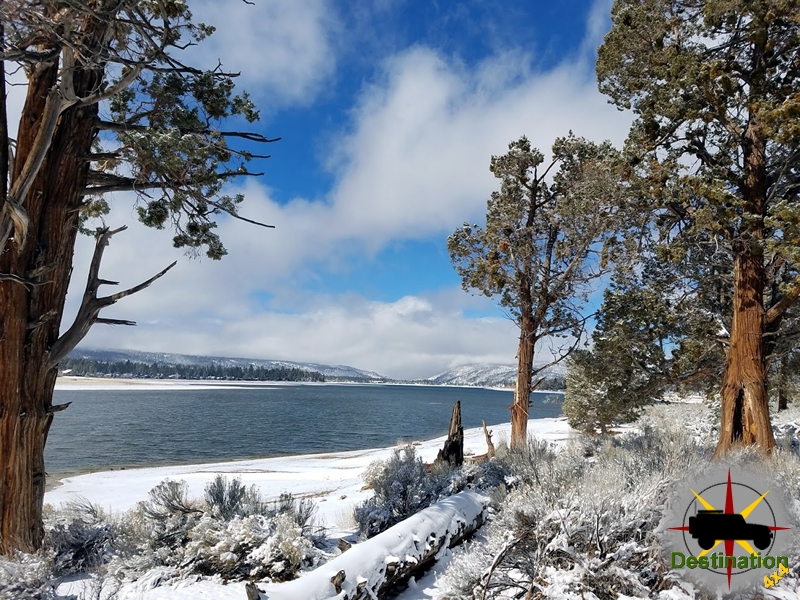
Big Bear, CA
I quiet mountain community full of back country adventure.
The Journey is the destination
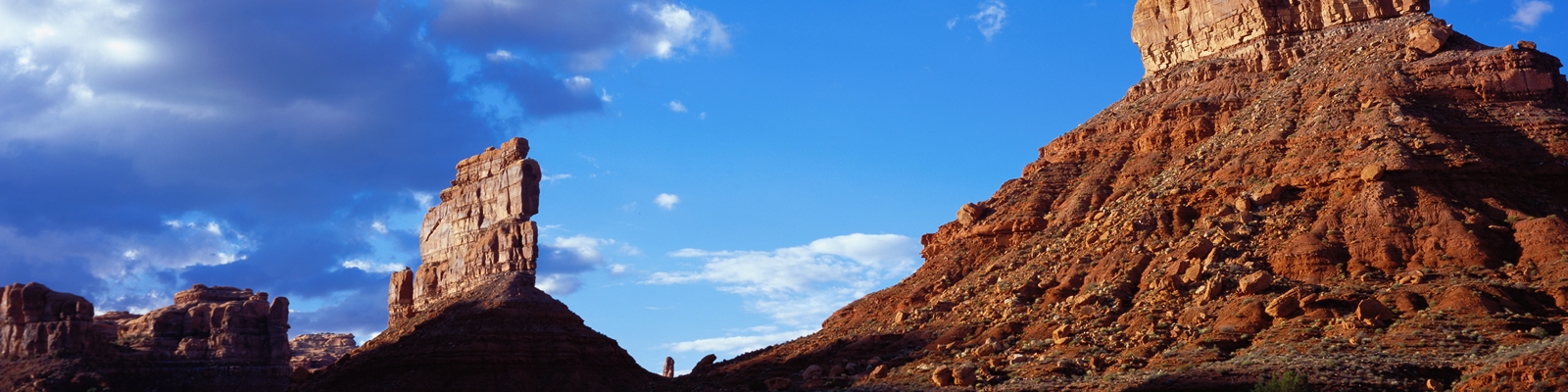
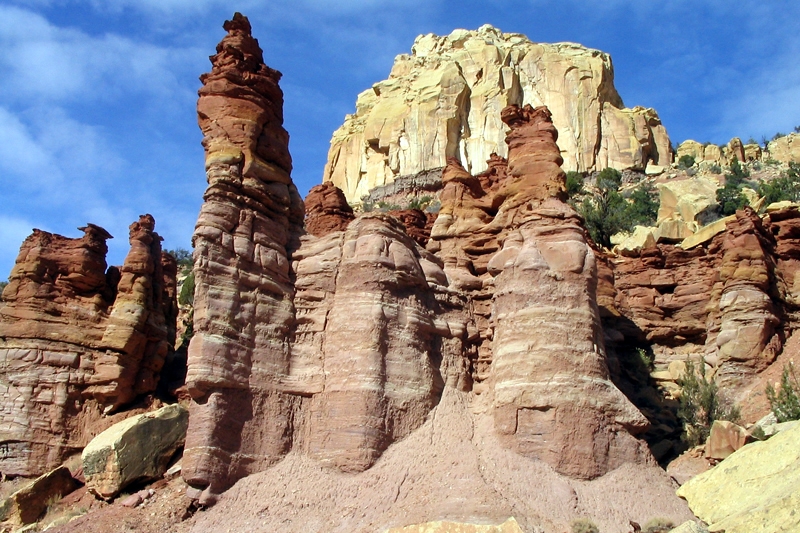
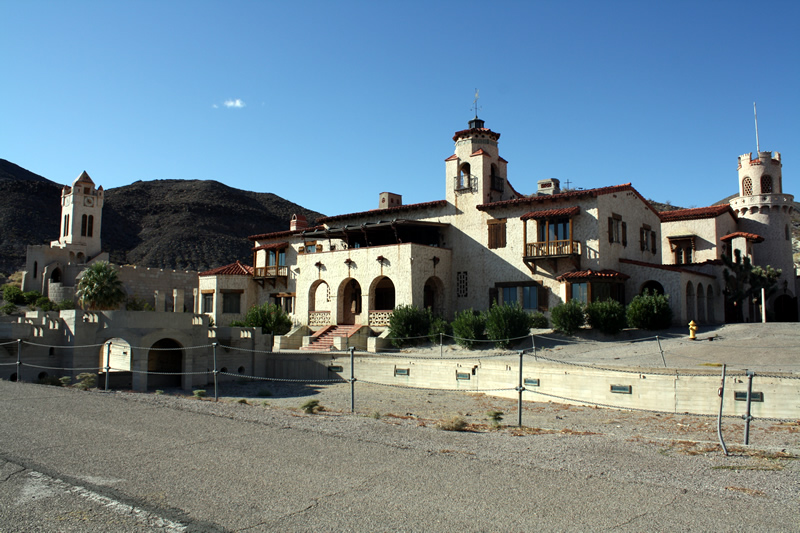

Keyhole Campground is located within the Imperial Sand Dunes Recreation Area (Algodones Dunes), east of Brawley, California, in Imperial County. Access via Highway 78, turning onto Gecko Road, with the campground on the left. Coordinates: 32.9967, -115.1833. Elevation: ~200 feet. The Cahuilla Ranger Station is nearby for permits and information.
Managed by the Bureau of Land Management (BLM), Keyhole Campground is the smallest in the Imperial Sand Dunes Recreation Area, featuring a single paved “keyhole” loop ideal for one large group or a few small groups. This primitive site caters to off-highway vehicle (OHV) enthusiasts with access to over 118,000 acres of dunes for off-roading. Best for winter camping (October–April) due to extreme summer heat (100°F+). The remote desert setting offers a rugged experience for those prioritizing OHV recreation.
Keyhole Campground is a haven for OHV enthusiasts, offering direct access to the Imperial Sand Dunes and a rugged desert experience. Its primitive nature requires preparation, but the paved loop and group-friendly layout make it a solid choice for winter adventures. While not suited for those seeking amenities or quiet, it delivers thrilling recreation and desert beauty for self-sufficient campers.
Sources: Information compiled from BLM, Recreation.gov, TheDyrt.com, and Outdoorsy.com.
The Ward Mining District, located in White Pine County, Nevada, near the present-day town of Ely, is a significant chapter in the state’s mining history. Situated at over 8,000 feet elevation in Ward Gulch, the district was a bustling silver mining hub in the 1870s, marked by rapid growth, lawlessness, and eventual decline. Its iconic Ward Charcoal Ovens and remnants of a once-thriving town remain as testaments to its past. Below is a detailed history of the district, from its discovery to its modern legacy.
The Ward Mining District was born in 1872 when freighters William Ballinger and John Henry discovered silver-lead ore in Ward Gulch, approximately 11 miles southwest of Ely. Named after B.F. Ward, a claim locator, the district quickly attracted prospectors. The townsite of Ward was established in 1873, and by 1875, the Martin White Company acquired the Paymaster Mine, the district’s most productive operation. One chamber in the Paymaster Mine reportedly yielded $1 million in silver, fueling a rush to the area.
By 1877, Ward was the largest town in White Pine County, boasting a peak population of around 2,000. The town’s infrastructure grew rapidly, supporting two newspapers (The Ward Reflex and another unnamed paper), a Wells Fargo office, a city hall, and various businesses, including saloons, general stores, and hotels. The district’s social fabric was diverse, with a Chinatown community and a red-light district known as Reform Gulch. Notably, Ward lacked a church, and an abandoned brothel served as the schoolhouse, reflecting the camp’s rough character.
Mining operations relied heavily on six beehive-shaped Ward Charcoal Ovens, constructed in 1876 by Italian masons (carbonari). These ovens, located in Willow Creek Canyon, produced charcoal for smelters, each requiring timber from 5–6 acres per 10-day cycle. The ovens processed up to 35 bushels of charcoal per cord of wood, supporting the smelting of silver-lead ore from mines like the Paymaster, Martin White, and Young America.
The district’s early years were lawless, with claim jumping and disputes common. A vigilante group, the “601” committee, enforced order through extralegal means, including hangings, earning Ward a reputation as a “tough camp.” Racial tensions also surfaced, with a reported murder of a Chinese resident by a mob in 1876, highlighting the era’s social challenges.
The district’s prosperity was short-lived. By 1878, the quality and quantity of high-grade ore declined, leading to an exodus of residents to the nearby boomtown of Taylor. The population dropped to 250, and businesses struggled. In 1883, a devastating fire destroyed one-third of Ward, including the schoolhouse and city hall. Rather than rebuild, many residents salvaged materials and relocated structures to Taylor. The Ward post office, established in 1876, closed in 1888, marking the town’s effective abandonment. Total production from 1872 to 1890 was valued at approximately $960,000, primarily in silver, with lesser amounts of lead and copper.
The Ward Mining District experienced periodic revivals driven by new discoveries and technological advancements. In 1906, renewed exploration uncovered additional silver deposits, prompting small-scale activity. A more significant revival occurred in the 1960s when the Silver King Mining Company acquired the Ward Mine in 1962. By 1967, the mine produced 63,400 metric tons of low-grade ore containing gold, silver, copper, lead, and zinc, valued at nearly $2.5 million through 1967.
In the 1970s and 1980s, joint ventures between Silver King, Phillips Petroleum, and Gulf Minerals explored the district for a porphyry copper deposit. These efforts focused on skarn-hosted sulfide deposits but ultimately failed to identify a major copper system. Sporadic production continued until 1991, with cumulative output exceeding 182 kilotons of ore. The district’s total production included significant quantities of silver, gold, copper, lead, and zinc, reflecting its diverse mineralogy.
The Ward Mining District lies within the Robinson porphyry copper district, part of a mineralized belt in east-central Nevada. The area’s geology features limestone, dolomite, and quartzite intruded by Cretaceous and Tertiary plutons, forming skarn and vein deposits. Major mines, including the Paymaster and Ward, exploited silver-lead-zinc veins and replacement deposits, with gold and copper as byproducts. The Ward Charcoal Ovens, built to support smelting, highlight the district’s reliance on local timber resources, which were heavily depleted during the boom years.
Today, Ward is a ghost town, with little remaining due to flash flooding and the relocation of structures in the 1880s. The Ward Charcoal Ovens, preserved as a Nevada State Historical Site since 1998, are the district’s most enduring feature. These 30-foot-tall, beehive-shaped structures, accessible via a graded dirt road, attract visitors and historians. A small cemetery, containing graves of early residents, also survives, though many headstones are weathered or missing.
The Ward Mining District remains an active exploration area, with modern mining companies investigating its potential for undiscovered deposits. The ovens and surrounding landscape, now part of Ward Charcoal Ovens State Historic Park, serve as a reminder of Nevada’s mining heritage and the environmental impact of 19th-century industry. Visitors can explore the site, which includes interpretive signs detailing the district’s history and the ovens’ construction.
Nevada State Historical Markers identify significant places of interest in Nevada’s history. The Nevada State Legislature started the program in 1967 to bring the state’s heritage to the public’s attention with on-site markers. These roadside markers bring attention to the places, people, and events that make up Nevada’s heritage. They are as diverse as the counties they are located within and range from the typical mining boom and bust town to the largest and most accessible petroglyph sites in Northern Nevada Budget cuts to the program caused the program to become dormant in 2009. Many of the markers are lost or damaged.
Most of the markers across the state are large blue metal markers. However, there are a variety of other marker styles out there. For this guide they have been simplified into a few categories (blue, blue small, concrete, and stone). Sometimes, the markers are on buildings, fences, or metal stands.
Ward Mining District
The ghost town of Ward, in the foothills of the Egan Range, lies some eight miles west of here. Booming from 1876 until 1882, with a peak population of 1,500, Ward was somewhat of a lawless mining camp. Early killings did occur, but justice was meted out by the vigilante committee and the hanging rope.
A million dollars worth of silver was taken from a single chamber of the Ward mine, yet an abandoned house was used for the first school and no movement was ever started to build a church.
The town was abandoned by the late 1880s, but new discoveries and better mining methods prompted a resurgence of activity in 1906 and again in the 1960s.
STATE HISTORICAL MARKER No. 54
STATE HISTORIC PRESERVATION OFFICE
WHITE PINE MUSEUM, INC
| Name | Ward Mining District |
| Location | White Pine County, Nevada |
| Latitude, Longitude | 39.0885, -114.7524 |
| Nevada State Historic Markers No. | 54 |

The Esmeralda Star was a pivotal publication in the early history of Aurora, a bustling mining town in Esmeralda County, Nevada, during the 1860s. Launched during the height of the region’s gold and silver boom, the newspaper served as a vital source of information, reflecting the social, political, and economic dynamics of a frontier community. This report explores the origins, operations, content, and eventual decline of the Esmeralda Star, drawing on historical records to provide a comprehensive overview of its role in Aurora’s history.
The Esmeralda Star was founded on May 10, 1862, as a weekly newspaper in Aurora, a town established in 1860 following the discovery of rich gold and silver deposits. The paper was initiated by Edwin A. Sherman & Co., with Sherman serving as the primary publisher. The newspaper’s establishment coincided with Aurora’s rapid growth, as the town’s population swelled to approximately 6,000 by 1864, peaking at an estimated 10,000. The Star was a Republican-leaning publication, priced at six dollars per year, and initially published as a twenty-column weekly, measuring 21×28 inches.
Aurora’s unique geopolitical situation shaped the newspaper’s early years. Until a boundary survey in 1863 clarified that Aurora lay entirely in Nevada, the town was claimed by both California and Nevada, even serving as the county seat for Mono County, California, and Esmeralda County, Nevada, simultaneously. This dual governance added complexity to the Star’s operations, as it navigated competing political interests.
The press used for the Star had a storied history. Originally part of the El Dorado Times in Georgetown, California, it was relocated to Aurora in May 1862 via the Owen’s River route, narrowly escaping destruction by hostile Native American groups. The press was escorted by Colonel Evans and Lieutenant Noble of the Second Cavalry California Volunteers, highlighting the challenges of establishing a newspaper in a remote frontier region.
The Esmeralda Star newspaper covered a wide range of topics relevant to Aurora’s residents, including mining developments, local politics, business activities, and social events. As a Republican publication, it maintained a strong Unionist stance during the Civil War, a position that was not without risk in a region where secessionist sentiments and outlaws were prevalent. The newspaper’s editorials were noted for their independent tone and loyalty to the Union, earning it both support from loyalists and enmity from “copperheads” and secessionists.
The Star also played a significant role in promoting Aurora’s interests. It advocated for infrastructure improvements, such as the Esmeralda Toll Road, which connected Aurora to San Francisco and facilitated the import of supplies. The newspaper’s editorials often highlighted the town’s economic potential, aiming to attract investment and settlers to the mining district. Despite challenges such as scarce printers, the Star upgraded to a semi-weekly publication on June 24, 1863, reflecting its growing influence and the community’s demand for timely news.
The newspaper’s content was not limited to local matters. It included national news, particularly updates on the Civil War, as well as advertisements for local businesses, such as saloons, general stores, and mining equipment suppliers. The Star also published legal notices, marriage announcements, and obituaries, serving as a historical record of Aurora’s transient population. Its role as a community voice was critical in a town marked by rapid growth and social instability, including issues like horse theft and lawlessness.
Operating a newspaper in Aurora presented significant logistical and social challenges. The town’s isolation, surrounded by rugged terrain, made the delivery of supplies like paper, ink, and type difficult, especially during harsh winters. The Star’s press and materials had to be shipped over treacherous routes, and the newspaper frequently faced shortages of skilled printers, which delayed its plans for more frequent publication.
Politically, the Star operated in a volatile environment. Its pro-Union stance made it a target for secessionist groups, and Sherman noted the risks of publishing a Union paper in a region with “armed bodies of secessionists.” Despite these threats, the newspaper maintained its editorial independence and avoided debt, even investing in new type to improve its print quality. This financial stability was attributed to the support of Aurora’s loyalist community, which valued the Star’s contributions to the town’s development.
The clarification of Aurora’s location in Nevada in 1863 prompted a change in the newspaper’s masthead to reflect its new status as part of Esmeralda County, Nevada. This adjustment underscored the Star’s adaptability to the region’s evolving political landscape.
The Esmeralda Star ceased publication in March 1864, a victim of Aurora’s declining fortunes. The town’s shallow mines, most less than 100 feet deep, were exhausted by the late 1860s, leading to a mass exodus of residents. By 1870, Aurora’s population had plummeted, and the town’s infrastructure, including the Star’s printing facilities, was dismantled or repurposed. Many of Aurora’s buildings were stripped for materials, and the newspaper’s press likely met a similar fate.
The Star’s suspension paved the way for the Esmeralda Daily Union, which began publication on March 21, 1864, under the editorship of Rev. J.B. Saxton. However, the Union focused on different editorial priorities and did not directly continue the Star’s legacy. The Star’s brief but impactful run captured the vibrancy and challenges of Aurora’s boom years, leaving behind a valuable historical record of a fleeting frontier community.
The Esmeralda Star newspaper is remembered as the pioneer newspaper of Esmeralda County, encapsulating the spirit of Nevada’s early mining frontier. Its archives, though limited, provide historians with insights into the daily life, politics, and economy of Aurora during its peak. The newspaper’s commitment to Unionist principles and its role in fostering community identity highlight its importance as a cultural institution in a transient mining town.
Today, surviving copies of the Esmeralda Star are preserved in microfilm and archival collections, such as those accessible through the Library of Congress and the Chronicling America project. These records are invaluable for researchers studying Nevada’s mining history, journalism in the American West, and the socio-political dynamics of the Civil War era. The Star’s story also resonates in popular culture, with references to Aurora’s history appearing in works like Mark Twain’s Roughing It, as Twain briefly lived in Aurora in 1862.
The Esmeralda Star was more than a newspaper; it was a lifeline for Aurora’s residents, documenting the rise and fall of a quintessential mining boomtown. From its founding in 1862 to its closure in 1864, the Star navigated the challenges of frontier journalism with resilience and purpose. Its legacy endures in the historical record, offering a window into the fleeting but vibrant world of Aurora, Nevada, during the 1860s.
Gecko Campground is the largest campground in the Imperial Sand Dunes Recreation Area, located near Glamis and Holtville, Imperial County,,California, approximately 23 miles east of Brawley. Managed by the Bureau of Land Management (BLM), it is a prime destination for off-highway vehicle (OHV) enthusiasts, offering direct access to the expansive sand dunes that stretch across a 40-mile by 5-mile area, with some dunes reaching heights of up to 300 feet. The campground is particularly popular during the winter months (October to May) due to milder temperatures, especially around holiday weekends like Christmas and New Years. Summer camping is not recommended as temperatures often exceed 100°F.
Gecko Campground is an excellent choice for those looking to immerse themselves in the thrill of the Imperial Sand Dunes while enjoying a no-frills desert camping experience under starry skies.
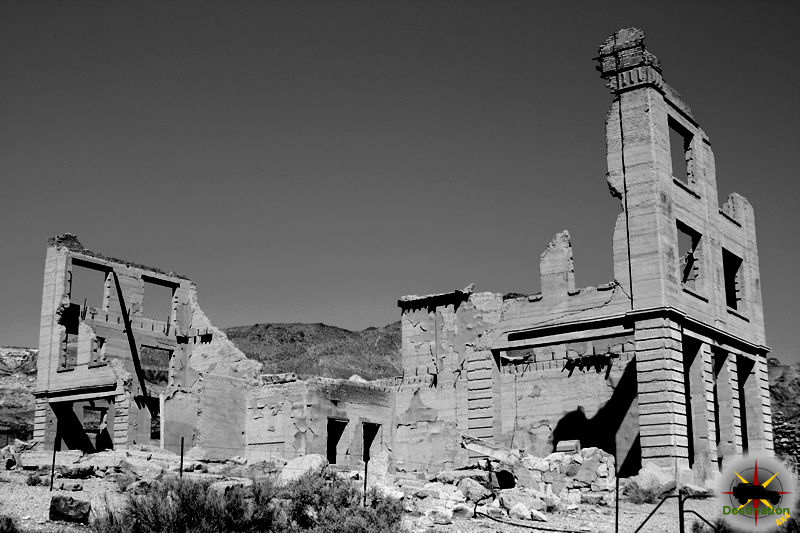
The Bullfrog Mining District is located in the Bullfrog Hills of Nye County, southwestern Nevada, near the town of Beatty and close to the eastern edge of Death Valley. It lies in a desert basin surrounded by volcanic hills, about 120 miles northwest of Las Vegas.
The district is part of the southern Walker Lane trend, characterized by brittle deformation in upper-plate volcanic rocks due to detachment faulting and associated dip-slip and strike-slip displacements. The primary host rocks are Tertiary volcanic units, including rhyolitic flows and tuffs (such as rhyolite No. 1 and No. 2, with interbedded limestone in places). Ore deposits are epithermal, featuring quartz-calcite veins with micron-sized gold, often in stockworks. Oxidation is widespread, with pyrite altering to limonite, calcite partially dissolving, and manganese oxides developing. Native gold (alloyed with silver) dominates, with some cerargyrite (horn silver) in richer zones; minor sulfides like pyrite, chalcocite, or galena occur locally. Veins are typically fine-grained quartz intergrown with calcite, and ores range from high-grade surface bonanzas ($100–$700/ton initially) to lower-grade milling material (often <$15/ton average).
Gold was discovered on August 9, 1904, by prospectors Frank “Shorty” Harris and Ernest “Ed” Cross (or Eddie Cross), who located the Original Bullfrog Mine on a prominent quartz outcrop with green-stained ore (possibly inspiring the “Bullfrog” name due to color or shape). Assays showed high values up to $700/ton or more. The rush followed discoveries at Tonopah and Goldfield, spurring prospecting in the region. Claims quickly covered the area, and tent camps emerged.
Towns sprang up rapidly:
Transportation improved with railroads: Las Vegas & Tonopah, Bullfrog Goldfield, and Tonopah & Tidewater lines connected the area.
The district boomed briefly but declined after rich surface ores depleted and deeper mining faced issues like litigation (e.g., at Montgomery-Shoshone) and lower grades. Early production (pre-1911) focused on high-grade shipping ore.
Early mills included the Montgomery-Shoshone cyanidation mill (key for processing lower-grade ore).
Through 1911, the district produced ~94,000 oz gold (mostly early high-grade).
Minor activity post-1911 until modern exploration in the 1980s. St. Joe American explored from 1982; Bond International Gold (later acquired by LAC Minerals, then Barrick Gold in 1994) developed the Barrick Bullfrog Mine (open-pit and underground from 1989–1999). A ~9,000-tpd cyanidation mill/heap leach processed ore. Total modern production: ~2,328,852–2,313,643 oz gold and ~2.5–3 million oz silver from ~28.8 million tons ore (average ~0.081 oz/ton gold).
Early phase (1904–1911): Focused on high-grade; total ~94,000 oz gold. For 1907: 9,050 tons ore yielding $207,538 (~$132,428 gold, $74,991 silver, minor Cu/Pb). 1907–1910: ~$1,687,792 total value.
Full historical (pre-modern): ~112,000 oz gold and ~869,000 oz silver (1905–1921 estimates).
Modern (1989–1999): ~2.3+ million oz gold from ~28–29 million tons ore.
The district’s early boom contributed to Nevada’s economic revival post-1900, despite its short-lived peak. Rhyolite became a famous ghost town, while Beatty persists. Recent projects (e.g., Augusta Gold’s Bullfrog Gold Project) explore remaining resources in the area.