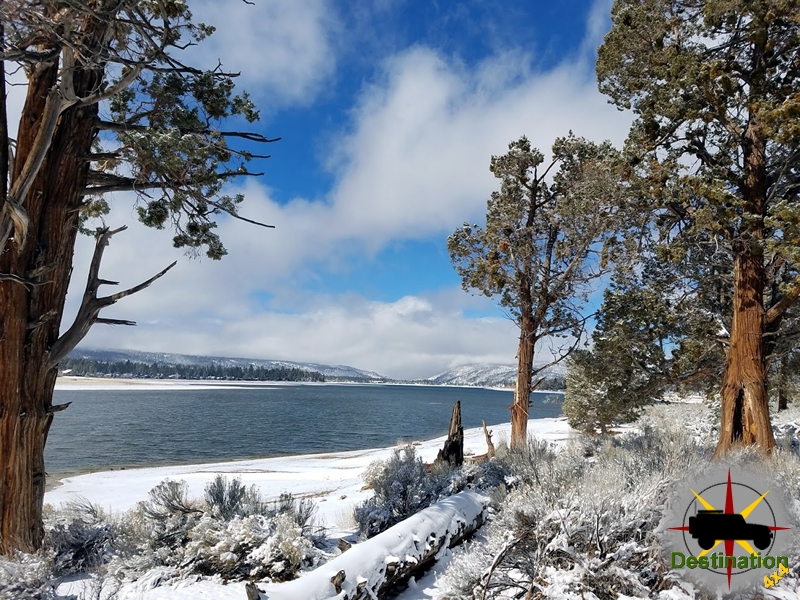
Big Bear, CA
I quiet mountain community full of back country adventure.
The Journey is the destination
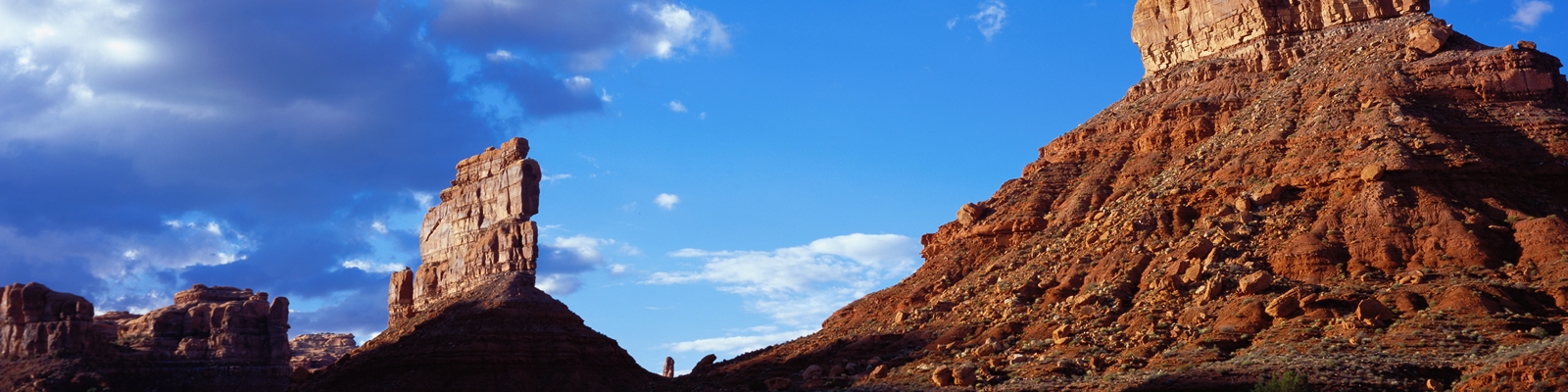
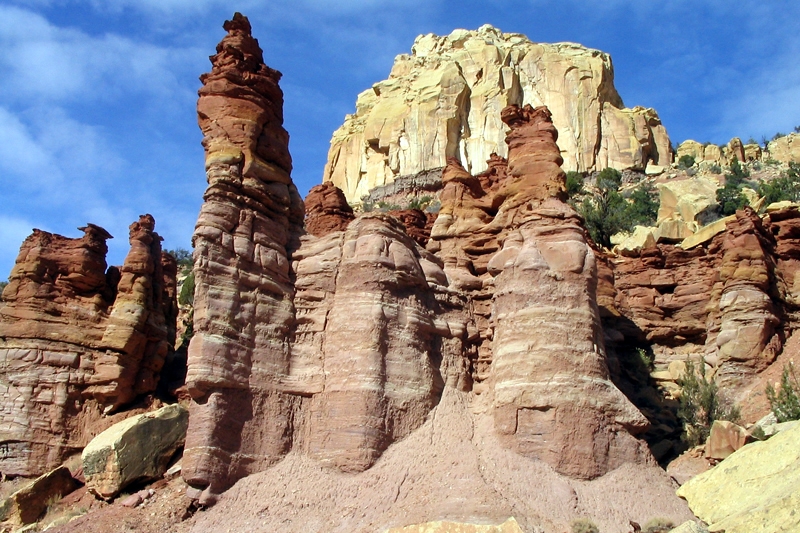

Nestled within the Glen Canyon National Recreation Area, Lees Ferry Campground is a scenic, primitive campground located on a bluff overlooking the Colorado River, just 1.5 miles from the historic Lees Ferry boat launch in Marble Canyon, Arizona. Situated about 42 miles from Page, AZ, and 125 miles north of Flagstaff, this first-come, first-served campground offers 54 designated campsites suitable for tents, trailers, and RVs up to 30 feet, with no hookups available. Each site features a picnic table, fire ring with grate, and many include shade structures to provide relief from the desert sun, as there is no natural shade. The campground, open year-round, charges $26 per site per night (as of January 2025), with a discounted rate of $13 for holders of the America the Beautiful Senior or Access Pass.
Amenities include clean flush toilets, potable water spigots (though occasionally turned off during cooler months), and an RV dump station located about 0.75 miles away. There are no showers, but coin-operated showers are available at Marble Canyon Lodge, approximately 5 miles away. Grills are provided, but open ground fires are prohibited outside of grates, and quiet hours are enforced from 10 PM to 6 AM. A gas station, store, and post office are conveniently located in Marble Canyon, just 5 miles from the campground. The sites are slightly unlevel, and tent campers are advised to bring extra stakes or ropes due to frequent windy conditions, especially in the afternoons.
The campground’s prime location offers stunning views of the Colorado River, Vermilion Cliffs, and surrounding red-orange rock formations, making it a haven for stargazing and photography, particularly at night under clear desert skies. Its proximity to the river allows easy access to fly fishing (license required), hiking, and boating activities, with the Lees Ferry boat ramp serving as the starting point for Grand Canyon rafting trips. Nearby trails, such as the River Trail, Paria Riffles, and Cathedral Wash, offer opportunities to explore the area’s geology and spot wildlife like bighorn sheep. The historic Lees Ferry crossing, used from 1872 to 1928, and remnants like the Old Mormon Fort are within walking distance, adding a layer of historical intrigue.
Ideal for adventurers seeking a no-frills camping experience, Lees Ferry Campground is a gateway to the slot canyons, desert ridges, and waters of Lake Powell. Its serene atmosphere and million-dollar views make it a favorite, though arriving early is recommended to secure a spot, especially during peak spring and fall seasons when the weather is most favorable.
Pine Grove Campground, located in the Inyo National Forest near Rock Creek and Tom’s Place, California, is a scenic, high-altitude campground at approximately 9,300 feet elevation. Situated along Rock Creek in the picturesque Rock Creek Canyon of the Eastern Sierra Nevada, this 11-site campground (often referred to collectively with Upper Pine Grove and Lower Pine Grove in some sources) offers a tranquil setting amidst Jeffrey pines, aspens, and rugged granite peaks. Positioned just below Upper Pine Grove and across from Rock Creek Lakes Resort, Pine Grove Campground provides a rustic retreat with convenient access to fishing, hiking, and other outdoor activities. Its proximity to Tom’s Place and the John Muir Wilderness makes it an ideal base for exploring the stunning landscapes of the Eastern Sierra.

Pine Grove Campground, sometimes listed as encompassing both Upper and Lower Pine Grove due to their close proximity (0.15 miles apart), features 11 single-family campsites in its primary configuration, all available on a first-come, first-served basis with no reservations accepted. The sites are suitable for tents and small RVs or trailers (maximum length 22 feet), as the dirt parking spurs and narrow access roads are not designed for larger vehicles. Each campsite includes a picnic table, a fire ring with grill, and a bear-proof food storage locker, critical due to active black bear activity in the region. Amenities include potable water and a well-maintained vault toilet. The campsites are shaded by Jeffrey pines and aspens, with some located closer to Rock Creek for a soothing water ambiance and others nestled deeper in the forest for added privacy. The cost is $35 per night for a single site, with an additional $10 per night for extra vehicles. Holders of America the Beautiful Senior or Access Passes receive a 50% discount on single-site fees. Quiet hours are enforced from 10:00 PM to 6:00 AM, with a maximum stay of 14 days.
Pine Grove Campground serves as a gateway to a variety of outdoor activities in the Rock Creek area:
Located at 9,300 feet in Rock Creek Canyon, Pine Grove Campground is enveloped by a forest of Jeffrey pines and aspens, which display vibrant golden hues in the fall. Rock Creek runs parallel to the campground, its boulder-lined waters creating a calming soundscape. The surrounding landscape features steep granite cliffs and towering peaks, characteristic of the Eastern Sierra Nevada’s rugged beauty. Summer daytime temperatures typically range from the 60s to 70s°F, with nights dropping to the 30s or 40s°F due to the high elevation. Visitors should be prepared for strong UV exposure and potential altitude sickness, as acclimatization may take a day or two.
Pine Grove Campground is accessible via US Highway 395 to Tom’s Place, approximately 20 miles north of Bishop or 13 miles south of Mammoth Lakes. From Tom’s Place, turn west onto Rock Creek Lake Road and drive about 8 miles to the campground, located on the left, just below Upper Pine Grove and across from Rock Creek Lakes Resort. The road is paved but narrows as it climbs, and the campground’s dirt roads require careful navigation for larger vehicles. The campground operates seasonally, typically from mid-May to early October (May 16 to October 5, 2025, weather permitting), with exact dates subject to snow conditions. For updates, contact the White Mountain Ranger District at (760) 873-2500. Cell service is unreliable, with most carriers reporting no reception, enhancing the campground’s remote, off-the-grid atmosphere.
Rock Creek Lakes Resort, directly across from the campground, is a short walk away and offers a general store, a café serving breakfast and lunch, and cabin rentals. This proximity provides convenient access to supplies, snacks, or a hot meal. Tom’s Place, 8 miles down the road, features a rustic lodge with a market, café, and bar for additional provisions. Nearby campgrounds, such as Upper Pine Grove (0.15 miles away), East Fork, and Rock Creek Lake, offer alternative camping options if Pine Grove is full.
Campers describe Pine Grove Campground as a peaceful, scenic retreat with clean facilities and a prime location for outdoor activities. Reviews highlight the relaxing ambiance of Rock Creek, the shade from Jeffrey pines, and the easy access to hiking and fishing. One camper noted, “This is a small, quiet campground perfect for those who love nature and don’t need fancy amenities.” The lack of cell service is often praised for fostering a true escape, though some mention the challenge of securing a site due to the small size and first-come, first-served policy. The nearby Rock Creek Lakes Resort is frequently cited as a convenient perk for grabbing supplies or a meal.
Pine Grove Campground is a charming, small-scale haven in the heart of Rock Creek Canyon, offering a perfect blend of rustic camping and access to the Eastern Sierra’s breathtaking landscapes. With its shaded sites, proximity to trout-filled Rock Creek, and nearby trails into the John Muir Wilderness, it’s an ideal destination for tent campers and small RV users seeking adventure or relaxation. Whether fishing, hiking to alpine lakes, or stargazing under a pristine Sierra sky, Pine Grove Campground delivers an unforgettable outdoor experience in one of California’s most scenic regions.

Saddlebag Lake Campground, nestled in the Inyo National Forest at 10,087 feet above sea level, is California’s highest drive-to campground and a hidden gem just outside Yosemite National Park’s Tioga Pass entrance. Located near Lee Vining, California, this small, rustic campground offers 20 standard campsites and one group site, all first-come, first-served except for the group site, which is reservable. Perched beside the stunning Saddlebag Lake, the campground provides breathtaking alpine scenery, access to world-class hiking and fishing, and a serene escape from the crowds of nearby Yosemite. Ideal for tents and small RVs (up to 30 feet), it’s a haven for adventurers seeking solitude, starry skies, and the rugged beauty of the Eastern Sierra Nevada. This review covers the campground’s amenities, experience, pros and cons, and a detailed description of Saddlebag Lake, based on visitor feedback and official sources.
Saddlebag Lake Campground sits in a high alpine basin surrounded by jagged peaks, including Tioga Crest to the northeast and Mount Conness to the west, marking Yosemite’s eastern boundary. The campground is adjacent to the 600-acre Saddlebag Lake, with most of the 20 standard sites offering views of the lake and surrounding mountains. The terrain is rocky and sparsely forested with lodgepole pines, providing minimal shade and wind protection, which can make sites feel exposed. Each standard site ($26/night, 2025 rates) includes a picnic table, fire ring with grate, and bear-proof food locker, essential in this bear country. The single group site, known as Trailhead Group Campground ($125/night), accommodates up to 25 people and 5 vehicles, ideal for larger gatherings. Amenities include potable water and vault toilets, but there are no showers, RV hook-ups, or Wi-Fi, emphasizing a primitive camping experience. A gravel access road (Saddlebag Lake Road) leads to the campground, which may be challenging for larger RVs or low-clearance vehicles. The campground is open from late June to September, weather permitting, due to heavy snow at this elevation.
Located 12 miles west of US-395 via CA-120 (Tioga Pass Road) and a 3-mile gravel road off Saddlebag Lake Road, the campground is about 2 hours from Yosemite’s main attractions and 15 minutes from Mono Lake. From Lee Vining, take CA-120 west, then turn north onto Saddlebag Lake Road. The final stretch is a single-lane, partially paved road, requiring caution. The high elevation (10,087 feet) demands acclimatization for visitors from lower elevations, and the road is closed in winter due to snow.
Saddlebag Lake, a 600-acre alpine gem at 10,087 feet, is the centerpiece of the campground’s appeal. Formed in 1919 by a dam, it’s the highest drive-to lake in the Eastern Sierra, fed by snowmelt and surrounded by stark, glacier-carved peaks. The lake’s crystal-clear waters reflect Mount Conness (12,590 feet) and the Tioga Crest, creating a dramatic backdrop. Its rocky, barren shores and sparse vegetation give it a raw, almost lunar quality, yet it teems with life, hosting rainbow, brook, and brown trout, making it a premier fishing destination. A 15 mph speed limit ensures calm waters for fishing and small boats. The lake is a gateway to the Hoover Wilderness, with trails like the Twenty Lakes Basin Loop (7.5 miles) offering access to a series of reflective alpine lakes framed by wildflowers and granite massifs. A water taxi (seasonal, cash only) ferries hikers across the lake to trailheads, or a 3.9-mile trail loops around it, offering scenic views and picnic spots like Shamrock Lake. The lake’s high elevation and clear skies make it a stargazing hotspot, with the Milky Way visible on moonless nights.
Camping at Saddlebag Lake Campground is a raw, high-altitude adventure that rewards with solitude and stunning views but requires preparation. Visitors describe the campground as “secluded” and “breathtaking,” with a 2023 reviewer calling it “the best location out of my five-day overlanding trip” for its night sky and alpine scenery (TheDyrt.com). The 20 standard sites are spread across a rocky, open area near the lake, offering panoramic views but limited privacy due to sparse trees. Sites are uneven, so leveling blocks are recommended for RVs. The group site, slightly removed, provides more space but lacks direct lakefront access. The campground host is frequently praised for being “incredible” and helpful, assisting with site selection and bear safety. Firewood is available, and campfires are allowed unless fire restrictions are in place (check Inyo National Forest updates). The absence of showers and hook-ups keeps the experience rustic, appealing to those seeking a digital detox. At night, temperatures can drop to 30–40°F even in summer, so warm layers are essential. The lack of cell service enhances the sense of escape, though it requires offline maps for navigation.
Saddlebag Lake Campground is a high-altitude haven for those craving solitude, alpine beauty, and adventure in the Eastern Sierra Nevada. Its 20 sites and single group site, nestled beside the stunning Saddlebag Lake, offer unparalleled access to hiking, fishing, and stargazing, with views of Mount Conness and Tioga Crest. The rustic setup—no showers or hook-ups—suits campers seeking a digital detox, but the gravel road and high elevation demand preparation. Arrive early to secure a first-come, first-served site, bring warm layers, and follow bear safety protocols. Whether hiking the Twenty Lakes Basin, fishing for trout, or gazing at a star-filled sky, Saddlebag Lake Campground delivers an unforgettable escape into California’s wild heart.
Sources: NPS.gov, Recreation.gov, TheDyrt.com, Campendium.com, Tripadvisor.com, fs.usda.gov, CaliforniasBestCamping.com, MonoCounty.org, Islands.com
Upper Pine Grove Campground, located in the Inyo National Forest near Rock Creek and Tom’s Place, California, is a small, rustic campground nestled at an elevation of 9,400 feet. Situated along the scenic Rock Creek in the Eastern Sierra Nevada, this 8-site campground offers a serene retreat surrounded by towering Jeffrey pines, aspens, and dramatic mountain peaks. Just 1.25 miles downstream from Rock Creek Lake and across from Rock Creek Lakes Resort, Upper Pine Grove is ideal for campers seeking a quiet, nature-immersed experience with easy access to fishing, hiking, and other outdoor activities. Its proximity to Tom’s Place and the stunning landscapes of the John Muir Wilderness make it a perfect base for exploring the region’s alpine beauty.

Upper Pine Grove Campground features 8 single-family campsites, all available on a first-come, first-served basis, with no reservations accepted. The sites are cozy and best suited for tents or very small RVs and trailers (maximum length 18 feet), as parking is limited and large motorhomes are not recommended. Each campsite is equipped with a picnic table, fire ring with grill, and a bear-proof food storage locker due to active black bear activity in the area. The campground provides potable water and a vault toilet, which is noted for being clean and well-maintained. Campsites are nestled among tall Jeffrey pines, with some offering flat, accessible surfaces for easier setup, while others are tucked closer to Rock Creek, providing a soothing backdrop of flowing water. The cost is $35 per night for a single site, with an additional $10 per night for extra vehicles. Holders of America the Beautiful Senior or Access Passes receive a 50% discount on single-site fees. Quiet hours are enforced from 10:00 PM to 6:00 AM, and the maximum stay is 14 days.
Upper Pine Grove Campground is a gateway to a variety of outdoor activities in the Rock Creek area:
Set at 9,400 feet in Rock Creek Canyon, Upper Pine Grove Campground is surrounded by a lush forest of Jeffrey pines and aspens, with the latter turning vibrant gold in the fall. The campground sits along Rock Creek, which flows through boulder-lined beds, creating a peaceful ambiance. The surrounding landscape features dramatic granite peaks and steep canyons, offering breathtaking views of the Sierra Nevada. The high-altitude environment means cool nights, even in summer, with daytime temperatures typically ranging from the 60s to 70s°F and dropping to the 30s or 40s°F at night. Visitors should be prepared for potential altitude sickness and strong UV exposure due to the elevation.
To reach Upper Pine Grove Campground, take US Highway 395 to Tom’s Place, approximately 20 miles north of Bishop or 13 miles south of Mammoth Lakes. Turn west onto Rock Creek Lake Road and drive approximately 8 miles to the campground, located on the left, just above Rock Creek Lakes Resort. The road is paved but narrows as it climbs, and the campground’s dirt parking areas are not suitable for large RVs. The campground is seasonal, typically open from mid-May to early October (May 16 to October 5, 2025, weather permitting), with exact dates varying due to snowpack. For current operating dates, contact the White Mountain Ranger District at (760) 873-2500. Note that the campground is currently closed (as of July 2025) pending the installation of a new restroom, so check with the ranger district for updates before planning a trip.
Rock Creek Lakes Resort, directly across from the campground, offers a small store, café serving breakfast and lunch, and cabin rentals, providing convenient access to supplies and meals. A short walk from the campground, the resort is a valuable resource for campers traveling light. Tom’s Place, 8 miles down the road, has a rustic lodge with a market, café, and bar, ideal for additional supplies or a meal. Nearby campgrounds, such as Pine Grove Campground (0.15 miles away), East Fork, and Rock Creek Lake, offer additional camping options if Upper Pine Grove is full.
Campers describe Upper Pine Grove as a peaceful, small campground with a relaxing atmosphere, enhanced by the sound of Rock Creek and the shade of Jeffrey pines. Reviewers appreciate the proximity to Rock Creek Lake and hiking trails, with one noting, “The area around this campground is very relaxing,” and another praising the “foresty” setting compared to lower-elevation sites. The lack of cell service is often cited as a positive, fostering a true escape into nature. However, some mention the challenge of securing a site due to the first-come, first-served system and the campground’s popularity. The nearby resort’s amenities are frequently highlighted as a convenient perk.
Upper Pine Grove Campground is a hidden gem in the Eastern Sierra, offering a quiet, high-altitude retreat for those seeking to immerse themselves in the natural beauty of Rock Creek Canyon. With its cozy campsites, proximity to world-class fishing and hiking, and stunning alpine scenery, it’s an ideal destination for tents and small RVs. Whether casting a line in Rock Creek, hiking to alpine lakes, or simply enjoying the tranquility of the Jeffrey pine forest, campers at Upper Pine Grove will find a memorable outdoor experience in the heart of the Inyo National Forest.
Julia Thomas (c. 1862–1917) was a pivotal figure in the enduring legend of the Lost Dutchman’s Mine, a tale of hidden gold in Arizona’s Superstition Mountains, inextricably linked to the German prospector Jacob Waltz (c. 1810–1891). While Thomas’s life intersected with Waltz’s during his final days, her role in popularizing the myth of his lost mine cemented her place in American frontier history. This biography explores her life, her connection to Waltz, and her contributions to the legend, drawing on historical accounts while acknowledging the speculative nature of some details.
Little is documented about Julia Thomas’s early life, but historical records indicate she was born around 1862, possibly in the United States, and was described as a woman of mixed racial heritage, sometimes referred to as a “quadroon” in contemporary accounts. By the late 1880s, she had settled in Phoenix, Arizona Territory, where she operated a bakery and confectionery shop. This business was her primary source of income, and as a woman proprietor in the late 19th century—particularly one of color—she stood out as an uncommonly independent figure in a male-dominated, racially stratified society.
By 1891, Thomas was navigating personal challenges, including a divorce, which likely strained her financial stability. Her bakery, while a testament to her entrepreneurial spirit, was not enough to shield her from the economic precarity of the time. It was in this context that her path crossed with Jacob Waltz, a reclusive German immigrant and prospector whose reputed discovery of a rich gold mine would define Thomas’s legacy.

Jacob Waltz, often called the “Dutchman” (a misnomer derived from “Deutsch,” meaning German), was a prospector who arrived in Arizona in the 1860s. By the 1870s, he was known for periodically appearing in Phoenix with high-grade gold ore, the source of which he guarded jealously. In February 1891, a devastating flood along the Salt River destroyed Waltz’s homestead, leaving the aging prospector (then in his early 80s) destitute and ill, likely with pneumonia.
Thomas, described as a friend or acquaintance of Waltz, took him into her home and nursed him for several months. Some accounts suggest she was motivated by compassion, while others speculate she saw an opportunity to secure payment for his care, possibly through his rumored wealth. Waltz died on October 25, 1891, in Thomas’s home, an event that marked a turning point in her life and sparked the legend of the Lost Dutchman’s Mine.
Two conflicting narratives emerged about Waltz’s final days. According to Thomas, Waltz confided in her about the location of his mine, providing directions and possibly helping her draw a map. She claimed he intended for her to have a box of gold ore stored under his bed as payment for her care. However, Dick Holmes, a Phoenix local who was present on the night of Waltz’s death, asserted that Waltz gave him the gold and detailed directions to the mine during a deathbed confession. The dispute over the gold—reportedly 48 pounds of rich ore—and the mine’s location created a rift that fueled decades of debate among treasure hunters.

Following Waltz’s death, Thomas acted swiftly to capitalize on his story. In 1892, she partnered with Rhinehart and Herman Petrasch, two German immigrant brothers, to search for the mine in the Superstition Mountains. At 29 years old, Thomas was an unlikely expedition leader, given the era’s gender norms and the rugged terrain of the Superstitions. The trio embarked in mid-July, a perilous time due to the desert’s extreme heat. The expedition was a failure, yielding no trace of the mine and nearly costing them their lives. Financially ruined, Thomas parted ways with the Petrasch brothers and never attempted another search.
Undeterred by her failure, Thomas leveraged the mystique of Waltz’s mine to sustain herself. She began selling maps purportedly based on Waltz’s directions for $8 each, a significant sum at the time. Her account of the expedition was published in the Arizona Weekly Gazette, and she likely provided information to journalist Pierpont C. Bicknell, whose articles in the San Francisco Chronicle brought national attention to the Lost Dutchman’s Mine. Thomas’s maps and stories, while criticized as embellished or fabricated by some, laid the foundation for the legend’s enduring appeal. Her entrepreneurial flair for publicity—whether intentional or opportunistic—transformed a local tale into a national obsession, inspiring countless treasure hunters and shaping the mythos of the American West.
In July 1893, Thomas remarried, wedding Albert Schaefer. The couple became known in Phoenix for eccentric behavior, including ritualistic burnt offerings in their front yard, which some accounts describe as cult-like. These practices may have reflected personal beliefs or an attempt to maintain public attention, but they further distanced Thomas from mainstream society.
Thomas’s financial situation never recovered from the failed expedition. She spent her later years in poverty, a stark contrast to the wealth she sought in the Superstitions. On December 15, 1917, she died of Bright’s disease (a kidney ailment) at age 55. Ironically, the route of her 1892 expedition passed over the sites of the Mammoth and Black Queen mines, two of Arizona’s richest gold deposits, discovered shortly after her search.
Julia Thomas’s role in the Lost Dutchman’s Mine legend is both celebrated and scrutinized. To some, she was a savvy opportunist who amplified a dying man’s tale for profit, possibly fabricating details to cover unpaid debts or capitalize on Waltz’s reputation. Others view her as a victim of circumstance, a woman whose limited options in a patriarchal society led her to pursue a risky venture that ultimately failed. Her status as a woman of color adds complexity to her story, as her independence and visibility in Phoenix were remarkable for the time, yet likely contributed to her marginalization.
The veracity of Waltz’s mine remains debated. Some argue the Superstition Mountains, being igneous, lack significant gold deposits, suggesting Waltz’s ore came from elsewhere, possibly California or Colorado. Others, citing Waltz’s documented sales of gold to the U.S. Mint, believe the mine existed, though its location may have been a cache rather than a traditional vein. Thomas’s maps and stories, while influential, are often dismissed as unreliable, yet they reflect her agency in shaping a narrative that has outlived her.
Julia Thomas died penniless, but her legacy endures in the lore of the Lost Dutchman’s Mine. Her actions—nursing Waltz, leading an expedition, and selling maps—transformed a prospector’s secret into a cultural phenomenon. The Superstition Mountains, now part of Lost Dutchman State Park, draw thousands annually, many inspired by the tale Thomas helped create. Her life, marked by resilience and ambition, embodies the entrepreneurial spirit and harsh realities of the American frontier, forever tied to the enigmatic Jacob Waltz and his elusive gold.
 The Curse of the Dutchman’s Gold by Helen CorbinThe Curse of the Dutchman's Gold by Helen Corbin Helen Corbin's The Curse of the Dutchman's Gold is the first book I have read on… |