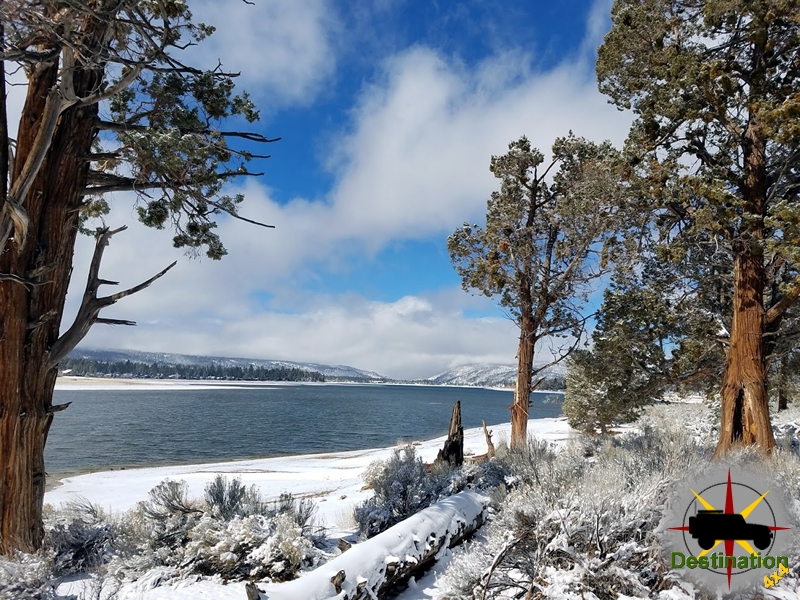
Big Bear, CA
I quiet mountain community full of back country adventure.
The Journey is the destination
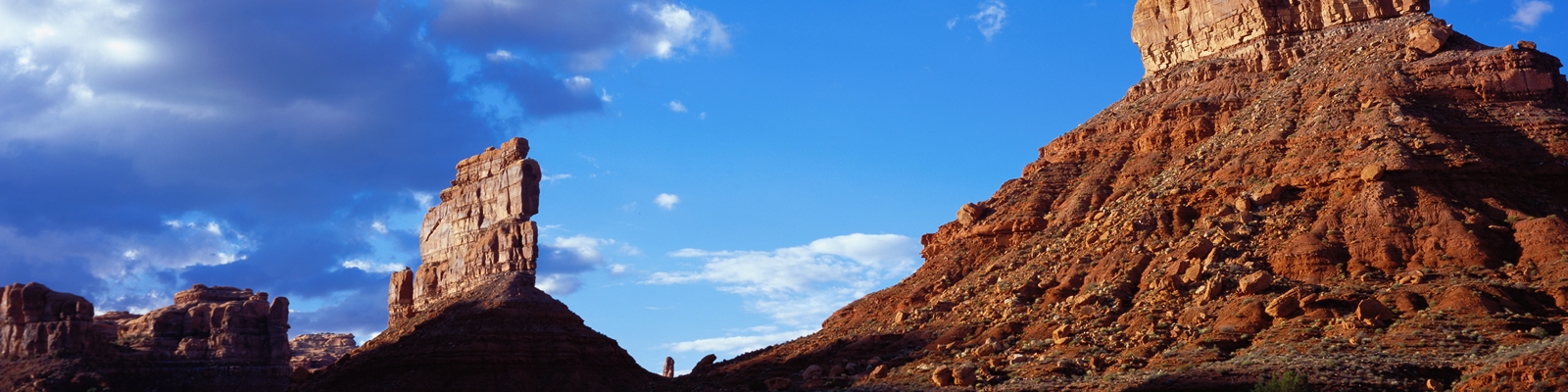
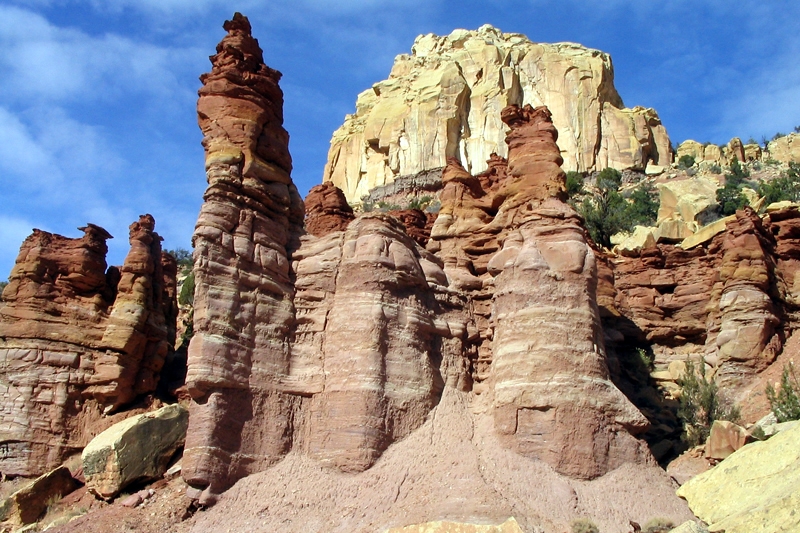
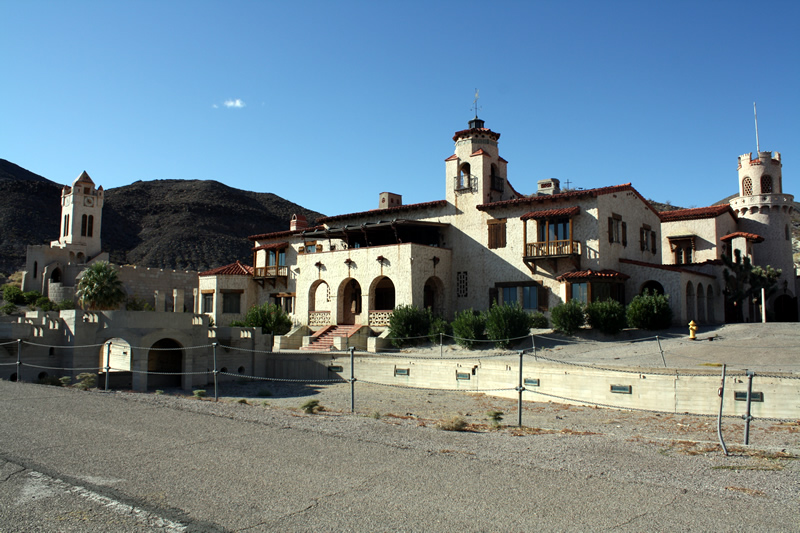
Aspen Campground, located in the Inyo National Forest near Rock Creek and Tom’s Place, California, is a small, high-altitude campground at approximately 8,100 feet elevation. Nestled along Rock Creek in the scenic Rock Creek Canyon of the Eastern Sierra Nevada, this 5-site campground offers a tranquil, intimate retreat surrounded by Jeffrey pines, vibrant aspen groves, and sagebrush, with dramatic granite peaks providing a stunning backdrop. Situated just 1 mile west of Tom’s Place, Aspen Campground is one of the closest campgrounds to Highway 395 in the Rock Creek area, making it highly accessible yet still immersed in nature. Its proximity to Rock Creek Lake, the John Muir Wilderness, and recreational opportunities like fishing and hiking makes it an ideal base for campers seeking a quiet escape in the Eastern Sierra.

Aspen Campground features 5 single-family campsites, all available on a first-come, first-served basis with no reservations accepted. The sites are best suited for tents and very small RVs or trailers (maximum length 16 feet) due to the narrow, unpaved parking spurs and limited turnaround space. Each campsite includes a picnic table, a fire ring with grill, and a bear-proof food storage locker (typical size: 48″ x 30″ x 36″), essential due to active black bear activity in the area. Amenities are minimal, with no potable water or toilets provided directly at the campground; campers must rely on nearby facilities at Tom’s Place or other campgrounds like East Fork or Iris Meadow for water and restrooms. The sites are well-spaced and shaded by Jeffrey pines and aspens, with some offering creek-side views of Rock Creek’s clear, boulder-lined waters. The cost is $20 per night for a single site, reflecting the lack of amenities, with an additional $10 per night for extra vehicles. Holders of America the Beautiful Senior or Access Passes receive a 50% discount on single-site fees. Quiet hours are enforced from 10:00 PM to 6:00 AM, with a maximum stay of 7 days.
Aspen Campground provides convenient access to a variety of outdoor activities in the Rock Creek area:
At 8,100 feet, Aspen Campground is situated in Rock Creek Canyon, surrounded by a mix of Jeffrey pines, aspens, and sagebrush, creating a high-desert ambiance with forested pockets. The aspen groves, for which the campground is named, turn a brilliant gold in the fall, offering a spectacular display that rivals New England’s autumn scenery. Rock Creek flows alongside the campground, its clear, cold waters cascading over boulders, providing a soothing soundscape. The surrounding Eastern Sierra Nevada features steep granite cliffs and towering peaks, offering breathtaking views, especially at sunrise and sunset. Summer daytime temperatures range from the 60s to 80s°F, with nights dropping to the 30s or 40s°F due to the high elevation. Visitors should be prepared for strong UV exposure and potential altitude sickness, with acclimatization possibly taking a day or two.
To reach Aspen Campground, take US Highway 395 to Tom’s Place, approximately 23 miles north of Bishop or 10 miles south of Mammoth Lakes. Turn west onto Rock Creek Lake Road and drive about 1 mile; the campground is on the right, just past Tom’s Place. The road is paved, but the campground’s dirt parking areas are narrow and best suited for smaller vehicles. The campground operates seasonally, typically from late May to late September (May 23 to September 28, 2025, weather permitting), with exact dates subject to snow conditions. For updates, contact the White Mountain Ranger District at (760) 873-2500. Cell service is spotty, with some carriers reporting weak reception (1-2 bars) due to the proximity to Highway 395, but most campers experience limited or no service, enhancing the off-the-grid atmosphere.
Tom’s Place, just 1 mile away, features a rustic lodge with a market, café, and bar, offering convenient access to supplies, meals, and potable water. Rock Creek Lakes Resort, 8 miles up the road, provides a general store, a café serving breakfast and lunch, and cabin rentals. Nearby campgrounds, such as East Fork (1.5 miles away), Iris Meadow, Big Meadow, Upper Pine Grove, Lower Pine Grove, Palisades Group, and Rock Creek Lake, offer alternative camping options with additional amenities like toilets and water if needed.
Campers praise Aspen Campground for its small size, quiet atmosphere, and proximity to Tom’s Place and Rock Creek. Reviews highlight the beauty of the aspen groves, the relaxing sound of the creek, and the campground’s accessibility, with one camper noting, “Aspen is perfect for a quick getaway with just enough seclusion but close to amenities at Tom’s Place.” The lack of on-site water and toilets is a common drawback, but campers appreciate the low cost and intimate setting. The campground’s small size and first-come, first-served policy make it competitive, so early arrival is recommended. The vibrant fall colors and fishing opportunities are frequently cited as highlights.
Aspen Campground is a charming, minimalist retreat in the heart of Rock Creek Canyon, offering a quiet and scenic camping experience for tent campers and small RV users. With its creek-side sites, vibrant aspen groves, and easy access to world-class fishing and hiking in the John Muir Wilderness, it’s an ideal destination for those seeking simplicity and natural beauty. Despite the lack of on-site amenities, its proximity to Tom’s Place and other campgrounds makes it convenient for short stays. Whether fishing in Rock Creek, hiking to alpine lakes, or stargazing under a pristine Sierra sky, Aspen Campground delivers an unforgettable outdoor experience in one of California’s most scenic regions.
Located just one mile west of Lone Pine, California, Portuguese Joe Campground (also known as “Portagee Joe”) is a serene, primitive campground nestled at the foot of the Sierra Nevada mountains. Situated along a small, trout-filled creek fed by runoff from the Los Angeles Aqueduct, this Inyo County campground offers a peaceful base for exploring the surrounding natural wonders. The campground features 20 single-family campsites suitable for tents, trailers, and RVs up to 40 feet. Each site includes a picnic table, fire ring, and grate, with some sites offering partial shade from trees, providing relief during warm summer days.

Amenities are basic but functional, including potable water, two clean vault toilets, and trash/recycling facilities. There are no showers, hook-ups, or dump stations. A modern automated pay station accepts cash and credit cards for convenience, and reservations can be made via ReserveAmerica.com, with some sites available on a first-come, first-served basis. The campground is open year-round, weather permitting, with a fee of $14 per vehicle per night and $5 for additional vehicles.
Portuguese Joe is ideal for outdoor enthusiasts, offering easy access to hiking, fishing for trout in the creek (season: last Saturday in April to November 15, fishing license required for ages 16+), mountain biking, horseback riding, and stargazing under the clear, dark skies of the Eastern Sierra. The sites are relatively close together, offering limited privacy, but the tranquil setting and the gentle sound of the creek create a relaxing atmosphere. Reliable cell service is available for most carriers, and the nearby town of Lone Pine, just a mile away, provides restaurants, shops, and the Museum of Western Film History. As bear country, proper food storage is essential to ensure safety.
Just a short drive from Portuguese Joe Campground, the Alabama Hills is a breathtaking landscape of dramatic rock formations, natural arches, and sweeping desert vistas, set against the towering backdrop of the Sierra Nevada, including the iconic Mt. Whitney. Located on public lands managed by the Bureau of Land Management (BLM), this area is renowned for its unique geological features, formed by millions of years of erosion, creating rounded boulders, spires, and labyrinthine pathways. The Alabama Hills is a haven for photographers, hikers, climbers, and filmmakers, famously serving as a backdrop for countless Western movies, TV shows, and modern films like Iron Man and Django Unchained.
Visitors can explore the area via numerous hiking trails, such as the Mobius Arch Loop Trail, a short, easy hike offering stunning views of the arch framing Mt. Whitney. The Alabama Hills is also a popular destination for bouldering and rock climbing, with routes suitable for all skill levels. Dispersed camping is permitted throughout the area (free, no facilities, 14-day limit), making it a great complement to a stay at Portuguese Joe Campground. The open landscape is perfect for stargazing, with minimal light pollution revealing a dazzling night sky. The Alabama Hills Scenic Area is easily accessible via Whitney Portal Road and Movie Road, with interpretive signs highlighting its film history and natural beauty.
Together, Portuguese Joe Campground and the Alabama Hills offer an unforgettable combination of rustic camping and access to one of California’s most iconic and photogenic landscapes, perfect for adventurers and nature lovers alike.

Herman Petrasch of Phoenix, Arizona, is best known for his involvement in the legend of the Lost Dutchman’s Gold Mine, one of the most famous treasure legends in American history. Born on June 6, 1868, in Walla Walla, Washington, Herman Petrasch moved to Arizona with his family, who were among the early settlers in the region. The Petrasch family played a significant role in the exploration and development of Arizona’s mining potential.
Herman Petrasch was part of a pioneering family deeply involved in the mining industry. His brother, Rhinehart Petrasch, was also a prominent figure in Arizona’s mining history. Growing up in a family dedicated to prospecting and mining, Herman gained extensive knowledge and experience in the field from an early age.
Herman Petrasch is most famously connected to the legend of the Lost Dutchman’s Gold Mine. The mine, allegedly located in the Superstition Mountains near Phoenix, Arizona, is said to hold a vast fortune of gold. The story of the mine is shrouded in mystery and has captivated treasure hunters for over a century.
The legend originated with Jacob Waltz, a German immigrant (often referred to as the “Dutchman”) who supposedly discovered the gold mine in the late 19th century. Before his death in 1891, Waltz reportedly shared the location of the mine with a few people, including Julia Thomas, a family friend of the Petrasch family.
After Waltz’s death, Herman Petrasch, along with his brother Rhinehart and Julia Thomas, dedicated themselves to finding the lost mine. They conducted numerous expeditions into the Superstition Mountains, guided by the clues and maps left behind by Waltz. Despite their efforts, the exact location of the mine remained elusive.
Herman’s dedication to the search for the Lost Dutchman’s Gold Mine exemplified the adventurous spirit and determination of the time. The Petrasch brothers’ explorations added to the mystique and allure of the legend, attracting countless other treasure hunters to the region.
Although Herman Petrasch never found the Lost Dutchman’s Gold Mine, his legacy is deeply intertwined with the legend. His persistent efforts and the stories of his expeditions contributed significantly to the mythos surrounding the mine. The legend continues to be a topic of fascination and speculation, drawing treasure hunters and enthusiasts to the Superstition Mountains to this day.
Herman Petrasch passed away on April 7, 1953, in Phoenix, Arizona. His life and adventures remain an integral part of Arizona’s rich history, symbolizing the enduring allure of hidden treasure and the human quest for discovery.
Herman Petrasch’s involvement in the search for the Lost Dutchman’s Gold Mine has made him a legendary figure in the annals of American folklore. His story, marked by determination and adventure, captures the imagination of those who continue to be intrigued by the mysteries of the past and the promise of hidden treasures.
 The Curse of the Dutchman’s Gold by Helen CorbinThe Curse of the Dutchman's Gold by Helen Corbin Helen Corbin's The Curse of the Dutchman's Gold is the first book I have read on… |

Helen Corbin’s The Curse of the Dutchman’s Gold is the first book I have read on Jacob Watlz’s mine. The book does an excellent job of documenting the history of the most enduring legends of the American Southwest: the tale of the Lost Dutchman’s Mine. Nestled in the rugged Superstition Mountains of Arizona, the story of this elusive treasure has captivated adventurers, historians, and treasure hunters for over a century. Corbin’s book offers a comprehensive exploration of the legend, blending historical research, folklore, and personal accounts to create a rich narrative that is both informative and enthralling.
Corbin excels in setting the stage, providing a detailed historical context that enriches the reader’s understanding of the legend. She meticulously traces the origins of the Lost Dutchman’s Mine, starting with the enigmatic figure of Jacob Waltz, the “Dutchman” himself. Through Corbin’s vivid storytelling, Waltz comes to life as a complex character, shrouded in mystery and intrigue. The book doesn’t merely recount the legend; it delves into the socio-economic backdrop of the time, exploring the broader context of mining booms and the cultural tapestry of the American West.
One of the book’s strengths is its thorough research. Corbin has sifted through an array of sources, from historical documents and old maps to interviews with contemporary treasure hunters. This diligent research is evident in the depth and breadth of information presented. Corbin also presents various theories about the mine’s location and the curse supposedly protecting it, offering multiple perspectives that allow readers to form their own opinions. The inclusion of personal anecdotes and firsthand accounts adds a layer of authenticity and immediacy to the narrative.
The author’s descriptive prowess shines as she brings the Superstition Mountains to life. Her descriptions of the harsh yet beautiful landscape create a vivid backdrop for the story, immersing the reader in the treacherous and alluring terrain where the legend unfolds. Corbin’s ability to convey the atmosphere of the mountains—their eerie stillness, the rugged beauty, and the palpable sense of mystery—enhances the overall reading experience.
Corbin strikes a balance between entertaining storytelling and scholarly analysis. While she doesn’t shy away from the more fantastical elements of the legend, she also provides a critical examination of the myths surrounding the Lost Dutchman’s Mine. This balanced approach allows readers to enjoy the story as a captivating legend while appreciating the rigorous historical inquiry that underpins the narrative.
The Curse of the Dutchman’s Gold is a compelling read that will appeal to history enthusiasts, treasure hunters, and anyone fascinated by the mysteries of the American West. Helen Corbin’s ability to weave together historical facts, folklore, and personal stories results in a book that is as informative as it is engaging. By the end of the journey, readers will find themselves not only more knowledgeable about the legend of the Lost Dutchman’s Mine but also deeply immersed in the enigmatic allure of the Superstition Mountains.
Whether you’re a skeptic or a believer in the legendary treasure, The Curse of the Dutchman’s Gold offers a captivating exploration of one of America’s most intriguing mysteries.

| Title | The Curse of the Dutchman’s Gold by Helen Corbin |
| Author | Helen Corbin |
| Publisher | Fox West Publisher |
| Pages | 237 Pages |

The Nevada Northern Railway (NN) was established to serve the burgeoning copper mining industry in White Pine County, Nevada, following the discovery of large porphyry copper deposits near Ely in the early 20th century. In 1902, Mark Requa, president of the Eureka & Palisade Railroad, purchased two of the region’s largest mines, including the Robinson Mine. Recognizing the need for efficient transportation to exploit these resources, Requa organized the White Pine Copper Company. Surveys determined that a standard-gauge railroad connecting Ely to the national rail network was the most cost-effective solution, leading to the incorporation of the Nevada Northern Railway on June 1, 1905.

Construction, undertaken by the Utah Construction Company, began on September 11, 1905, starting at Cobre, where the railway connected with the Southern Pacific Railroad, and proceeded southward to Ely. The 140-mile line was completed in just over a year, with the symbolic final spike—crafted from local copper—driven by Requa in Ely on September 29, 1906, celebrated as Railroad Day. A grand ball was held in the unfinished Northern building to mark the occasion.
In 1907–1908, the railway expanded to support the local mining industry with the construction of the “Ore Line,” a critical trackage network. This included a route bypassing Ely to the north, extending west through Robinson Canyon to the copper mines at Ruth, and the “Hiline” branch east of Ely to Nevada Consolidated’s new copper smelter and concentrator at McGill. The Ore Line became the busiest segment of the Nevada Northern, handling dozens of daily ore trains. As a subsidiary of the Nevada Consolidated Copper Company, the railway’s primary role was transporting copper ores and products, though it also carried other freight and operated a daily passenger train, known as the Steptoe Valley Flyer, between East Ely and Cobre until 1941.
The railway’s infrastructure, including the East Ely Depot built in 1907 in the Mission Revival style, supported both freight and passenger services. The railway also ran a “school train” for McGill students attending Ely High School until 1941, when passenger services ceased. By 1967, the Nevada Northern reported 40 million net ton-miles of revenue freight across its 162 miles of track.
The Nevada Northern thrived until the late 1970s, when declining copper prices led to operational challenges. The Nevada Consolidated Copper Company was acquired by the Kennecott Copper Corporation, which managed the railway until the early 1980s. By 1978, the last mine closed, and the McGill smelter shut down in 1983, eliminating the railway’s primary purpose. With no further need for commercial operations, the Nevada Northern ceased as a common-carrier railroad in 1983 after 78 years of service.
In 1986, Kennecott donated the Ore Line, along with the East Ely yard and shop facilities, to the White Pine Historical Railroad Foundation, which established the Nevada Northern Railway Museum. The museum operates a heritage railroad on the Ely-to-Ruth and Ely-to-McGill segments, using historic steam and diesel locomotives, including the Nevada State Locomotive #40 (a 4-6-0 built in 1910) and #93 (a 2-8-0 built in 1909). The museum’s collection also includes an electric locomotive, diesel-electric locomotives, and historic freight and passenger cars, all dating to the early 20th century.
The East Ely yard, with over 70 buildings and structures, escaped modernization due to its remote location and the decline of the mining industry, making it one of the best-preserved railroad complexes in the United States. In 2006, the East Ely shops complex was designated a National Historic Landmark, recognized for its completeness and authenticity. The Smithsonian Curator Emeritus described it as the “best preserved, historic railroad bar none.”
The museum offers passenger excursion trains, hands-on experiences like the “Be the Engineer” program, and special events such as the Haunted Ghost Train, Polar Express, and Sunset, Stars, and Champagne Trains. In 2021, a $10 million federal grant was announced to extend the heritage line to McGill, with plans to potentially restore the entire mainline for tourism. The disused Cobre-to-Ely line, acquired by the city of Ely in 2006, remains under consideration for future revival.
The Nevada Northern Railway played a pivotal role in Nevada’s copper industry, connecting remote mines to national markets and facilitating economic growth in White Pine County. Today, the Nevada Northern Railway Museum preserves this legacy, offering a living history experience that attracts thousands of visitors annually. Its pristine locomotives, original rolling stock, and well-preserved facilities provide a unique glimpse into the steam railroad era, ensuring the railway’s story endures for future generations.
Nevada State Historical Markers identify significant places of interest in Nevada’s history. The Nevada State Legislature started the program in 1967 to bring the state’s heritage to the public’s attention with on-site markers. These roadside markers bring attention to the places, people, and events that make up Nevada’s heritage. They are as diverse as the counties they are located within and range from the typical mining boom and bust town to the largest and most accessible petroglyph sites in Northern Nevada Budget cuts to the program caused the program to become dormant in 2009. Many of the markers are lost or damaged.
Most of the markers across the state are large blue metal markers. However, there are a variety of other marker styles out there. For this guide they have been simplified into a few categories (blue, blue small, concrete, and stone). Sometimes, the markers are on buildings, fences, or metal stands.
Mark Requa’s Nevada Consolidated Copper Company laid 150-mile of track from Cobre, on the Southern Pacific line, to Ely in 1905-06 to haul ore from the Copper Flat mines west of Ely.
Ore was loaded into railroad gondolas at Copper Flat for the trip to the smelter at McGill, over a double-track trestle that was 1720 feet long. The trestle burned in 1922 and was replaced with an earth-fill span.
Passenger service and the “school train” carrying McGill youth to Ely High School ended in 1941. With the closing of local copper mines in 1983, the railroad ceased operations. Currently, part of the line serves the Nevada Northern Railway Museum for live steam rides. The East Ely shop complex for the Railway was listed as a National Historic Landmark District in 2006.
STATE HISTORICAL MARKER NO. 100
STATE HISTORIC PRESERVATION OFFICE
| Name | Nevada Northern Railway |
| Location | Ely, White Pine County, Nevada |
| Latitude, Longitude | 39.2526, -114.8781 |
| Nevada State Historic Marker | 100 |