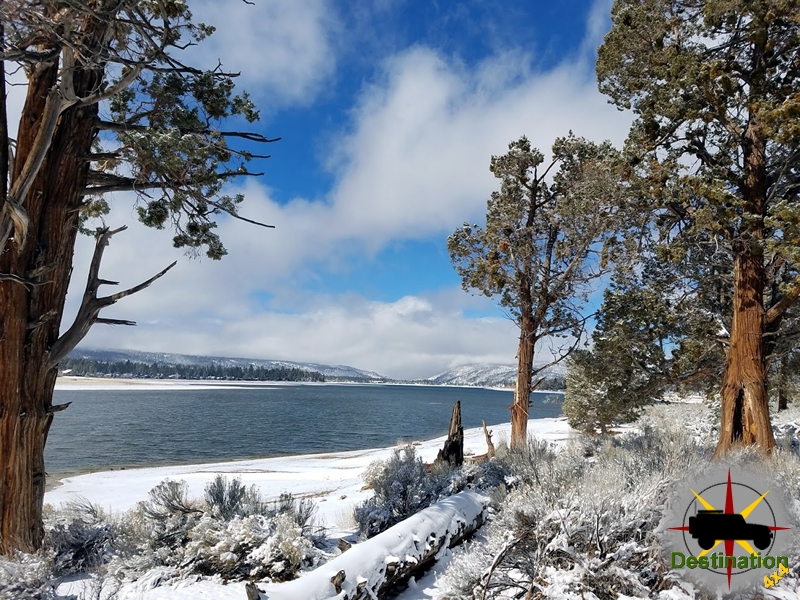
Big Bear, CA
I quiet mountain community full of back country adventure.
The Journey is the destination
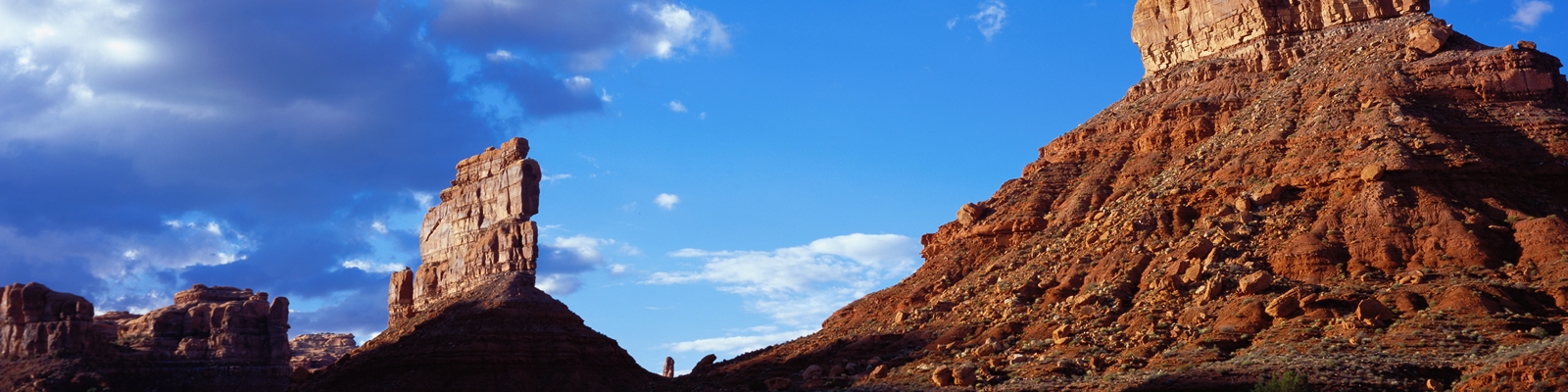
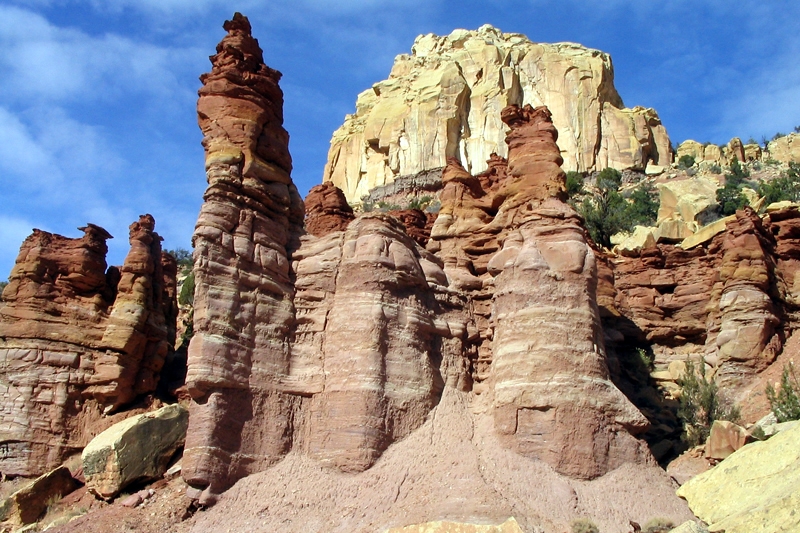
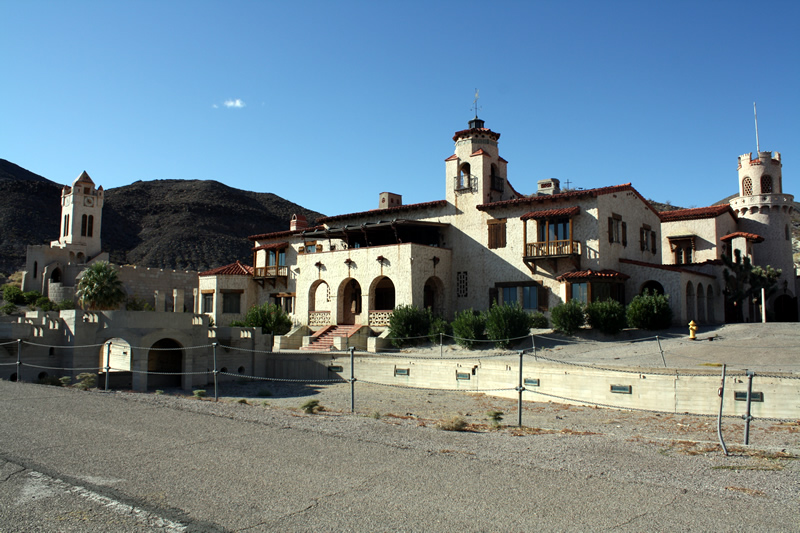
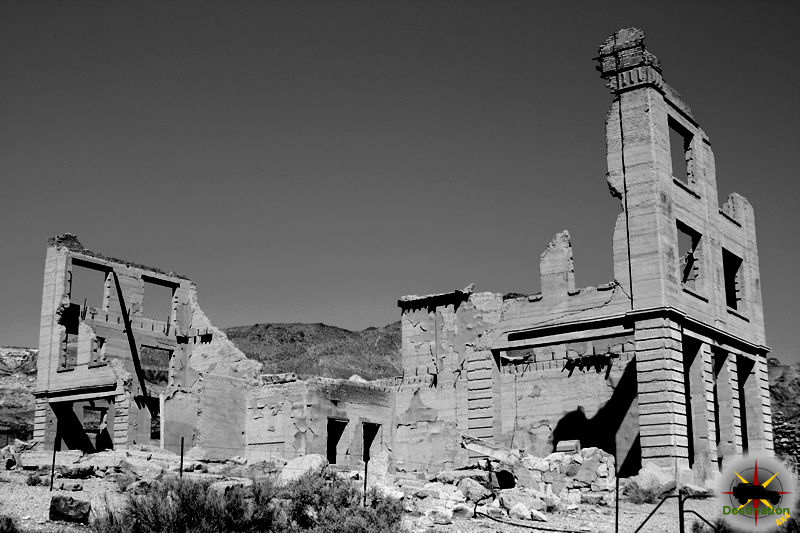

Thomas Boland, a notable figure in the history of Cerro Gordo, California, was born on April 7, 1835, in County Cork, Ireland. Boland’s early life was marked by hardship and resilience, qualities that would serve him well throughout his career. He immigrated to the United States during the Great Irish Famine, seeking better opportunities and the chance to build a new life.
Upon arriving in America, Boland initially settled in New York City, where he worked various labor-intensive jobs. His strong work ethic and determination soon led him westward, drawn by the promise of the California Gold Rush in the early 1850s. Like many immigrants of his time, Boland was eager to seize the opportunities presented by the rapidly expanding American frontier.
In the mid-1860s, Boland made his way to the Inyo Mountains of California, where he became involved in the burgeoning mining industry. The discovery of rich silver and lead deposits at Cerro Gordo attracted miners and entrepreneurs from all over the country. Boland, with his extensive experience and keen business sense, quickly established himself as a prominent figure in the mining community.
Boland’s contributions to Cerro Gordo were multifaceted. As a mining engineer and manager, he played a crucial role in developing the infrastructure necessary for large-scale mining operations. His expertise in geology and mining techniques helped optimize the extraction processes, significantly increasing the productivity of the mines. Boland was instrumental in implementing innovative technologies and methods that enhanced the efficiency and safety of mining activities.
One of Boland’s most significant achievements was his involvement in the construction of the Cerro Gordo Tramway, an aerial tramway designed to transport ore from the mines to the nearby Owens Valley. This engineering marvel, which spanned several miles of rugged terrain, revolutionized the transportation of ore and greatly reduced the costs associated with its movement. The tramway’s success was a testament to Boland’s vision and ingenuity.

In addition to his technical contributions, Boland was known for his leadership and commitment to the well-being of the mining community. He advocated for better working conditions, fair wages, and safety measures for the miners, earning their respect and loyalty. Boland’s efforts to improve living conditions in Cerro Gordo included the establishment of housing, schools, and healthcare facilities, which helped create a more stable and prosperous community.
Thomas Boland’s impact on Cerro Gordo extended beyond his lifetime. His pioneering spirit and dedication to innovation set a standard for future mining operations in the region. Boland’s legacy is remembered not only through his technical achievements but also through his commitment to the welfare of the people who lived and worked in Cerro Gordo.
Boland passed away on January 22, 1902, leaving behind a legacy of industrial progress and community development. His contributions to Cerro Gordo are a testament to the transformative power of hard work, innovation, and a steadfast commitment to improving the lives of others. Today, Thomas Boland is celebrated as one of the key figures who helped shape the history and success of Cerro Gordo during its most prosperous years.

Julius M. Keeler, a prominent figure in the development of the American West, was born on June 4, 1838, in Binghamton, New York. His early years were marked by a strong work ethic and a fascination with the burgeoning opportunities that the western frontier promised. These qualities would drive him to become a significant contributor to the mining and transportation industries of his time.
Keeler’s journey westward began during the California Gold Rush. In the early 1860s, he moved to California, drawn by the allure of fortune and the chance to make a name for himself. He initially worked in various mining camps, gaining firsthand experience in the challenges and rewards of mining life. His intelligence and knack for problem-solving quickly set him apart, and he began to acquire small stakes in successful mining ventures.
By the late 1870s, Keeler had established himself as a savvy and resourceful entrepreneur. His involvement with the Cerro Gordo Mines in the Inyo Mountains of California marked a turning point in his career. Alongside investors like Mortimer Belshaw, Keeler recognized the immense potential of the rich silver and lead deposits in the region. Their combined efforts transformed Cerro Gordo into one of the most productive mining operations in California.
Keeler’s role at Cerro Gordo extended beyond mining. Understanding the critical need for efficient transportation of ore, he spearheaded the construction of a wagon road to connect the remote mining camp with the Owens Valley. This road, later complemented by the narrow-gauge Carson and Colorado Railway, was crucial in ensuring the economic viability of the mines by facilitating the transport of ore to smelters and markets.
In recognition of his contributions to the region, the town of Keeler, California, was named in his honor. The town served as a vital shipping point for the Cerro Gordo Mines and played a significant role in the local economy. Under Keeler’s influence, the area saw improvements in infrastructure and living conditions, benefiting both the mining community and the broader region.
Beyond his achievements in mining and transportation, Julius M. Keeler was known for his philanthropic endeavors. He supported various community initiatives, including the establishment of schools and healthcare facilities. His commitment to improving the lives of those around him reflected his belief in the potential of the American West as a place of opportunity and growth for all its inhabitants.
Keeler’s later years were spent overseeing his various business interests and continuing his philanthropic work. He remained a respected figure in the community until his death on January 15, 1908. His legacy is remembered through the lasting impact of his contributions to the mining industry and the development of the Owens Valley region.
Julius M. Keeler’s life story is a testament to the spirit of innovation, determination, and community-mindedness that characterized the American frontier during its most transformative years. His work not only advanced the economic prospects of his time but also laid the groundwork for future generations to thrive in the West.

Mortimer William Belshaw, often remembered for his significant contributions to the mining industry in the American West, was born on November 30, 1833, in New York City. His early life was marked by a keen interest in geology and engineering, which would later shape his career and legacy.
Belshaw moved to California during the Gold Rush era in search of fortune and adventure. His arrival in California coincided with a period of intense economic and industrial development, particularly in mining. Belshaw’s technical skills and innovative mindset quickly distinguished him from many of his contemporaries. He initially worked in various mining operations, gaining valuable experience and knowledge about the industry.
In the early 1860s, Belshaw became involved with the Cerro Gordo Mines in the Inyo Mountains of California. This venture would become his most notable achievement. Recognizing the potential of the rich silver and lead deposits in the area, Belshaw partnered with other investors to develop the mines. His engineering expertise was crucial in overcoming the significant logistical challenges posed by the remote and rugged location of the mines.
Belshaw’s most famous contribution to the Cerro Gordo Mines was the construction of an innovative transportation system known as the Belshaw Tramway. This aerial tramway, one of the earliest of its kind, was designed to transport ore from the mines to the smelters more efficiently than traditional methods. The tramway significantly boosted the productivity of the Cerro Gordo Mines, leading to a period of substantial economic success for Belshaw and his partners.
Under Belshaw’s management, the Cerro Gordo Mines became one of the most productive mining operations in California during the late 19th century. The wealth generated from the mines contributed to the growth and development of the surrounding region, including the establishment of the town of Cerro Gordo, which became a bustling mining community.
Beyond his technical achievements, Belshaw was known for his fair treatment of workers and his efforts to improve working conditions in the mines. He believed in the importance of safety and welfare for his employees, which was relatively progressive for the time. This approach not only garnered loyalty from his workforce but also set a precedent for more humane labor practices in the mining industry.
Belshaw’s success at Cerro Gordo allowed him to invest in other mining ventures and businesses, further cementing his status as a prominent figure in the mining industry. Despite facing various challenges, including fluctuating metal prices and occasional legal disputes, Belshaw’s entrepreneurial spirit and resilience ensured his continued influence in the field.
Mortimer Belshaw passed away on January 19, 1905, leaving behind a legacy of innovation and progress in the mining industry. His contributions to mining engineering and his commitment to improving labor conditions remain influential, highlighting his role as a pioneer in the development of modern mining practices.

Schellbourne, located in the Schell Creek Range in White Pine County, Nevada, approximately 43 miles north of Ely, is a well-preserved ghost town with a rich history tied to the Shoshone people, the Pony Express, military outposts, and a brief but vibrant mining era. Once a bustling hub along the Central Overland Route and the original Lincoln Highway, Schellbourne’s historical significance is marked by Nevada Historical Marker No. 51 and its listing on the National Register of Historic Places in 1972, with boundaries expanded in 1977. This report explores Schellbourne’s evolution from a Native American village to a key stopover in the American West and its eventual decline into a ghost town.
Long before European settlers arrived, the Schellbourne area was a Shoshone village site, with the Kusiutta (Goshute) people living in harmony with the harsh Great Basin environment. The Goshute relied on resources like pinyon pine nuts, thriving despite the arid desert and extreme temperatures. Their presence in the region predates recorded history, and their cultural connection to the land persisted through centuries of change. The arrival of trappers and explorers in 1827 disrupted Goshute life, restricting access to traditional hunting and gathering sites and sparking tensions that culminated in a treaty in 1863, establishing reservations for the Skull Valley and Deep Creek Goshute bands.
In 1859, Captain James Simpson scouted Schellbourne as part of an effort to find a shorter route across the Great Basin. That same year, an Overland Stage and Mail station was established, marking the beginning of Schellbourne’s role as a critical stopover. Named Schell Creek Station, it served George Chorpenning’s Jackass Mail and later became a Pony Express station in 1860. The Pony Express, operational for only 18 months, relied on Schellbourne for mail delivery and stock exchange, with riders like Elijah Nichols “Uncle Nick” Wilson braving dangers such as Paiute raids. In June 1860, after a raid killed the stationmaster and two attendants, the U.S. Army established a small military post, later named Fort Schellbourne after Major A.J. Schell, to protect the stage and mail lines from conflicts with the Newe (Goshute and Western Shoshone) people. The Overland Telegraph arrived in 1861, further cementing Schellbourne’s role as a communication hub. The fort was abandoned in 1862 as tensions with local tribes subsided, and the Overland Stage ceased operations in 1869 after the Central Pacific Railroad’s completion to the north.
In 1871, prospector James McMahon discovered silver ore in the mountains east of Schellbourne, leading to the creation of the Aurum Mining District. The town, officially named Schellbourne, grew rapidly, boasting a population of over 500 by 1872. The community featured four or five saloons, a Wells Fargo office with heavy steel doors, two law offices, a livery stable, two boarding houses, two restaurants, three stores, and a five-stamp mill. The Schell Creek Prospect newspaper published its first edition in July 1872 but folded within seven months, reflecting the town’s fleeting prosperity. At its peak, nearly 400 residents lived around the old Pony Express station. However, richer silver deposits discovered in nearby Cherry Creek in late 1872 triggered a mass exodus, with mining equipment and buildings relocated across Steptoe Valley. By 1885, the ore was largely depleted, and Schellbourne’s population dwindled to around 50, effectively ending its mining era.
After the mining bust, “Uncle Billy” and Eliza Burke acquired the Aurum Mining District and adjacent valley, transforming Schellbourne into a ranch headquarters. The Schellbourne post office, operational from December 1871 to October 1925, served the ranching community. Today, Schellbourne operates as a private ranch, with some original buildings preserved, though many have been razed, to the dismay of local historians. A small cemetery, protected under the Recreation and Public Purposes Act, remains near the ruins. The Schellbourne Rest Area on U.S. Highway 93, located four miles west of the original townsite, features interpretive panels and a silhouette of a Pony Express rider, providing visitors with historical context.
Schellbourne’s multifaceted history encapsulates the dynamic changes of the American West in the 19th century. From a Shoshone village to a Pony Express and military outpost, a booming mining camp, and finally a ranching hub, it reflects the region’s economic and cultural shifts. Its designation as Nevada Historical Marker No. 51 and inclusion on the National Register of Historic Places underscore its importance. The site’s connection to the Goshute people, the Pony Express National Historic Trail, and the Lincoln Highway highlights its role as a crossroads of Native American heritage, westward expansion, and early American infrastructure.
Schellbourne, Nevada, stands as a testament to the transient nature of frontier towns, shaped by Native American resilience, the rapid pace of the Pony Express, military protection, and the boom-and-bust cycle of mining. Though now a quiet ghost town on private land, its historical markers and preserved remnants ensure its story endures. Visitors to the Schellbourne Rest Area can glimpse this legacy, connecting the past to the present in the remote Schell Creek Range.
Nevada State Historical Markers identify significant places of interest in Nevada’s history. The Nevada State Legislature started the program in 1967 to bring the state’s heritage to the public’s attention with on-site markers. These roadside markers bring attention to the places, people, and events that make up Nevada’s heritage. They are as diverse as the counties they are located within and range from the typical mining boom and bust town to the largest and most accessible petroglyph sites in Northern Nevada Budget cuts to the program caused the program to become dormant in 2009. Many of the markers are lost or damaged.
Most of the markers across the state are large blue metal markers. However, there are a variety of other marker styles out there. For this guide they have been simplified into a few categories (blue, blue small, concrete, and stone). Sometimes, the markers are on buildings, fences, or metal stands.
Schellbourne was a mail station and town, located approximately four miles east of this marker in Stage Canyon, nestled in the Schell Creek mountain range. The Pony Express established a mail station and corral there in 1860, providing mail service to the region until 1861, when the Overland Stage company took over the route. A small military post known as Fort Schellbourne joined the station until 1862, protecting the stage line during the conflicts between whites and the Newe (Goshute and Western Shoshone) Indians.
Prospectors discovered silver ore in the mountains immediately to the east of Schellbourne in the early 1870s, and created the Aurum Mining District in 1871. An active mining camp developed with a population of over 500 people. By 1885, the ore had been mostly depleted, with other mining towns like Cherry Creek drawing residents away. The district and adjacent valley were acquired by Uncle Billy” and Eliza Burke as a ranch and hotel. Schellbourne has subsequently operated as the headquarters for various ranches since that time.
STATE HISTORICAL MARKER No. 51
STATE HISTORIC PRESERVATION OFFICE
WHITE PINE PUBLIC MUSEUM INC.
| Name | Schellbourne |
| Location | White Pine County, Nevada |
| Latitude, Longitude | 39.7969, -114.7419 |
| Nevada State Historic Marker | 51 |

Pershing County, located in north-central Nevada, is a rural county with a population of approximately 6,192 as of 2025, making it the 11th largest county in the state. Covering 6,067 square miles, it is characterized by vast open spaces, with 6,037 square miles of land and only 0.5% water. The county seat is Lovelock, named after early settler George Lovelock, and the county itself is named for General John J. Pershing, a World War I hero. Established on March 18, 1919, as Nevada’s last county, it was carved from Humboldt County.
The county’s landscape includes the prominent Star Peak, the tallest mountain at 9,840 feet, and part of the Black Rock Desert, famous for hosting the Burning Man festival. Historically, Pershing County was a key stop on the Humboldt Trail, known as Big Meadows, where 19th-century emigrants rested before crossing the Forty Mile Desert. Mining, dating back to the 1850s, and cattle ranching remain economic staples, with modern agriculture focusing on alfalfa and wheat production.
Demographically, the 2020 census reported a racial makeup of 77.69% White, 5.35% Black, 3.42% Native American, 0.63% Asian, 0.22% Pacific Islander, 9.38% other races, and 3.30% multiracial, with 19.33% of residents identifying as Hispanic or Latino. The median household income is $72,007, with a per capita income of $42,694 and a poverty rate of 8.05%. Housing is sparse, with 2,389 units at a density of 0.39 per square mile, and most residents own their homes.
Politically, Pershing County leans heavily Republican, with the last Democratic presidential candidate to win it being Lyndon Johnson in 1964. The county has a low incidence of natural disasters compared to the U.S. average, though it experiences significant earthquake activity. Public schools are above average, and the county supports a conservative community lifestyle. Key locations include Lovelock, the largest city, and smaller communities like Imlay and ghost towns such as Seven Troughs, tied to early 20th-century gold mining.
Nevada State Historical Markers identify significant places of interest in Nevada’s history. The Nevada State Legislature started the program in 1967 to bring the state’s heritage to the public’s attention with on-site markers. These roadside markers bring attention to the places, people, and events that make up Nevada’s heritage. They are as diverse as the counties they are located within and range from the typical mining boom and bust town to the largest and most accessible petroglyph sites in Northern Nevada Budget cuts to the program caused the program to become dormant in 2009. Many of the markers are lost or damaged.
Pershing County 1964
Here was a key point on Nevada’s earliest road, the famed Humboldt Trail that brought 165,000 emigrants west in the 1840’s and 50’s. Travelers named this rich valley The Big Meadows and stopped for water and grass before continuing south to cross the dreaded 40-Mile Desert, the most difficult lap on the trail to California.
Mining, still an important industry, began here in 1850’s. George Lovelock, merchant, rancher and prospector, gave his name to the county seat. The coming of the railroad in 1869 brought new growth to the area. Pershing County, established in 1919, was previously part of Humboldt County.
Nevada Centennial Marker No. 17
| Name | Pershing County |
| Location | Pershing County, Nevada |
| Latitude, Longitude | 40.1803, -118.4769 |
| Nevada State Historic Marker | 17 |