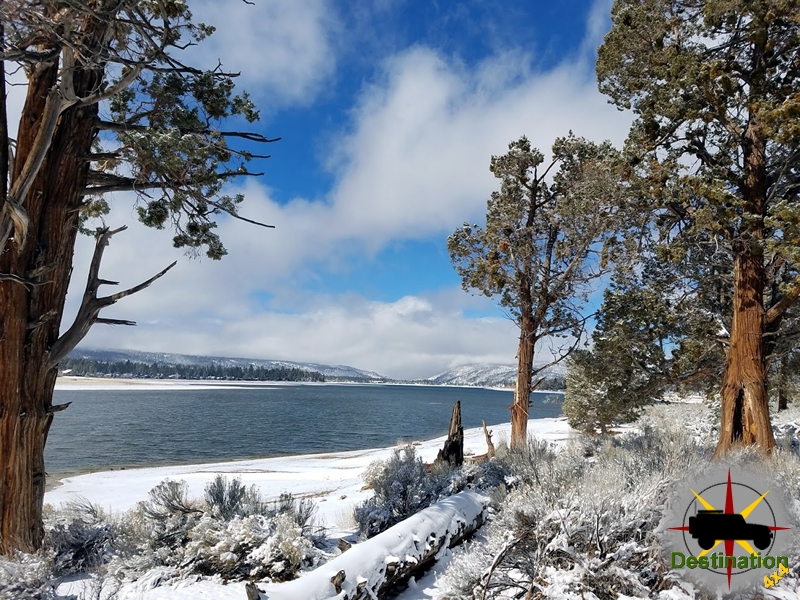
Big Bear, CA
I quiet mountain community full of back country adventure.
The Journey is the destination
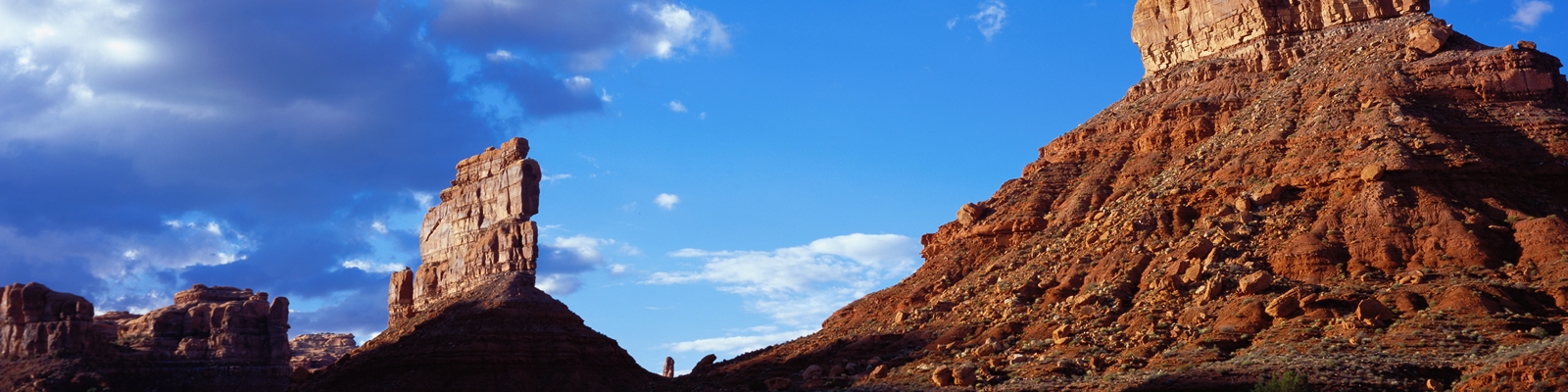
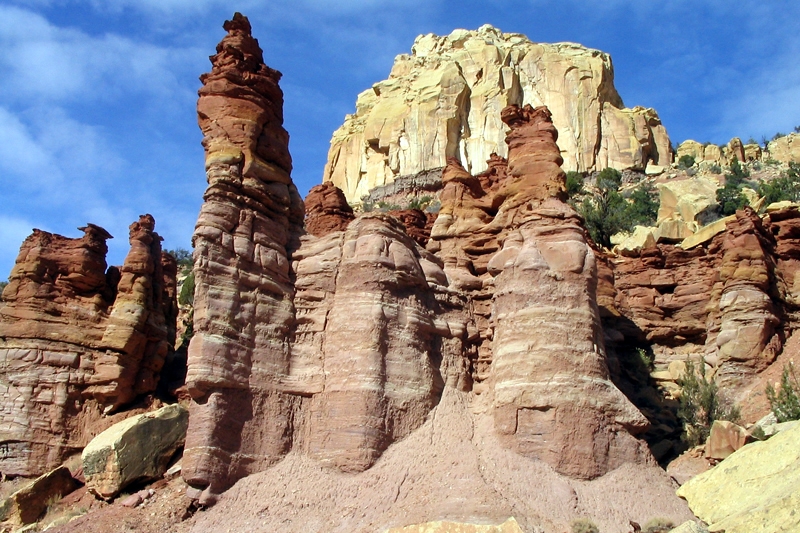
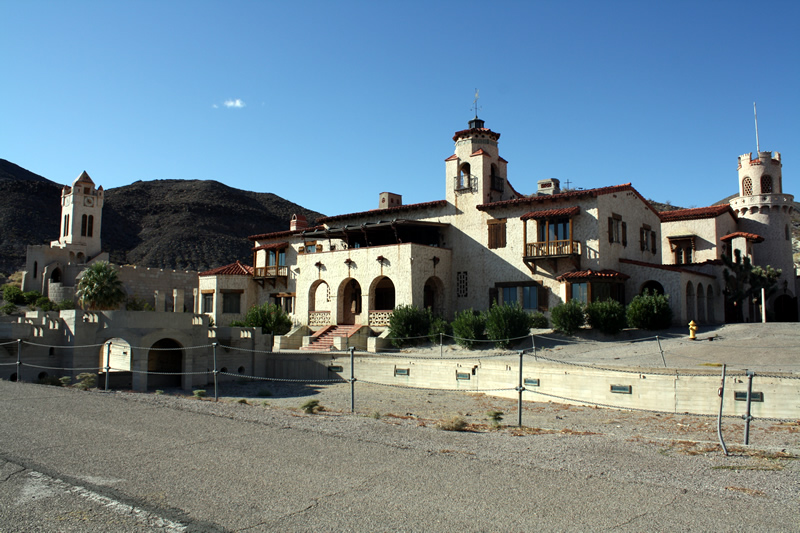
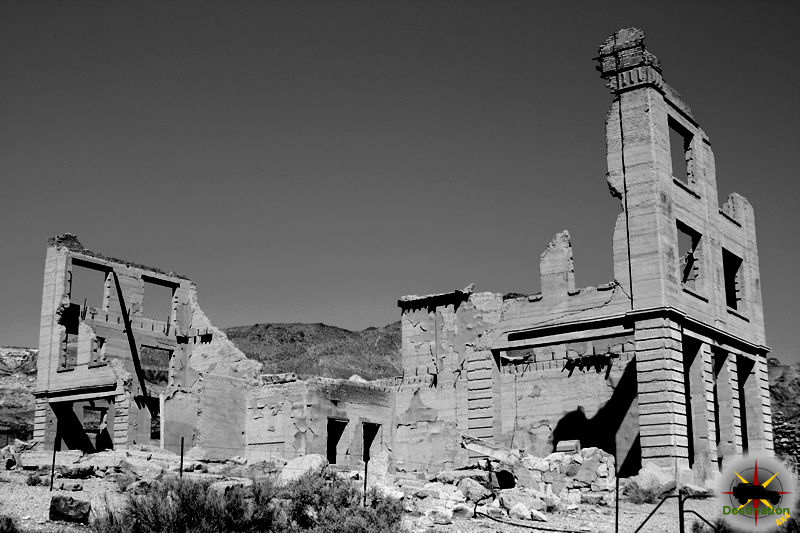
The Death Valley Railroad (DVRR) was a historic 3 ft (914 mm) narrow-gauge railroad that once operated in Death Valley. Built primarily to support mining operations in the remote and harsh terrains of the Death Valley region, it played a crucial role in the economic development of the area during the late 19th and early 20th centuries. The line started in Death Valley Junction, CA and followed the modern California State Route 190 down the the mining camp of Ryan.

The idea of constructing a railroad in the inhospitable terrain of Death Valley emerged during the late 19th century with the discovery of various valuable mineral deposits. Initially, the isolated mining communities were heavily dependent on mule teams and wagons for transportation, which was both slow and inefficient.
In 1904, the Pacific Coast Borax Company, recognizing the need for a more efficient transportation system, began the construction of the Death Valley Railroad. The railway was intended to connect the mining towns of Ryan, near Death Valley, to the Tonopah and Tidewater Railroad, which served the wider region.

The construction of the railroad faced immense challenges due to the rugged landscape, extreme weather conditions, and the scarcity of resources in the area. The laborers encountered difficulties such as intense heat, lack of water, and treacherous terrain, but despite these challenges, the construction continued.
By 1914, the DVRR was fully operational, enabling the efficient transportation of borax, gold, silver, and other minerals from the mines to the broader market. The railroad significantly reduced transportation costs and facilitated the growth of mining operations in the area.

One train ran each day delivering food and water to the workers at the Ryan mine in the mourning. The same train bought ore back late in the afternoon. After better deposits of borax were discovered at Boron, the Death Valley Railroad tried to resort to tourist operations by bringing in a Brill railcar to transport tourists to the old mines which made up Furnace Creek. A Brill car is a self propelled gasoline rail vehicle.
California State Route 190 roughly follows the route of this railroad.
Eventually, with the Great Depression of the 1930s and the increased usage of automobiles and trucks for transportation. The narrow gage D V R R ceased its operations in 1931. The tracks were removed, and much of the equipment was sold off or abandoned, marking the end of an era for the railroad and the mining communities it had served.
Although the Death Valley Railroad’s existence was relatively short-lived, it played a pivotal role in the development of the Death Valley region, contributing significantly to the growth of the mining industry and the economic prosperity of the local communities during its operation. Today, remnants of the railroad’s route can still be found in the Death Valley National Park, serving as a testament to its historical significance and the challenges faced by early industrial pioneers in this unforgiving landscape.


| Name | Death Valley Railroad |
| Location | Nye County, Nevada Death Valley, California |
| Gage | Narrow Gage, 3 ft (914mm) |
| Length | 25 Miles |
| Years of Operation | 1914 – 1931 |
| Locomotive | Manufacturer | Service | |
| Heisler #2 “Francis” | 2-Truck | Stearns Manufacturing Locomotive Works | 1899 – 1925 |
| Baldwin DVRR No 1 | 2-8-0 | Baldwin Locomotive Works | |
| Baldwin DVRR No 2 | 2-8-0 | Baldwin Locomotive Works | 1916 – |
Devil’s Gate is a historic natural landmark and narrow gorge in Gold Canyon, located in Lyon County, Nevada, on the boundary line with Storey County. Situated approximately 3.5 miles south of Virginia City along what is now Nevada State Route 341/342 (near the entrance to Silver City), it consists of a rugged reef of metamorphic rock forming twin craggy walls that nearly meet in the center, creating a dramatic, constricted passage. Once a critical gateway for travelers and miners heading to the Comstock Lode, the site earned its ominous name from its foreboding appearance and reputation. It was never a large town but featured a short-lived settlement with hotels, saloons, and a toll station. Today, it is preserved as Nevada State Historic Marker No. 223, serving as a tangible reminder of the early Nevada Territory’s mining frenzy.

The history of Devil’s Gate is inextricably linked to the first gold discoveries in Gold Canyon, which foreshadowed the massive Comstock Lode silver boom. In June 1850, prospectors John Orr and Nicholas Kelly unearthed the first gold nugget found in Gold Canyon near the site. For the next decade, the canyon south of Devil’s Gate became a hub of placer mining activity.
By the late 1850s, the narrow passage through the rock formation had become a well-traveled route. Part of the jagged rock wall was blasted away in the mid-19th century to widen it for wagon traffic, transforming it into a practical (if still intimidating) thoroughfare. An official toll station operated at the gate, as it provided the easiest access toward Virginia City and the emerging mines.
The Silver City mining district (initially called the Devil’s Gate district) was formally established on November 19, 1859. The first claim, the Wildcat, was recorded shortly after, and by early 1860 over 100 claims existed in the roughly 3.5-by-4-mile area centered near Silver City.
Devil’s Gate reached its peak significance in the early 1860s as thousands of adventurers, miners, and freight teams paraded through the gorge en route to the gold and silver mines of the Comstock Lode. In summer 1860, one of the first stamp mills in the Nevada Territory was erected just south of the gate to process ore from the surrounding placer operations.
The site gained a notorious reputation as a hideout for highwaymen and robbers in the late 1850s and early 1860s. Travelers frequently reported being robbed of watches, wallets, and valuables in the narrows. Journalist J. Ross Browne, in his 1860 account A Peep at Washoe, described the place as giving “a forcible impression of the unhallowed character of the place,” noting that the trip through the gate felt unsafe due to its ominous atmosphere.
During the brief Paiute War (also known as the Pyramid Lake War) in May 1860, residents of the growing nearby settlement of Silver City constructed a stone battlement and fort atop the eastern summit of Devil’s Gate. They even mounted a wooden cannon for defense against potential attacks.
A small settlement called Devil’s Gate briefly flourished right at the gate itself, serving travelers and miners with two hotels, several saloons, shops, stables, and other businesses. Silver City, which developed adjacent to the gate, grew into an important milling and supply center for the Comstock mines and the ore-processing mills along the Carson River. At its height in 1861, Silver City had a population of about 1,200.
The completion of the Virginia and Truckee Railroad in 1869 bypassed much of the freight traffic that had sustained Devil’s Gate and Silver City, leading to a sharp decline. Local mines and mills proved less productive than those in Virginia City and Gold Hill, and the area’s role as a transportation hub diminished. The short-lived settlement at Devil’s Gate faded, though Silver City retained some historic structures and continued as a smaller community tied to the broader Comstock region.
Devil’s Gate survives today primarily as a historic landmark rather than an active community. The Nevada State Historic Marker (No. 223), erected by the Division of Historic Preservation and Archaeology and sponsored by the Reno Chapter of the National Society Daughters of the American Colonists, stands near the site and recounts its story. The surrounding area near Silver City preserves remnants of 19th-century mining infrastructure, including foundations, wooden vats, and milling frames.
The site remains accessible via public roads and continues to draw history enthusiasts, hikers, and those interested in the Comstock Lode era. It is not a populated census-designated place but is integral to the historic fabric of Lyon and Storey counties. Nearby Silver City maintains a small population, a post office, and historic buildings that echo the region’s mining past.
Devil’s Gate exemplifies the raw, perilous, and opportunistic spirit of Nevada’s territorial mining frontier. From the 1850 gold discovery that sparked placer operations to its role as a dangerous yet vital gateway for thousands bound for the Comstock Lode, the site played a foundational part in the development of Lyon County and the broader American West. Though the settlement was short-lived and the robberies and wartime defenses are now distant memories, the narrow gorge and its historic marker stand as enduring symbols of the rugged journey that built Nevada’s mining legacy. Today, it offers visitors a direct connection to the adventurous souls who transformed a remote canyon into a cornerstone of the Silver State’s history.
Nevada State Historical Markers identify significant places of interest in Nevada’s history. The Nevada State Legislature started the program in 1967 to bring the state’s heritage to the public’s attention with on-site markers. These roadside markers bring attention to the places, people, and events that make up Nevada’s heritage. They are as diverse as the counties they are located within and range from the typical mining boom and bust town to the largest and most accessible petroglyph sites in Northern Nevada Budget cuts to the program caused the program to become dormant in 2009. Many of the markers are lost or damaged.
It gives … “a forcible impression of the unhallowed character of the place.” J. Ross Browne . 1860
This rugged reef of metamorphic rock was once one of the famous landmarks of the Nevada Territory. In June of 1850, John Orr and Nicholas Kelly unearthed a gold nugget nearby, the first ever found in Gold Canyon. For the next ten years, the can was the scene of placer mining and one of the first stamp mills in the Territory was erected just to the south of Devil’s Gate during the summer of 1860.
During the brief Paiute War of May, 1860, the people of Silver City built a stone battlement atop the eastern summit and constructed a wooden cannon for protection.
Devil’s Gate marks the boundary line between Storey and Lyon Counties. Through this narrow gorge paraded thousands of the most adventurous souls of the mining West as they made their way to the gold and silver mines of the Comstock Lode.
STATE HISTORICAL MARKER No. 223
DIVISION OFHISTORIC PRESERVATION AND ARCHAEOLOGY
SPONSORED BY:
RENO CHAPTER OF THE NATIONAL SOCIETY
DAUGHTERS OF THE AMERICAN COLONISTS
Nevada State Historic Marker number two hundred twenty three is location on the western side of Nevada State Route near the geologic feature. The marker is just north of Silver City, Nevada.

| Name | Devil’s Gate |
| Location | Lyon County, Nevada |
| Latitude, Longitude | 39.2667, -119.6419 |
| GNIS | 222304 |
| Nevada State Historic Marker | 223 |

Gypsum Cave, located in the Mojave Desert of Clark County, Nevada and the subject of Nevada State Historic Marker number 103. The cave system is a significant archaeological site known for its rich history and diverse ecological significance. The dry, cool air within the cave allowed for the mummification of Pleistocene fossils and most notably soft tissue, hair, and dung. The mummification process of this material allowed for the preservation of DNA from over 11,000 years ago. The cave has garnered attention from both scientists and archaeologists due to its well-preserved ancient artifacts and evidence of prehistoric human occupation.
Gypsum Cave is characterized by its unique geology, primarily comprising gypsum deposits. The cave formation is attributed to the dissolution of gypsum by water, leading to the creation of intricate patterns and formations within the cave. These formations include stalactites, stalagmites, and gypsum flowers, contributing to the aesthetic appeal and scientific interest of the cave.
The cave holds immense historical significance due to its association with the ancient inhabitants of the region. Archaeological excavations have revealed evidence of human occupation dating back to the prehistoric era. The discovery of well-preserved artifacts, such as stone tools, hearths, and rock art, has provided valuable insights into the lifestyles and cultural practices of the early inhabitants, including the Paleo-Indians and the Ancient Puebloans.
Apart from its archaeological value, Gypsum Cave also supports unique ecological communities. The cave ecosystem sustains various species of microorganisms, insects, and small mammals adapted to the cave environment. Additionally, the surrounding Mojave Desert landscape harbors a diverse range of plant and animal species, contributing to the overall biodiversity of the region.

Presently, ongoing research initiatives focus on further exploring the archaeological remains within Gypsum Cave to deepen our understanding of the early human presence in the area. The preservation of the cave’s delicate ecosystem and archaeological resources remains a key priority for conservation efforts. Collaborative measures involving government agencies, local communities, and research institutions aim to establish sustainable preservation strategies while promoting responsible tourism and public education about the cave’s significance.
Gypsum Cave stands as a testament to the rich history and geological diversity of the Nevada region. Its unique blend of geological formations, historical artifacts, and ecological significance continues to inspire scientific inquiry and foster a deeper appreciation for the cultural heritage and natural wonders of the area. Continued efforts to preserve and study Gypsum Cave will contribute to our understanding of early human civilizations and the intricate balance of ecosystems within cave environments.
Nevada State Historical Markers identify significant places of interest in Nevada’s history. The Nevada State Legislature started the program in 1967 to bring the state’s heritage to the public’s attention with on-site markers. These roadside markers bring attention to the places, people, and events that make up Nevada’s heritage. They are as diverse as the counties they are located within and range from the typical mining boom and bust town to the largest and most accessible petroglyph sites in Northern Nevada Budget cuts to the program caused the program to become dormant in 2009. Many of the markers are lost or damaged.
Gypsum Cave was once thought to be one of the oldest aboriginal sites in North America. The cave is 300 feet long and 120 feet wide and is filled with dry, dusty deposits in all six rooms.
When excavated in 1930-31, the cave yielded the skull, backbone, nine to twelve-inch claws, reddish-brown hair and fibrous dung of the giant ground sloth, a vegetarian species common in the more moist environment known here about 7,500 to 9,500 years ago. Bones from extinct forms of the horse and camel were also found.
Pieces of painted dart shafts, torches, stone points, yucca fiber string and other artifacts were found mixed in with the sloth dung. When the dung was dated at 8,500 B.C. by the radiocarbon method, it was believed the man-made tools were the same age. Two radiocarbon dates on the artifacts themselves, however, indicate that the ground sloth and man were not contemporaneous inhabitants of the cave. Man probably made use of the cave beginning about 3,000 B.C., long after the ground sloths had abandoned it.
| Name | The Gypsum Cave |
| Location | Clark County, Nevada |
| Latitude, Longitude | 36.2318, -114.8829 |
| Nevada State Historic Marker Number | 103, Marker is missing |
| National Register of Historic Places | 10000443 |
Nevada State Historic Marker no 104 is The Camel Corps located in Clark County Nevada along highway 163 near Laughlin. Sadly, according to the Historic Markers Database the marker is reported missing. The marker was originally installed around mile maker number eight.

The use of camels in the American West during the mid-19th century is a little-known but fascinating aspect of the region’s history. The Camel Corps in Nevada was a part of this larger story, involving the introduction of camels to the desert landscape of Nevada and their brief but impactful role in supporting westward expansion, military operations, and transportation in the arid state.
The idea of using camels in the American West can be traced back to Major George H Crossman in 1836, when explorers and military officers recognized the need for more suitable pack animals to traverse the vast, arid landscapes. Camels, with their ability to carry heavy loads over long distances and thrive in desert conditions, seemed like a logical choice. In 1855, U.S. Army Major Henry C. Wayne officially introduced camels to the American West through the U.S. Camel Corps, often referred to as the “Red Ghost” for its emblem.
In 1857, Edward F. Beale, a U.S. Navy officer and explorer, introduced the camels to Nevada as part of a surveying expedition. Beale and his team crossed Nevada, primarily along the 35th parallel, using camels as pack animals and for transportation. These camels successfully carried supplies and equipment across the state’s harsh deserts and mountain ranges, demonstrating their suitability for such conditions.
The outbreak of the American Civil War in 1861 disrupted the Camel Corps’s operations, as military resources were redirected to the conflict in the East. During the war, some camels were used in the southwestern United States for various purposes, but the Camel Corps was largely disbanded.
Although the Camel Corps was relatively short-lived, its impact on Nevada and the American West was significant. The camels helped explore and open up vast areas that were previously considered too inhospitable for travel, including parts of Nevada. They proved their worth in the arid regions of the state, and their presence during this period is remembered in various anecdotes and local legends.
One of the most famous stories is that of the “Red Ghost,” a feral camel that roamed the Nevada deserts for years after the disbandment of the Camel Corps. This camel, thought to be an escapee from the corps, became the subject of numerous sightings and legends.
The Camel Corps in Nevada, although a short-lived experiment, left an enduring mark on the history of the American West. The use of camels in the state demonstrated the adaptability of these animals to the harsh desert environments and contributed to the opening of previously inaccessible regions. Though the Camel Corps was eventually disbanded and camels largely faded from use in the West, their legacy lives on in the stories and legends of Nevada, reminding us of the innovative and adventurous spirit of those who sought to conquer the American frontier.
Nevada State Historical Markers identify significant places of interest in Nevada’s history. The Nevada State Legislature started the program in 1967 to bring the state’s heritage to the public’s attention with on-site markers. These roadside markers bring attention to the places, people, and events that make up Nevada’s heritage. They are as diverse as the counties they are located within and range from the typical mining boom and bust town to the largest and most accessible petroglyph sites in Northern Nevada Budget cuts to the program caused the program to become dormant in 2009. Many of the markers are lost or damaged.
In 1855, Congress authorized $30,000.00 for camels as frontier military beasts of burden because of their adaptability to desert heat, drought, and food.
Lt. Edward F. Beale surveyed the wagon route from Fort Defiance, New Mexico, to the Colorado River near the tip of present-day Nevada, testing the fitness of these camels. They crossed the Colorado River into what is today Nevada, north to Fort Mohave, October 18, 1857.
The experiment was not practical, but several of Beale’s camels hauled commercial freight from Sacramento to the Nevada territory. Others carried salt, ore, and supplies through central Nevada.
Careless treatment, domestic stock incompatibility and new transportation methods ended use of camels. Some were reportedly seen years later wandering in southwest deserts, making them a fixture of western folklore.
STATE HISTORICAL MARKER No. 104
STATE HISTORIC PRESERVATION OFFICE
| Name | The Camel Corps |
| Location | Clark County, Nevada |
| Latitude, Longitude | 35.1714, -114.7108 |
| Nevada State Historic Marker Number | 104 |
The history of the Eureka Mining District in Nevada is a tale of boom and bust, marked by the discovery of rich mineral deposits that brought prosperity to the region, followed by periods of decline and resurgence.

Mining in Eureka County begins in the mid-19th century when explorers and prospectors ventured into the Nevada desert in search of precious metals. The region was inhabited by indigenous peoples for centuries, but it was the arrival of Euro-American settlers that sparked the interest in mining.
The first major mining discovery in Eureka County occurred in the early 1860s when silver ore was found in the area that would later become known as Eureka. This discovery led to the establishment of the town of Eureka in 1864, which quickly grew into a mining hub. Eureka County was officially established in 1873, and the Eureka Mining District became one of the most important silver mining districts in the state of Nevada. The mines produced vast quantities of silver ore, attracting fortune-seekers, entrepreneurs, and investors.
The late 19th century was a period of prosperity for Eureka County. The town of Eureka itself boasted a population of several thousand, and the region’s mines were producing millions of dollars worth of silver annually. The Central Pacific Railroad reached Eureka in 1875, facilitating transportation of ore and supplies.
Like many mining towns of the era, Eureka experienced a decline in the early 20th century due to falling silver prices and changing economic conditions. Several mines closed, and the population dwindled. However, mining operations did not completely cease, and Eureka experienced a modest revival during World War II when demand for metals increased.
Nevada State Historical Markers identify significant places of interest in Nevada’s history. The Nevada State Legislature started the program in 1967 to bring the state’s heritage to the public’s attention with on-site markers. These roadside markers bring attention to the places, people, and events that make up Nevada’s heritage. They are as diverse as the counties they are located within and range from the typical mining boom and bust town to the largest and most accessible petroglyph sites in Northern Nevada Budget cuts to the program caused the program to become dormant in 2009. Many of the markers are lost or damaged.
In 1864, a group of prospectors from Austin, Nevada discovered rock containing a silver-lead mixture on Prospect Peak. Since then, miners have struggled to reach minerals deep within these hillsides of the Eureka Mining District–a vital part of Nevada’s mining heritage and future. By 1878, the population of Eureka and nearby Ruby Hill was over 9,000. The Eureka Mining District ranked as Nevada’s second richest mineral producer (the Comstock ranked first). Ore veins of silver, lead, and other base materials were rich enough to justify enormous underground mine development and financial risk. Eureka’s greatest production was from 1870 to 1890. By 1900, changing market conditions reduced demand for the District’s materials. Many of the mines closed. A few smaller mines remained in operation until the 1920s, but it was nothing like the early days. Revival of the Eureka Mining District has recently occurred with the introduction of a mining technology called heap leaching. This method allows for profitable and more efficient processing of rock containing trace amounts of gold. Examples of old and new mining operations can be seen from here. At the base of the hill is the heap-leach pad and rock piles of a modern mining operation. Near the top of the hill is the Fad Shaft, a remnant of earlier mining days.
THE FAD SHAFT – This Area’s Last Underground Mining OperationProspectors discovered the Fad claim in 1906 but did not start mining until the 1940s. Geological theory suggested that ore existed 2,500 feet below the surface. From the 1940s to the 1960s, sporadic mining occurred at the shaft. Then at 2,465 feet, only 35 feet from their target, they encountered water. Flooding was so great that mining halted. The Fad closed a short time later. Ironically, the Fad Shaft, the last attempt at underground mining in the Eureka District, never produced any ore.
Many hills around Eureka still contain rock piles, open shafts, and abandoned mining equipment. During Eureka’s heyday, many headframes similar to the Fad dotted these hillsides. Most have since disappeared, leaving only a handful as reminders of the past.
MODERN GOLD MINING
Heap leaching removes trace amounts of gold from rock that would have been considered worthless in mining days of old. The gold is so small that it can only be seen with a microscope. Gold bearing rock is crushed into pebbles and pled (heaped) onto a thick plastic liner. A weak cyanide mixture dissolves the gold while gravity slowly draws (leaches) the gold-laden solution into collection tanks.
Throughout history mining has changed the landscape. Mining’s effects have changed as technology has advanced. Reclamation is now standard practice upon mine closure. Whether underground or surface, mining remains an important symbol of Nevada’s heritage.
STATE HISTORICAL MARKER No. 254
STATE HISTORIC PRESERVATION OFFICE
| Name | The Eureka Mining District Producing Ore Since 1864 |
| Location | Eureka County, Nevada |
| Latitude, Longitude | 39.5554, -115.9958 |
| Nevada State Historic Marker Number | 254 |
