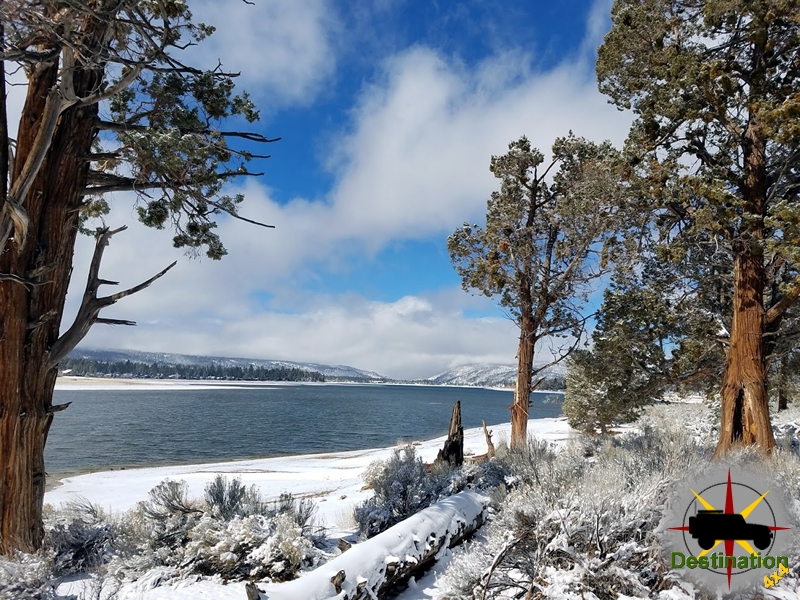
Big Bear, CA
I quiet mountain community full of back country adventure.
The Journey is the destination
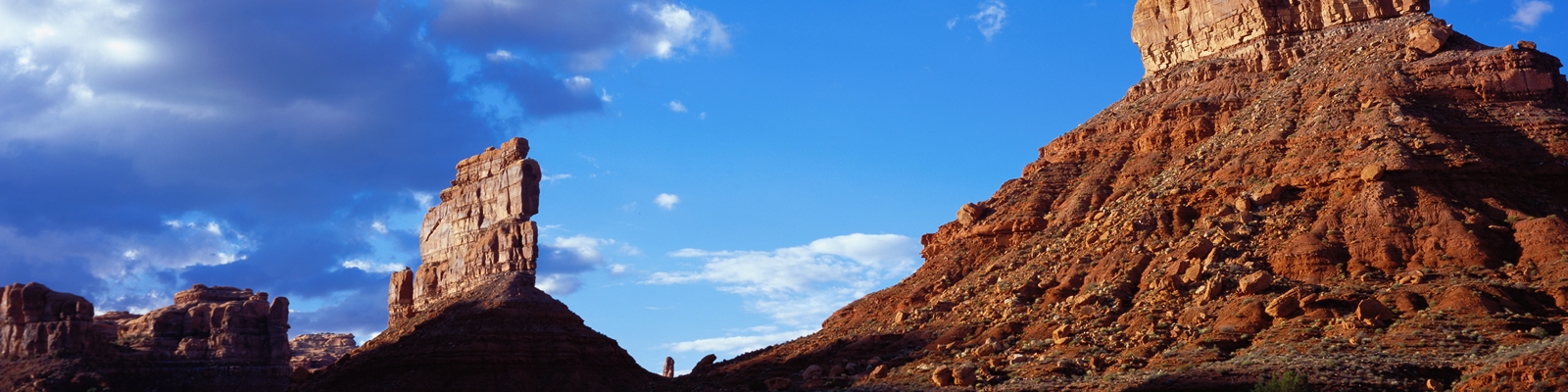
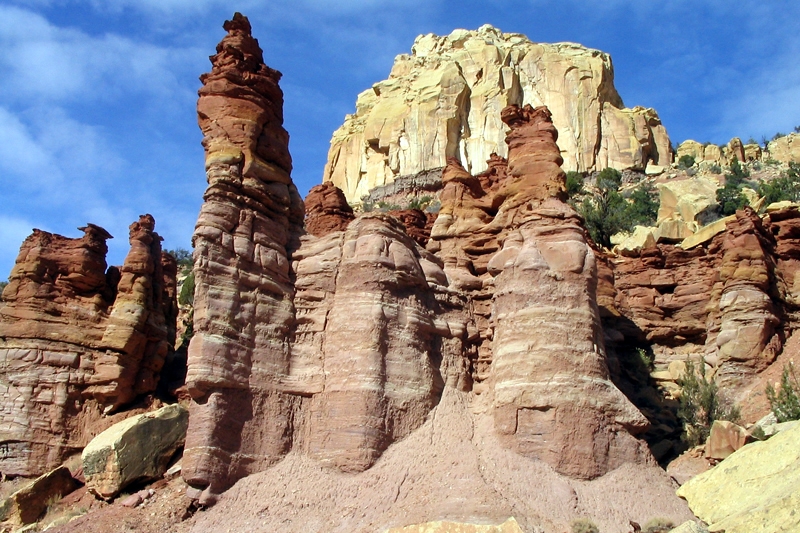
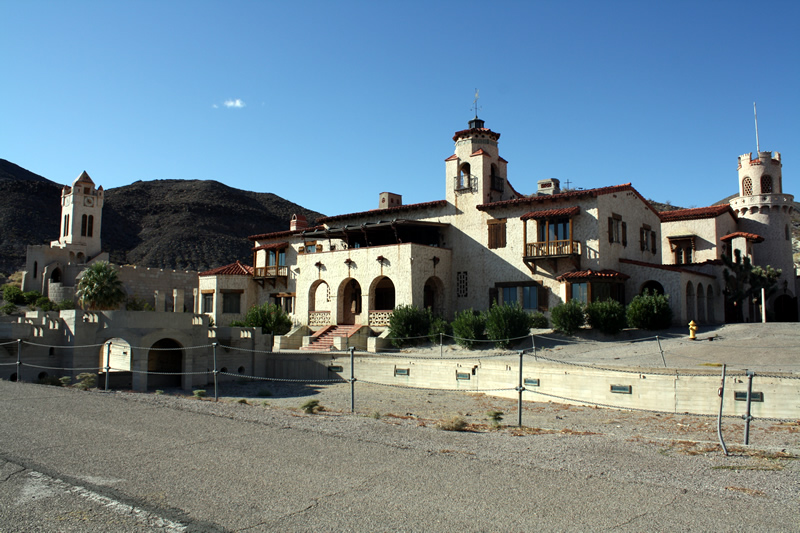
The Hangman’s Tree is a point of interest found along the Gold Fever Off Road Trail in Holcomb Valley in the San Bernardino Mountains.

As miners and prospectors came to seek their fortune, outlaws, claim jumpers, gamblers and other trouble makes followed close behind. In late August, 1861, Holcomb valley is overrun by a group of organized horse thieves from Salt Lake City. The group, known as the Button’s Gang take over was so complete, the simply took over any cabin or settlement and appropriated any supplies and equipment within.
In the first two years since the discovery of Holcomb valley, over 50 murders are committed in the area. “Hell Roaring Johnson” is shot and killed for trying to fix the first election to be hold in the valley. Some outlaws evaded justice, but those not as fortunate found their reward at the Hangman’s Tree.
The tree labelled as the “Hangmans Tree” is not the original tree used in the 1800’s. However, it is commonly mistaken for the famous tree from Holcomb’s history. The remains of the original tree is believed to be located where a stump exists about 100 feet east of the Bellville Cabin.
| Name | Hangman’s Tree |
| Location | Holcomb Valley, San Bernardino County, California |
| Latitude, Longitude | 34.3034, -116.8891 |
| Gold Fever Trail Marker | 5 |
The Arrastres is a point of interest found along the Gold Fever Off Road Trail in Holcomb Valley in the San Bernardino Mountains.

The device is the oldest tool for recovering gold from rock and employed by Mexican miners. The device consists of a low concrete wall surrounding a level flat concrete floor. In the center is a post around which a horizonal beam and pulled by a mule or donkey. Hanging from the beam using chain would be a large boulder which would pulverize gold ore, facilitating gold extraction. This is a very slow process and inefficient process and the team would circle the site for hours while the heavy boulder performed its task. A single pile of ore could take four hours to process.
The Arrastres site in Holcomb Valley is a wonderful example of early gold mining technology locate en situ near the Bellville Townsite. The site is a very short hike (150 feet ) from the one remaining building at the site and well worth the walk. At tone time, it is estimate that over 100 arrastres located within Holbcomb Valley.
| Name | Arrastres – Point of Interest |
| Location | Gold Fever Off Road Trail, Holcomb Valley San Bernardino County, California |
| Latitude, Longitude | 34.3014, -116.8863 |
| Gold Fever Trail Marker | 8 |
The Gunfight at the O.K. Corral, one of the most famous shootouts in the American Old West, took place on October 26, 1881, in Tombstone, Arizona Territory. The confrontation involved lawmen Virgil, Wyatt, and Morgan Earp, along with Doc Holliday, against the outlaw Cochise County Cowboys, including Ike and Billy Clanton, Tom McLaury, and Frank McLaury. Tensions had been building for months between the Earps and the Cowboys, stemming from political differences, law enforcement disputes, and personal grudges. The actual gunfight lasted only about 30 seconds, with the Earps and Holliday emerging victorious, killing Tom and Frank McLaury and Billy Clanton.

Although the gunfight was relatively brief and took place in a small alley near the O.K. Corral, its impact on American folklore and the mythos of the Wild West has been significant. The shootout was later romanticized in literature, film, and popular culture, often portraying the Earps and Holliday as heroic figures standing up against lawlessness. However, the events leading up to and following the gunfight were complex, involving legal battles, public opinion, and ongoing violence, reflecting the broader conflicts of power and law in the tumultuous frontier society.
On this seventh day of November, 1881, on the hearing of the above entitled cause of the examination of Wyatt Earp and J. H. Holliday; Wesley Fuller, a witness of lawful age, being produced and sworn, says as follows:
Deposition of Wesley Fuller, a gambler, of Tombstone. He states he saw the difficulty between the Earps and Holliday on one side and the McLaury brothers and the Clantons on the other, on Fremont, near the comer of Third Street. He was right back of Fly’s Gallery in the alley when the shooting began. He says he saw the Earp party, armed, at Fourth and Allen and that he was on his way to warn Billy Clanton to get out of town. He saw Billy, Frank McLaury and he thinks Behan, but did not gel to speak with Billy, as just then the Earps hove into view, and he heard them say, “Throw up your hands!” Billy Clanton threw up his hands and said, “Don’t shoot me! I don’t want to fight!” and at the same time the shooting commenced. At this time, he had not seen Tom McLaury nor Ike Clanton.
He says the Earp party fired the first shots. Two were fired right away, they were fired almost together. They commenced firing then very rapidly and fired 20 or 30 shots. Both sides were firing. Five or six shots were fired by the Earp party before the other party fired. Billy Clanton and Frank McLaury were the only two I saw fire of the Clanton party. As the first shots were fired by the Earp party, Billy Clanton had his hands up. [Shows the position as he stood raising his hands up to the line of his head.] Frank McLaury was standing, holding his horse when the firing commenced. He was not doing anything that I could see. He had no weapon that I saw on him. I saw his hands and he had nothing in them. If there had been, I would have seen it. I think the first two shots were aimed at Billy Clanton. I saw that he was hit. He threw his hands on his belly and wheeled around. I did not see any effect on anybody else at that time. Frank McLaury drew a weapon and was firing during [illegible]. When he drew his weapon, he was on Fremont Street, a little past the middle of the Street. [Shows on diagram.] Further talk as to relative positions. Then he says, on questions, that seven or eight shots had been fired by the Earp party before he saw Frank McLaury draw his pistol. He tells of the space between Fly’s and other building, and says he saw Tom McLaury there. He did not see Tom again until they brought him into the building. He does not know where Ike went after seeing him pass through this building. He says Tom was staggering, as though he was hurt. He did not see any arms or even a cartridge belt on Tom after he had been brought into the building where he died. He never saw Ike with any arms at the scene of the battle. He tells of seeing Billy rolling around on the ground in agony. He helped take him into the building. He says Billy said to him, “Look and see where I am shot.” He looked. He tells of wound in belly and other near left nipple. He says he told Billy he could not live. Billy said, “Get a doctor and give me something to put me to sleep.” He says this is all he recollects; that he did not leave until Billy died.
He says he saw Billy shooting during the fight, a pistol; that he was then in a crouching position, sliding down against the comer of the house. He had drawn his pistol with his left hand. He says six or seven shots had been fired by the Earps before Billy drew his pistol. He says Billy was shot in the right wrist. When he saw Frank in the middle of the street, drawing his pistol he was staggering then appeared to be wounded, acted dizzy. He says Billy and Frank each had a horse there and he thinks each had a rifle strapped on in a scabbard. He is sure this was true of Frank’s horse. More talk about the rifle on Frank’s horse. He tells of Frank leaving the horse in about the middle of the street and staggering up the street. He says previously it seemed as if Frank was trying to get the rifle out of the scabbard, but the horse kept jumping away from [him]; “He was fooling with the horse.” He says probably seven or eight shots had been fired by the Earp party, “probably more,” before Frank commenced trying to get the rifle.
CROSS EXAMINATION
He states he was on Allen Street between Third and Fourth Streets, on the north side, just below the O.K. Corral, when he first saw Billy Clanton, Frank McLaury and Johnny Behan on Fremont. He relates of seeing Holliday put a six-shooter in his coat pocket at Fourth and Allen. Saw one in Morgan Earp’s pocket, on the right side. Wyatt had one pushed down in his pants on the right side a little. I was standing on the comer of Fourth and Allen Streets, I mean not far from them, about ten or twelve feet. I do not recollect what kind of a coat Wyatt Earp had on-at times the pistol was under his coat. I do not recollect whether Wyatt Earp had on an overcoat or not. When I saw the pistol, his coat was not buttoned. Virgil Earp had a shotgun.
He says he went right down Allen Street after seeing the Earps on the comer of Fourth and Allen, and “walked along not very fast. I stopped, probably four or five seconds and spoke a few words as I was going to this vacant space; I spoke to Mattie Webb. It was at the rear of her house that I spoke to her.,,3 He says he was not there when the first shot was fired. He shows on diagram how he went. He says he stayed in the alley but moved around during the shooting, “as bullets were flying around there.” He says he kept stepping backwards, but kept his face towards Fremont and the shooting. He locates the position of the various combatants on the diagram.
He goes on to say he thinks Morgan Earp and Doc Holliday fired the first two shots, but can’t tell which fired first. He says they were fired at Billy Clanton. He saw them shoot. He reiterates this. He denies he was excited. He denies he had been drinking during the day. On question says it was about 3:00 A.M. when he went to bed, and got up between 11 and 12, “I should judge.”
He admits he had been drinking the day or evening before the fight, considerable; indicates it was over a period of several days. He denies he had a fit of delirium tremens. He describes the character of the wound on Billy Clanton’s wrist by pointing to Mr. Fitch’s wrist, a point about three inches from the palm of the hand and says, “I think it was about there. I don’t know whether it was on the inside or outside of the arm.” He doesn’t know if it was on both sides, or deep, or shallow, and did not see any bullet in the hole, and doesn’t know the extent of the wound. He doesn’t believe Frank fired before he became separated from his horse. He is sure he saw Ike Clanton pass through the vacant space between Fly’s buildings and that Tom McLaury also staggered into the same area. He admits he knows William Allen, but doesn’t know if he is one of those who brought Tom McLaury into the house-“The house on the comer of Third and Fremont, the second house below Fly’s Gallery.” He reiterated that Billy was rolling around on the ground, and doesn’t know what became of his horse. He says Billy and his horse became separated immediately after the fight began and he did not see the horse again. He can’t place the horses on the diagram.
(Q) What are your feelings toward the defendant Holliday?
(A) We have always been good friends, and are so now.
(Q) Did you not, on the fifth day of November, 1881, about 5 o’clock in the afternoon, in front of the Oriental Saloon in Tombstone, say to or in the presence of Wyatt Earp, that you knew nothing in your testimony that would hurt the Earps, but that you intended to cinch Holliday, or words of like import or effect?
(A) I told Wyatt Earp then that I thought Holliday was the cause of the fight, I don’t say positively I might have used words, “I mean to cinch Holliday,” but I don’t think I did.
RE-DIRECT EXAMINATION
(Q) At the time you referred to, that you had the conversation with Wyatt Earp in the last interrogation, who was present, if anyone?
(A) There were parties there, but I don’t remember who they were.
(Q) Who were you talking to?
(A) Wyatt Earp.
[Signed] Wesley Fuller
The Tombstone Epitaph is a historic newspaper in the American West, closely tied to the lore of the Wild West and the famous town of Tombstone, Arizona. It was founded on May 1, 1880, by John Clum, a former Indian agent and the first mayor of Tombstone. The newspaper played a significant role in documenting the events of one of the most storied periods in American history.
John Clum founded the Tombstone Epitaph during a time when Tombstone was booming due to the discovery of silver in the nearby mountains. The town quickly grew into one of the largest and most notorious in the West, attracting miners, gamblers, outlaws, and lawmen alike. Clum, a staunch Republican and supporter of law and order, used the paper to promote his views and to support the efforts of the Earps, who were the town’s law enforcement at the time.
The newspaper’s name, “Epitaph,” was reportedly chosen by Clum as a nod to the violent and often deadly nature of life in Tombstone. He believed that the paper would serve as the “epitaph” for many of the stories and lives that would pass through the town. The Epitaph became known for its bold headlines, sensational stories, and fierce editorials.
One of the most famous events covered by the Tombstone Epitaph was the Gunfight at the O.K. Corral on October 26, 1881. The shootout between the Earp brothers—Wyatt, Virgil, and Morgan—and Doc Holliday on one side, and the Clanton and McLaury brothers on the other, was a pivotal moment in Tombstone’s history. The newspaper provided a detailed account of the event, and its coverage helped shape the public’s perception of the Earps as lawmen battling against lawlessness.
As Tombstone’s silver mines began to decline in the late 1880s, the town’s population dwindled, and the Tombstone Epitaph faced financial difficulties. The paper struggled to survive but managed to continue publishing, albeit with less frequency. Over the years, the Epitaph shifted from being a daily to a weekly, and eventually to a monthly publication.
In the 20th century, the Tombstone Epitaph experienced a revival as interest in the Old West and its colorful history grew. The newspaper became a cherished piece of Americana, and its archives were preserved as valuable historical records. In the 1960s, the paper was revived as a historical publication, focusing on the history of Tombstone and the American West. It continues to be published today, both as a historical monthly and as a tourist newspaper, providing visitors with stories and insights into the town’s storied past.
The Tombstone Epitaph remains one of the most iconic newspapers of the American West. Its coverage of the events in Tombstone, particularly during the 1880s, has made it a key source for historians and enthusiasts of the Wild West. The newspaper not only documented the events of a bygone era but also helped shape the legends that continue to captivate people today.
 The Tombstone Epitaph – March 27, 1882Frank Stilwell On March 27, 1882, The newspaper the Tombstone Epitaph announced the murder of Frank Stilwell in Tucson Arizona. Frank Stilwell was an outlaw… |
 The Tombstone Epitaph, March 20, 1882The Tombstone Epitaph, March 20, 1882 reports of the murder of Tombstone Resident Morgan Earp while playing pool in Tombstone, Arizona. This event followed the… |
 The Tombstone Epitaph, October 27, 1881The following is the original transcript of The Tombstone Epitaph published on October 27, 1881 on the infamous gun fight at the O K Corral… |
Camp Osito Road is a back country 4×4 trail which connects Knickerbocker Road to Skyline Drive in Big Bear, California. The seldom travelled road is an access route to a local Girl Scout Camp.

Route 2N17 branches from the Knickerbocker trail about two miles from either end and wanders towards the west by Camp Osito. From there, the route continues through the heart of the San Bernardino Mountains until it intersects with Skyline Drive. This is at best an intermediate trail and offers views of Big Bear Lake and the surrounding forests and manzanita groves.
Big Bear Mountains, nestled in the heart of Southern California, offer a breathtaking escape into nature’s splendor. With a majestic backdrop of towering pines and rugged terrain, this mountainous haven beckons outdoor enthusiasts and adventure seekers alike. The towering peaks, including San Gorgonio Mountain, provide year-round recreational opportunities, from exhilarating ski slopes in the winter to invigorating hiking trails during warmer months.
Due to the proximity to Big Bear, it is quite common for this route to be used by hikers, bickers, quad riders and 4x4s alike, so keep an eye out for traffic.
| Name | Camp Osito Road |
| Location | Big Bear, San Bernardino, California |
| Latitude, Longitude | 34.2243, -116.9378 |
| Elevation | 7,500 feet |
| Distance | 1.8 Miles |
| Elevation Gain | 352 feet |
Camp Osito Road is part of the South Shore Trail Network located in the San Bernardino Mountains, near Big Bear, California.
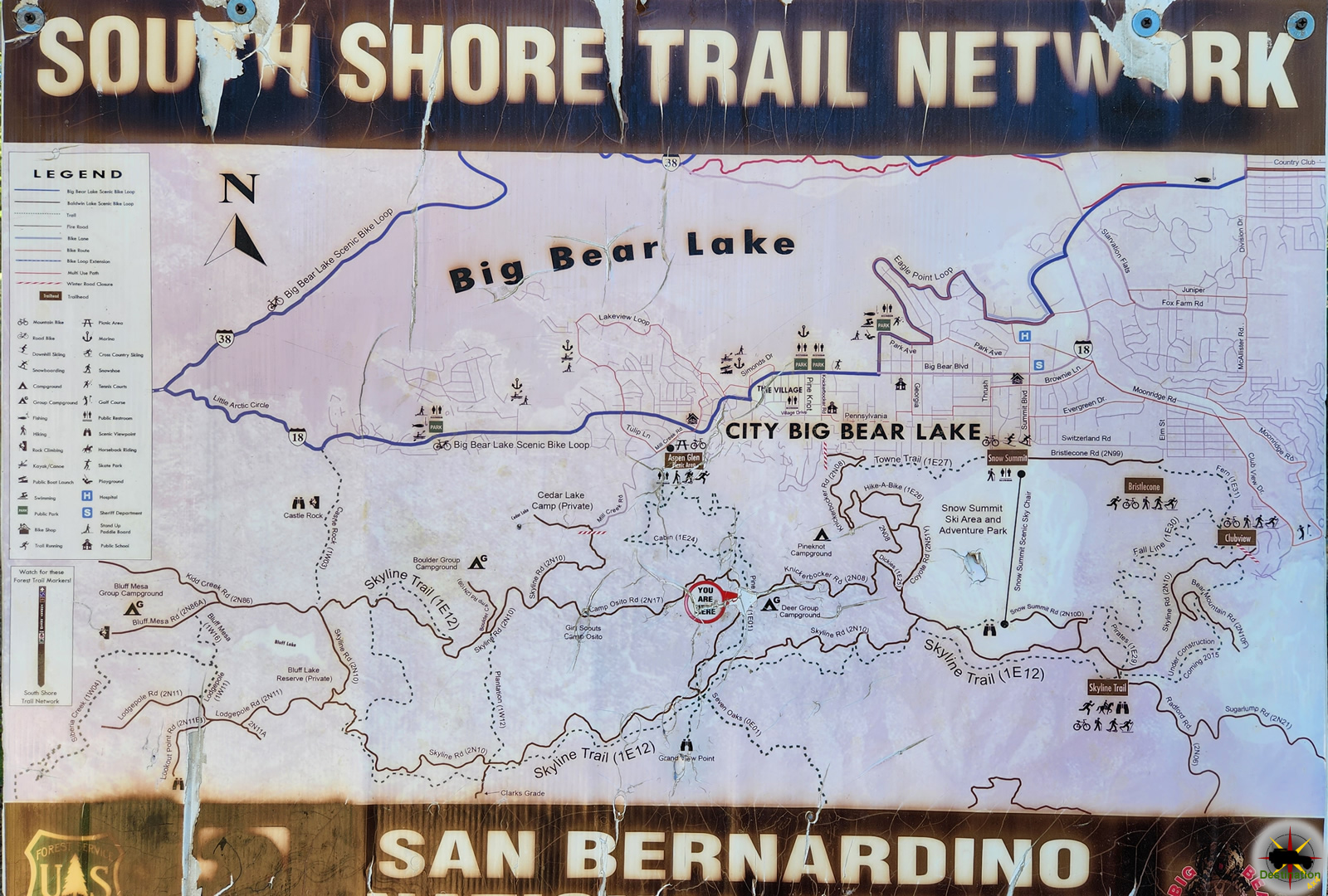
 Camp Osito Road – 2N17Camp Osito Road is a back country 4x4 trail which connects Knickerbocker Road to Skyline Drive in Big Bear, California. The seldom travelled road is… |
 Clarks Grade 1N54Clarks Grade 1N54 Trail Head dropping down into Barton Flats from Skyline Drive. Clarks Grade 1N54 is a steep and scenic descent from the top… |
 Knickerbocker Road – 2N08Knickerbocker Road - 2N08 is a steep and beautiful drive from near the town of Big Bear, California to Skyline Drive. The route is a… |
 Skyline Drive 2N10Skyline Drive 2N10 offers higher elevation views of Big Bear, California Skyline Drive 2N10 is the unofficial name for USFS Road 2N10 that begins just… |
