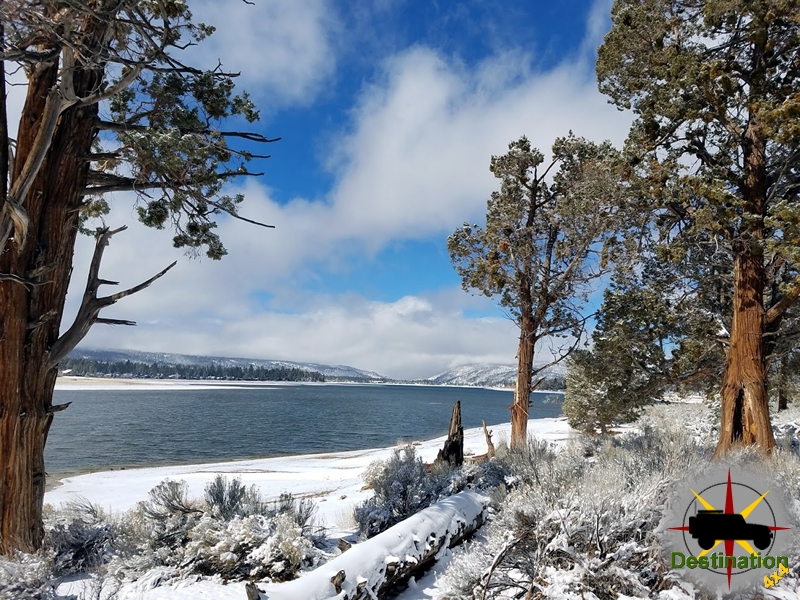
Big Bear, CA
I quiet mountain community full of back country adventure.
The Journey is the destination
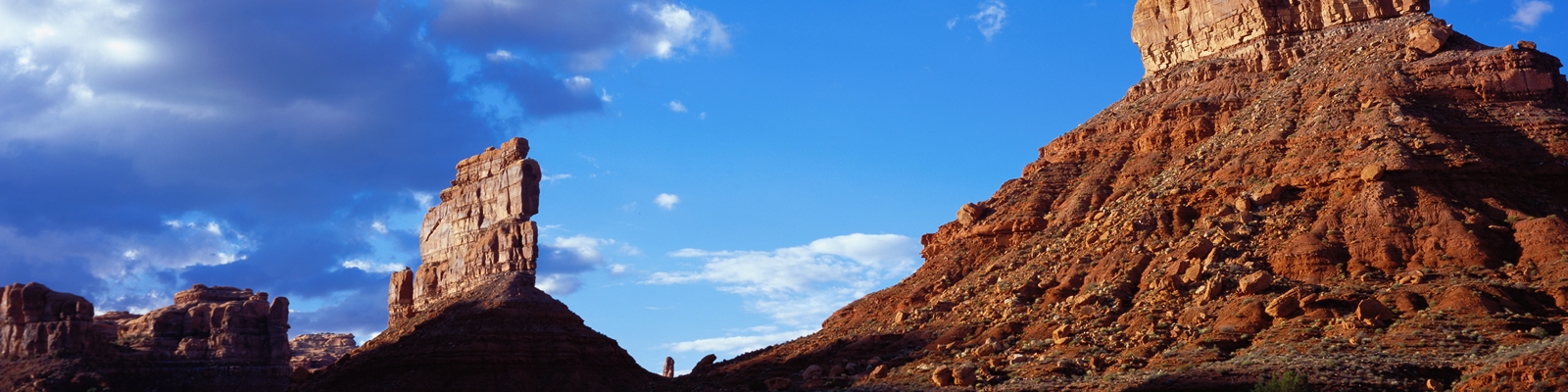
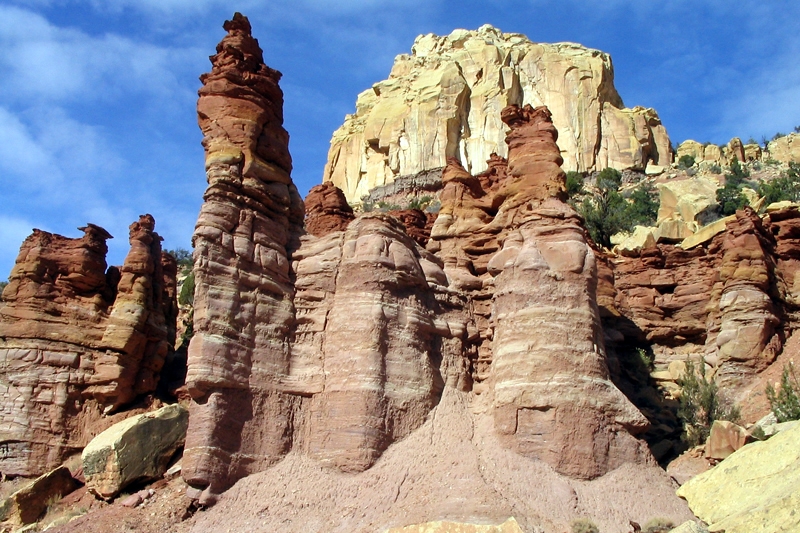
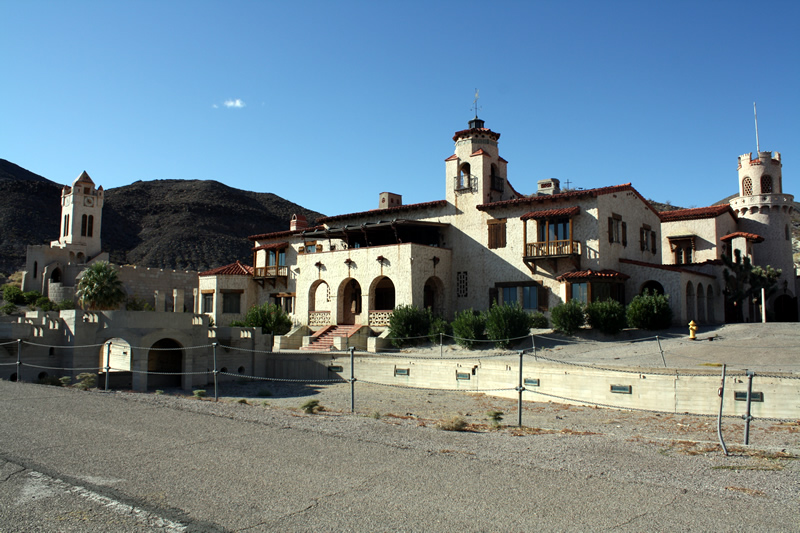

Silver Lake Campground is nestled next to Silver Lake In the Sierra Nevada of California and the scenery of the Ansel Adams Wilderness. This is a great base camp for longer camps and features excellent fishing, boating, hiking, horseback riding and world class photography opportunities. There are some creek side and lake side campsites and the nearby boat ramp allows for fishing boats.

Silver Lake is nestled deep in a valley in the Sierra Nevada in a deep valley at the base of Carson Peak below the Reversed Creek and Rush Creek confluence.
The Silver Lake Resort was originally known as “Carson’s Camp,” and has been famous for quality mountain recreation since 1916. A pack station is located across highway 158 to allow for horse back riding or extended stay expeditions into the high county. There are plenty of trails which open access to the photographic opportunities in The Ansel Adams Wilderness and Yosemite National Park. The Rush Creek Trail interconnects with the Pacific Crest Trail system and the John Muir Trail, and the local backcountry is fabulous.
This campground is located in bear county, so prepare accordingly and camp responsibly. Bear boxes are provided and must be used (typical bear box size 48″x 30″x 36″).
| Name | Siler Lake Campground |
| Location | June Lake Loop, Mono County, California |
| Latitude, Longitude | 37.7824467,-119.1250786 |
| Elevaation | 7,200 Feet |
| Number of Sites | 63 |
| Amenities | Tables, Fire Rings |

Tamarisk Grove Campground is a popular camping destination located in Anza-Borrego Desert State Park, California. The campground is situated in the heart of the park, offering visitors stunning views of the surrounding landscape and easy access to a wide range of outdoor activities and attractions.
The campground features 50 campsites, including tent and RV sites, as well as several group campsites for larger groups. The sites are spacious and well-maintained, with picnic tables, fire pits, and access to restrooms and showers.
One of the main draws of Tamarisk Grove Campground is its proximity to a wide range of outdoor activities. The park offers over 500 miles of hiking trails, ranging from easy nature walks to strenuous treks through rugged terrain. Visitors can explore the park’s unique desert landscape, including colorful canyons, rugged mountains, and vast expanses of open desert.
In addition to hiking, the park offers opportunities for rock climbing, bouldering, and mountain biking. The park also features several designated off-road vehicle areas, where visitors can explore the desert landscape on ATVs and other off-road vehicles.
One of the most popular attractions in the area is the Anza-Borrego Desert State Park Visitor Center, which is located just a short distance from the campground. The visitor center offers a range of exhibits and displays that provide visitors with a better understanding of the region’s natural and cultural history.
Another popular attraction in the area is the Salton Sea, which is located just a short drive from the campground. The Salton Sea is a large, shallow lake that was formed by accident in the early 1900s, and today it is a popular destination for boating, fishing, and birdwatching.
Overall, Tamarisk Grove Campground is an excellent choice for visitors looking to explore the rugged beauty of Anza-Borrego Desert State Park. With its spacious campsites, convenient amenities, and easy access to a wide range of outdoor activities and attractions, it is a popular destination for both seasoned campers and first-time visitors alike. Whether you are looking for a quiet nature retreat or an action-packed outdoor adventure, Tamarisk Grove Campground has something to offer everyone.
Yaqui Wash Primative Campground is a dispersed camping area located within Anza-Borrego Desert State Park, California’s largest state park. Nestled in the Colorado Desert, this campground offers a unique and rugged camping experience amidst the park’s dramatic desert landscapes.
Yaqui Wash Campground is situated off Yaqui Pass Road (County Road S3), approximately 9 miles south of the town of Borrego Springs. The campground is easily accessible by car, though the final approach may require careful navigation over rough terrain, making high-clearance vehicles advisable.
As a primitive and dispersed camping site, Yaqui Wash Campground lacks developed facilities such as restrooms, picnic tables, or designated campsites. Campers should be prepared for a self-sufficient experience, bringing their own water, food, and waste disposal methods. The site offers open spaces for pitching tents or parking RVs, with ample opportunities for solitude and immersion in nature.
Yaqui Wash Campground is set within a wash, a dry riverbed that channels water during rare rain events. The surrounding landscape is characterized by rocky outcrops, sandy flats, and a variety of desert vegetation, including creosote bushes, ocotillos, and cacti. The area offers striking views of the surrounding mountains and the expansive desert floor.
Campers at Yaqui Wash can enjoy a variety of outdoor activities, including:
Visitors to Yaqui Wash Campground should adhere to Leave No Trace principles to minimize their impact on the fragile desert environment. This includes packing out all trash, avoiding the disturbance of wildlife, and respecting the natural landscape. Additionally, campers should be aware of the potential for flash floods in washes during rain events and plan accordingly.
The best time to visit Yaqui Wash Campground is during the cooler months, from October to April. During this period, daytime temperatures are more moderate, making outdoor activities more enjoyable. Summer temperatures in the desert can be extremely high, posing risks of heat-related illnesses.
Yaqui Wash Campground offers a unique and immersive desert camping experience within Anza-Borrego Desert State Park. Its remote location, primitive setting, and stunning natural beauty make it an ideal destination for adventurous campers seeking solitude and a deeper connection with the desert environment. By following responsible camping practices, visitors can help preserve this pristine area for future generations to enjoy.
Culp Valley Primitive Campground is a campground located in Anza Borrego State Park in San Diego County, California. Anza Borrego is a part of the Colorado desert in Southern California. Located between San Diego and Los Angeles.
Anza-Borrego Desert State Park, located in Southern California, is the largest state park in California and the second-largest in the contiguous United States. Spanning over 600,000 acres, it is renowned for its vast and varied desert landscape, which includes rugged mountain ranges, vast arid plains, and colorful badlands. The park is named after the 18th-century Spanish explorer Juan Bautista de Anza and the Spanish word “borrego,” meaning bighorn sheep, which are native to the region. The park is a haven for outdoor enthusiasts, offering numerous hiking trails, off-road adventures, and opportunities for wildlife viewing, including sightings of the elusive desert bighorn sheep.
The park’s diverse ecosystem supports a wide variety of flora and fauna, making it a unique destination for nature lovers. In the spring, Anza-Borrego is famous for its spectacular wildflower blooms, which blanket the desert floor with vibrant colors. The park also features fascinating geological formations, such as slot canyons and eroded badlands, as well as historical and cultural sites, including Native American rock art and ancient village sites. With its stunning natural beauty, rich history, and recreational opportunities, Anza-Borrego Desert State Park offers a unique and enriching experience for all who visit.
Culp Valley Campground is a primitive site with limited amenities. It offers:
There is no potable water, so visitors must bring their own. The campground does not have trash collection, so campers must pack out all their trash.
Culp Valley is known for its unique and diverse natural environment:
Culp Valley Campground is an excellent base for various recreational activities:
The climate in Culp Valley is generally milder than the lower desert areas, with cooler temperatures due to the higher elevation:
Culp Valley Campground offers a serene and primitive camping experience in Anza-Borrego Desert State Park. Its unique location, diverse natural environment, and array of recreational opportunities make it an appealing destination for nature enthusiasts and adventure seekers. Whether you’re looking to hike, observe wildlife, or simply enjoy the tranquility of the desert, Culp Valley provides a rewarding escape into nature.
Borrego Palm Canyon Campground is a popular camping destination located within the Anza-Borrego Desert State Park in Southern California. The park is the largest state park in California, encompassing over 600,000 acres of desert wilderness. This campground offers visitors a unique opportunity to experience the diverse and rugged beauty of the Colorado Desert.
Borrego Palm Canyon Campground is situated near the town of Borrego Springs. The campground is accessible by car via several major highways, with the most common routes being from San Diego (approximately a 2-hour drive) and from Los Angeles (approximately a 3-hour drive). The campground’s proximity to Borrego Springs provides easy access to amenities such as groceries, fuel, and dining options.
The campground is well-equipped with facilities to accommodate a variety of camping preferences, from tent camping to RVs. Key amenities include:
Borrego Palm Canyon Campground is renowned for its stunning desert scenery and unique natural features. The campground is named after the nearby Borrego Palm Canyon, which is a popular hiking destination. Key natural features include:
Visitors to Borrego Palm Canyon Campground can engage in a variety of recreational activities, including:
The climate in Anza-Borrego Desert State Park is characterized by hot summers and mild winters. The best time to visit Borrego Palm Canyon Campground is during the cooler months, from October to April, when daytime temperatures are more comfortable for outdoor activities. Springtime can be particularly appealing due to the potential for wildflower blooms following winter rains.
Borrego Palm Canyon Campground in Anza-Borrego Desert State Park offers a memorable camping experience in one of California’s most unique desert landscapes. With its combination of well-maintained facilities, natural beauty, and diverse recreational opportunities, it is an ideal destination for nature lovers, hikers, and outdoor enthusiasts seeking to explore the wonders of the Colorado Desert.