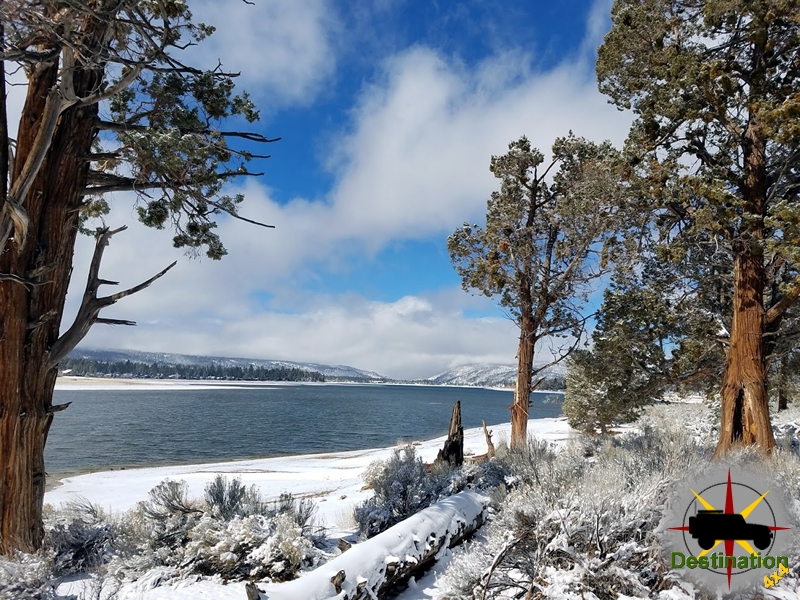
Big Bear, CA
I quiet mountain community full of back country adventure.
The Journey is the destination
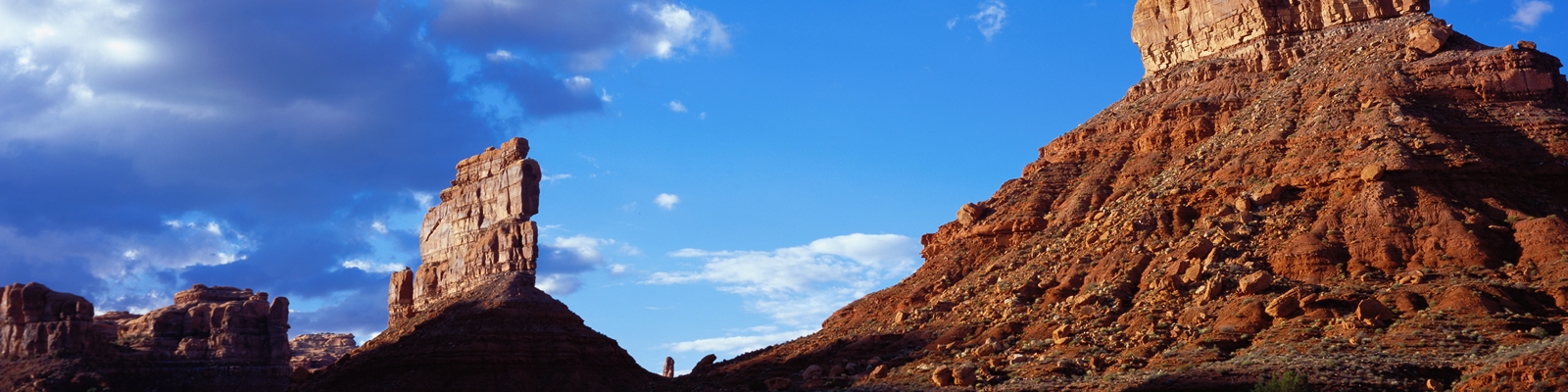
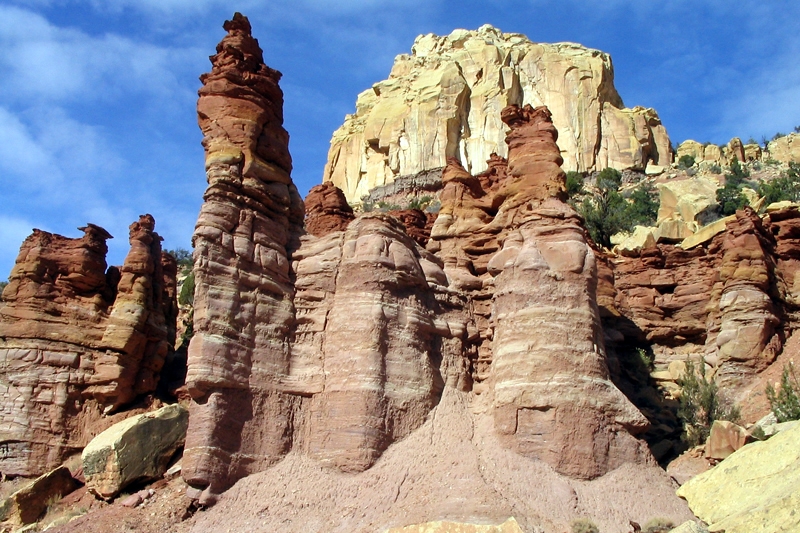
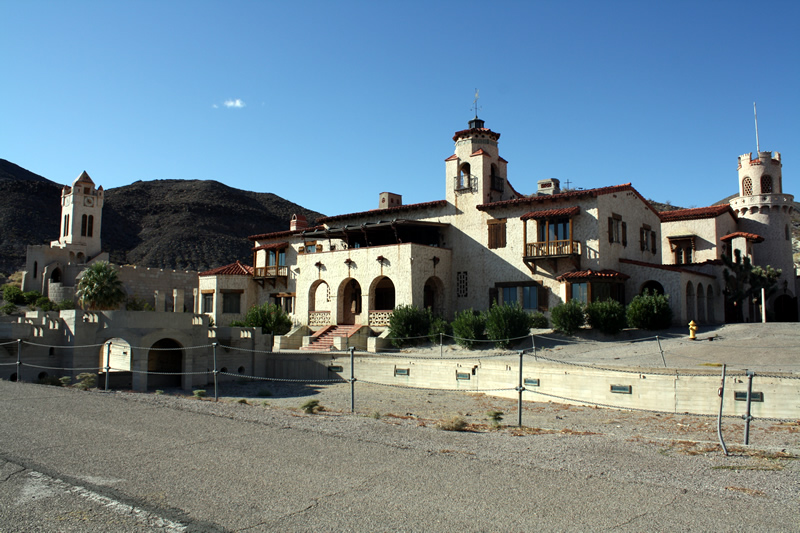
Camping in the High Sierras is not as easy as it once was, however this fact offers one the ability to explore and remove oneself from their comfort zone. French Camp campground was the result of just this fact for me and as result, I found a little gem in the High Sierra.

On our last trip, we planned on visiting and exploring the High Sierra. Immediately, we planned on returning to Convict Lake. Perhaps Lake Mary or Twin Lakes Campground in Mammoth Mountain however all of these campgrounds where sold out for our time period. I did not want to relocate our campsite during the course of our trip.
Each campsite had quite a bit of room and the undergrowth was such that you did have a bit of privacy. There was a lot of trees to offer shade on a warm June day. Each location had a table and fire ring. The soil is sanding and this old campground has quiet a bit of soot and charcoal mixed into to it from years of fires. This could mean an interesting and frequent clean up period with children.
The flush bathrooms were centrally located and cleaned on a regulate basis. Rock creek ran along the northern side of the campground and allowed for easy creek access for fishing.
French Camp , like many High Sierra Campgrounds does have California Black Bear from time to time. During our stay, there was bear activity. One report had a bear come into camp while a family was having dinner. This bear apparently helped itself to several rolls while the family looked on.
French Camp Campground is just one a string the campgrounds along Rock Creek. The campground host at French Camp was a very personable man, who did a great job keeping the place clean and greeting the campers.
From Bishop go north on Hwy 395 approximately 23 miles to Tom’s Place. Turn southwest on Rock Creek Road and go approximately one mile to the campground on the right.
| Campground Name | French Camp |
| Latitude, Longitude | 37.552500, -118.679167 |
| Sites | 86 |
| Elevation | 7200 ft |
| Ammenities | Bear Boxes, Fire rings, Table, Flust Toilets, Shower, Water, Camp host |

The Mojave Mound Cactus ( Echinocereus mohavensis ) is a cactus of many names and it also known as the claret cup cactus, hedgehog and kingcup cactus. It is native to the desert southwest of the united states and parts of Mexico. The cactus can be found in a variety of habitats including rocky slopes, scrub, low desert and mountain woodland.
This is a small barrel shaped cactus, which will range in color between light green and bluish green stems. As the name implies, this is a mounding cactus with may form up to 500 cylindrical stems with create a bulbous mound. This low lying cactus only grows to about 16 inches in height, while is clusters of spines can grow up to 1.5 inches long.
The funnel shaped waxy flowers range in color from orange to red to a dull scarlet color. The plant is commonly found at altitudes of 3500 to 9000 feet in elevation. This beautiful little cactus is known to locate Joshua Tree National Park, the Mojave Desert and parts of Nevada.
This delightful specimen was found in the spring on the Pine Nut trail about 50 miles outside of Las Vegas, nestled among from boulders.
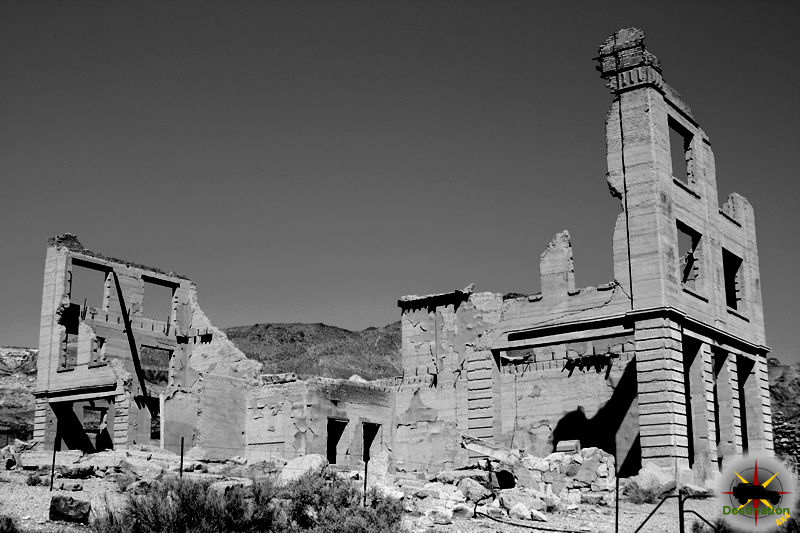
Nelson, Nevada, is a small unincorporated community in Clark County, located in the rugged hills of El Dorado Canyon about 45 minutes south of Las Vegas along Nevada Highway 165. The canyon itself drains into the Colorado River (now part of Lake Mohave) and is best known for the historic Techatticup Mine—one of the oldest, richest, and most famous gold mines in southern Nevada. Together, Nelson and El Dorado Canyon represent a classic chapter in Nevada’s mining heritage: from early Spanish exploration and a violent 19th-century gold rush to 20th-century wartime production and today’s preserved tourist site. What began as a remote, lawless mining district became one of the most productive areas in the state’s southern history.

Long before miners arrived, the area was home to Ancestral Puebloans, followed by Paiute and Mojave tribes who lived along the Colorado River corridor for centuries. In 1775, Spanish surveyors exploring the canyon along the Colorado River discovered rich deposits of gold, silver, and lead. They named the canyon “Eldorado” (Spanish for “golden”) and established a small settlement at the river’s mouth, but the silver quantities proved too low to sustain operations, and they soon moved on—missing the far richer gold veins hidden in the canyon walls.

Serious prospecting began in the 1850s when American miners sluiced streams feeding the Colorado River. In 1857–1858, steamboat captain George Alonzo Johnson formally named the canyon El Dorado after noting gold and silver deposits. The real rush ignited in April 1861 when Mojave Chief Irataba guided prospector John Moss to a rich silver (and gold/copper) vein. Word spread rapidly, triggering one of the largest mining booms in southern Nevada history and the formation of the Colorado Mining District (later called the Eldorado Canyon District).
The Salvage Vein—a vertically stacked ribbon of ore—became the focus. The most famous operation was the Techatticup Mine (named from Paiute words meaning “hungry” or “bread,” because local Paiutes came to the camps begging for food). Other key mines included the Wall Street, Queen City, Gettysburg, and Savage. These produced millions of dollars in gold, silver, copper, and lead over decades. Ore was initially shipped by steamboat down the Colorado River to Yuma, Arizona, and then to San Francisco. A 10-stamp steam-powered mill (the first in the canyon) was built in 1863 at El Dorado City near the river, cutting transportation costs.
Several mining camps sprang up: San Juan (upper canyon, near modern Nelson), Alturas and Louisville (mid-canyon near Techatticup), and Colorado City/El Dorado City at the river landing. During the Civil War, the area even hosted rival camps—Lucky Jim (Confederate sympathizers) and Buster Falls (Union)—highlighting the national divisions that spilled into the remote desert.

El Dorado Canyon earned a notorious reputation for violence that rivaled Tombstone, Arizona. Its extreme isolation—hundreds of miles from the nearest sheriff in Pioche or Hiko—meant law enforcement rarely ventured in. Claim-jumping, shootings over ownership and labor disputes, greed, and vigilante justice were daily occurrences. Many miners were Civil War deserters seeking anonymity. Murders were so common that they barely made headlines. The U.S. Army established Camp El Dorado in 1867 at the canyon mouth to protect steamboat traffic and deter Paiute raids, but it was abandoned two years later.
Infamous figures included Paiute renegade Ahvote and Cocopah serial killer Queho, who murdered over 20 people in the early 1900s (one victim near the Techatticup Mine in 1919). Locals formed posses for justice when authorities could not respond.
The original riverfront town of Eldorado gradually declined after the 1870s. In 1905 a new hub emerged about seven miles up-canyon and was named Nelson (after early settler Charles Nelson). A 50-ton smelter was built, sparking a second boom. Mining slowed in the early 1900s but revived in the late 1930s to supply ore for the U.S. military during World War II. The Techatticup Mine—the longest-lived and most productive in the district—finally closed around 1941–1945 due to rising labor costs.
The construction of Davis Dam in the 1950s created Lake Mohave, flooding the old Nelson’s Landing, stamp mill site, and lower canyon. The historic cemetery was relocated one mile upstream to avoid inundation

Today, only about 35 people live in Nelson, a quiet cluster of homes and remnants of the mining past. The Techatticup Mine site (51 acres) was purchased in 1994 by Tony and Bobbie Werly and their family. They restored buildings, cleared tunnels, installed lighting and safety features, and opened guided tours that explore both above- and below-ground sections (about 500 feet deep). The site now functions as a museum and living-history attraction with antique vehicles, mining artifacts, a gift shop, and even a wedding chapel. It has also served as a filming location for movies such as Breakdown (1997) and 3000 Miles to Graceland (2001), whose crashed airplane prop remains on display.
El Dorado Canyon is no longer an active mining district but a scenic desert landscape popular with hikers, photographers, and history buffs. Visitors can explore the preserved “ghost town” feel—rusting machinery, weathered buildings, and canyon views—while remembering its turbulent past of riches, bloodshed, and resilience.

Founded in 1905 Nelson, Nevada is located some seven miles west at the head of Eldorado Canyon. The town of Nelson slumped for two decades beginning in 1909, but the 1930’s found a resurgence in gold production. By 1941, the three cyanide mills processed 220 tons of ore daily. The population reached 600 persons, however increased costs caused the gold production to slow and eventually cease. The Techatticip mine produced over half of the total gold produced in the area. The gold produced by the region has an estimated valued at $10,000,000.00.
In 1951, Davis Damn is completed. The original town site in Eldorado canyon was buried and drowned by the rising waters of Lake Mojave.

Today, the town of Nelson hosts some 37 people in the 2010 census. The older section of town hosts many old buildings, ruins, cars, mining equipment and all in all is an eclectic collection of mining and western history. The current occupants have a wonderful collection of old mining gear and western history, mixed with an eclectic collection of art.

From Spanish dreams of El Dorado in 1775 to the chaotic gold rush of the 1860s, Civil War tensions, and World War II production, Nelson and El Dorado Canyon encapsulate the boom-and-bust cycle of Nevada mining. The Techatticup Mine’s millions in precious metals helped shape the American West, even as lawlessness and isolation defined daily life. Today, the restored site offers a safe window into that wild history—just a short drive from Las Vegas—preserving the stories of the miners, outlaws, and dreamers who once called this canyon home. For those interested in touring, reservations are required through Eldorado Canyon Mine Tours.

A family friend of mine has long been an advocate of amateur or HAM radio. Growing up, I remember distinctly going to his house and seeing his home HF radio set. Before the time of computers, his radio dominated the room and all of the dials, microphones and keys reminded me of Dr. Frankenstein laboratory. When I was about 10, my father loaned me a testing manual to get my HAM license. I simply recall the book was very thick and there was a lot of wiring diagrams in it. This was a bit intimidating to me and the requirement to learn Morse code quickly stopped any ambition that I had to get my license.

Skip ahead about 20 years, and I found myself working for a video game development company. There, I had to good fortune of working with some of the smartest people whom I still call friends. Three of them had their HAM Technicians License which allowed privileges on the 2M ham band. At the time, I didn’t even know what that meant, but they quickly informed me that the license no longer requires you to learn Morse code.
Continue Reading →The Hole in the Wall Ring Trail is a short is a 1.5 miles loop trail around a hill top and through a slot canyon in the Mojave National Preserve. The trail it self is well marked and very easy going, with the exception of 1/4 mile at the north end, through a slot canyon. Rings are bolted into the rock to serve as hand holds and give the trail its name.

Following the Hole in the Wall Ring Trail from the visitors center south, the trail circles a hill in showcases various plants and cacti in the area. The trail starts off fairly sandy and remains so until about the time you reach a large rock covered with petroglyphs. You can spends hours trying to decipher the message left by our Native American community who live in the area long ago.

Leaving the petrogplyph rock behind, the trail travels through a meadow towards the slot canyon and near the Banshee Canyon primitive campsite. This area in the spring time is very beautiful with a green valley floor from the low green grass spurred on my a recent spring rain.

As you leave Banshee Canyon behind, the walls being to narrow down into a slot canyon. As you hike into the slot canyon the walls continue to narrow until you reach the points you can touch each side of the Canyon at the same time. The final push of the hike is about a 50 foot elevation gain and some of the elevation gain is accomplished via the ring hand holds bolted into the wall.
