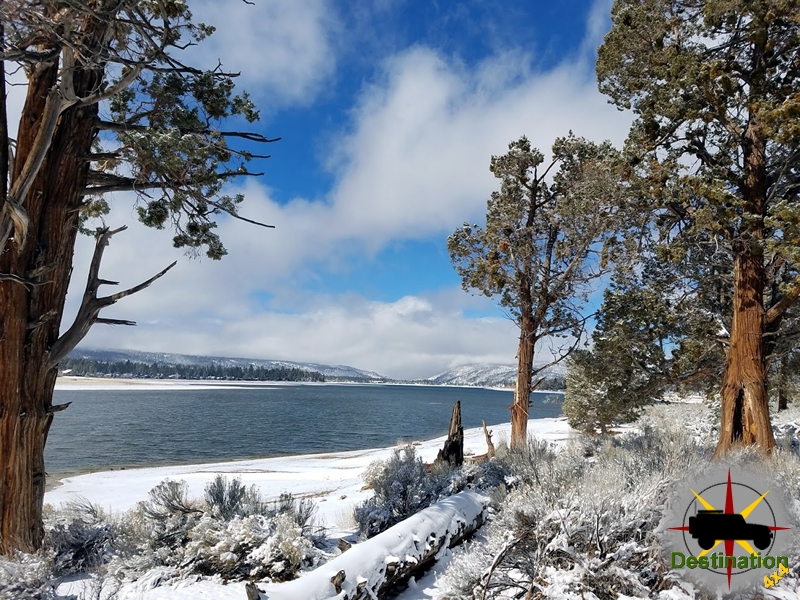
Big Bear, CA
I quiet mountain community full of back country adventure.
The Journey is the destination
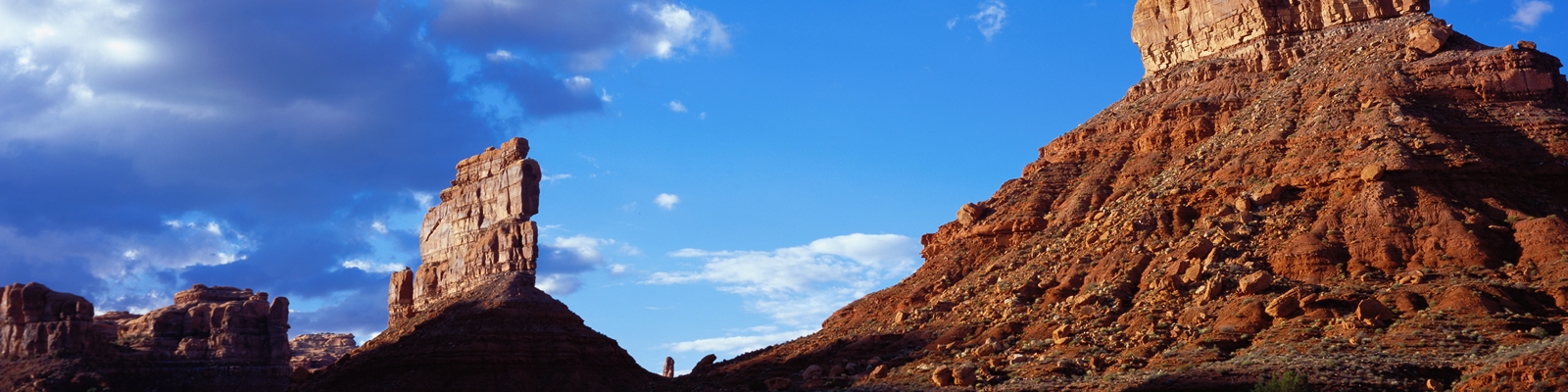
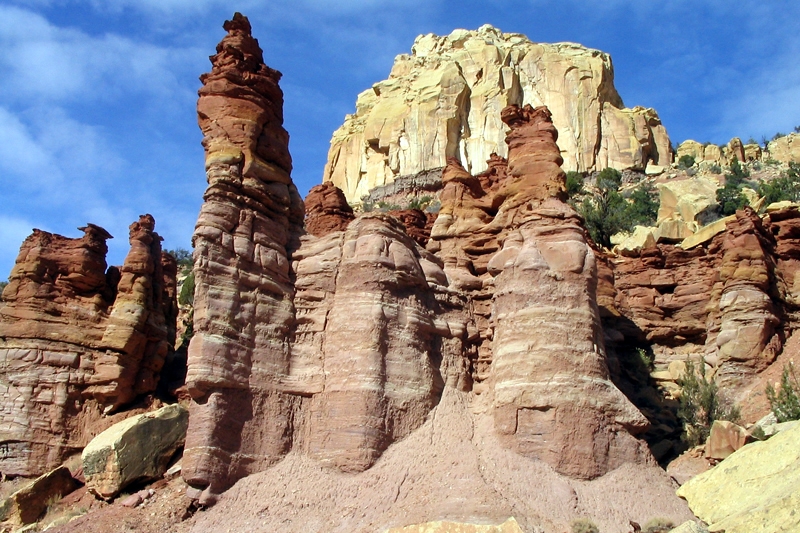
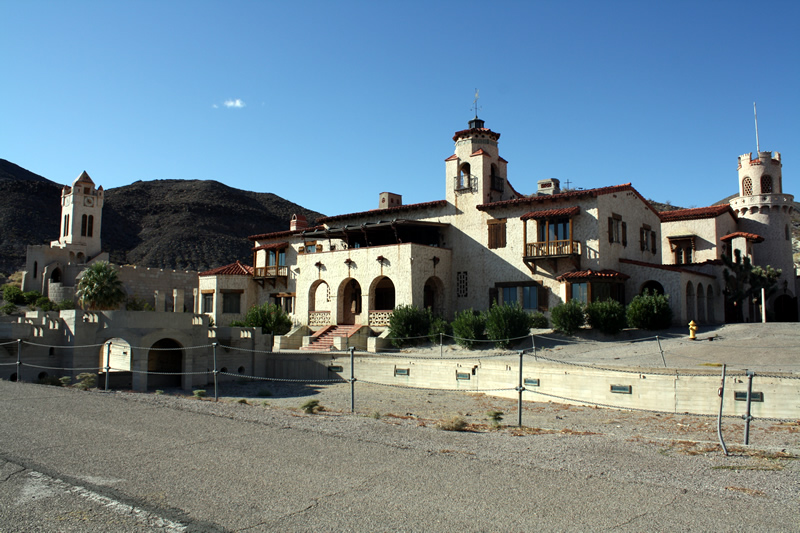
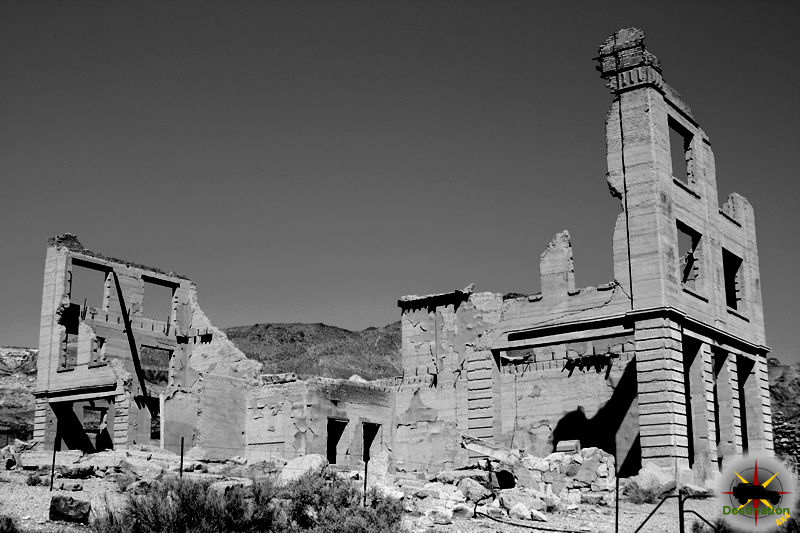

Juan, Nevada, was a minor railroad siding and transient settlement in southeastern Clark County, Nevada, during the early 20th-century mining boom in the region. Located in the remote desert near the California border, approximately 15-20 miles east of Searchlight and close to the Barnwell area (now part of California’s Mojave National Preserve region), Juan emerged as a logistical point supporting gold mining operations. It was not a full-fledged town with permanent residences but rather a functional stop along a short-line railroad that facilitated ore transport during a period of intense prospecting activity in southern Nevada.
The origins of Juan trace back to the early 1900s, when gold discoveries in the Searchlight district (about 1897-1900s) sparked a regional mining rush in Clark County. Searchlight itself became a bustling camp with thousands of residents, mills, and infrastructure. To connect these remote mines to broader markets, the Atchison, Topeka & Santa Fe Railway constructed the Barnwell & Searchlight Railway between 1906 and 1907. This narrow-gauge (later standard-gauge) line ran from Barnwell, California (on the main Santa Fe line at Goffs), eastward into Nevada, terminating at Searchlight after about 23 miles.
Juan served as one of the key sidings (stopping points for loading/unloading) along this route, likely named informally or after a local figure, prospector, or geographic feature—exact etymology remains obscure in historical records. The siding’s location placed it in a disputed border area: early maps and claims sometimes placed parts of the mining region in California, leading to overlapping tax claims by both Nevada and California authorities. Miners and operators paid taxes to both states until a formal survey in the early 1900s confirmed the area’s placement in Nevada, resolving the confusion.
At its peak around 1907-1910, Juan would have featured basic railroad infrastructure, including tracks, a loading platform, water tanks (essential in the arid desert), and perhaps temporary tents or shacks for railroad workers and miners. The Barnwell & Searchlight Railway hauled gold ore from Searchlight-area mines westward to Barnwell for processing and shipment. Activity at Juan was tied directly to the fluctuating fortunes of Searchlight’s mines, such as the Duplex, Quartette, and others producing high-grade gold.
The railway and its sidings like Juan represented a brief era of optimism in southern Nevada’s mining landscape, fueled by the same broader forces that drove booms in nearby districts like Goodsprings and Eldorado Canyon.
The decline of Juan was swift and tied to the broader collapse of the Searchlight mining boom. By the mid-1910s, many veins played out, water shortages plagued operations, and World War I shifted national priorities away from gold production. The Barnwell & Searchlight Railway ceased operations around 1919-1923, with tracks eventually salvaged or abandoned. Without the railroad, remote sidings like Juan lost all purpose. The site faded into obscurity by the 1920s, leaving no permanent community.
(Note: Juan is distinct from other similarly named sites in Clark County, such as San Juan—an earlier 1860s silver camp in Eldorado Canyon near present-day Nelson—or other ghost towns like Potosi or Goodsprings.)
Today, Juan is a true ghost site with virtually no visible remnants. The desert has reclaimed the area: any railroad grades, ties, or structures have eroded or been buried by sand and vegetation over a century. It lies on public lands managed by the Bureau of Land Management (BLM) in a remote, off-road-accessible part of Clark County, near the California-Nevada line and within the general vicinity of the Piute Valley and Castle Peaks area.
No buildings, markers, or maintained trails exist at the precise location. The site is occasionally referenced in railroad history books (e.g., David F. Myrick’s Railroads of Nevada and Eastern California) and ghost town enthusiast resources, but it attracts few visitors due to its isolation and lack of features. Nearby Searchlight remains a small living town with historic mining remnants, but Juan itself is unmarked and largely forgotten—accessible only to dedicated off-road explorers or historians with GPS coordinates.
In summary, Juan exemplifies the ephemeral nature of early 20th-century Nevada mining support sites: born of railroad necessity, thriving briefly amid gold fever, and vanishing when economic viability ended. It left no lasting imprint beyond faded maps and obscure references, a quiet footnote in Clark County’s rich mining heritage.
Nestled in the arid expanse of Big Smoky Valley in Nye County, Nevada, Manhattan stands as a poignant testament to the fleeting fortunes of the American West. Perched at an elevation of approximately 6,000 feet, this unincorporated town—reached via the remote Nevada State Route 377, about 50 miles north of Tonopah—emerged from the rugged foothills of the Toquima Range. Once a bustling hub of gold and silver extraction, Manhattan’s story is one of explosive booms, stark declines, and tentative revivals, encapsulating the volatile spirit of frontier mining. Today, in 2025, it lingers as a semi-ghost town, where weathered ruins whisper of past glories amid the hum of renewed prospecting. This report traces its historical arc while surveying its present-day contours, drawing on the echoes of pickaxes and the glint of modern drill rigs.

Manhattan’s origins are rooted in the silver fever that swept Nevada’s remote districts during the Civil War era. In 1866, prospector George W. Nicholl struck silver in what was then dubbed Manhattan Gulch, a narrow canyon slicing through the Toquima Mountains, aptly named for its resemblance to the urban canyons of New York City’s borough. This discovery ignited a modest rush, drawing a smattering of miners to the valley floor, where they scratched out claims amid the sagebrush and piñon pines. By 1867, a fledgling camp had coalesced, complete with rudimentary saloons and assay offices, its population swelling to a few hundred hardy souls undeterred by the isolation—over 200 miles from the nearest railhead in Eureka.
Yet, the silver vein proved fickle. Harsh winters, scant water, and the lure of richer strikes elsewhere led to abandonment by 1869. Explorer John Wesley Powell, charting the unyielding terrain in 1869, noted the site’s desolation in his journals, a ghostly prelude to future resurrections. For over three decades, Manhattan Gulch slumbered under the relentless Nevada sun, its scattered diggings overgrown with creosote and forgotten by all but wandering Paiute bands who had long navigated these valleys.

The town’s phoenix-like rebirth came in 1905, when prospector John Humphrey unearthed a rich gold lode in the gulch’s depths. News of “free-milling gold”—nuggets so pure they required no chemical processing—spread like wildfire across the mining circuits of Tonopah and Goldfield. Within months, Manhattan’s population exploded from zero to over 4,000, transforming the canyon into a teeming canvas town of canvas tents, wooden shacks, and mud-churned streets. Saloons like the famed Victor House echoed with the clamor of claim-jumpers, card sharps, and opportunists, while the air thickened with the acrid smoke of stamp mills pulverizing ore.
By 1906, permanence took hold. The Nye and Ormsby County Bank rose as the town’s sole stone edifice, its vaulted strongroom a symbol of newfound stability—until the San Francisco earthquake’s ripples and the Panic of 1907 shuttered it mere months later. Entrepreneurs like “Mom” Ronzone peddled socks and sundries to dust-caked miners, laying the groundwork for her eventual retail empire in Las Vegas. Churches, too, staked claims on souls: St. Stephen’s Episcopal Church, later the Sacred Heart Mission, became a spiritual anchor amid the moral flux.
The 1909 boom sustained the frenzy into the 1910s, with Manhattan’s census peaking at around 1,000 residents by 1910. Rail spurs snaked in from Luning, hauling machinery and merchandise, while the Manhattan Mining District map of 1917 charted a labyrinth of shafts and adits yielding millions in gold. Yet, shadows loomed. Water scarcity forced hauls from 40 miles away, and labor strife simmered. By the 1920s, as global gold prices stagnated and deeper veins pinched out, the population halved. A brief tungsten surge during World War I offered respite, but the Great Depression delivered the coup de grâce, reducing the town to a skeletal outpost of boarding houses and idle headframes.

World War II’s demand for strategic metals sparked a flicker of life in the 1930s and 1940s, with operations like the Chisholm Mine churning out gold until the late 1940s. Postwar prosperity, however, bypassed Manhattan; the town’s last major mill closed in 1947, leaving behind a diaspora of families chasing booms in California and beyond. By the 1950s, only a handful of ranchers and holdouts remained, tending to the ruins amid encroaching desert.
The late 20th century brought intermittent pulses. In the 1970s and 1980s, renewed interest in precious metals drew corporate miners, including Hecla Mining, which extracted over $20 million in gold before scaling back in the 1990s amid low prices. Small-scale placer operations dotted the nearby creeks, sifting alluvial sands for overlooked nuggets. Yet, Manhattan’s core endured as a ghost town archetype: the stone bank, its safe ajar like a forgotten secret; the skeletal frame of the old schoolhouse; and the weathered facade of the Manhattan Bar, a relic serving locals and wanderers alike.

As of 2025, Manhattan teeters on the edge of obscurity and resurgence, its population hovering around 100-150 resilient residents—a far cry from its gilded zenith but a stubborn refusal of total abandonment. No longer a pure ghost town, it blends dilapidated icons with signs of habitation: two operational bars, the Miner’s Saloon and the Manhattan Bar and Motel, dispense cold beers and tall tales to off-grid homesteaders and Tonopah day-trippers. The real estate market reflects this liminal state, with a handful of modest homes listed between $240,000 and $320,000, appealing to those seeking solitude in Nevada’s vast emptiness.
The most vibrant thread in 2025 is mining’s phoenix rise. Toronto-based Scorpio Gold Corporation, holding 100% interest in the Manhattan District, has ignited a fervor with aggressive exploration. In June, they unveiled a maiden mineral resource estimate (MRE) for the Goldwedge and Manhattan Pit areas: 18.3 million tonnes grading 1.26 grams per tonne gold, hinting at multi-million-ounce potential. Phase 1 drilling, commencing in mid-2025, intercepted high-grade intervals like 1.24 g/t over 92.81 meters, fueling Phase 2’s ambitious 50,000-meter campaign launched in October. By November, 19 high-potential targets had been identified across the district, blending historical data with modern geophysics to chase untapped veins. This activity—drill rigs humming against the backdrop of Toquima sunsets—promises economic ripples, potentially drawing workers and investment to the valley.
Tourism, too, sustains a gentle pulse. Manhattan’s allure lies in its tangible history: the iconic stone bank, now a weathered monument with its vault intact; the Sacred Heart Church, its steeple piercing the horizon; and scattered headframes framing panoramic views of the Smoky Valley’s wild horses and wildflowers. Road-trippers from Area 51 tours or Belmont’s silver ghosts often detour here, cameras clicking at the blend of decay and defiance. Yet, challenges persist—drought grips the region, as August 2025 updates noted persistent dry conditions across Nevada, straining water-dependent mining and ranching. Isolation remains a double-edged sword, fostering a tight-knit community while deterring growth.
In essence, Manhattan, Nevada, endures as a microcosm of the Silver State’s saga: born of ore’s promise, battered by caprice, and buoyed by unyielding optimism. As drill bits probe its ancient earth in 2025, the town stands poised—will this be another boom, or merely a brighter interlude in its ghostly vigil? Only the desert winds, carrying whispers from 1905, hold the answer.
Nestled in the arid expanse of Nye County, Nevada, within the rugged folds of Tybo Canyon on the eastern slopes of the Hot Creek Range, lies the remnants of Tybo—a once-vibrant mining outpost that now stands as a poignant testament to the fleeting fortunes of the American West. The name “Tybo” derives from the Shoshone word tybbabo or tai-vu, translating to “white man’s district,” a linguistic nod to the influx of European prospectors who transformed this remote desert locale into a bustling frontier community in the late 19th century. Approximately 70 miles northeast of the mining hub of Tonopah and just 8 miles northwest of U.S. Route 6, Tybo’s isolation—coupled with its stark, sun-bleached ruins—evokes the relentless cycle of boom and bust that defined Nevada’s silver and gold rushes. This report chronicles Tybo’s rise from a serendipitous discovery to a thriving town, its inevitable decline, and its enduring legacy as a preserved ghost town in the modern era.

Tybo’s story begins in the shadow of the Civil War’s end, amid the feverish pursuit of mineral wealth that gripped the post-war American frontier. The Hot Creek Mountains, a jagged spine of volcanic rock rising from the high desert floor at elevations around 7,000 feet, had long whispered promises of riches to the indigenous Shoshone people. In 1865 or 1866—accounts vary slightly—a local Shoshone guide, recognizing the potential for trade or alliance, led a party of white settlers to outcrops of rich gold ore glinting in the canyon’s sun-baked ledges. This revelation ignited the Tybo Mining District, though initial claims were modest, hampered by the site’s remoteness and the harsh terrain, where temperatures swung from scorching days to freezing nights, and water was as scarce as shade.
By 1870, the camp had coalesced into a semblance of permanence, with the first formal mining operations underway. Prospectors, drawn by tales of “free-milling” gold that required little processing, staked claims along the canyon’s veins. A smelter rose in 1872, its brick stacks belching acrid smoke as it reduced ore into bars of gleaming profit, fueling the town’s embryonic growth. Tybo’s early years were marked by a fragile peace; it was described as a “peaceful camp” where miners from diverse backgrounds—Americans, Mexicans, and a smattering of Chinese laborers—coexisted amid the creak of windmills and the clang of picks. Yet, this harmony was short-lived, as the influx of immigrants sowed seeds of division

The mid-1870s heralded Tybo’s golden age, a whirlwind of expansion that mirrored the explosive energy of Nevada’s Comstock Lode era. By 1874, the population had swelled to nearly 1,000 souls, transforming the dusty gulch into a polyglot boomtown divided into three distinct enclaves: the Central European quarter, teeming with German and Austrian families; the Irish section, alive with the lilt of Gaelic songs and the fervor of Catholic masses; and the Cornish district, where pasty-makers and “Cousin Jacks” (Cornish miners renowned for their expertise) dominated the deepest shafts. Wooden frame buildings sprouted like desert wildflowers after rain: a general store stocked with tinned goods and patent medicines, a post office buzzing with letters from far-flung kin, saloons echoing with raucous laughter and the clink of whiskey glasses, and even a modest schoolhouse where children learned amid the perpetual haze of ore dust.
The mines—the Mammoth, the Monitor, and the famed Tybo Consolidated—yielded fortunes. Gold, laced with silver and lead, poured from the earth, with production peaking between 1875 and 1877. Charcoal kilns, completed in 1877 by entrepreneur Henry Allen, dotted the hillsides, their conical stacks converting piñon pine into the fuel that powered the smelters, blanketing the valley in a perpetual pall of smoke. Tybo’s streets, though unpaved and rutted by ore wagons, pulsed with life: blacksmiths hammered horseshoes, assay offices tallied payloads, and traveling merchants hawked everything from corsets to Colt revolvers. The air carried the sharp tang of sagebrush mingled with the metallic bite of unrefined ore, while jackrabbits scattered before the thunder of stagecoaches barreling in from Austin and Eureka.
Beneath this prosperity, however, simmered tensions. Racial and ethnic strife erupted, pitting Irish against Cornish and both against Central Europeans in brawls that spilled from saloons into the streets. Tybo shed its “peaceful” moniker, earning a reputation for volatility that drew lawmen and vigilantes in equal measure. Amid the chaos, notable figures emerged, including Ellen Clifford Nay, born in Tybo in 1879 to one of the town’s hardy families. Little did the community know that this child of the mines would later stake her own claim to fame, discovering a gold strike east of Tonopah in 1909 that birthed the ephemeral boomtown of Ellendale—itself a ghost by autumn.

Like so many Nevada mining camps, Tybo’s zenith was as brief as a desert flash flood. By the early 1880s, the high-grade ore veins pinched out, leaving behind low-yield diggings that could not sustain the frenzy. Smelters fell silent, their stacks crumbling under relentless winds, and the population plummeted—from 1,000 in 1877 to a mere 100 by 1881. Families packed their belongings into creaking wagons, bound for fresher strikes in Tonopah or beyond, abandoning homes to the elements. The general store shuttered, its shelves stripped bare; saloons echoed with ghosts rather than gamblers. Sporadic revivals flickered in the 1890s and early 1900s, with small-scale operations coaxing zinc and lead from the depleted ground, but these were mere aftershocks of the original quake.
By the 1920s, Tybo was a skeleton of its former self, its buildings sagging under the weight of time and neglect. The Great Depression sealed its fate as a full-fledged ghost town, though the surrounding landscape bore scars of a darker chapter: in 1968, the nearby Project Faultless—a 1-megaton underground nuclear test—rattled the earth, its seismic waves a ironic echo of the dynamite blasts that once animated the mines.
Today, Tybo endures as an unincorporated ghost town, a fragile mosaic of weathered ruins scattered across 640 acres of BLM-managed land, evoking the quiet dignity of faded glory. The most prominent survivor is the skeletal frame of the 1870s-era general store, its adobe walls cracked but standing sentinel over collapsed adobes and tumbledown shacks. Mine shafts yawn like dark mouths along the canyon walls, their timbers rotted and hazardous—reminders that exploration demands caution, with rusted relics of ore carts and assay tools littering the ground. A handful of structures hint at intermittent habitation; whispers of a few still-occupied homes persist, though the site offers no services, amenities, or permanent residents, sustaining itself on the sparse rains that coax creosote bushes from the alkaline soil.
Accessibility is Tybo’s double-edged sword: a graded dirt road branches off U.S. 6, offering a 90-minute drive from Rachel or Tonopah through vast, empty basins where pronghorn antelope graze under boundless skies. However, seasonal closures due to winter snow or flash floods can bar entry, and visitors are advised to pack water, fuel, and a high-clearance vehicle. In 2025, Tybo has found renewed life as a tourism draw, championed by the Nevada Commission on Tourism and local groups like Nevada Silver Trails. Social media buzzes with #GetGhosted campaigns, showcasing drone footage of the ruins bathed in golden-hour light and urging adventurers to “get a little out there” amid the 100-year-old echoes of the Battle Born State. Recent posts from October 2025 highlight its allure as a “handful of impressively intact ruins,” drawing history buffs, photographers, and off-road enthusiasts to ponder the town’s whispered tales.
Yet, Tybo remains profoundly still—a place where the wind through the canyon carries faint traces of charcoal smoke and miners’ songs, and the stars at night outnumber the ghosts below. It stands not as a relic to be mourned, but as a vivid chapter in Nevada’s narrative of resilience, inviting the curious to trace the footsteps of those who chased dreams in the dust.
| Name | Tybo Nevada |
| Location | Nye County, Nevada |
| Newspaper | Tybo Weekly Sun Sept 1877 – Sept 1879 |

Tucked away in the remote expanses of Nye County, Nevada, Bonita emerges as a fleeting whisper from the early 20th-century mining frontier—a short-lived camp that embodied the speculative fervor of the Silver State’s gold rushes. Situated in the southern reaches of the Shoshone Mountains, amid piñon-juniper woodlands and rugged canyons, Bonita served briefly as a stage stop on the vital Ione-to-Austin route, part of the broader Central Overland Trail network that funneled supplies from California to booming districts like Austin. Established around 1906–1907, the site’s name evokes a sense of fleeting beauty (“bonita” meaning “pretty” in Spanish), mirroring its picturesque setting of abundant water, timber, and pine-shaded valleys—rarities in Nevada’s arid high desert. Yet, like so many ephemeral outposts, Bonita’s story is one of rapid ignition and swift extinguishment, leaving scant traces for modern explorers. This report traces its brief arc from ore strike to abandonment, culminating in its status as one of Nevada’s most elusive ghost towns.
Bonita’s origins are rooted in the post-1900 gold excitement that rippled through central Nevada, spurred by strikes in Tonopah and Goldfield. The area’s mineral potential had long been hinted at, with the Shoshone Range forming a mineral belt extending from the established camps of Berlin and Ione. Miners first uncovered promising gold-bearing ledges in the early months of 1906, igniting a flurry of claims in Bonita Canyon and adjacent drainages like Riley and Barrett Canyons. These initial finds were modest but tantalizing: outcrops of quartz veins laced with free-milling gold, assaying from $12 to $500 per ton in some spots.
By January 1907, prospector Henry Lincoln, a key figure in the camp’s nascent organization, hauled ore samples from Bonita to the supply hub of Austin, drawing immediate attention from investors. Lincoln spearheaded the Lincoln Mining Company, serving as its president and treasurer, and staked properties across Bonita, Union, and Duluth districts. His efforts promised robust development, with plans to hire over 60 miners once spring thawed the high-elevation ground (around 7,000–8,000 feet). In April 1907, the involvement of industrial magnate Charles M. Schwab elevated the camp’s profile; his mining experts optioned several claims in the “Reese River country” near Bonita, praising the site’s potential as a “new camp” in the south end of the Shoshone Range.
Settlement coalesced swiftly that spring. By March 1907, Bonita boasted twenty tents clustered along the stage road, two sturdy frame houses, a bustling saloon, and several more structures under construction. John F. Bowler, manager of the townsite company, oversaw the layout, while the Emma Bowler Mining District—likely honoring Bowler and his wife Emma—formalized the claims. The camp’s allure lay not just in ore but in its rare amenities: plentiful water from nearby springs, ample timber from surrounding pines for shafts and buildings, and a verdant valley setting that contrasted sharply with Nevada’s typical barren basins. Early arrivals included seasoned hands like Riggs and Gordon from Goldfield, who ran two shifts on their holdings, striking a 50-foot-deep ledge rich in gold; Mrs. Gerta Sutherland, a rare female prospector staking her own claims; and the duo of Healy and O’Brien, plotting aggressive development.
Bonita’s zenith unfolded over a hectic summer in 1907, transforming the tent city into a hive of activity. The population swelled to around 150 souls—miners, merchants, and speculators—fueled by glowing reports in regional papers. Development accelerated across multiple properties: the Richardson Group, three miles south of the nearby camp of Ullaine, uncovered a 2.5-foot vein assaying $32–$40 per ton; the Bonita Queen claim exposed a 24-foot ledge of promising ore; and the Ward and Motley groups, owned by Goldfield investors John T. Riley, Edward Powers, and William Fletcher, yielded assays up to $3,000 per ton on the Florence claim. Bob Roberts, an early locator in Riley and Barrett Canyons, touted sections rich enough to lure Eastern capital.
The camp pulsed with frontier energy. Stagecoaches rattled in from Ione (20 miles south) and Austin (60 miles north), depositing freight and fortune-seekers amid the creak of windlasses and the clang of single-jack hammers. A saloon anchored social life, its plank bar slick with spilled whiskey, while assay offices tallied payloads under lantern light. Optimism peaked in August 1907 when a post office seemed assured, with Mr. Snyder appointed postmaster—though it was rescinded by March 1908, underscoring the camp’s fragility. Nearby satellite sites amplified the buzz: Elaine, just over the ridge, ballooned to 300 residents with two rival townsites and high-grade strikes; Ullaine flickered as a supply point.
Notable figures lent glamour to the boom. Beyond Lincoln and Bowler, Branch H. Smith, a visiting engineer, marveled in 1908 at the mineral belt’s continuity, noting ideal milling conditions thanks to water and timber. The air hummed with promise—pine-scented breezes carrying the sharp tang of roasting ore and the distant low of stage mules—yet underlying vulnerabilities loomed: harsh winters at elevation, inconsistent ore bodies, and the speculative nature of rush-era claims.
As abruptly as it ignited, Bonita’s flame guttered out. By late 1907, winter’s grip—blizzards sealing canyons and freezing water sources—drove most of the 150 residents away, leaving tents shredded by gales and claims untended. Spring 1908 brought a brief revival, with continued assays and shaft-sinking, but high-grade pockets pinched out, revealing lower-yield quartz that deterred investment. The unopened post office symbolized dashed hopes; without reliable mail or supplies, morale eroded.
By 1912, activity had dwindled to whispers. Sporadic efforts targeted cinnabar (mercury) north of Ione near Bonita, but no production materialized. The camp fully deserted around this time, its wooden frames succumbing to rot and fire, scattered by winds across the valley floor. Later echoes included a uranium prospect known as the Bonita Uranium Mine (also called Glory Be Claim or War Cloud Property) in the Jackson District, at 8,373 feet elevation on Toiyabe National Forest land. Owned by A. and F. Fayes in 1995, it focused on uranium with minor mercury potential but remained a non-producing claim, unconnected to the original town beyond shared nomenclature.
Bonita’s collapse mirrored broader patterns in Nye County’s mining saga: over 600 ghost towns dot the county, victims of exhausted veins and shifting booms elsewhere.
In 2025, Bonita endures as one of Nevada’s most spectral ghosts—a site so ephemeral that its exact location sparks debate among historians. USGS records pin it up Bonita Canyon in the Shoshone Mountains, but a 1954 benchmark and 1963 Nevada DOT map place it squarely on the main Reese River Valley road, well south of the canyon at coordinates 39.00754° N, 117.46545° W—possibly conflating it with the stage stop of Glen Hamilton. No formal road threads Bonita Canyon, necessitating rugged detours.
Explorers in 2015 found scant remnants: merely two weathered pieces of wood amid sagebrush and scattered mine tailings, with no standing structures, foundations, or artifacts to evoke its past. The surrounding landscape remains pristine—pine groves whispering in canyons, wild horses grazing open basins—but hazards abound: unmarked shafts, flash floods, and remote access demand high-clearance 4WD vehicles, ample fuel, and caution. Directions from Fallon: east on U.S. 50 for 107 miles to Austin; south on State Route 722 for 36 miles toward Ione; then west on graded dirt roads for about 6.3 miles into the valley.
No recent developments or tourism pushes have revived interest; Bonita languishes in obscurity, unlisted in major ghost town guides and absent from 2025 social media trends. Nearby Ione (pop. ~50) offers the closest services, but Bonita itself hosts no residents, amenities, or events. For the intrepid, it rewards with solitude—a canvas of high-desert silence where the ghosts of 1907 prospectors might still dream of untapped ledges under starlit skies. Consult BLM resources for access updates, as seasonal weather can close routes.
Nestled in the arid, sun-scorched folds of the Shoshone Mountains in Nye County, central Nevada, Berlin stands as a poignant monument to the fleeting fortunes of the American West. This remote ghost town, frozen in time amid sagebrush and jagged peaks, whispers tales of silver strikes, immigrant laborers, and the inexorable march of economic decline. Once a bustling hub of extraction and ambition, Berlin’s story encapsulates the raw optimism and harsh realities of 19th-century mining frontiers. Today, as part of Berlin-Ichthyosaur State Park, it endures not just as a relic of human endeavor but as a gateway to prehistoric wonders, drawing intrepid explorers to its weathered ruins.

Berlin’s origins trace back to the restless prospectors who roamed Nevada’s desolate basins during the post-Civil War mineral rush. In May 1863, a small band of fortune-seekers stumbled upon rich silver veins in Union Canyon, a narrow defile slicing through the Shoshone range. They christened their rudimentary camp “Union,” a nod to the Union’s victory in the ongoing war, and eked out a modest existence amid the dust and dynamite blasts. The ore was promising—glistening veins of silver laced with traces of gold and lead—but isolation and rudimentary technology kept Union little more than a scatter of tents and adits (mine entrances).
Decades passed with sporadic activity until 1895, when State Senator T.J. Bell, a savvy operator with an eye for untapped potential, relocated operations deeper into the canyon. Bell’s persistence paid off; by 1897, the camp had evolved into the formal townsite of Berlin, named whimsically after the Prussian capital, perhaps evoking visions of European grandeur amid the American wilderness. The Union Mining District formalized its boundaries, and Berlin sprang to life with the clamor of progress: assay offices, saloons, and boarding houses dotted the landscape, their adobe and wood-frame structures huddled against the relentless wind.

Berlin’s golden era unfolded in the shadow of the Berlin Mine, the district’s crown jewel. In 1898, the Nevada-Utah Company—backed by eastern investors hungry for silver—acquired the key claims, injecting capital for deeper shafts and a 100-ton-per-day mill that hummed with the ceaseless grind of stampers reducing ore to shimmering concentrate. At its zenith around 1905–1907, the town swelled to 250–300 souls, a polyglot community of Cornish miners, Italian laborers, and Basque sheepherders who toiled in the stifling heat of the 100-foot-deep workings. The air thrummed with the multilingual babel of English, Gaelic, and Romance tongues, punctuated by the clang of picks and the lowing of burros hauling ore cars up steep inclines.
Life in booming Berlin was a gritty ballet of hardship and hedonism. Miners, earning $4 a day, crowded into company-owned bunkhouses, their days measured in tons of “horn silver”—a high-grade chloride ore that gleamed like polished metal. The town’s centerpiece, the Diana Mine, yielded over $1 million in silver by 1906 (equivalent to roughly $35 million today), fueling a modest economy of general stores, a post office established in 1900, and even a schoolhouse where children learned amid the scent of sage and gunpowder. Yet, beneath the prosperity lurked perils: cave-ins claimed lives, and the remote location—over 100 miles from the nearest railhead—meant supplies arrived by wagon, inflating prices and testing resolve. Berlin was a company town through and through, its fate tethered to the vein’s whims.
As swiftly as it rose, Berlin’s star dimmed. The Panic of 1907 crashed silver prices, squeezing margins and idling the mill. Labor unrest simmered; in 1907, a bitter strike by the Western Federation of Miners halted operations, exposing the fragility of boomtown bonds. The company responded by shuttering the mines in 1911, evicting tenants and auctioning off machinery. Families packed their belongings into creaking wagons, bound for Tonopah or Goldfield, leaving behind a hollow shell: doors ajar, hearths cold, and the Diana shaft silent under a shroud of tumbleweeds.
By 1914, Berlin was a ghost town in earnest, its population dwindled to a handful of caretakers. Intermittent revivals flickered—brief ore shipments in the 1920s and 1930s—but the Great Depression and World War II sealed its fate. Scavengers stripped what they could, yet the site’s isolation spared it the total plunder suffered by more accessible ruins. Berlin slumbered, its adobe walls cracking under the weight of desert solitude, a skeletal testament to mining’s boom-and-bust cycle.
Redemption came in the mid-20th century, when Nevada’s burgeoning interest in heritage tourism cast a protective gaze over forgotten outposts. In 1957, the state acquired Berlin’s core structures, arresting decay through minimal intervention—propping roofs, stabilizing walls—to preserve its authenticity. The Berlin Historic District, encompassing 24 buildings and the old assay office, earned National Register of Historic Places status in 1973, safeguarding it from modern encroachments. But Berlin’s true allure deepened with a paleontological twist: the adjacent site yielded the world’s largest known ichthyosaur fossils in the 1950s—massive, 45-foot marine reptiles from 225 million years ago, their bones fossilized in eerie congregations, suggesting ancient mass die-offs.
This dual legacy—human grit intertwined with prehistoric mystery—birthed Berlin-Ichthyosaur State Park in 1971. Over 1,100 acres now encompass the townsite, fossil quarries, and hiking trails, with interpretive signs resurrecting the past: one evokes a miner’s supper of beans and biscuits, another details the ichthyosaurs’ dolphin-like grace in Triassic seas. The park’s Fossil Shelter, a climate-controlled exhibit, displays articulated skeletons, bridging epochs in a single glance.
As of November 2025, Berlin-Ichthyosaur State Park thrives as a serene enclave of reflection and adventure, drawing over 20,000 visitors annually despite its 3-hour drive from Reno or Las Vegas. The ghost town remains in “arrested decay,” its saloon, courthouse, and miner cabins standing as evocative tableaux—peel away a layer of dust, and you half-expect a spectral card game to resume. Recent enhancements include a new fossil discovery announced in April 2025, unearthing additional ichthyosaur remains that promise fresh insights into Mesozoic mass mortality events.
The park operates year-round, with day-use fees at $10 per vehicle and camping options amid piñon-juniper groves. Trails like the 1.5-mile Berlin Townsite Loop wind past ruins and wildflower meadows in spring, while off-road enthusiasts navigate nearby 4×4 paths. Challenges persist—flash floods occasionally scour canyons, and summer heat exceeds 100°F—but rangers maintain accessibility, with solar-powered exhibits and guided tours illuminating Berlin’s layered lore. In an era of rapid erasure, Berlin endures as a vital thread in Nevada’s tapestry: a place where the ghosts of silver barons and ancient leviathans coexist, inviting us to ponder our own impermanence amid the endless desert sky.
| Name | Berlin Nevada |
| Location | Nye County, Nevada |
| Latitude, Longitude | 38.8818713, -117.6076020 |
| Elevation | 2059 meters / 6756 feet |
| GNIS | 858871 |
| Population | 300 |