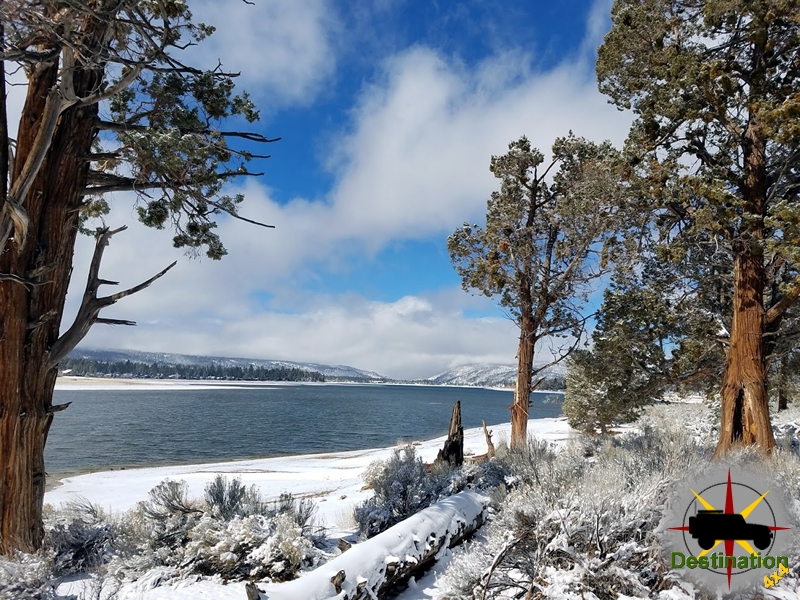
Big Bear, CA
I quiet mountain community full of back country adventure.
The Journey is the destination
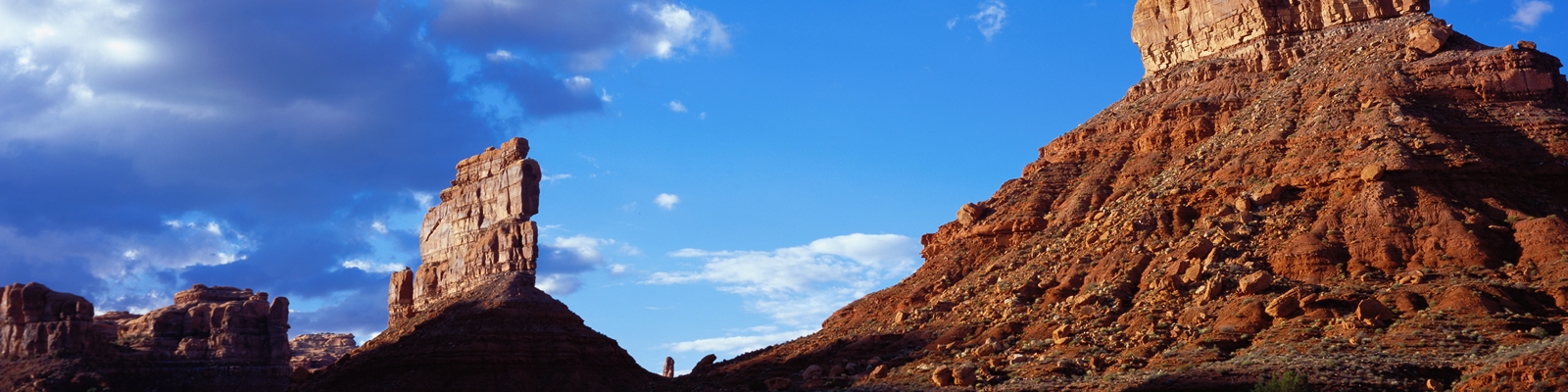
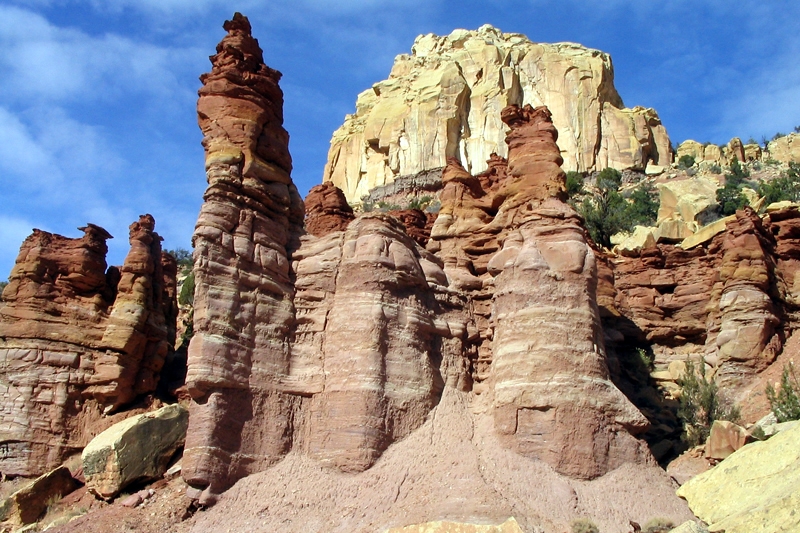
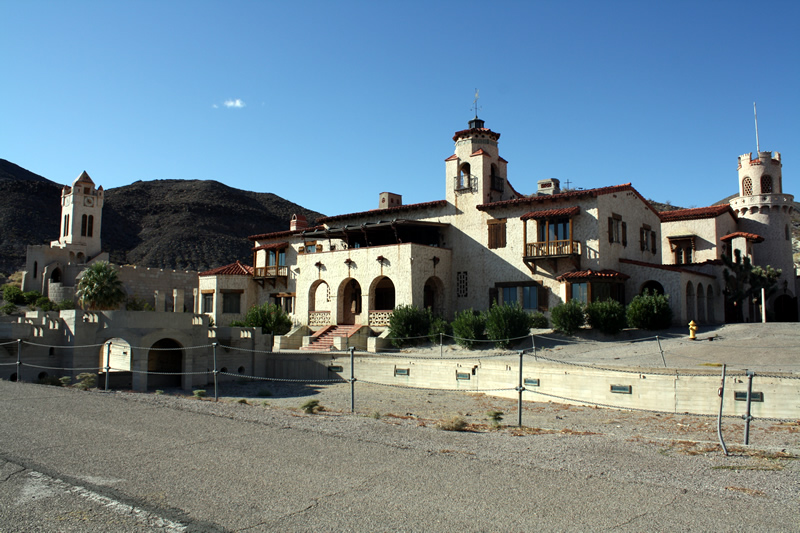
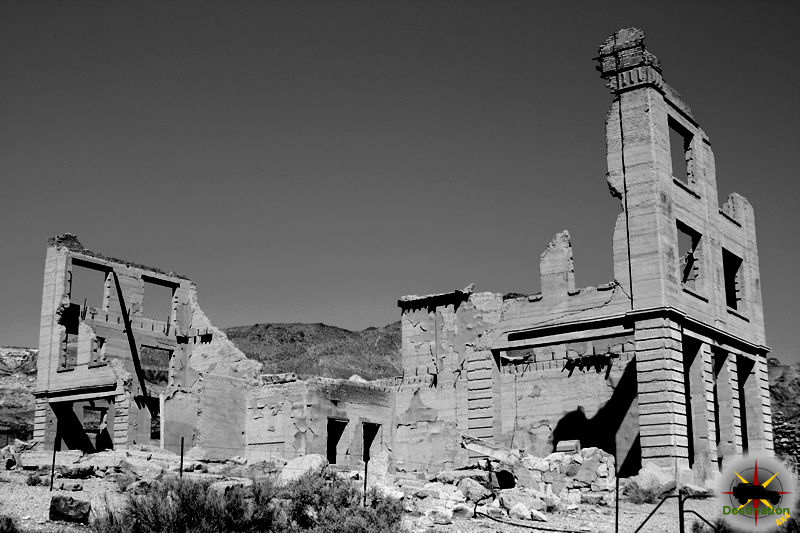
Harshaw, Arizona, is a ghost town located in Santa Cruz County in the southeastern part of the state, nestled on the eastern slopes of the Patagonia Mountains. Settled in the 1870s during the height of Arizona Territory’s mining fervor, Harshaw emerged as a bustling silver mining center, peaking with around 2,000 residents in the early 1880s. Named after its founder, David Tecumseh Harshaw, the town exemplified the rapid rise and fall characteristic of frontier mining camps in the American Southwest. Its history is intertwined with the broader mining districts of the Patagonia Mountains, where silver, lead, and other ores fueled economic booms amid challenges from Apache raids, economic fluctuations, and logistical hurdles. This report examines Harshaw’s founding and prosperity, the vital trade and transportation networks that sustained it, its decline, and its current status as a preserved relic of the Old West.

The story of Harshaw begins in the turbulent post-Civil War era, following the Gadsden Purchase of 1854, which incorporated southern Arizona into the United States and opened the region to American prospectors. Prior to this, Spanish and Mexican miners had sporadically extracted ores from the Patagonia Mountains since the 1500s, but operations were limited by remoteness, hostile indigenous populations, and lack of infrastructure. Native American groups, including the Apache, had long utilized the area’s resources, such as copper and turquoise, though evidence of their mining is scarce.
David Tecumseh Harshaw, a rancher originally from Pennsylvania, entered the scene in 1873 after being ordered by the Indian agent at Fort Bowie to relocate his cattle from Apache lands farther south. While scouting the Patagonia Mountains, Harshaw and Mexican prospector José Andrade discovered a rich silver vein near present-day Harshaw Creek in 1877, staking claims on what became the Harshaw and Trench mines. This find sparked the town’s rapid development. By 1879, Harshaw had sold his interests, but the momentum continued under the Hermosa Mining Company, which constructed a 20-stamp mill in 1880 capable of processing 75 tons of ore daily and employing 150 workers.
At its zenith around 1880, Harshaw sprawled along a one-mile main street, boasting seven saloons, a hotel, boarding houses, 8–10 general stores, a school, and even a newspaper, The Arizona Bullion. The population swelled to between 600 and 2,000, including a diverse mix of American, Mexican, and European miners and their families. The Hermosa Mine emerged as one of Arizona’s top ore producers, yielding significant silver output and contributing to Harshaw’s role as a hub in a cluster of nine mining camps in the region. This era of prosperity was part of a larger wave of mining activity in the Patagonia Mountains, where nearby sites like the Mowry Mine (established 1857) had already produced millions in silver and lead.
Harshaw’s remote location in the rugged Patagonia Mountains made efficient transportation essential for its survival, tying it into a web of wagon roads, stagecoach lines, and emerging railroads that facilitated ore shipment and supply chains. These routes not only connected Harshaw to other mining districts but also linked the area to broader regional and international trade networks.
Early transportation relied on overland wagon trails, a perilous endeavor often interrupted by Apache raids. Ore from the initial Harshaw claims was hauled by mule train or wagon to the Gulf of California port at Guaymas, Mexico—over 250 miles away—for shipment to San Francisco or Europe. This route echoed earlier Mexican-era paths used for sporadic mining exports and connected to the Pacific trade lanes. Locally, Harshaw Road (now Forest Road 58/49) served as the primary artery, a historic wagon route extending south from the town of Patagonia through sycamore-shaded canyons and mining remnants to connect with other ghost towns like Mowry (4 miles south), Washington Camp, and Duquesne. Stagecoach services implied along this corridor supplied mining camps, transporting goods, mail, and passengers between Harshaw and regional hubs.
The completion of the Southern Pacific Railroad across southern Arizona in 1880 revolutionized logistics, allowing milled ore from Harshaw’s Hermosa mill to be wagoned just 40 miles north to the Pantano rail station for efficient shipment eastward. This spurred a brief export boom, with Harshaw’s mines ranking among Arizona’s highest producers. By 1882, the New Mexico and Arizona Railroad (later part of the Southern Pacific system) extended from Nogales on the Mexican border to Benson, establishing Crittenden as a key siding for ore loading. When the station relocated to Patagonia around 1900, it solidified the area’s integration into national rail networks, reducing reliance on distant ports like Guaymas.
These routes were part of a larger 19th-century mining transportation grid in southern Arizona, influenced by earlier Spanish trails and the post-Gadsden influx of American capital. The Patagonia Mountains’ output—millions in silver, lead, zinc, and copper—flowed through these paths to fuel industrial growth in the U.S. and beyond, while importing supplies like machinery and provisions. Modern descendants, such as State Route 82 (designated in 1927 and paved by 1940), trace these historic corridors, offering scenic drives through the old mining district.
| Key Historical Trade/Transportation Routes Near Harshaw |
|---|
| Route |
| Harshaw Road (FR 58/49) |
| Wagon Trail to Guaymas, Mexico |
| Southern Pacific Railroad (to Pantano) |
| New Mexico & Arizona Railroad (Nogales–Benson via Crittenden/Patagonia) |
Harshaw’s golden age was short-lived. A devastating fire in 1882 destroyed much of the town, exacerbating the impact of plummeting silver prices and depleting high-grade ore veins. The Hermosa mill closed by 1882 and was dismantled in 1885, leading to a mass exodus. Sporadic revivals occurred, including attempts in 1908 and 1949, but low yields and economic downturns doomed them. The post office shuttered in 1903, marking the town’s effective end as a community. By the mid-20th century, remaining structures were largely abandoned, with final demolitions in the 1980s clearing space after mine closures.
Today, Harshaw stands as a quintessential ghost town, a quiet testament to Arizona’s mining heritage within the Coronado National Forest. Accessible via the well-maintained but unpaved Harshaw Road (FR 49) from Patagonia—about 7 miles south—visitors can explore remnants including a decaying adobe residence, stone foundations, mine shafts, and a small cemetery dating to the 1880s, where families like the Sotos (settlers from that era) are buried. Some sites, like the nearby Mowry Mine ruins, are on private property, requiring permission for access. The area attracts history enthusiasts, hikers, and off-roaders, with scenic drives along FR 58/49/61 offering views of oak woodlands, wildflowers, and mining artifacts.
While no permanent residents remain, echoes of the past persist through preserved sites and oral histories from descendant families, such as the Sotos, who have witnessed cycles of boom and bust over generations. Recent explorations, including videos from 2025, highlight its enduring appeal as a “hidden past” amid southern Arizona’s natural beauty. Harshaw serves as a poignant reminder of the human cost and environmental legacy of 19th-century mining, with potential for future tourism and historical preservation efforts
Salero, a remote ghost town nestled at the southern tip of the Santa Rita Mountains in Santa Cruz County, Arizona, exemplifies the fleeting boom-and-bust cycles of the American Southwest’s mining frontier. Derived from the Spanish word for “salt cellar,” the name originally alluded to early salt extraction efforts, but the site’s legacy is dominated by silver, lead, and copper mining. Located approximately seven miles northwest of the modern town of Patagonia, Salero’s story spans from indigenous and colonial exploitation in the 17th century to its transformation into a preserved, private enclave in the 21st century. Its history not only highlights the perils of frontier mining—Apache raids, economic volatility, and environmental transformation—but also underscores its enduring economic and cultural imprint on southern Arizona’s high desert landscape.

The Salero area’s mineral wealth was recognized long before American settlement. Archaeological evidence and historical records suggest that the site, part of the broader Tyndall Mining District, was first prospected in the 17th century by indigenous groups or early Spanish explorers drawn to its salt deposits and metallic ores. By the early 1800s, Jesuit missionaries from the nearby Tumacácori Mission actively worked the Salero Mine, extracting resources to support their evangelization efforts among the local O’odham (Papago) and Yaqui peoples. These operations were rudimentary, involving surface diggings and shallow shafts, but they laid the groundwork for the site’s reputation as one of the oldest mining claims in the Santa Rita Mountains.
In the late 18th century, Mexican laborers expanded these efforts, focusing on salt production—a vital commodity for preserving food in the arid borderlands. This pre-American phase was marked by cultural exchange and conflict, as Spanish colonial policies intertwined mining with mission-building, displacing native communities and introducing European technologies like basic smelting. The Salero Mine’s early output, though modest, contributed to the regional economy by supplying salt to missions and presidios along the Santa Cruz River corridor, fostering trade routes that would later evolve into key Apache War-era supply lines.
The mid-19th century brought dramatic change with the influx of Anglo-American prospectors following the Mexican-American War (1846–1848) and the Gadsden Purchase (1853), which formalized U.S. control over southern Arizona. In 1857, the Salero Mining Company, headquartered in the nearby town of Tubac, formally acquired the claims. This marked Salero’s transition from sporadic colonial workings to organized industrial extraction. The company’s founders, ambitious entrepreneurs from the eastern U.S. and Mexico, envisioned a salt empire but faced immediate violence: all were killed in Apache raids, a grim reminder of the territory’s volatility during the ongoing Apache Wars (1850s–1880s).
Undeterred, American miners persisted. In 1870, George Clark, a resilient prospector, relocated and reorganized the mine, shifting focus from salt to more lucrative silver and lead veins exposed in the surrounding quartzite hills. Clark’s efforts coincided with the broader Santa Rita mining boom, spurred by the discovery of rich silver deposits in adjacent districts like Harshaw and Patagonia. By the 1880s, Salero had coalesced into a rudimentary townsite on what would become the expansive Salero Ranch lands—part of the 1821 Baca Float No. 3 land grant, a massive Spanish concession embroiled in decades of U.S. legal disputes and land swindles until the early 1900s.
The establishment of a post office on August 13, 1884, signaled Salero’s brief emergence as a community hub, serving miners, ranchers, and freighters along the Sonoita Creek corridor. At its peak in the late 1880s, the town supported a population of perhaps 50–100 residents, including families drawn by steady wage labor. Infrastructure was sparse but functional: adobe dwellings, a assay office, and rudimentary stamp mills dotted the landscape. Ranching intertwined with mining here; notable figure Oscar Ashburn, a cattleman who arrived in Arizona in 1874, established the Salero Ranch on Sonoita Creek around this time. Ashburn’s operation supplied beef to mining camps and railroad crews during the Benson-Nogales line’s construction in 1882, blending pastoral and extractive economies. However, Apache depredations persisted, delaying full development and claiming lives, including Clark’s associates.
Salero’s zenith arrived in the early 1900s, as technological advances and market demand revitalized the district. By 1909, the mine was “well-equipped” with steam-powered hoists, crushers, and boilers fueled by cordwood stacks—visible in period photographs showing a bustling camp employing about 20 men. American owners had sunk multiple shafts and drifts, yielding thousands of tons of lead-silver ore annually, alongside copper byproducts. Production records from the era indicate shipments to smelters in Tucson and Bisbee, contributing to Arizona’s position as a national mining powerhouse.

The town expanded modestly, with a schoolhouse, general store, and boarding houses supporting a transient workforce of Cornish, Mexican, and Anglo miners. Salero’s output intertwined with nearby operations, such as the Alto Mine just two miles northwest—another Jesuit-era site that produced over 3,500 tons of ore by 1909. Together, these camps formed a mining corridor in the Santa Ritas, drawing investment from corporations like the Santa Rita Development Company. Economically, Salero funneled wealth into regional hubs like Patagonia, funding saloons, mercantiles, and infrastructure that sustained southern Arizona’s growth amid the copper boom.
Salero’s fortunes reversed sharply after World War I. The post office, a barometer of viability, closed on April 17, 1890—ironically predating the 1900s peak but foreshadowing decline as silver prices plummeted due to global oversupply and the 1893 Panic. By the 1920s, depleted veins, labor strikes, and the Great Depression eroded operations. The mine sputtered through sporadic reopenings in the 1930s–1940s, buoyed by wartime demand for lead, but ultimately shuttered by the 1950s. Environmental tolls mounted: tailings scarred the hillsides, and water diversion for milling altered local aquifers, contributing to erosion in the fragile high-desert ecosystem.
By mid-century, Salero was a ghost town, its adobe ruins overtaken by mesquite and prickly pear. The 1890 post office closure marked the end of formal settlement, leaving behind a skeletal camp of collapsed adobes and rusted machinery—now visible from restricted Forest Service Road 143.
Salero’s influence on southern Arizona endures, shaping the Santa Rita Mountains’ identity as a mining heritage zone within the Coronado National Forest. Economically, it catalyzed the Tyndall District’s output, injecting millions (in today’s dollars) into Santa Cruz County’s coffers through ore royalties and labor taxes, which funded roads, schools, and railroads linking Patagonia to Tucson. This ripple effect bolstered ranching empires like Ashburn’s, whose SA Bar brand evolved into the Rail X outfit, exemplifying how mining booms subsidized arid-land agriculture amid recurring droughts.
Culturally, Salero embodies the Southwest’s multicultural mining narrative—from Jesuit piety to Apache resistance and immigrant toil—preserved in oral histories and sites like Tumacácori National Historical Park. Its ruins, including early 1900s buildings on private land, attract historians and filmmakers, though access is gated to protect artifacts.
In the modern era, Salero’s 20,000-acre ranch has reinvented itself as an exclusive subdivision of 40-acre “ranchettes,” marketed since the 1990s as Arizona’s premier large-parcel development. Gated and solar-powered, it sold mining rights to ASARCO in 1999, blending preservation with luxury real estate. This transformation has gentrified the area, deterring urban sprawl while sparking debates over public access to historical sites. Ecologically, legacy contamination from heavy metals lingers in soils, prompting EPA monitoring, yet the ranch’s restrictions have shielded biodiversity hotspots for bighorn sheep and jaguars.
Ultimately, Salero’s arc—from salt pit to silver vein to secluded enclave—mirrors Arizona’s resource-driven evolution, leaving a scarred yet storied landscape that continues to draw seekers of the Old West’s ghosts.

Alto, Arizona, stands as a poignant relic of the American Southwest’s mining frontier, a once-thriving community in the rugged Santa Rita Mountains of Santa Cruz County. Established amid the pursuit of precious metals, Alto exemplifies the boom-and-bust cycles that defined many Western towns. Originally known as El Plomo—Spanish for “lead”—due to its rich lead deposits, the settlement was later renamed Alto, meaning “high,” reflecting the elevated position of its mines on steep mountainsides. Located east of Tubac in the Tyndall Mining District, Alto’s story spans from Spanish colonial missions to early 20th-century silver rushes, ultimately fading into obscurity by the 1930s. This report chronicles its history, with particular emphasis on its contributions to Santa Cruz County’s economic and cultural landscape.
The roots of Alto trace back to the late 17th century, when Spanish Jesuit missionaries from the nearby Tumacácori Mission first identified and exploited the area’s mineral wealth. Around 1687, these priests discovered lead-silver veins in what would become the Alto Mine Group, initiating intermittent extraction that continued steadily until the mid-19th century. The Jesuits, focused on funding their religious outposts, worked the site as part of broader colonial mining efforts in southern Arizona, extracting ore for lead (Pb), silver (Ag), and traces of zinc (Zn), copper (Cu), gold (Au), and other elements like antimony (Sb), bismuth (Bi), arsenic (As), barium (Ba), and uranium (U).
This early phase established Alto’s location as a key node in the region’s nascent mining network. The mine operated on a swarm of roughly parallel quartz-barite fissure veins, with sulfide and sulfosalt lenses that were oxidized near the surface. Wall rocks consisted of Cretaceous rhyodacite welded tuff interbedded with arkose and Jurassic granite. By the 1850s, as U.S. territorial expansion disrupted Spanish operations following the Mexican-American War and the Gadsden Purchase (which placed the area in Arizona Territory in 1854), Jesuit activities ceased, leaving the site dormant for nearly two decades.
Mining at Alto revived in the post-Civil War era amid Arizona’s mineral booms. Between 1875 and 1880, prospector Mark Lully of Nogales rediscovered the deposits, dubbing it the Gold Tree Mine despite its primary yields of lead and silver. This sparked renewed interest, aligning with broader exploration in the Santa Rita Mountains. Ownership shifted rapidly: by the late 1800s, Albert Steinfeld & Co. of Tucson controlled operations until 1902, when the Alto Consolidated Mines, Smelting & Transportation Co. took over, incorporating 21 claims including Steinfeld, Gold Tree, El Plomo, Excelsior, and others.
Infrastructure expanded with shafts, tunnels, drifts, and stopes totaling over 10,000 feet. Notable workings included a 217-foot-deep shaft sunk between 1905 and 1907 and the 1,632-foot Alto Tunnel. Production during this period exceeded 3,500 tons of ore, averaging 12% lead, 14 ounces of silver per ton, 3% copper, and minor zinc and gold—substantial output for a remote site at 5,518 feet elevation.
Alto’s true heyday arrived in the early 1900s, transforming scattered mining camps into a proper town. Silver discoveries in the late 1800s fueled rapid growth, attracting over 500 residents by the decade’s start, including miners, families, and support workers. The community boasted a post office (established in a resident’s home), a schoolhouse, and at least 28 buildings, many constructed from adobe. In 1909, the refurbished mine employed 5 to 10 men, underscoring its operational scale under owners like the Alto Copper Co. (1907–1913) and Southwest Development Co. (1911).
Life in Alto was marked by both prosperity and peril. A devastating fire in 1912 razed much of the town, but residents rebuilt resiliently. The Bonds, a prominent family, epitomized community spirit: Minnie Ammerman Bond served as unpaid postmaster for a decade, while her husband Josiah later assumed the role, taught school, and raised their children after her tragic death. In 1922, Minnie was struck by lightning while horseback riding with her infant daughter Catherine, who miraculously survived; Minnie’s son Albert fetched aid, and she was buried in the town’s small family cemetery.
Ownership continued to evolve, with lessees like Henderson (1924), Bond (1929), and Laguna (1931–1932) sustaining sporadic production through the 1930s.
Like many mining outposts, Alto’s fortunes waned as easily accessible veins depleted. By the late 1920s, economic pressures from falling metal prices and the Great Depression accelerated the exodus. The post office, a lifeline to the outside world, closed in 1933, signaling the town’s effective end. Josiah Bond passed away in 1938, joining Minnie in the cemetery, as the last residents dispersed. Intermittent work by later operators—such as Long Contact Manufacturing Co. (1940–1942), Griffith (1947), and Fortuna Mining Co.—yielded little, unable to revive the boom.
Abandonment left behind crumbling adobe ruins, including the Bond home and post office, scattered mine tailings dumped down the mountainside, and the modest cemetery. Nature quickly reclaimed the site, with desert flora overtaking structures in this fenced, posted area on the Salero Ranch bordering national forest land.
Alto played a pivotal role in shaping Santa Cruz County’s mining heritage, one of Arizona’s most mineral-rich regions with over 558 documented mines. As part of the Tyndall Mining District, it exemplified the county’s transition from Spanish colonial extraction to American industrial mining, contributing lead, silver, and copper to regional and national markets. Early Jesuit operations highlighted the area’s pre-territorial significance, while 19th- and 20th-century booms supported local economies in nearby Tubac and Nogales, fostering trade, labor migration, and infrastructure like roads and smelters.
The town’s story, chronicled in works like Hidden Treasures of Santa Cruz County by Betty Barr, underscores the human and environmental costs of extraction—tragedies like the Bond lightning strike and ecological scars from waste dumps. Alto’s legacy endures as a microcosm of the county’s “mining booms,” which shifted from silver-lead to copper dominance in the late 1880s, powering Arizona’s growth during the electrical age. Today, it draws historians, hikers, and ghost town enthusiasts, preserving narratives of resilience in a county defined by its borderland mining past.
Alto remains a true ghost town, accessible via dirt roads from Tubac but restricted by fencing on private ranch land. Visitors can glimpse ruins, the cemetery, and mine remnants from afar, though no intact structures survive. Its isolation in the Santa Rita Mountains ensures quiet decay, a stark contrast to its vibrant past. Preservation efforts are minimal, but sites like the Alto Ruins trail offer glimpses into this forgotten chapter of Arizona history.
From Jesuit pickaxes in 1687 to the dust-choked streets of the 1920s, Alto’s arc mirrors the ephemeral nature of frontier mining. Its contributions to Santa Cruz County’s economy and identity—through ore production, community building, and cultural lore—endure in ruins and records, reminding us of the Southwest’s layered past. As of 2025, Alto invites reflection on sustainability in resource-dependent regions, a silent testament to ambition’s highs and inevitable falls.
Nestled in the rugged hills of Santa Cruz County in southern Arizona, just north of the Mexican border, Ruby stands as one of the most well-preserved ghost towns in the American Southwest. Once a bustling mining community driven by the extraction of lead, zinc, silver, gold, and copper, Ruby’s history is a tale of frontier ambition, industrial boom, violent crime, and inevitable decline. Founded in the late 19th century amid the mineral-rich Oro Blanco Mining District, the town peaked in the 1930s with a population of around 1,200 before fading into obscurity by 1941. Today, it remains frozen in time, offering a poignant glimpse into Arizona’s mining heritage, though access is restricted due to private ownership.

The story of Ruby begins with early European exploration in the region. Spanish conquistadors ventured into the area in the late 1500s, but sustained mining efforts didn’t take hold until the 19th century. In 1854, American prospectors Charles Poston and Henry Ehrenberg revived placer mining operations in Montana Gulch, targeting gold deposits. However, Apache resistance, limited water supplies, and rudimentary extraction methods hampered progress for decades.
By the 1870s, the settlement known as Montana Camp emerged at the base of Montana Peak in Bear Valley, drawing miners to the promising veins of the Montana Mine. The first formal mining claim was staked in 1877, focusing initially on gold and silver. The camp’s name reflected its location, but it was officially rechristened Ruby in 1912 when postmaster Julius Andrews established a post office and named it after his wife, Lillie B. Ruby Andrews. The Ruby Mercantile, opened in the late 1880s by George Cheney and later acquired by Andrews in 1891, served as the town’s commercial and postal hub. A post office followed in 1912, marking Ruby’s transition from a transient camp to a more permanent community.
Mining defined Ruby’s existence, with the Montana Mine evolving into a major operation. Early efforts were small-scale, but by 1915, the mine was leased to the Goldfield Consolidated Mines Company, which ramped up production and positioned Ruby as a key lead producer. The real transformation came in 1926 when the Eagle-Picher Lead Company took over. This Kansas-based firm invested heavily in infrastructure, including dams, a 15-mile water pipeline from the Santa Cruz River, and electricity generation. The mine operated around the clock, employing up to 300 workers and employing advanced milling techniques.
From 1934 to 1937, the Montana Mine was Arizona’s leading producer of lead and zinc, and it ranked third in silver output in 1936. The town’s population swelled to approximately 1,200 by the mid-1930s, supporting a school, jail, infirmary, machine shop, and over 50 residences. Infrastructure included a two-story hotel, a dance hall, and recreational facilities like baseball fields. The Oro Blanco District’s total mineral output from 1909 to 1949 exceeded $10 million (in period value), underscoring Ruby’s economic significance during the Great Depression era, when mining provided vital employment.
Ruby’s prosperity was marred by lawlessness, epitomized by the infamous “Ruby Murders” of the early 1920s—a series of brutal robberies that terrorized the town and sparked one of the largest manhunts in Southwestern history. The violence began on February 27, 1920, when brothers John and Alexander Fraser, operators of the Ruby Mercantile, were gunned down during a robbery. Alexander was shot in the back and head near the cash register, while John succumbed hours later to a bullet through the eye. The bandits cut telephone lines, stole cash, horses, and cattle, and escaped southward, likely into Mexico. Suspected Mexican vaqueros were rounded up, but no charges stuck.
The horror escalated on August 14, 1921, with the savage murder of the Pearson family. Storekeeper Frank Pearson was shot twice in the back while reaching for tobacco. His wife, Myrtle, suffered a fractured skull, neck wound, head shot, broken jaw, and teeth knocked out with a gun butt in a frenzied attack. Frank’s sister Elizabeth was grazed by a bullet, while his daughters Irene and Margaret hid in terror. Seven masked robbers ransacked the store, matching descriptions from the Fraser killings. A $5,000 reward per outlaw fueled a massive investigation.
Justice came slowly. Manuel Martinez was identified by stolen gold teeth from Myrtle Pearson, and Placido Silvas emerged as a key suspect. After three trials—the longest in Santa Cruz County history—Silvas was convicted of first-degree murder. Martinez confessed but pleaded not guilty; his trial lasted just 40 minutes, ending in conviction. In July 1922, Martinez was sentenced to hang, and Silvas to life imprisonment. En route to prison, the pair escaped after bludgeoning their guards, killing Sheriff George White and mortally wounding Deputy L.A. Smith. A 700-man posse, bloodhounds, and—remarkably—the first airplane used in an Arizona manhunt pursued them for days across 70 miles of the Tumacacori Mountains. Recaptured, Martinez was hanged on August 10, 1923, after repeated stays of execution. Silvas escaped prison in 1928 and was never recaptured. These events, steeped in local lore including a supposed curse on the mercantile, cemented Ruby’s reputation for frontier mayhem.
The ore veins began to play out by 1940, forcing the mine’s closure. Eagle-Picher dismantled the mill and relocated it to Sahuarita, stripping the town of its economic lifeline. By late 1941, the post office shuttered, and Ruby’s residents dispersed, leaving behind a near-empty shell. World War II demands for metals ironically came too late to revive operations, as the remote location and depleted resources proved insurmountable. The once-vibrant community faded into a ghost town, its buildings succumbing to weather and neglect.
Ruby endures as one of Arizona’s two best-preserved mining ghost towns, boasting about 25 original structures, including the jail, schoolhouse, miners’ homes, and remnants of mine machinery like a 700-foot main shaft with 2,000-foot lateral tunnels. The site also features two dams forming scenic lakes, a cemetery, and habitats for wildlife, including 1.5 million Mexican free-tail bats in the abandoned shafts. Owned privately since the 1970s, Ruby offered guided tours for three decades, drawing history enthusiasts. However, due to vandalism and safety concerns, public access was permanently closed on June 3, 2024. Visitors can still view the town from afar via nearby trails, but the structures remain off-limits, preserving this slice of Old West history for future generations.
Ruby, Arizona, encapsulates the boom-and-bust cycle of America’s mining frontier: a magnet for dreamers and workers, shadowed by violence and hardship, ultimately yielding to economic realities. Its legacy endures not just in the tangible ruins but in the stories of resilience, crime, and transformation that continue to captivate historians and adventurers alike. As a protected relic, Ruby reminds us of the human cost and fleeting glory of resource extraction in the American Southwest.

Aurum is a historic ghost town and mining camp in White Pine County, eastern Nevada, situated in Silver Canyon on the eastern slopes of the Schell Creek Range. It lies roughly 3 miles west-southwest of the Spring Valley road, in a rugged high-desert mountain setting with elevations around 7,000–8,000 feet.
The site is part of the broader Aurum (or Silver Canyon/Siegel) Mining District, which also includes areas like Muncy Creek, Siegel Canyon, and nearby Schellbourne. The district produced silver, gold, lead, and manganese ores.
The first mineral discoveries in the Silver Canyon area occurred in 1869 by prospectors Chisolm and Ramsdell. The district was formally organized in 1871, with most early mines controlled by the Grace Mining Company.
By 1872, a small camp known as Silver Canyon had developed with a population of about 50 residents. However, the initial boom was short-lived; the camp was largely abandoned by 1873 as early prospects proved insufficient to sustain long-term operations.
New discoveries in 1878 led to the rebirth of the camp, this time named Aurum (Latin for “gold,” reflecting hopes for valuable mineralization). Dr. Brooks, one of the key figures in the 1878 discoveries, constructed a 10-stamp mill at the mouth of Silver Canyon, which began operations in early 1881.
By summer 1881, Aurum had grown into a functional mining town with:
Population reached modest but stable levels, with periodic growth exceeding 50 residents during revivals.
Mining activity focused on silver ores, with some gold and manganese. Ore values were promising at times—up to $300–$500 per ton in richer strikes. The camp experienced multiple small booms and busts typical of remote Nevada mining districts.
Aurum faced significant setbacks:
A revival occurred around 1887–1888 after Simon Davis and George Palmerton located the Aurum Mine, which produced high-value ore. The town briefly grew again, but sustained production remained elusive.
By 1906, Aurum was largely abandoned once more. Only Simon Davis remained as a lone prospector in Silver Canyon. He later organized the Lucky Deposit Mining Company in 1914, but large-scale activity never returned.
The post office continued intermittently until its final closure on May 31, 1938.
Aurum exemplifies the boom-and-bust cycle of small-scale mining camps in Nevada’s remote ranges. Unlike the massive White Pine silver rush of the late 1860s (centered on Hamilton, Treasure City, and Shermantown), Aurum’s activity was more modest and sporadic, tied to the Schell Creek Range districts.
Visible remnants today include:
The site is remote and requires careful access via dirt roads. It attracts ghost town enthusiasts interested in Nevada’s lesser-known mining history.
Aurum operated during a period when Nevada’s mining industry shifted from the great Comstock and White Pine booms toward smaller, more scattered precious-metal districts. Its story highlights the harsh realities of high-elevation mining: isolation, extreme weather (including deadly avalanches), and dependence on fluctuating ore values and outside capital.
This report is compiled from historical accounts, including Nevada Expeditions (nvexpeditions.com), Western Mining History resources, USGS reports on eastern Nevada mining districts, and contemporary mining records. Aurum remains a quiet footnote in White Pine County’s rich mining heritage.