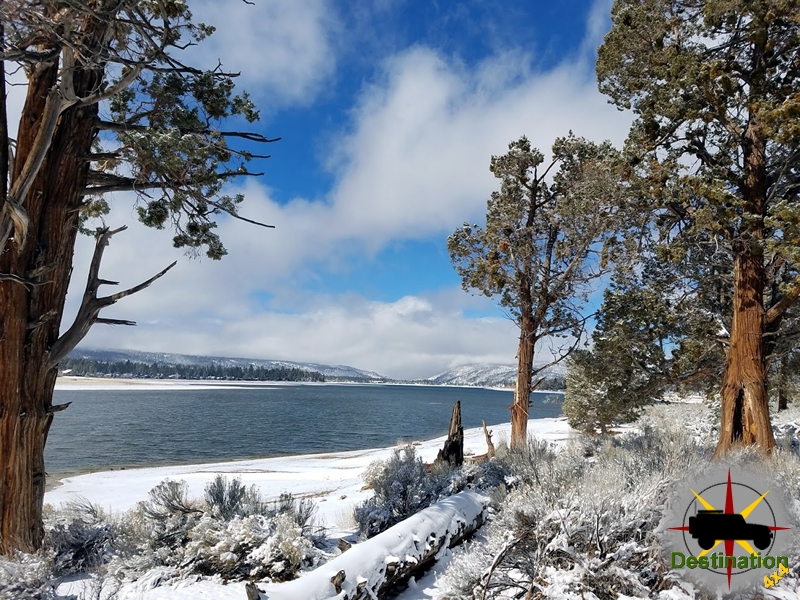
Big Bear, CA
I quiet mountain community full of back country adventure.
The Journey is the destination
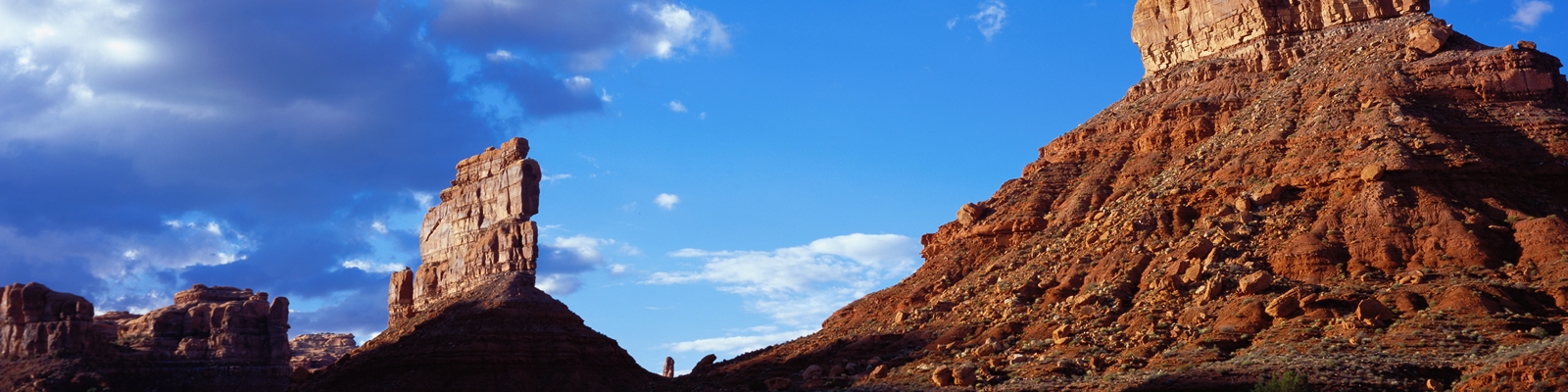
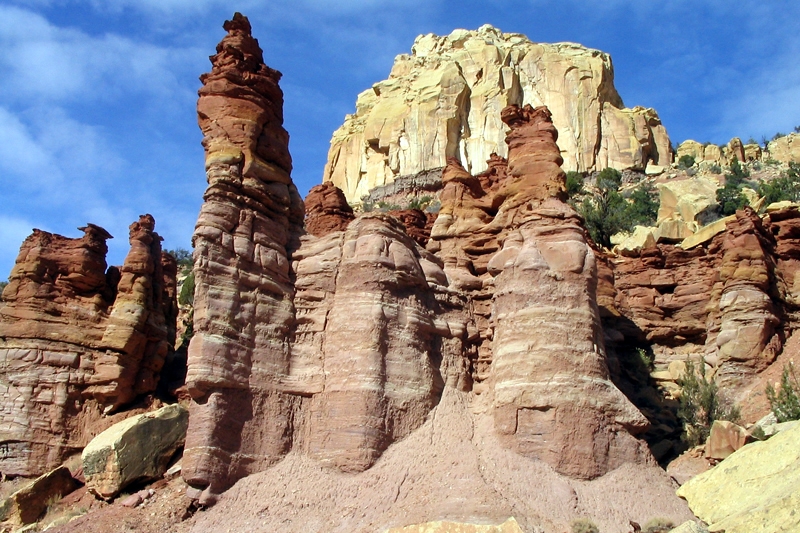
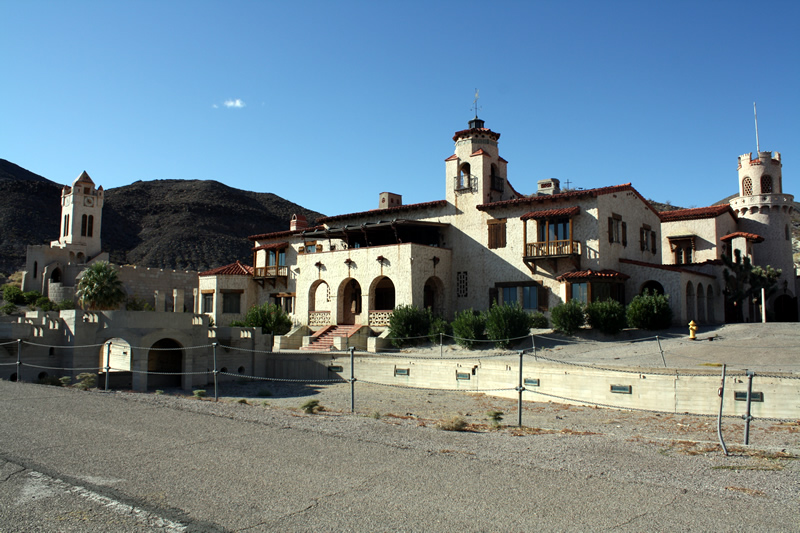
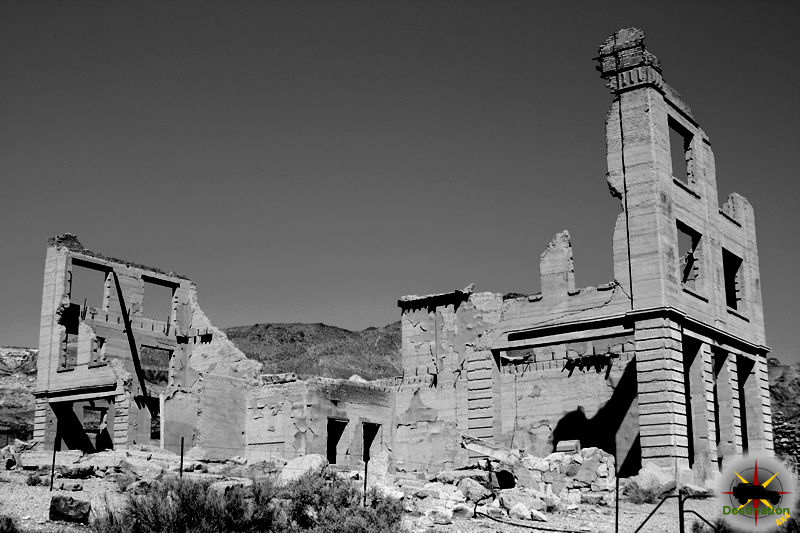
Cobre is a former railroad town and ghost town located in northeastern Elko County, Nevada, approximately 39 miles northeast of Wells and near the interchange of major rail lines in the early 20th century. The name “Cobre” derives from the Spanish word for “copper,” reflecting its primary purpose as a transportation hub for copper ore extracted from mines in the Ely area of White Pine County, over 140 miles to the south. Unlike a traditional mining camp, Cobre itself had no significant local mining operations; it existed solely to facilitate the transfer and shipment of copper via rail. Today, it stands as a quiet, largely abandoned site emblematic of Nevada’s boom-and-bust railroad and mining era.
Cobre emerged in 1905–1906 during the construction of the Nevada Northern Railway (NNRY), a line built specifically to connect the burgeoning copper mining district around Ely, Nevada, to the national railroad network. The Guggenheim family’s Nevada Consolidated Copper Company (formed from mergers including the White Pine Copper Company and others) financed the NNRY to transport ore from mines and smelters in the Robinson Mining District near Ely.
Rather than connecting from the closer town of Wells, the NNRY chose a junction point on the Southern Pacific Railroad (SPR) mainline at what became Cobre. Construction began southward from this point on September 11, 1905, under contract with the Utah Construction Company. Rails were laid starting in December 1905, and regular operations commenced in 1906.
The town quickly took shape as a rail interchange and service point:
By 1910, Cobre reached its peak with around 60 residents, three bars, and a reputation for rowdiness and violence typical of remote railroad towns.
Cobre’s economy revolved entirely around the railroad. Copper ore from Ely-area mines (primarily operated by Nevada Consolidated, later acquired by Kennecott Copper Corporation in the 1930s) was shipped north via the NNRY to Cobre, where it transferred to Southern Pacific (and later Western Pacific) trains for shipment to smelters elsewhere.
The town supported:
World War I and post-war demand for copper sustained activity, though fluctuations in copper prices caused periodic slowdowns. The line also briefly connected to the Western Pacific at Shafter, enhancing Cobre’s role as a key interchange.
The post-World War II era brought irreversible changes:
By the late 1980s, Cobre had faded into obscurity, with most buildings removed or demolished.
Cobre remains an uninhabited ghost town and siding along the former rail lines in a remote, arid section of Elko County. Very little of the original town survives:
The southern portion of the historic NNRY (from Ely to Ruth/McGill) has been preserved as the Nevada Northern Railway Museum, a National Historic Landmark operating heritage tourist trains. However, the northern segment through Cobre is largely inactive and overgrown, with no regular service. The area sees occasional visits from ghost town enthusiasts, railroad historians, and photographers, but it offers no services or restored buildings.
Cobre exemplifies Nevada’s many railroad-dependent settlements that vanished when mining economics and transportation technology evolved, leaving behind silent reminders of the state’s copper-fueled industrial past.

Perched precariously atop Treasure Hill at elevations exceeding 9,000 feet in the rugged White Pine Range of western White Pine County, Nevada, Treasure City (originally known briefly as Tesora) emerged as one of the most dramatic symbols of the late-1860s silver frenzy that swept the American West. Born from the “White Pine Rush” — a stampede rivaling the Comstock in intensity but far shorter in duration — this high-altitude mining camp briefly glittered with promise before succumbing to the familiar Nevada pattern of boom and bust. At its 1869 zenith, Treasure City boasted a population estimated between 6,000 and 7,000 souls, complete with saloons, stores, a stock exchange, fraternal lodges, and the state’s first newspaper outside the Comstock region. Yet within a mere decade, it lay abandoned, its windswept ruins a silent monument to over-hyped riches and the unforgiving geology of surface-only deposits.
The story of Treasure City begins not with a lone prospector but with seasoned miners from the Reese River district who, in late 1865, organized the White Pine Mining District after finding modest silver showings on the western slopes of the White Pine Range. Initial development remained quiet until late 1867 or early 1868, when legend credits a Shoshone man known as “Napias Jim” (or “Indian Jim”) with revealing extraordinarily rich chloride silver ore to local blacksmith A.J. Leathers. Samples assayed at staggering values — some reportedly reaching $15,000–$20,000 per ton — ignited what newspapers dubbed “White Pine Fever.”
By spring 1868, thousands poured into the remote mountains east of Eureka. Claims such as the Eberhardt, Hidden Treasure, North Aurora, and Mammoth were staked across Treasure Hill’s summit. The ore, primarily cerargyrite (horn silver) in brecciated limestone, occurred in massive surface pockets rather than true veins, allowing easy extraction but dooming long-term prospects. Miners initially lived in caves (earning the base camp the temporary name Cave City), but as the rush intensified, settlements sprawled across the hill.
Treasure City coalesced directly among the mines near the hill’s crest, earning its name from the apparent boundless wealth. Briefly called Tesora in early 1869, it was formally incorporated on March 5, 1869, and its post office opened under that name before switching to Treasure City in June. By late 1869, the town pulsed with life: over 40 stores, a dozen saloons, Masonic and Odd Fellows halls, a stock exchange, and the White Pine News — Nevada’s easternmost newspaper, printed on a press hauled from Belmont.
The air reeked of woodsmoke from countless stoves struggling against brutal winters, where blizzards buried tents and temperatures plunged far below zero. Water had to be piped or hauled uphill, fuel was scarce, and avalanches claimed lives. Yet money flowed: the Eberhardt Mine alone yielded massive boulders of nearly pure silver, and district production soared. Supporting towns sprang up below — Hamilton (the commercial hub and new county seat of freshly created White Pine County), Shermantown (a mill town), Eberhardt, Swansea, and others — swelling the greater district to perhaps 25,000–40,000 people in 1869–1870.
The bonanza proved illusory. By 1870, the rich surface pockets were exhausted; deeper workings encountered only low-grade ore. Population plummeted — Treasure City’s census recorded just 500 residents that year. Businesses shuttered, and many structures were dismantled for lumber or relocated downhill to Hamilton. A devastating fire in 1874 consumed much of the remaining business district. The town was disincorporated in 1879, its post office closed on December 9, 1880, and by the early 1880s Treasure City was effectively deserted. Sporadic attempts at revival in the 1890s and 1920s yielded little, and the district’s total output from 1867–1880 is estimated at $20–$40 million (over half a billion dollars today) — impressive, but far short of initial hype.
Today, Treasure City exists only as scattered stone foundations, crumbling walls, and hazardous mine shafts strewn across the windswept summit of Treasure Hill, within the Humboldt-Toiyabe National Forest. No intact buildings remain; the high elevation and harsh weather have reduced most traces to low rock outlines and debris fields littered with rusted cans, broken glass, and the occasional shard of fine china or champagne bottle — remnants of a brief era of ostentatious wealth.
The site is accessible via a rough, high-clearance dirt road branching south from U.S. Highway 50 near Illipah Reservoir (about 37 miles west of Ely), then climbing approximately 11 miles to the Hamilton area and onward to the hilltop. The road is often impassable in winter or after rain, and visitors must contend with extreme weather even in summer. Combined with nearby Hamilton (which retains a few more substantial ruins including the shell of the 1870 courthouse), Treasure City forms part of one of Nevada’s most evocative ghost town complexes.
Though remote and barren, the location draws history enthusiasts, photographers, and off-road adventurers seeking the stark beauty of a place where fortunes were made and lost in the span of a single winter. Artifacts are protected on public land — take only photographs — and open mine shafts pose serious fall hazards. As with all Nevada backcountry sites, go prepared with water, fuel, and a reliable vehicle; cell service is nonexistent. Treasure City stands not as a preserved museum but as raw testimony to the fleeting nature of mining glory in the Silver State.
Mary Edith “Mollie” Fly (c. 1847–1925) was a pioneering American photographer who, with her husband Camillus “Buck” Fly, documented life in Tombstone, Arizona, during its 1880s silver-mining boom. Born in the U.S. and raised in San Francisco, she married Buck in 1879 and moved to Tombstone, where they established Fly’s Photography Gallery. Mollie managed the studio and boarding house, taking portraits of residents while Buck captured historic images, including Geronimo’s 1886 surrender. Despite personal challenges, including Buck’s alcoholism and their separations, Mollie ran the studio solo after his 1901 death until 1912. She donated their negatives to the Smithsonian and retired to Los Angeles. Inducted into the Arizona Women’s Hall of Fame in 1989, Mollie’s work preserved a vivid record of Tombstone’s frontier era.

Mary Edith McKie, known as Mollie Fly, was born around 1847, likely in the United States, though details of her early life remain scarce. In the late 1850s, her family relocated to San Francisco, California, where she spent her formative years. Little is documented about her education or how she acquired her photographic skills, a rarity for women in the mid-19th century. Mollie married twice; her first marriage to Samuel D. Goodrich ended in divorce after two years. In 1879, she married Camillus Sidney “Buck” Fly, a photographer, in San Francisco, marking the beginning of their shared professional and personal journey. The couple later adopted a daughter, Kitty Fly.

In December 1879, Mollie and Buck arrived in Tombstone, Arizona Territory, during its silver-mining boom, when the town was rapidly growing into one of the American frontier’s last boomtowns. They initially set up a temporary photography studio in a tent, capitalizing on the influx of miners, merchants, and adventurers. By July 1880, they had constructed a 12-room boarding house at 312 Fremont Street, which included their permanent studio, known as Fly’s Photography Gallery, at the back. Mollie played a pivotal role in managing both the boarding house and the studio, especially when Buck was away on photographic expeditions. As one of the few female photographers of the era, she took studio portraits for 35 cents each, capturing the diverse faces of Tombstone’s residents, from miners to merchants.
Mollie’s contributions to documenting Tombstone’s history were significant, though often overshadowed by her husband’s more publicized work. The Flys’ studio was strategically located near the site of the infamous Gunfight at the O.K. Corral on October 26, 1881, one of the most iconic events in Old West history. Buck was an eyewitness to the shootout, which occurred just outside their studio, and reportedly disarmed a dying Billy Clanton while armed with a Henry rifle. Curiously, no photographs of the gunfight’s aftermath were taken, possibly due to threats from the Earp faction, though Mollie and Buck’s studio captured portraits of many key figures in Tombstone, including founder Ed Schieffelin and surgeon Dr. George E. Goodfellow.
While Buck gained recognition for his photojournalistic work, including the only known images of Geronimo’s surrender in 1886, Mollie ensured the studio’s continuity. She managed operations during Buck’s absences, producing photographic postcards, such as one captioned “Arizona Prospectors, Tombstone,” which offered rare glimpses into the town’s daily life. Her work, though less credited, helped preserve the visual record of a bustling frontier town marked by saloons, stagecoach robberies, and mining ventures.
The Flys’ personal and professional lives were fraught with challenges. Buck’s heavy drinking led to their temporary separation in 1887, and by the late 1880s, Tombstone’s economy declined as silver prices fell and mines flooded. In 1893, the couple attempted to open a new studio in Phoenix, but the venture failed, prompting their return to Tombstone a year later. They separated again in the late 1890s, with Buck establishing a studio in Bisbee, Arizona, where a fire at the Phelps Dodge Mercantile Company warehouse destroyed many of their glass-plate negatives. After Buck’s death in Bisbee in 1901, Mollie ran the Tombstone studio solo for another decade, demonstrating remarkable resilience. In 1905, she published a collection of Buck’s photographs, Scenes in Geronimo’s Camp: The Apache Outlaw and Murderer, preserving his historic images of Geronimo’s surrender.
In 1912, Mollie retired after a second fire destroyed her studio in Tombstone in 1915. Recognizing the historical value of their work, she donated the surviving negatives to the Smithsonian Institution in Washington, D.C. She then moved to Los Angeles, California, where she lived until her death in 1925. Mollie’s contributions as a pioneering female photographer were posthumously honored in 1989 when she was inducted into the Arizona Women’s Hall of Fame.

Mollie Fly’s role in recording Tombstone’s events was integral to preserving the town’s legacy as “The Town Too Tough to Die.” Through her management of Fly’s Photography Gallery and her own photographic work, she captured the essence of a volatile frontier era, contributing to one of the most comprehensive pictorial records of early Tombstone. Her perseverance as a woman in a male-dominated field and her dedication to her craft ensure her place as a significant figure in Arizona’s history.
Sources:
Potash Road, also known as Utah Scenic Byway 279 or the Lower Colorado River Scenic Byway, is a striking route that stretches approximately 17 miles along the Colorado River west of Moab, Utah, before transitioning into a dirt road that connects to the Shafer Trail in Canyonlands National Park. This road, running parallel to dramatic red rock cliffs and offering access to petroglyphs, arches, and dinosaur tracks, has a rich history tied to Native American use, industrial development, and modern recreation. Its proximity to the Shafer Trail makes it a critical segment of one of the most iconic backcountry driving routes in the American Southwest.

Potash Road’s origins trace back to Native American pathways that followed the Colorado River through the deepening Wingate sandstone canyon. Indigenous peoples used these routes to access resources, hunt, and travel between seasonal locations. The corridor’s natural features, including the river and nearby cliffs, made it a vital passage for early inhabitants. Evidence of their presence persists in the form of petroglyphs, such as those visible along the road near the “Indian Writing” pullout, approximately 5 miles from Moab, where rock art panels adorn the cliffside.
In the early 20th century, the route that would become Potash Road was used by Mormon pioneer settlers and ranchers. While the nearby Shafer Trail was specifically improved by John “Sog” Shafer in 1917 to move cattle between summer pastures on the mesa top and winter grounds in the canyon, Potash Road served as a complementary route along the Colorado River, facilitating access to grazing areas and water sources. The road remained a rudimentary track during this period, suitable for livestock and limited vehicular traffic, with its path constrained by the river and towering sandstone cliffs.
The mid-20th century marked a significant transformation for Potash Road with the rise of potash mining in the Moab area. The road’s modern name derives from the Moab Salt Company (now Intrepid Potash, Inc.), located at the end of the paved section, approximately 17 miles from U.S. Highway 191. Established in the early 1960s, the potash mining operation extracted potassium chloride from deep underground deposits, using water from the Colorado River to dissolve the mineral, which was then pumped to vibrant blue evaporation ponds visible along the road. These man-made, rubber-lined ponds, dyed blue to speed evaporation, became a striking feature of the landscape, visible even from space.
To support the mining industry, the Atomic Energy Commission and mining companies improved Potash Road in the 1950s and early 1960s, paving the initial 15–17 miles from U.S. 191 to the potash plant. Beyond this point, the road transitions to a dirt track, historically used to transport uranium ore from mines in the Triassic Chinle Formation to processing facilities in Moab. This dirt section, which connects to the Shafer Trail, was widened and stabilized to accommodate heavy trucks, following the path of a natural rockfall that buried parts of the cliff-forming Wingate Sandstone. The construction of a single-track railway in 1964, paralleling the final six miles of the paved road and extending through Bootlegger Canyon to Moab, further supported the transport of potash and salt, reducing reliance on the road for industrial haulage.
With the establishment of Canyonlands National Park in 1964, the region’s focus shifted from industrial activity to preservation and recreation. The dirt section of Potash Road, extending from the potash plant to the Shafer Trail, became integrated into the park’s backcountry road network. The National Park Service maintained the route for recreational use, requiring high-clearance 4WD vehicles due to its rugged terrain, including ruts, sand, and slickrock sections. The road’s connection to the Shafer Trail, which ascends 1,500 feet through dramatic switchbacks to the Island in the Sky district, made it a popular route for adventurers seeking to experience Canyonlands’ rugged beauty.
Potash Road’s paved section, designated as Utah Scenic Byway 279, became a draw for its accessibility and scenic attractions. Notable sites include “Wall Street,” a cliffside area popular with rock climbers, and the trailheads for Corona Arch and Jug Handle Arch, both located along the road. The Corona Arch trail, approximately 1.2 miles each way, leads to a 140-foot-wide arch, while Jug Handle Arch is visible from the road, offering easy access for photographers. Dinosaur footprints, reachable by a short scramble near the Poison Spider Trail, and petroglyphs along the river add historical and cultural depth to the drive. The road also passes by the Gooseneck Overlook, a remote viewpoint showcasing the Colorado River’s meanders, and Thelma and Louise Point, famous for its role in the 1991 film’s final scene, often mistaken for the Grand Canyon.
Today, Potash Road is a multifaceted route, blending paved accessibility with rugged backcountry adventure. The paved section is suitable for most vehicles, offering a scenic drive along the Colorado River with opportunities to stop at campsites, petroglyphs, and trailheads. The dirt section, connecting to the Shafer Trail, requires a high-clearance 4WD vehicle and is part of a 19-mile off-road route that enters Canyonlands National Park, where a fee is required. The road is prone to closure during wet or snowy conditions, as it becomes slippery and impassable, necessitating careful planning and checks with the National Park Service for current conditions.
The road’s recreational popularity has grown, attracting drivers, cyclists, and hikers. It is part of a larger loop from Moab to Canyonlands via Potash Road and the Shafer Trail, returning via U.S. 191 and SR-313, totaling approximately 66 miles. The route is celebrated for its stunning views of red rock formations, the Colorado River, and the dramatic Shafer switchbacks, though the narrow, steep sections demand caution, especially for those wary of heights. The road’s historical significance, from Native American trails to industrial transport and modern tourism, makes it a compelling journey through time and terrain.
Potash Road, from its origins as a Native American pathway to its role in the potash and uranium industries, has evolved into one of Utah’s most scenic and adventurous routes. Its paved section offers accessible beauty, while its dirt extension into the Shafer Trail provides a thrilling backcountry experience within Canyonlands National Park. With cultural landmarks like petroglyphs and natural wonders like Corona Arch, Potash Road remains a vital link in the region’s history and a must-visit for those exploring the Moab area’s rugged landscapes.
The White Rim Trail is Canyonlands National Park is a 100 mile back country 4×4 trail that follows an strata of white lime stone along the edge of Island in the Sky mesa Located in Canyonlands National Park, Utah. Back country permits are required for this trail, and although it can easily be taken in one day, the wise traveler takes their time and runs the route in several days and nights. There are several camp grounds offering star gazing opportunities, and the grand vistas and long light in the early morning and late afternoon will inspire the Ansel Adams within you.

The trailhead is reached by leaving the Islands in the Sky Mesa, using the steep and twisty Shafer Trail. The Shafer Trail is a back county route that takes you back to Moab, UT and a fun way out at the end of your trip. The Shafer trail drops quickly and about 700 feet using 6 switch backs. The Shafer Trail and White Rim Trail are well maintained and not very narrow, but the elevation and views give the feeling the route is dangerous.

Once down on the bottom, the well marked Shafer Trail continues on, while the White Rim Trail branches right and to the south. All along the backcountry dirt road there are numerous spur trails, vistas, and points of interest give you much to explore including Lathrop Canyon, Musselman Arch, Washer Woman Arch and the Monster Tower. The entire route is easy to follow, well maintained, well traveled and pure joy to run.
The trail winds along a layer of erroded light colored sandstone called the White Rim which undulates around several smaller side canyons which lead down the the Colorado River.
There are several small primitive campsites throughout the route.
The White Rim Trail is a renowned 100-mile loop through Canyonlands National Park’s Island in the Sky district, offering a bucket-list adventure for overlanders, mountain bikers, and 4×4 enthusiasts. This rugged, high-clearance 4×4 route circumnavigates the Island in the Sky mesa, winding along the “white rim” ledge between the mesa top and the Green and Colorado Rivers below. The trail showcases breathtaking vistas of red rock canyons, towering buttes (like Airport Tower, Monster Tower, and Junction Butte), and the rivers’ confluence, rivaling views from the Grand Canyon’s South Rim. Key highlights include Gooseneck Overlook, Musselman Arch, White Crack (with views of the Maze and Needles districts), and Murphy Hogback, which offers 360-degree panoramas.
The trail features a mix of wide dirt roads, sandy patches, and technical jeep trails with some cliff exposure, particularly at Shafer Trail, Lathrop Canyon Road, Murphy Hogback, Hardscrabble Hill, and Mineral Bottom switchbacks. It’s moderately difficult for vehicles and challenging for mountain bikes, with an elevation gain of approximately 9,160 feet. The route can be driven clockwise (starting at Shafer Trail) or counterclockwise (starting at Mineral Bottom Road), typically taking 2-3 days to complete, though hardcore cyclists may attempt it in one day. Permits are required for both day-use and overnight trips, with 20 designated campsites across 10 camping areas, including Airport Campground. No potable water is available, and high water on the Green River (May-June) can flood western sections, making a full loop impossible. The best seasons are spring (March-May) and fall (September-November) due to milder temperatures and more predictable weather, as summer is extremely hot and winter may bring closures.
 Airport CampgroundCanyonlands National Park Campgrounds Located in the heart of Canyonlands National Park’s Island in the Sky district, the Airport Campground is a remote backcountry camping… |
Candlestick CampgroundCanyonlands National Park Campgrounds Candlestick Campground is a primitive backcountry campsite located along the iconic White Rim Trail (also known as White Rim Road) in… |
Gooseberry CampgroundCanyonlands National Park Campgrounds Gooseberry Campground is a remote backcountry camping area located along the White Rim Trail in Canyonlands National Park’s Island in the… |
Hardscrabble Bottom CampgroundCanyonlands National Park Campgrounds Hardscrabble Bottom Campground is a remote backcountry camping area along the White Rim Trail in Canyonlands National Park’s Island in the… |
Labyrinth CampgroundCanyonlands National Park Campgrounds Labyrinth Campground is a remote, primitive backcountry camping area along the White Rim Trail (also known as White Rim Road) in… |
Murphy Hogback CampgroundCanyonlands National Park Campgrounds Murphy Campground is a remote backcountry camping area along the White Rim Trail in Canyonlands National Park’s Island in the Sky… |
Potato Bottom CampgroundCanyonlands National Park Campgrounds Potato Bottom Campground is a remote backcountry camping area along the White Rim Trail in Canyonlands National Park’s Island in the… |
Taylor CampgroundCanyonlands National Park Campgrounds Taylor Campground is a remote, single-site backcountry campsite located along a spur road off the White Rim Road/Trail in the Island… |
White Crack CampgroundCanyonlands National Park Campgrounds White Crack Campground is a remote backcountry camping area in Canyonlands National Park’s Island in the Sky district, located along the… |