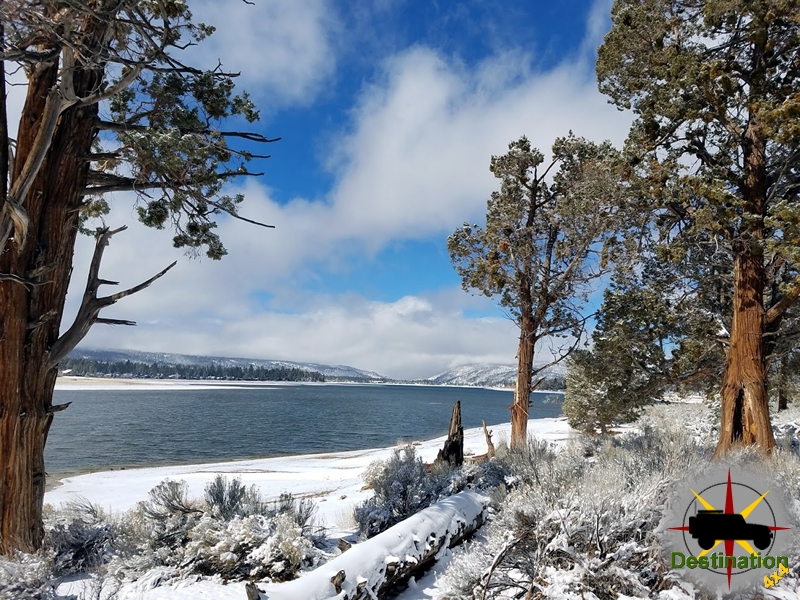
Big Bear, CA
I quiet mountain community full of back country adventure.
The Journey is the destination
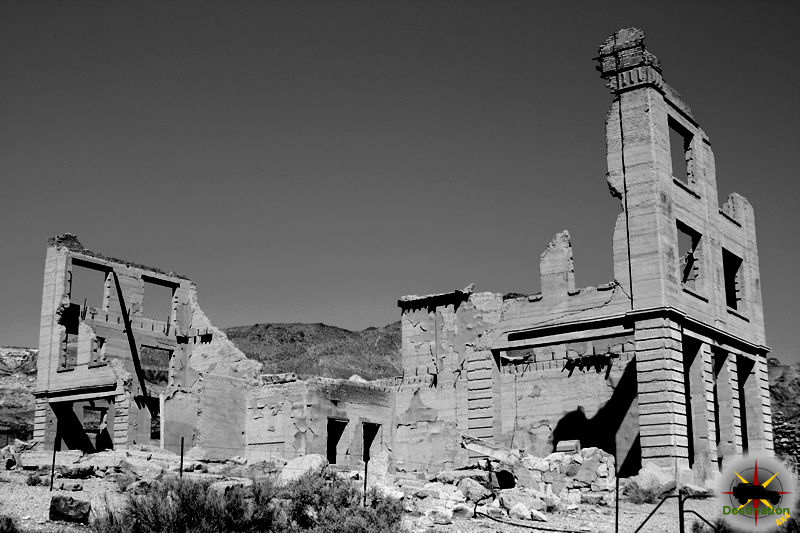
The Silver Bend Reporter newspaper emerged in Belmont, Nevada, a mining town in Nye County that became a hub of activity following the discovery of silver in the Toquima Range in the early 1860s. Belmont’s rapid growth as a mining center, with its peak population reaching around 2,000 by the late 1860s, created a demand for local news to serve miners, merchants, and settlers. The newspaper was founded to chronicle the social, economic, and political life of this boomtown, capturing the optimism and challenges of Nevada’s mining frontier.
The Silver Bend Reporter was one of many small newspapers that sprang up in Nevada’s mining camps during this period, a time when journalism played a critical role in documenting the transient and often chaotic life of the region. Its establishment coincided with a broader trend of “mining newspapers” that catered to communities driven by the promise of mineral wealth.
According to records from the UNLV University Libraries, the Silver Bend Reporter was published in two distinct runs:
The newspaper initially operated as a weekly publication but later transitioned to a semi-weekly schedule, reflecting the growing demand for timely news in Belmont. The Silver Bend Reporter was printed using a press that would later be repurposed for the White Pine News, indicating the mobile nature of printing equipment in Nevada’s mining towns. In 1868, W.H. Pritchard and Robert W. Simpson acquired the press of the defunct Silver Bend Reporter and transported it to Treasure City in White Pine County to establish the White Pine News. This move underscores the transient nature of early Nevada newspapers, which often followed the fortunes of mining booms.
The Library of Congress Chronicling America database assigns the Silver Bend Reporter two serial numbers (sn 86076157 and sn 86076162), which may correspond to its weekly and semi-weekly editions. However, specific issues of the newspaper are not widely available in digitized form, and researchers typically rely on microfilm collections at institutions like the Nevada State Library, Archives, and Public Records or UNLV University Libraries for access.
As a mining town newspaper, the Silver Bend Reporter likely covered a range of topics typical of the era’s frontier press. These included:
The newspaper would have served as a voice for Belmont’s residents, offering a platform for community discourse while also reflecting the biases of its predominantly white, male editorial perspective, a common characteristic of Nevada’s frontier press. Its semi-weekly publication schedule suggests it aimed to provide timely updates to a community eager for news in a rapidly changing environment.
Like many mining camp newspapers, the Silver Bend Reporter faced significant challenges. The transient nature of mining towns meant that populations could dwindle as quickly as they grew, especially when mineral deposits were exhausted or new strikes drew residents elsewhere. Belmont’s fortunes began to wane by the late 1860s as richer deposits were discovered in places like White Pine County, leading to an exodus of miners and businesses. The Silver Bend Reporter ceased publication on July 29, 1868, likely due to declining readership and financial support as Belmont’s economy faltered.
Additionally, the logistical difficulties of operating a newspaper in a remote mining town—such as securing paper, ink, and skilled labor—posed ongoing challenges. The acquisition of its press by Pritchard and Simpson for the White Pine News in 1868 further suggests that the Silver Bend Reporter could no longer sustain operations.
Despite its brief existence, the Silver Bend Reporter newspaper played a key role in documenting the history of Belmont during its peak as a mining center. Its pages likely preserved stories of the town’s early residents, from miners and merchants to civic leaders, offering a glimpse into the daily life of a Nevada boomtown. The newspaper’s press lived on through its use in the White Pine News, which continued to serve Nevada’s mining communities as they shifted to new locations.
Today, surviving copies of the Silver Bend Reporter are preserved on microfilm at institutions like the Nevada State Library, Archives, and Public Records and UNLV University Libraries. These archives allow researchers to access its content for genealogical, historical, and cultural studies. The newspaper’s brief run is a testament to the fleeting but intense vitality of Nevada’s mining camps, where journalism thrived amid the boom-and-bust cycles of the frontier.
The Silver Bend Reporter was a product of its time, serving as a vital record of Belmont’s brief but dynamic existence as a Nevada mining town. Its short publication run from 1867 to 1868 reflects the challenges of sustaining journalism in a volatile frontier economy. Yet, its legacy endures through its contributions to Nevada’s historical record and its role in the broader narrative of the state’s mining and journalistic heritage.
Hanaupah Canyon Road, situated in the southern Panamint Range within Death Valley National Park, is a rugged backcountry route that serves as both a 4×4 road and a hiking trail. This remote path offers adventurers a chance to explore a dramatic canyon with steep walls, alluvial fans, and potential wildlife sightings like bighorn sheep or kit foxes. It’s less visited than popular spots like Badwater Basin, providing solitude amid stark desert landscapes. The road starts from West Side Road and ascends into the canyon, passing mining relics and leading toward Hanaupah Spring in the South Fork. Beyond the spring, experienced hikers can continue cross-country to Telescope Peak, the park’s highest point at 11,049 feet, though that’s a grueling extension. Suitable for day hikes, backpacking, or off-road driving with proper vehicles, but preparation is essential due to extreme conditions and isolation.
| Aspect | Details |
|---|---|
| Length | Full out-and-back: 18.7 miles; shorter options: 6 miles round-trip to Hanaupah Spring (3 miles one-way); extended to Telescope Peak: ~30 miles round-trip with off-trail sections. |
| Elevation Gain | ~2,200 feet to the spring (starting ~200 feet below sea level); up to 11,600 feet if continuing to Telescope Peak. |
| Difficulty | Moderately strenuous for the road to spring; challenging to strenuous for full hikes due to rocky terrain, steep grades, and loose gravel. High-clearance 4×4 required for driving; hiking recommended beyond initial miles to avoid vehicle issues. |
| Time Required | 3-5 hours round-trip to spring; 8-10 hours for full road out-and-back; multi-day for Telescope Peak extension. |
| Best Time to Visit | October to April to evade deadly summer heat (over 120°F possible); avoid monsoon season (July-September) for flash flood risks. |
| Access | Junction off West Side Road (via Badwater Road). Unmarked—use GPS or park maps. No day-use permit needed; free backcountry permits required for overnight (obtain at visitor centers or online). Dispersed camping allowed 1 mile from West Side Road. |
| Water and Amenities | No reliable water except at Hanaupah Spring (treat before drinking); carry 1+ gallon per person per day. No facilities; nearest at Furnace Creek (~25 miles away). |
The route begins on a gravelly, washboard road from West Side Road, traversable by high-clearance vehicles for the first few miles before becoming too rough and eroded for most. Hikers follow the old mining road through a wide wash, encountering boulder fields, narrow sections, and occasional steep climbs. The scenery showcases colorful rock layers from ancient geologic processes, vast valley views, and the massive Hanaupah alluvial fan. About 3 miles in, the South Fork leads to Hanaupah Spring, a lush oasis with cottonwoods and year-round water— a stark contrast to the arid surroundings. Remnants of historic mining, like Shorty Borden’s cabin and adits, add intrigue (detailed in history below).
For the ambitious, beyond the spring, the path fades into cross-country travel up steep ridges to Telescope Peak, offering panoramic vistas but demanding navigation skills and endurance. Flash floods can reshape the canyon, creating obstacles like deep sand or washouts. Wildlife is sparse but possible; watch for rattlesnakes. The trail’s remoteness means self-reliance is key—bring navigation tools, as cell service is absent.
Hanaupah Canyon Road is open and accessible for hiking and 4×4 travel, following repairs after 2023-2024 storm damage to West Side Road and surrounding areas. Recent hiker reports from early August 2025 indicate good conditions on the lower road, with some rutted sections and loose rocks but no major blockages. West Side Road is fully open, though sandy spots near the southern end may challenge vehicles. Flash flood risks remain during summer storms, and extreme heat persists—temperatures hit 84°F in mid-August. Check the NPS website or Furnace Creek Visitor Center for real-time updates, as conditions can shift quickly. Tire damage is common on approach roads; carry spares and emergency supplies.
This low-traffic route is perfect for those craving desert isolation, but always hike with a buddy and share your itinerary.
Hanaupah Canyon’s history centers on mining, mirroring Death Valley’s resource-driven past. Silver ore was first discovered in 1889 by W.C. Morton on Telescope Peak’s northeast slope, in a timbered canyon with a strong stream—likely Hanaupah’s South Fork—yielding samples up to $1,000 per ton. Early claims like the Gold Hill Quartz Mine (located 1889) focused on silver-lead deposits, but remote access and high costs limited development.
The canyon’s most notable figure was Alexander “Shorty” Borden, who arrived in the late 1920s seeking fortune. In 1932, at age 66, Shorty filed claims after finding silver ore and single-handedly built a 3-mile road into the canyon using dynamite and a mule team. He constructed a stone cabin near Hanaupah Spring and mined sporadically until the 1940s, producing minor silver yields amid the Great Depression. Shorty envisioned a tourist camp, but a devastating flash flood in 1941 destroyed much of his work, including roads and equipment. Post-flood, activity waned, though the area saw brief tungsten interest during World War II. Today, Shorty’s mine ruins—cabins, tunnels, and artifacts—remain as preserved historical sites, offering glimpses into solitary desert prospecting.
Geologically, the canyon’s springs and faults highlight ancient tectonic activity, with the alluvial fan evidencing millennia of erosion from the Panamints.
Death Valley’s story begins with Indigenous peoples, particularly the Timbisha Shoshone, who have lived here for over 1,000 years, adapting to the extremes through seasonal migrations, hunting, and gathering mesquite and pinyon. European-American history ignited in 1849 when the “Lost ’49ers”—gold rush pioneers from Utah—became stranded while seeking a shortcut to California. Their ordeal, marked by one death and tales of hardship, coined the name “Death Valley” as they escaped via Wingate Pass.
Mining booms followed: borax in the 1880s (iconic 20-mule teams), gold and silver in the 1900s (ghost towns like Rhyolite), and later talc, lead, and tungsten. Tourism grew in the 1920s with resorts like Furnace Creek. In 1933, President Herbert Hoover designated it a national monument to curb destructive mining, with the Civilian Conservation Corps building infrastructure in the 1930s. Expanded under the 1994 California Desert Protection Act, it became the largest national park in the contiguous U.S. at 3.4 million acres.
Now, it attracts over a million visitors yearly for its records—like the hottest temperature (134°F in 1913) and lowest point (-282 feet at Badwater)—while facing challenges like climate change and flood recovery.

Sage Flat Campground is a scenic, first-come, first-served campground in Inyo National Forest along Big Pine Creek in the Eastern Sierra Nevada mountains, near Big Pine, California.
At an elevation of about 7,400 feet, it offers a refreshing escape from the summer heat of the Owens Valley. The campground sits in a forested setting with shady Jeffrey pines, aspens, and cottonwoods providing cover for most sites, though the layout is somewhat open with limited privacy between spots.
The creek flows nearby, creating a peaceful atmosphere with the sound of rushing water, and the area serves as a gateway to the dramatic Big Pine Canyon and the John Muir Wilderness. Sites are suitable for tents, trailers, and smaller RVs (max length often around 35 feet). The campground typically operates seasonally from late April through late October.
Note: This is active black bear country—food and scented items must be stored in bear lockers when unattended.
The campground makes a good base for exploring the broader region, including nearby lakes for boating.
The Eastern Sierra habitat supports diverse wildlife:
Sage Flat offers a classic, no-frills Sierra camping experience with beautiful scenery, good access to outdoor recreation, and a family-friendly vibe. It is popular on weekends, so arrive early for first-come, first-served sites. Always check current conditions, fire restrictions, and road access with Inyo National Forest before your trip.

Elephant Hill Road is one of the most challenging and iconic off-road trails in Canyonlands National Park, located in the Needles District of southeastern Utah. This approximately 3-mile one-way route (6 miles round-trip) connects the Needles Campground area to the backcountry, providing access to trailheads for hikes like Chesler Park and Druid Arch, as well as connections to longer routes such as the Confluence Overlook and Bobby’s Hole. Designed exclusively for high-clearance 4WD vehicles with low-range gearing, the road is not suitable for mountain biking or hiking due to its extreme technical difficulty and park regulations prohibiting bikes on this route. The trail navigates a rugged desert landscape of steep slickrock climbs, tight switchbacks, and sandy washes, offering breathtaking views of the Needles’ spires, red rock formations, and distant La Sal Mountains. Rated as difficult (technical rating 7-8), the trail features a steep 40% grade climb, narrow ledges, and a notorious “back-up” section requiring precise maneuvering. With an elevation change of about 800 feet (ranging from 4,900 to 5,700 feet), the journey takes 1-2 hours one-way by vehicle, depending on skill and conditions.
The trail begins near the Elephant Hill trailhead, about 7 miles west of the Needles Visitor Center (38.1417, -109.8278), accessible via Utah Highway 211. A Canyonlands National Park entry fee ($30 per vehicle) and a backcountry vehicle permit ($40) are required, obtainable at the visitor center or online at recreation.gov. Timed entry reservations may apply April 1–October 31, 2025, from 7 a.m. to 4 p.m. Key features include the dramatic ascent of Elephant Hill, access to scenic hiking trails, and primitive campsites (backcountry permit and portable toilet required). Spring (March–May) and fall (September–November) are ideal due to milder temperatures, as summer heat exceeds 100°F, and winter or rain can make slickrock treacherous and washes impassable due to flash flooding. Drivers should check conditions at the Needles Visitor Center and carry recovery gear, as the trail’s remoteness demands self-sufficiency.
Elephant Hill Road is closed to mountain biking and hiking due to its designation as a 4WD-only route and the extreme terrain, which includes steep slickrock and narrow ledges unsafe for non-motorized travel. Instead, hikers can access nearby trails from the Elephant Hill trailhead, such as the 6-mile round-trip Chesler Park Loop or the 9-mile round-trip Druid Arch trail, which offer stunning views of the Needles’ colorful spires and canyons. These hikes are moderate to strenuous, requiring navigation skills and ample water due to exposure. Backcountry campers along connecting routes (e.g., Chesler Park) must obtain permits and carry portable toilets to minimize environmental impact. The road’s trailhead serves as a gateway to these hikes, but the road itself is exclusively for permitted 4WD vehicles. Drivers must stay on designated routes to protect the fragile desert ecosystem, including cryptobiotic soil, and be prepared for challenging conditions that test even experienced off-roaders.
Elephant Hill Road’s history is intertwined with the geologic and cultural narrative of Canyonlands National Park, established in 1964 to preserve the region’s dramatic landscape carved by the Colorado and Green rivers. The road’s path climbs through the Cedar Mesa Sandstone, formed 250 million years ago in the Permian period, and is shaped by the Paradox Formation’s 300-million-year-old salt bed, which caused fracturing and uplift that created the Needles’ distinctive spires and canyons. The trail’s name derives from the hill’s imposing, rounded shape, resembling an elephant’s back, a landmark noted by early explorers.
The Needles District was home to the Fremont and Ancestral Puebloan peoples until about 700 years ago, who left behind rock art, granaries, and ruins, some accessible via nearby trails like the Roadside Ruin. Spanish missionaries encountered Ute and Paiute tribes in the region in 1775, and Mormon settlers briefly established the Elk Mountain Mission in Moab in 1855, abandoning it due to harsh conditions. Elephant Hill Road likely originated in the early 20th century as a route for ranchers and prospectors, particularly during the 1950s uranium boom, when miners explored the Needles for radioactive deposits. The road’s development was spurred by Bates Wilson, Canyonlands’ first superintendent, who advocated for the park’s creation and mapped its backcountry routes, including Elephant Hill, to highlight its geologic wonders.
The road’s significance lies in its role as a gateway to the Needles’ remote backcountry, offering access to some of the park’s most iconic hiking trails and scenic vistas. Its extreme terrain has made it a legendary challenge for off-road enthusiasts, often cited as one of the toughest 4WD routes in Utah, rivaling Moab’s more famous trails. The road’s isolation and technical demands embody the rugged spirit of Canyonlands, celebrated by figures like Edward Abbey, who described the region as a “wilderness of rock.” The National Park Service maintains strict regulations to protect the delicate desert ecosystem, requiring permits, portable toilets for camping, and adherence to designated routes to preserve features like cryptobiotic soil and rare plant species.
Elephant Hill Road also holds cultural significance as part of the park’s exploration history, linked to John Wesley Powell’s 1869 expedition down the Green and Colorado rivers, which helped map the region. Its modern prominence stems from its reputation among off-roaders and its role in connecting visitors to the Needles’ unique geology and cultural sites, making it a vital thread in Canyonlands’ tapestry of adventure and preservation.
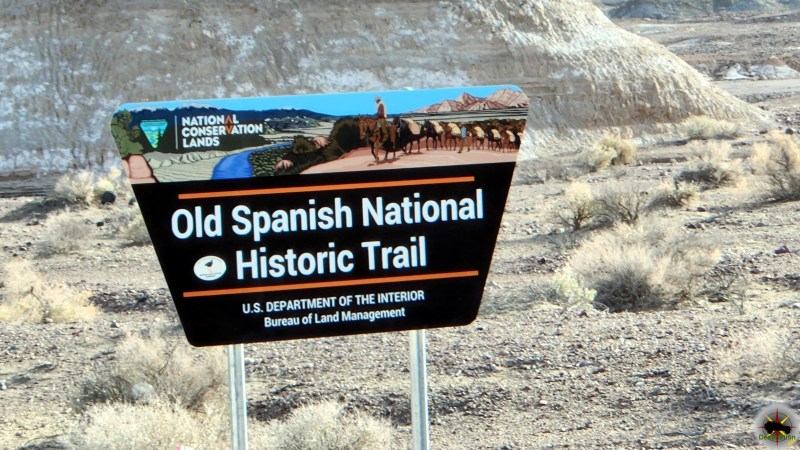
The Old Spanish Trail, a significant trade and travel route in the American Southwest, connected Spanish colonial settlements in present-day New Mexico to California during the late 18th and early 19th centuries. Spanning approximately 2,700 miles, the trail facilitated cultural exchange, commerce, and exploration across rugged terrains, linking diverse peoples and shaping the region’s history. This report examines the trail’s origins, development, key figures, economic and cultural impacts, and eventual decline, drawing on historical records and archaeological evidence.
The Old Spanish Trail emerged from earlier Native American trade networks, which Spanish explorers adapted for their purposes. By the late 1700s, Spanish colonial authorities in Santa Fe sought reliable routes to connect their New Mexico settlements with California’s missions and presidios. The trail’s development was incremental, with early expeditions laying the groundwork.
The trail stretched from Santa Fe, New Mexico, through present-day Colorado, Utah, Arizona, Nevada, and California, terminating in Los Angeles. Its path traversed deserts, mountains, and canyons, including the Mojave Desert and the Grand Canyon region, making it one of the most arduous trade routes in North America.


Several individuals played pivotal roles in the trail’s history:
The Old Spanish Trail was a vital artery for economic and cultural exchange in the Southwest.
Travel along the Old Spanish Trail was fraught with challenges. Harsh environmental conditions, including water scarcity in the Mojave Desert and treacherous mountain passes, tested travelers’ endurance. Hostile encounters with Native American groups, particularly in response to slave raiding, posed additional risks. The trail’s reliance on pack mules limited the volume of goods transported, making it less efficient than later wagon-based routes.
The trail’s prominence waned by the mid-19th century due to several factors:
By the 1850s, the Old Spanish Trail had largely fallen into disuse as a major trade route, though segments remained in use for local travel.

The Old Spanish Trail left an enduring legacy in the American Southwest. It contributed to the region’s economic development, cultural diversity, and eventual integration into the United States. Place names, such as Las Vegas (originally a watering stop on the trail), and archaeological sites, including campsites and trade posts, reflect its historical significance.
In 2002, the U.S. Congress designated the Old Spanish Trail as a National Historic Trail, recognizing its role in American history. The National Park Service, in collaboration with state agencies and preservation groups, maintains interpretive sites and protects trail remnants. Modern efforts focus on public education, trail mapping, and archaeological research to preserve this vital piece of Southwestern heritage.
The Old Spanish Trail was more than a trade route; it was a conduit for economic, cultural, and social exchange in the American Southwest. From its origins in Spanish colonial ambitions to its role in Mexican and early American trade, the trail shaped the region’s history despite its challenges. Its legacy endures in the cultural diversity of the Southwest and the preserved remnants that continue to tell its story. Understanding the trail’s history offers valuable insights into the complex interplay of peoples and economies that defined the American frontier.