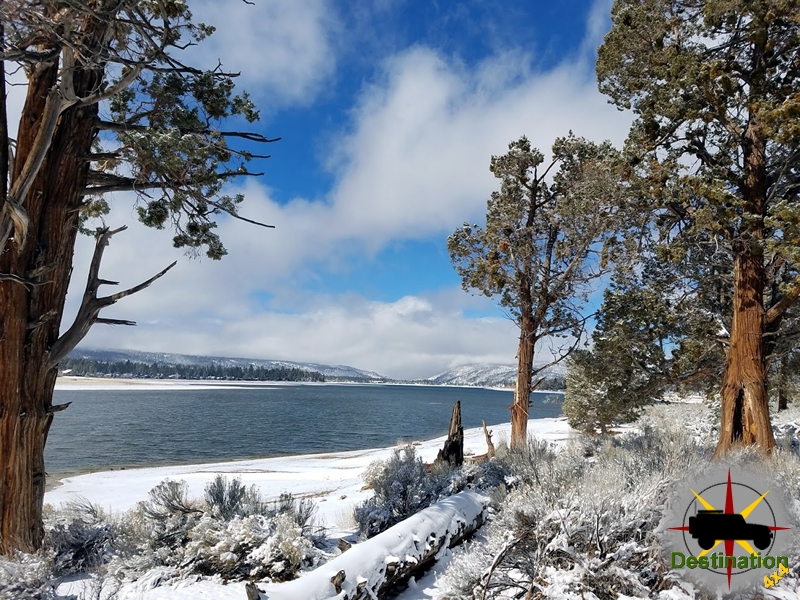
Big Bear, CA
I quiet mountain community full of back country adventure.
The Journey is the destination
Hydraulic gold mining, also known as hydraulicking, was a revolutionary method of extracting gold from placer deposits during the late 19th and early 20th centuries. This mining technique relied on high-pressure water jets to dislodge and transport gold-bearing gravel, making it one of the most efficient and profitable forms of gold mining in its time. In this overview, we will delve into the history, technology, environmental impact, and eventual decline of hydraulic gold mining.

Hydraulic mining emerged in the 1850s during the California Gold Rush, an event that drew thousands of people from around the world to seek their fortunes in the gold-rich soils of the American West. Initially, gold miners used simple techniques like panning and sluicing to extract gold from rivers and streams. However, as the easy-to-reach surface gold dwindled, more sophisticated methods became necessary.
The first experiments with hydraulic mining involved directing water through canvas hoses onto gold-bearing gravel and riverbanks. This primitive technique showed promise, but it was inefficient and lacked the necessary water pressure to handle larger-scale operations. As a result, engineers began developing more powerful water delivery systems to increase gold recovery rates.
The breakthrough moment for hydraulic mining came with the development of the “Monitor” in 1853, a high-pressure water cannon mounted on a rotating platform. The Monitor could shoot powerful jets of water, often reaching several thousand gallons per minute, onto vast hillsides of gold-bearing gravels. The force of the water dislodged the gravel, which then washed down to sluice boxes, where the gold settled out due to its high density.
The introduction of the Monitor and other advanced hydraulic mining techniques led to a gold rush of its own, with miners flocking to regions like the Sierra Nevada foothills in California, the Klondike in Alaska, and the Otago region in New Zealand. Towns sprung up around hydraulic mining operations, and many became prosperous communities seemingly overnight.
While hydraulic mining was incredibly efficient at extracting gold, it had a profound and lasting impact on the environment. The high-pressure water cannons eroded entire hillsides and mountains, releasing huge quantities of sediment and debris into rivers and streams. This resulted in extensive siltation of waterways, causing flooding, altering ecosystems, and destroying fish habitats. Additionally, toxic chemicals such as mercury, used to amalgamate gold, were washed into water sources, contaminating them and posing serious health risks to humans and wildlife.
The environmental consequences of hydraulic mining did not go unnoticed, and communities downstream began to suffer from the destruction and contamination caused by the mining activities. Lawsuits were filed against mining companies, and conflicts arose between miners and farmers whose agricultural lands were flooded. In 1884, the Sawyer Decision, a pivotal legal ruling, effectively banned this type of mining in California due to its environmental impacts.
Following the Sawyer Decision and other legal restrictions, hydraulic gold mining began to decline in the late 19th century. Miners shifted to other methods, such as dredging and hard rock mining, which were less destructive but also less efficient. By the early 20th century, hydraulic mining had largely ceased to exist as an industry.
The legacy of hydraulic gold mining is complex. While it played a significant role in shaping the growth of the American West and contributed to the nation’s wealth, it also left behind a trail of environmental destruction and social strife. The scars of hydraulic mining can still be seen today in the form of vast, denuded landscapes and contaminated waterways.

The search for gold has been a relentless pursuit throughout human history, driving explorers, miners, and entrepreneurs to far-flung corners of the world and lead to the development of the Arrastres. From ancient civilizations to the modern era, the quest for this precious metal has shaped economies, sparked conflicts, and left indelible marks on the landscapes. One vital tool in the early days of gold extraction was the “arrastre,” a crude yet ingenious method that revolutionized gold processing and played a crucial role in the expansion of mining communities.
The extraction of gold dates back to ancient times when early civilizations discovered this shimmering metal in riverbeds and stream deposits. Primitive techniques like panning and rudimentary sluices were initially employed to separate gold from the surrounding gravel and sediment. As demand for gold grew, the need for more efficient methods became evident. The quest to increase gold yield and minimize labor led to the development of arrastres.

The origin of the arrastre is believed to lie in medieval Spain during the 12th century. Spanish miners, renowned for their skills in mining and metallurgy, devised a simple contraption to crush ore and extract gold using animal power. This early version of the arrastre was known as the “arastra” and was a circular flat stone slab dragged by animals such as horses or mules. The weight of the stone, coupled with the dragging motion, ground the ore into fine particles, releasing the gold particles trapped within the rock.
With the Spanish colonization of the Americas, the arrastre made its way across the ocean, arriving in the New World in the 16th century. In the rich gold-bearing regions of Mexico, Peru, and later, California, Spanish miners employed the arrastre to increase their gold yields. As the technique gained popularity, it underwent refinements to enhance its efficiency and effectiveness.
The arduous labor required to move the heavy circular stone slab presented challenges, leading to innovations in design. Miners soon replaced the circular slab with a rectangular grinding platform, often made from large flat stones or metal, which was more efficient and allowed for larger quantities of ore to be processed. Additionally, vertical wooden poles were added to provide stability, enabling the arrastre to be used on uneven terrain.
In California during the Gold Rush of the mid-19th century, arrastres became an integral part of the mining industry. The technique played a significant role in the economic development of the region, processing vast amounts of ore and extracting substantial quantities of gold. Arrastres were commonly found near water sources, utilizing water-powered systems to aid in the crushing process.
Operating an arrastre required a team of skilled laborers and animals. The process involved loading the ore onto the grinding platform, which was then dragged in a circular motion, crushing the ore into fine particles. Water or sometimes a solution of mercury was added to create a slurry, further breaking down the ore and amalgamating with the gold particles. The slurry was then collected and further processed to separate the gold from other impurities.
The popularity of the arrastre began to wane in the late 19th century due to the advent of more sophisticated gold extraction methods. Technological advancements, such as the development of stamp mills and cyanide leaching processes, offered higher gold yields with less manual labor. These new methods proved more efficient and scalable for large-scale mining operations.
Additionally, concerns over the environmental impact of mercury usage in arrastre operations hastened its decline. Mercury, a toxic substance, was commonly used to capture gold particles through amalgamation. The release of mercury into the environment had adverse effects on both human health and ecosystems, prompting calls for safer and more sustainable extraction methods.
Despite its decline, the arrastre remains an important part of gold mining history and has been recognized for its impact on the development of mining communities. Today, a few preserved arrastres can be found in mining museums, historical sites, and state parks, serving as tangible reminders of a bygone era.
The history of gold arrastres is a testament to human ingenuity and adaptability in the pursuit of precious metals. From its modest beginnings in medieval Spain to its flourishing use during the Gold Rush, the arrastre played a pivotal role in the early days of gold extraction. While advancements in technology ultimately led to its decline, the legacy of the arrastre lives on in the annals of mining history, offering insight into the perseverance and resourcefulness of those who sought to unlock the riches of the earth.

The history of gold stamp mills is deeply intertwined with the story of gold mining, one of the most alluring and influential industries in human history. From the ancient civilizations to the modern era, gold has captivated the hearts and minds of people, driving exploration, conquest, and technological advancement. The development and evolution of gold stamp mills have played a crucial role in extracting gold from ore and shaping the economies of many nations.
The quest for gold dates back to antiquity, with early civilizations like the Egyptians, Sumerians, and Nubians valuing this precious metal for its aesthetic appeal and monetary value. Initially, gold was primarily collected from alluvial deposits in riverbeds and streams. Miners used simple tools such as pans and sluices to separate gold from the surrounding gravel and sand.
However, as these surface deposits were depleted, miners had to dig deeper to find gold-rich veins embedded within rock formations. This transition marked the beginning of hard rock or lode mining, which required more complex extraction methods.
By the 4th century BCE, in regions like ancient Greece, Egypt, and Persia, the use of water wheels and animal-driven machinery was prevalent for various industrial purposes. These early mechanical devices laid the groundwork for the development of the gold stamp mill.
The first recorded mention of a gold stamp mill dates back to 6th-century China during the Tang Dynasty. It was in the Nanzhao Kingdom of Yunnan Province, where the innovative engineer, Yung-ping Hu, devised a mechanical method to crush ore for gold extraction. His water-powered stamp mill consisted of a vertical wooden framework and large pestles, which rose and fell by the action of a horizontal waterwheel.
From China, the concept of stamp milling technology spread along the Silk Road to the Middle East and eventually reached the Roman Empire. In the 1st century BCE, Roman engineers adapted and improved the design, creating water-powered stamp mills for mining purposes. The Roman gold stamp mills, known as “mills of the god,” were widely used in regions with gold deposits, such as Spain and the territories of modern-day Romania.
During the medieval period, technological advancements in Europe further refined the design and capabilities of stamp mills. One of the notable innovations was the use of camshafts and tappets to lift and drop the stamps, creating a more efficient crushing process. This development significantly increased gold production and spurred mining activities across the continent.

The discovery of gold at Sutter’s Mill in California in 1848 sparked one of the largest gold rushes in history. Tens of thousands of people from around the world flocked to California in search of fortune, transforming the region and the United States forever. Gold stamp mills played a crucial role in processing vast quantities of gold ore during this period.
The Californian stamp mills were initially powered by waterwheels, and later, as the mines went deeper, steam engines were employed to crush the ore. These mills were capable of processing large volumes of ore efficiently, making them an indispensable part of the gold mining infrastructure.
As gold mining expanded to other parts of the world, the design of stamp mills evolved to suit various local conditions and mining techniques. In places like South Africa and Australia, where water was scarce, stamp mills were modified to be driven by steam engines or even electricity. The use of steel stamps and more robust materials also improved the longevity and efficiency of the mills.

Despite their significant contribution to the gold mining industry, stamp mills began to decline in the early 20th century as new and more efficient gold extraction methods emerged. Cyanide leaching and later heap leaching processes became widely adopted, offering a more cost-effective and environmentally friendly way to extract gold from low-grade ore.
While the use of stamp mills for gold extraction has become obsolete, their historical significance and impact on mining history remain relevant. Some well-preserved stamp mills have been turned into museums and historical sites, providing visitors with a glimpse into the arduous and transformative world of gold mining.
The history of gold stamp mills is a tale of human ingenuity, perseverance, and ambition. From ancient civilizations to the modern age, these remarkable machines have been instrumental in shaping the course of history and economies of nations. Though no longer in use, they hold an essential place in the chronicles of gold mining and the ever-evolving quest for this precious metal. As we look back on this thousand-year journey, we are reminded of the immense human desire to seek fortune and prosperity, and the enduring spirit of innovation that has driven our progress as a species.
Placer mining, an ancient and time-honored method of mineral extraction, continues to captivate the world with its simplicity and effectiveness. This age-old practice involves retrieving valuable minerals and precious metals, such as gold, from streambeds, riverbanks, and alluvial deposits. Enveloped in a rich history of discovery, colonization, and the pursuit of wealth, placer mining has shaped cultures, economies, and landscapes for centuries. In this 1000-word description, we will delve into the intricacies of placer mining, exploring its techniques, environmental impact, historical significance, and modern relevance.

Placer mining’s roots trace back to ancient civilizations, where early humans sought shelter along rivers and discovered the allure of shiny nuggets shimmering amidst the sand and pebbles. The quest for gold, in particular, sparked countless expeditions and migrations, shaping empires and influencing the world’s history.
During the California Gold Rush of the mid-1800s, an estimated 300,000 people flocked to the Sierra Nevada in search of newfound wealth. Placer mining played a pivotal role in transforming the region’s landscape and economy. Prospectors, armed with pans, sluice boxes, and rockers, tirelessly sifted through sediment-rich riverbeds, panning for gold and other precious minerals.
Placer mining, while historically significant, has had both positive and negative environmental impacts. On the one hand, early placer mining helped pave the way for exploration and economic development. On the other hand, the unchecked methods employed during the gold rush era caused extensive environmental damage.
The excessive use of mercury, a toxic substance used to amalgamate gold particles, led to the pollution of water bodies and the poisoning of ecosystems. The advent of hydraulic mining, with its deforestation and massive erosion, caused significant damage to the landscape, altering river courses and flooding farmland.
In response to the environmental degradation caused by unregulated placer mining, governments around the world introduced various environmental regulations. Modern placer mining operations must adhere to strict guidelines to minimize their impact on the environment, including the proper disposal of hazardous chemicals and sediment.
Though the wild and frenzied days of the gold rush have passed, placer mining remains a relevant economic activity in some regions. In today’s context, placer mining is often carried out by small-scale operators, who employ more sustainable and responsible techniques to minimize environmental damage.
Placer miners now use modern equipment like excavators, bulldozers, and dredges to efficiently process larger quantities of material. However, unlike in the past, these operations are subject to stringent environmental regulations and must obtain permits to mine in specific areas.
Furthermore, there has been a shift towards promoting sustainable and responsible mining practices. Organizations such as the World Gold Council and the Responsible Jewellery Council are working towards improving social and environmental standards in the mining industry, including placer mining.
Placer mining’s allure lies not only in its historical significance but also in its ability to captivate the modern imagination. The pursuit of hidden treasure beneath the Earth’s surface remains an enduring symbol of human ingenuity, ambition, and the relentless quest for wealth. As society evolves, so do our attitudes towards mining and the environment. Today, responsible placer mining practices continue to preserve the legacy of this ancient craft while respecting the delicate balance between human progress and the preservation of nature’s hidden treasures.

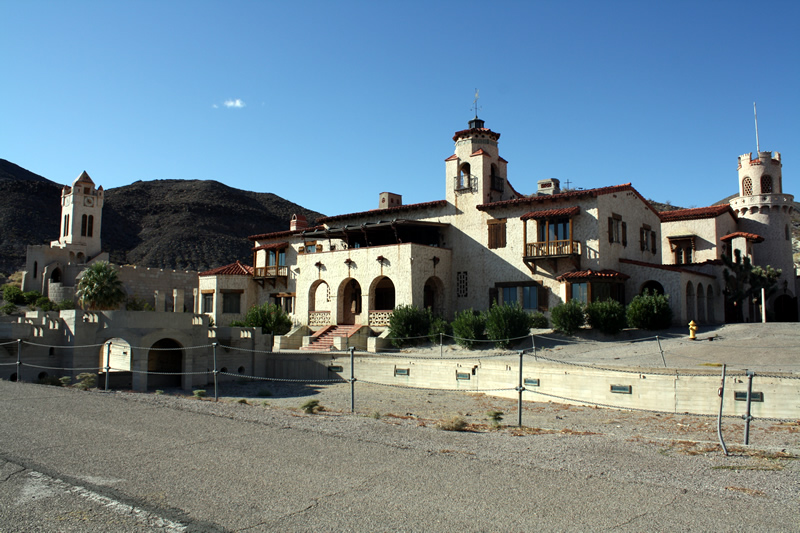
Railroads of Death Valley have played an important part in the history of Death Valley National Park. The Pacific Coast Borax Company first used the Death Valley Railroad to transport its ore to market and then to transport Death Valley tourists to its Furnace Creek Resort. “Death Valley Scotty’s” leap to national fame came as a direct result of his chartering a private train to break the Los Angeles to Chicago speed record. The Carson & Colorado Railroad on the west and the Tonopah & Tidewater Railroad on the east provided support to Death Valley’s mining activity, its associated boomtowns, and early tourism.
Robert P. Palazzo, Death Valley scholar and lifetime member of the area’s natural history association, evokes here in vintage imagery a stark, barren, desolate wasteland that gradually became one of the West’s most iconic destinations. Tapping his extensive private collection of rare photographs, Palazzo shows Death Valley’s geological features, notable personalities, industries, mysteries, and tourism. Though the area has changed little over the last 150 years, the harsh conditions have erased much of the evidence of human occupation. That rare visual record is preserved in these pages.

| Title | Railroads of Death Valley (Images of Rail) |
| Author | Robert P. Palazzo |
| Publisher | Arcadia Publishing |
| Pages | 128 Pages |