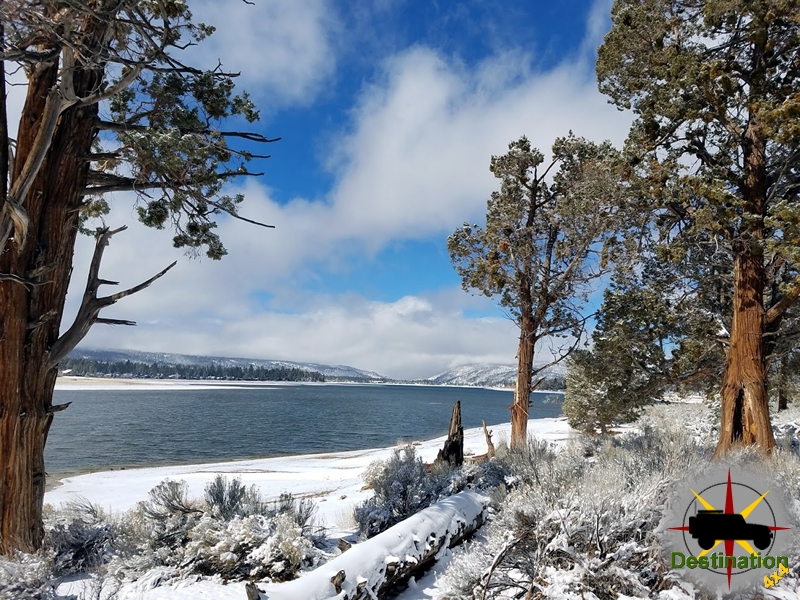
Big Bear, CA
I quiet mountain community full of back country adventure.
The Journey is the destination
The “Forging the Link” historical marker in Ely, Nevada, encapsulates the story of a town that became a vital hub in the American West due to its strategic location and economic contributions. The marker, part of Nevada’s historical marker program overseen by the State Historic Preservation Office (SHPO), commemorates Ely’s role in connecting the region through mining, transportation, and community development.


The story of Ely begins with its placement on the map by James H. Simpson during his 1859 exploration of the Great Basin. As a U.S. Army officer, Simpson conducted surveys to identify potential routes for communication and travel across the vast, arid region. His work highlighted Ely’s strategic position, laying the groundwork for its future development as a regional center. This initial mapping was critical, as it introduced Ely to the broader narrative of westward expansion and connectivity in the United States.
In the 1860s, the discovery of silver and gold deposits in the nearby Robinson Mining District spurred interest in the area. These discoveries attracted prospectors and settlers, transforming Ely into a burgeoning hub. By 1887, Ely had grown sufficiently to become the county seat of White Pine County, solidifying its administrative importance. The real economic surge came in the early 1890s with the discovery of significant copper deposits. Copper mining became the backbone of Ely’s economy, drawing investment and labor to the region and necessitating infrastructure to support the industry.
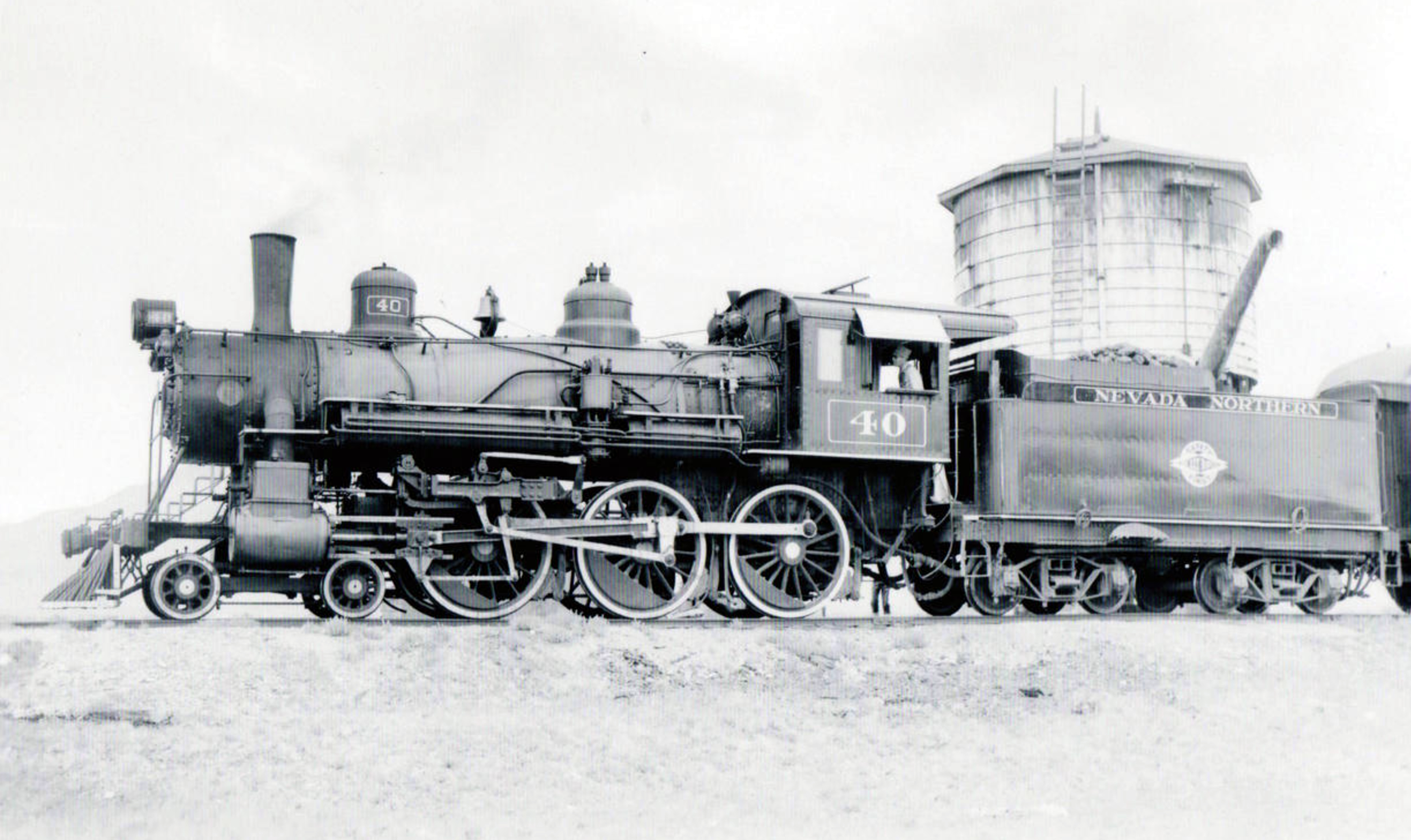
A pivotal development in Ely’s history was the establishment of the Nevada Northern Railway, headquartered in East Ely. Completed in the early 20th century, this 150-mile railway connected Ely’s mines in Ruth to a smelter in McGill and linked the town to the transcontinental railroad to the north. The railway was instrumental in transporting copper ore and other goods, effectively “forging the link” between Ely and national markets. This connectivity not only boosted Ely’s economy but also positioned it as a critical node in the supply chain of the American West, facilitating trade and communication across vast distances.

Ely’s role as a transportation hub was further cemented in 1913 when the transcontinental Lincoln Highway, one of America’s first coast-to-coast automobile routes, was routed through the town. Although the road was not paved until 1922, its inclusion of Ely underscored the town’s importance as a stopping point for travelers crossing the Great Basin. By the late 19th century, Ely was already connected by a network of wagon roads, but the Lincoln Highway elevated its status. Additionally, two other major roadways—U.S. Route 6 (designated in 1937, formerly the Midland Trail) and U.S. Route 93—converged at Ely, making it a crossroads for travelers moving between Canada, southern California, and beyond. With over 2,000 residents by the early 20th century, Ely offered essential services, making it an ideal stop for weary travelers.
The “Forging the Link” marker, erected by the Nevada State Historic Preservation Office, was designed to capture Ely’s multifaceted role in connecting the Great Basin through exploration, mining, and transportation. While the exact date of the marker’s installation is not specified in available records, it is part of a broader initiative to document Nevada’s history through physical markers. The marker’s title, “Forging the Link,” reflects Ely’s historical significance as a connector—geographically, economically, and socially—in a region characterized by its isolation.
The marker likely emerged from a collaborative effort involving local historians, community members, and the SHPO, which oversees Nevada’s historical marker program. Such markers are typically proposed by local groups or agencies, such as the Bureau of Land Management’s Ely District, to highlight significant historical narratives. The content of the marker emphasizes Simpson’s exploration, the mining boom, the Nevada Northern Railway, and the Lincoln Highway, weaving together the threads of Ely’s development into a cohesive story of regional importance.
The “Forging the Link” marker serves as both an educational tool and a point of pride for Ely’s residents. It highlights the town’s resilience and adaptability, from its origins as a mapped point in the Great Basin to its growth into a mining and transportation hub. The marker also underscores Ely’s enduring role as a service center for travelers, a legacy that continues with its position at the intersection of major highways. For visitors, the marker offers a glimpse into the challenges and triumphs of life in the American West, particularly in a region as remote as White Pine County.
Today, the marker stands as a testament to Ely’s historical contributions and its ongoing relevance. It invites reflection on how infrastructure and economic activity can transform a small town into a vital link in a larger network, a theme that resonates with Nevada’s broader history of connectivity and development.
James H. Simpson put the future site of Ely on the map during his 1859 exploration through the Great Basin. In the 1860s, silver and gold deposits were discovered nearby in what became the Robinson Mining District. Ely developed as a regional center, becoming the White Pine County seat in 1887. The area grew dramatically in the early 1890s with major copper discoveries. The Nevada Northern Railway, headquartered in East Ely, carried ore from the mines in Ruth to the McGill smelter, as well as connecting Ely to the world on its 150 mile route north to the transcontinental railroad.
The towns of eastern Nevada were joined during the late nineteenth century by a network of wagon roads. In 1913, the road through Ely was incorporated into the transcontinental Lincoln Highway, though it was not paved until 1922. Ely had over 2,000 residents and offered many services, making it an excellent stopping place on the long road across the Great Basin. When the copper industry declined after World War I, the struggling town turned to travelers for income.
The Lincoln Highway was designated U.S. 50 in 1926. By mid-century the popularity of the Victory Highway, now Interstate 80, reduced U.S. 50 to the status of “The Loneliest Road in America.”
In addition to the Lincoln Highway, two other major national roadways converge at Ely. The Midland trail, designated Route 6 in 1937, was an early coast to coast automobile road that also connected Ely to Tonopah and southern California. U.S 93, which passes north-south through Ely takes travelers from Canada almost to the Mexican border.
STATE OF NEVADA HISTORIC PRESERVATION OFFICE
AT&T
Land Services, Inc.
MACTEC Engineering and Consulting, Inc.
Ely Renaissance Society
Bureau of Land Management, Ely District
| Name | Ely Forging The Link |
| Location | Ely, White Pine County, Nevada |
| Latitude, Longitude | 39.2488, -114.8902 |
| Nevada State Historic Marker | 269 |
Fort Mohave is a historic settlement located in the southwestern region of Mohave county, Arizona, United States. Nestled along the banks of the Colorado River near Beale’s Crossing, it has played a significant role in the development and growth of the American West. Over the centuries, this area has witnessed the presence of various indigenous tribes, Spanish explorers, American pioneers, and military forces, each leaving their mark on the region’s rich history.

The history of Fort Mohave dates back thousands of years, with evidence of human habitation found in archaeological sites within the surrounding area. The Mojave people, from whom the fort derived its name, were one of the prominent Native American tribes in the region. They lived along the Colorado River, engaging in agriculture, hunting, and trade with other indigenous groups.
The first recorded European contact in the area occurred in the 16th century when Spanish explorers, including Melchor Díaz and Francisco Garcés, ventured into present-day Arizona. They encountered the Mojave people and established a limited presence in the region through the establishment of missions and trade routes. However, it wasn’t until the early 19th century that significant European-American exploration and settlement occurred.
In 1826, trapper and explorer Jedediah Smith traversed the Colorado River, reaching the vicinity of Fort Mohave. His expedition paved the way for subsequent fur trappers and traders who ventured into the area in search of beaver pelts and new trade opportunities. This influx of fur trappers and mountain men led to increased interaction between Native American tribes and Euro-Americans, often resulting in conflicts and tensions.

The establishment of Fort Mohave came about as a direct response to these conflicts. In 1858, the U.S. Army constructed the fort on the east bank of the Colorado River, near the confluence of the Mohave and Hardy rivers. Initially known as Camp Colorado, its primary purpose was to protect American settlers and travelers on their journey to the California gold fields during the height of the Gold Rush.
Fort Mohave was strategically positioned along the major transportation route that linked the Atlantic and Pacific coasts, known as the Mojave Road. It served as a critical outpost for the U.S. Army during the American Civil War, as troops were deployed to protect the mail and telegraph lines and maintain control over the region.

The fort played a significant role in the military campaigns against Native American tribes, particularly the Mojave, Chemehuevi, and Navajo people, who were resisting the encroachment of settlers on their traditional lands. Numerous skirmishes and battles occurred in the area as tensions escalated between Native Americans and the expanding American population.
Following the conclusion of the Civil War, the fort gradually lost its military significance. In 1890, it was officially decommissioned, and the remaining structures were abandoned. However, the establishment of the Mohave Valley Irrigation Project in the early 20th century sparked a renewed interest in the region.
The irrigation project brought water to the arid lands surrounding Fort Mohave, facilitating the cultivation of crops and the establishment of farming communities. This development, coupled with the construction of the Davis Dam in the 1950s, which created Lake Mohave, transformed the economy and landscape of the area. The lake provided recreational opportunities, attracting tourists and supporting the growth of the local tourism industry.
The region continues to be influenced by its proximity to the Colorado River, offering a range of water-based activities such as boating, fishing, and water sports. The Fort Mojave Indian Reservation, located nearby, serves as a reminder of the area’s rich Native American heritage and provides a cultural center for the Mojave, Chemehuevi, and Navajo tribes.
John Wesley Powell, a remarkable American explorer, geologist, and ethnologist, was born on March 24, 1834, in Mount Morris, New York. His expeditions through the uncharted territories of the American West not only added to scientific knowledge but also provided invaluable insights into the land’s geological and cultural diversity. Powell’s legacy as a pioneer of exploration and his tireless efforts in promoting conservation measures have left an indelible mark on American history.

Powell grew up in rural New York, where his love for nature and the outdoors was nurtured from an early age. Although he lost his right arm in a childhood accident, Powell’s determination and thirst for adventure were undeterred. He developed a keen interest in natural sciences and geography and pursued higher education at Illinois College and later at Oberlin College, where he focused on geology.
Powell’s most famous and daring expedition was his 1869 journey down the Colorado River, known as the Powell Geographic Expedition. With a team of nine men, Powell set out to explore the largely uncharted canyons and rapids of the Colorado River and gather valuable scientific data. The expedition faced numerous hardships, including treacherous rapids, scarce food supplies, and hostile encounters with Native American tribes. Miraculously, Powell and his crew successfully navigated the treacherous river and completed the journey, providing unprecedented knowledge of the Grand Canyon and its geological formations.

Powell’s subsequent expeditions further solidified his reputation as a fearless explorer. He embarked on multiple journeys across the American West, including explorations of the Green and Colorado Rivers, the Rocky Mountains, and the Uinta Mountains. Powell’s meticulous record-keeping and scientific observations greatly expanded the understanding of the region’s geology, hydrology, and ethnography.
Powell’s expeditions were not merely adventurous endeavors but also scientific ventures aimed at advancing knowledge in various fields. He published numerous papers and reports detailing his findings, including “Exploration of the Colorado River of the West and its Tributaries” and “Canons of the Colorado.” These works significantly contributed to the geological understanding of the American West, shaping subsequent research and studies in the region.
Additionally, Powell’s expertise in ethnology led him to conduct extensive research on Native American tribes. He documented their cultures, languages, and customs, recognizing the importance of preserving their heritage. His ethnographic studies formed a crucial foundation for future anthropological research in the United States.

John Wesley Powell was not only a scientist and explorer but also an early advocate for conservation. Recognizing the fragile nature of the American West’s ecosystems, he became a vocal proponent of sustainable land use practices and preservation efforts. Powell believed that the arid region’s limited water resources necessitated careful management and planning.
In 1879, Powell presented his influential “Report on the Lands of the Arid Region of the United States” to Congress. This groundbreaking report emphasized the need for responsible irrigation and land development strategies, urging policymakers to consider the long-term consequences of uncontrolled resource exploitation. Powell’s report laid the groundwork for the eventual establishment of the U.S. Forest Service and the Bureau of Reclamation, both crucial agencies in land and water management.
John Wesley Powell’s contributions to exploration, science, and conservation continue to resonate today. His expeditions not only unveiled the wonders of the American West but also inspired future generations of explorers and scientists. Powell’s emphasis on interdisciplinary research and his understanding of the intricate relationships between humans and their environment remain
Subway Slot Canyon is a unique geological formation located in the Zion National Park in southwestern Utah, USA. It is considered one of the most popular hiking trails in the park, known for its challenging terrain and breathtaking views. The canyon gets its name from its tubular shape, which resembles the underground trains or subway tunnels.

The Subway Slot Canyon was formed millions of years ago by the erosion of Navajo Sandstone, a red-colored rock formation that is found in the southwestern United States. The slot canyon was created by the flow of water, which gradually wore away the sandstone, forming a narrow, winding passage through the rock. The canyon was first discovered by explorers in the 1930s, but it was not until the 1970s that it became a popular destination for hikers.
The Subway Slot Canyon is a part of the Zion Wilderness, which covers an area of approximately 124,406 acres. The canyon is about 9 miles long and ranges in width from 5 to 15 feet. The canyon walls are made up of Navajo Sandstone, which is known for its unique patterns and colors. The sandstone is layered, with different colors and textures, giving the canyon walls a unique and stunning appearance. The canyon also features a series of pools and waterfalls, which add to its beauty.
The Subway Slot Canyon is home to a variety of flora and fauna. The area around the canyon is covered with sagebrush, juniper, and pinyon trees. The canyon itself is home to a variety of ferns, mosses, and other plant species. The canyon is also home to a variety of animals, including bighorn sheep, mule deer, and mountain lions. Hikers may also see a variety of birds, including hawks, eagles, and owls.
The Subway Slot Canyon is considered one of the most challenging hiking trails in the Zion National Park. The trail is rated as moderate to strenuous and requires a permit to hike. Hikers must be prepared for a difficult and sometimes dangerous hike, as the trail includes steep drops, narrow passageways, and deep pools of water. Hikers must also be prepared for changing weather conditions, as the canyon can be very hot in the summer and very cold in the winter.
The Subway Slot Canyon is a unique geological formation that offers hikers a challenging and rewarding experience. The canyon’s unique colors, textures, and shapes make it a must-see destination for anyone visiting the Zion National Park. However, hikers must be prepared for the challenges that come with hiking in the canyon, including difficult terrain and changing weather conditions. With proper preparation and precautions, hikers can safely explore the beauty of the Subway Slot Canyon and experience one of the most stunning geological formations in the world.
Located in Zion National Park in southwestern Utah, the Temple of Sinawava is a stunning geological formation that attracts visitors from all around the world. This natural temple is the result of millions of years of geological processes, and it has been a sacred site for the indigenous people of the area for centuries. In this travel and geological report, we will explore the history, geology, and attractions of the Temple of Sinawava, as well as provide practical information for visitors.

The Temple of Sinawava is named after the Paiute Indian god, Sinawava, who is believed to have lived in the area. For centuries, the Paiute and other indigenous peoples have considered the area to be sacred, and they have performed various rituals and ceremonies there. The Paiute called the area “Mukuntuweap,” which means “straight canyon,” and it was later renamed Zion National Park by the Mormons who settled in the area.
The Temple of Sinawava is located at the end of the Zion Canyon Scenic Drive, and it is one of the most popular destinations in the park. The temple is a natural amphitheater that was formed by the Virgin River, which has been carving through the sandstone for millions of years. The river has eroded the sandstone in such a way that it has created a stunning array of geological features, including towering cliffs, deep canyons, and narrow slot canyons.
The Temple of Sinawava is a particularly unique geological formation because it is located at the end of Zion Canyon, where the canyon narrows dramatically. The canyon walls rise up to over 2,000 feet in height, and they are composed of various layers of sandstone that were deposited over millions of years. The layers of sandstone are different colors, ranging from red to white, and they provide a stunning contrast against the blue sky.
The Temple of Sinawava offers visitors a variety of attractions, including hiking, wildlife viewing, and photography. The most popular activity at the temple is hiking the Riverside Walk, which is a 2.2-mile round-trip hike that follows the Virgin River to the entrance of the temple. Along the way, hikers will be treated to stunning views of the canyon walls, as well as a variety of wildlife, including bighorn sheep, mule deer, and numerous bird species.
Once visitors reach the entrance of the temple, they can continue hiking up the river, which leads to the beginning of the Narrows. The Narrows is a narrow slot canyon that is formed by the Virgin River, and it is one of the most popular hikes in Zion National Park. The Narrows can be hiked in two ways, either by hiking up the river or by hiking down the river. Hiking up the river requires a permit and special equipment, while hiking down the river is open to all visitors.
Another popular attraction at the Temple of Sinawava is photography. The temple is a popular destination for photographers, both amateur and professional, who come to capture the stunning beauty of the canyon walls and the river. The best time to photograph the temple is during the early morning or late afternoon, when the sun is low in the sky and the light is soft and warm.
The Temple of Sinawava is located in Zion National Park, which is open year-round. The park is located in southwestern Utah, and it can be accessed via State Route 9, which runs through the park. There are a variety of lodging options in the park, including campgrounds, lodges, and hotels, as well as numerous restaurants and gift shops.
Visitors to the Temple of Sinawava should come prepared with appropriate clothing and gear, as the weather can be unpredictable.