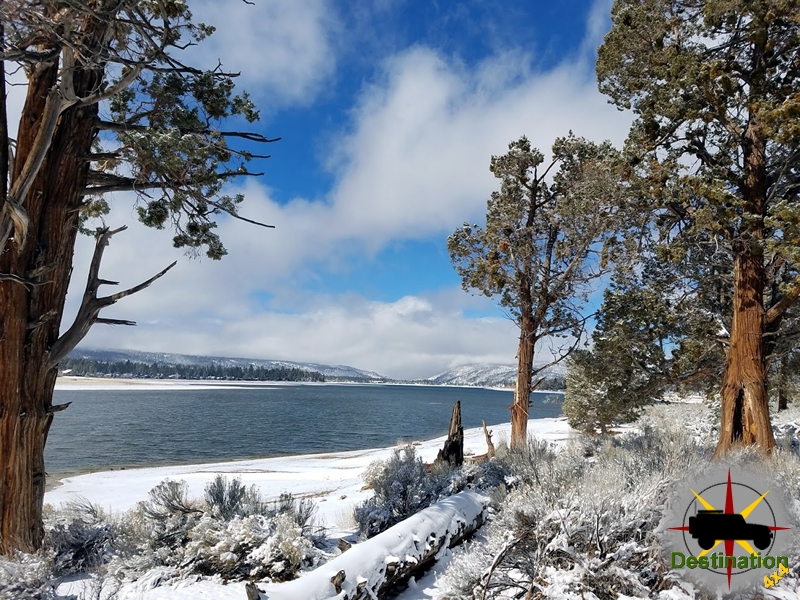
Big Bear, CA
I quiet mountain community full of back country adventure.
The Journey is the destination
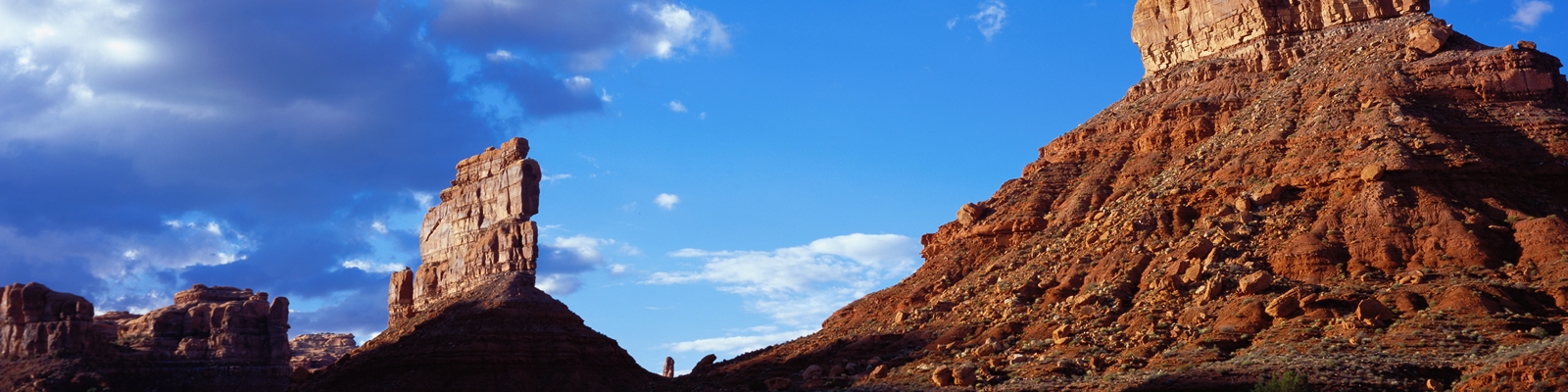
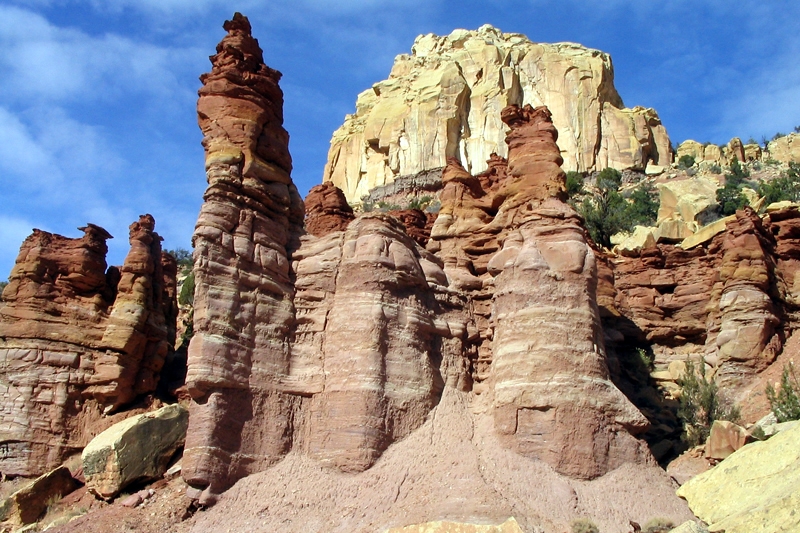
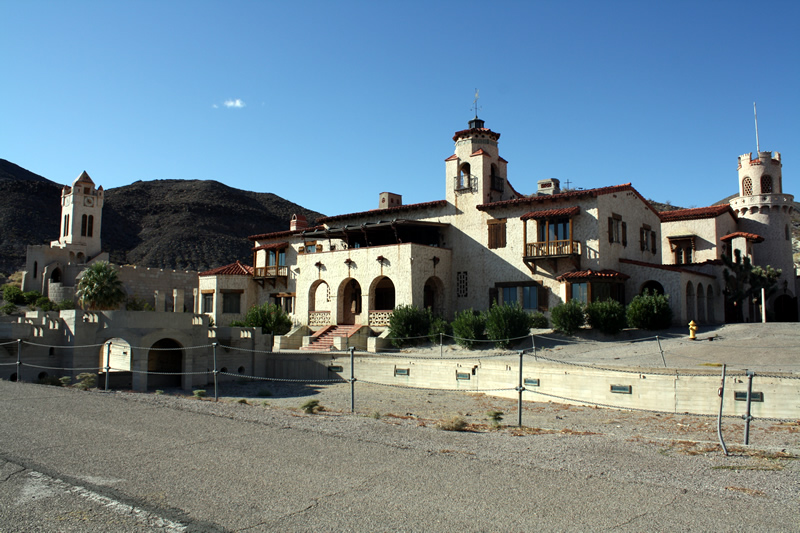
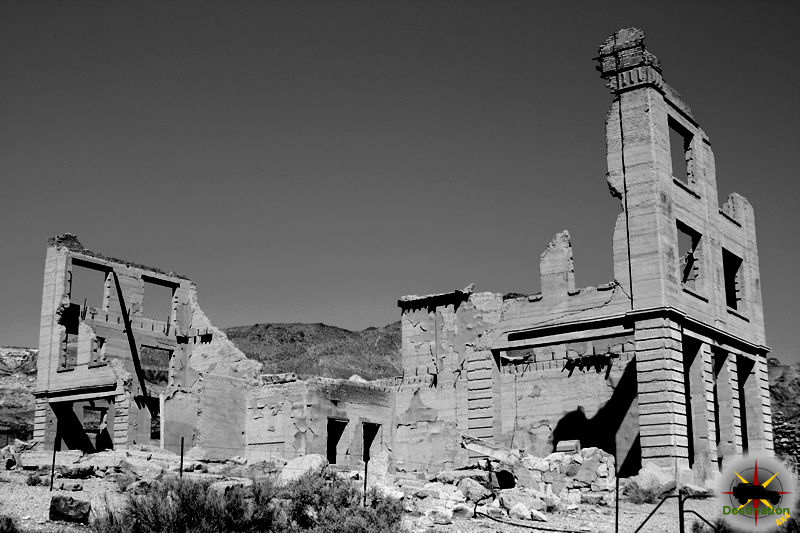
Now on private property, Lida Nevada is a ghost town and mining camp located in Esmeralda County, Nevada just off State Route 266. The area probably saw it first activity in the 1860’s when Mexican and Native Americans worked the surrounding hills for gold. Their efforts were limited by their ability to extract gold from the ore. In the spring of 1867, American prospects arrived in Lida Valley and took steps to organize a mining district.

The town of Lida Valley was organized and plotted in March 1872. The town experienced an influx people and soon supported common business for these mining towns including a livery, stables, shops, saloons and a Post Office. On March 17, 1873, the United States authorized a post office for the small community. There was some confusion caused by the remote region and the post office was authorized for Inyo County, California. This mistake was corrected the following month. April 31, 1873 saw the newly established post office operating as Lida, Nevada.
Freight was brought into Lida from the nearest rail station in Wadsworth. The supplies were hauled into Lida from Silverpeak using a newly build road for $100 per ton. Ore was processed at one of steam powered mills which were constructed and springs in the area. A five stamp mill and an eight stamp mill processed ore and higher quality ore with value of $500 to $1000 per ton was hauled to Belmont and Austin for processing. In the 1870’s mining declined and by the 1880s Lida only had 10 businesses in operation.
In 1905 the town of Goldfield experienced a gold boom. Lida formed a chamber of commerce to capitalize on the event. The weekly Lida Enterprise was published and stage service to Goldfield was established. The springs near Lida helped supply Goldfield utilizing a newly constructed pipe between the towns. An automobile stage was setup in 1905 to provide service between Lida and Big Pine, California.

Lida prospered for about three years until the camp started to decline once again. Important properties were tied up in litigation which hampered the towns growth. Just prior to World War I, schools, hotels and some ranches found operation until the town languished completed.
Today, Lida is on private property.
Known as a contact point for Shoshone and Northern Paiute Indians, Lida Valley was the site of early prospecting in 1860’s.
Later prospectors organized a mining district in 1867 and laid out the town in 1872. Soon stores, shops, stables and a post office were established. Some ore was milled locally, yet high-grade ore ($500-$1,000 per ton) was treated at Austin or Belmont. After 1880 mining declined.
Lida revived and thrived for three years during the Goldfield boom but declined again in 1907. Mining efforts resumed a few years later, and a small community existed here until World War I.
Lida Historical Plaque
| Name | Lida |
| Location | Esmeralda County, Nevada |
| Nevada State Historic Marker | 157 |
| Latitude, Longitude | 37.4580, -117.4985 |
| Name | Lida |
| Location | Esmeralda County, Nevada |
| Latitude, Longitude | 37.4582807,-117.5068931 |
| Elevation | 6,810 Feet |
| GNIS | 841625 |
| Population | 300 |
| Newspaper | Lida Enterprise |
| Post Office | 1873 – 1932 |
The Columbia Nevada ghost town and mine site is location just one mile north of Goldfield in Esmeralda County Nevada. Originally named Stimler, the town was renamed to Columbia in 1902 in the Goldfield District. The Columbia mines are located near the base of Columbia Mountain which provided the inspiration for the name.

The various mines in the Goldfield district were spread out into smaller suburbs to prevent the crowding problems which Tonopah suffered. Columbia and Diamondfield are examples of this new practice.

Despite the growth of Goldfield, Columbia grew and flourished for a time. A business district which included a two-story hotel, post office and bank was opened in 1904. A Chamber of Commerce was formed by local businessmen to organize and raise $10,000 in capital. This money is used to build a two story edifice on Main Street which housed office suites and a lodge hall.
The small town did suffer from some of the problems of a growing city. New arrivals to the town would commonly squat on lots, alleyways and some buildings before the owners organized and kicked the squatters out. Columbia reached a population of 1,500 people in 1907. During this time, the town was comprised of many wooden and brick two story structures beyond the common tent city, giving the town a feeling of permeance. Regardless, the towns fate was entwined with the success of Goldfield. When interest in Goldfield began to fade in 1908, the nearby sub-urban communities around it followed suite. In 1918 the closing of the districts largest mines of Columbia, sealed the fate of the twon
| Name | Columbia |
| Location | Esmeralda County, Nevada |
| Latitude, Longitude | 37.7243773, -117.2311898 |
| GNIS | 854790 |
| Elevation | 5,590 feet |
| Population | 1500 |
| Post Office | Nov 1904 – |
| Newspaper | Columbia Topics Oct 14, 1908 – June 24, 1909 |
Located just five miles north-northeast of Goldfield, Diamondfield is a ghost town and mine camp in Esmeralda County, Nevada. The camp was founded by Jackson Lee “Diamondfield Jack” Davis who was pardoned for murder in Idaho and moved to Nevada where is started several mining camps. In the spring of 1903, when news of promising gold strikes in Goldfield, Davis travelled to the location. After exploring and prospecting he uncovered promising ore ledges on McMahon Ridge northeast of town.

Within weeks of his discovery, prospectors flooded into the area. Diamondfield Jack, ever the opportunist plotted a townsite for the location and build a toll road to the new town from Goldfield. In the fall of 1904, the town reached its apex. At that time, it boasted a Post Office, three saloons, restaurants, general stores, schools, church, livery, butcher shop, blacksmith and union hall for the miners, which is impressive for a town just six months old. Public servants such as a sheriff, notary public and lawyer also maintained offices in the new formed district.

Although seemly setup for the long haul, this little town was never more than a suburb to its rival just five miles away. My 1907, the glory days of Diamondfield were in its past and the towns people migrated to Goldfield for better opportunities.
| Name | Diamondfield |
| Location | Esmeralda County, Nevada |
| Latitude, Longitude | 37.7460445, -117.1900777 |
| GNIS | 864791 |
| Elevation | 5,650 feet |
| Population | 200 – 300 |
| Post Office | Nov 1904-May 1908 |
Founded in 1860s, Gold Point, is a ghost time and silver mining camp located in Esmerelda County, Nevada. The townsite was known by three different names, depending upon the ore being actively mined at the time. Lime deposits in 1868 saw the formation of the town “Lime Point”. The ore was hauled to nearby Lida for processing.

Operations were stopped in 1882 when the huge processing costs, inefficient milling and the distance to the railroads were the contributing factors. The growth of Tonapah gave the area better facilities for ore processing. In 1903 and 1904 a rush in Goldfield virtually emptied the district. Interest returned to the district in 1905 when the Great Western Mine opened operations.
In the spring of 1908 the discovery of “hornsilver” silver ore nearby prompted the district to rename to Horn Silver. Rich ore prompted a rush of miners to the district. May 1908, saw the formation of the Hornsilver Herald and a post office followed just a few days later. Immediately plans to bring in railroad server to haul ore were considered. Automobiles were used to provide stage service to Goldfield, Lida and Cuprite for a modest sum.
Hornsilver is the latest wonder in Nevada Mining districts… A comer… Main Street is extending almost as you watch it.
Goldfield Review
The town of Hornsilver boasted 13 saloons, several shops and stores. All in all, some 225 framed buildings, tents and shacks housed the citizens of the little hamlet. The miners followed the ore deep into the ground until 1908 when courts battles brought many operations to a standstill. Milling in the area was still inefficient which cost the mines their profits and unsustainable for a time.
1915 found the returns of large scale mine operations. The Great Western Mine was sold to Charles Stoneham of the New York Giants in 1922. The Great Western Mine was the districts best producer with over $500,000 worth of gold and silver being produced. The District and Town was again renamed to Gold Point in 1930 and operated until 1942 until World War II pulled all essential personnel into war time production.

Today, the town maintains a population of 7 citizens. Manybuildings remain in various states and some of the homes and cabins are available for rental.
| Name | Gold Point |
| Location | Esmerelda County, Nevada |
| Latitude, Longitude | 37.3546518,-117.3738315 |
| GNIS | 848320 |
| Elevation | 5,400 feet |
| Activity | 1868 – 1880 – Lime Point 1907 – 1927 – Hornsilver 1930 – Gold Point |
| Post Office | 1908 – |
| Newspaper | Hornsilver Herald |
Arizona Thistle ( Cirsium arizonicum ) is a member of the sunflower family and common across the south west. The thistle has a two year live span. For the first year, it thrives as a low lying rosette of thorns. The second year of life, the plant springs into action and can grow up to four feet tall and grows a flower stalk to hold a purple colored flower head high into the air. The flower is known to bloom in red, pink and purple in color.
