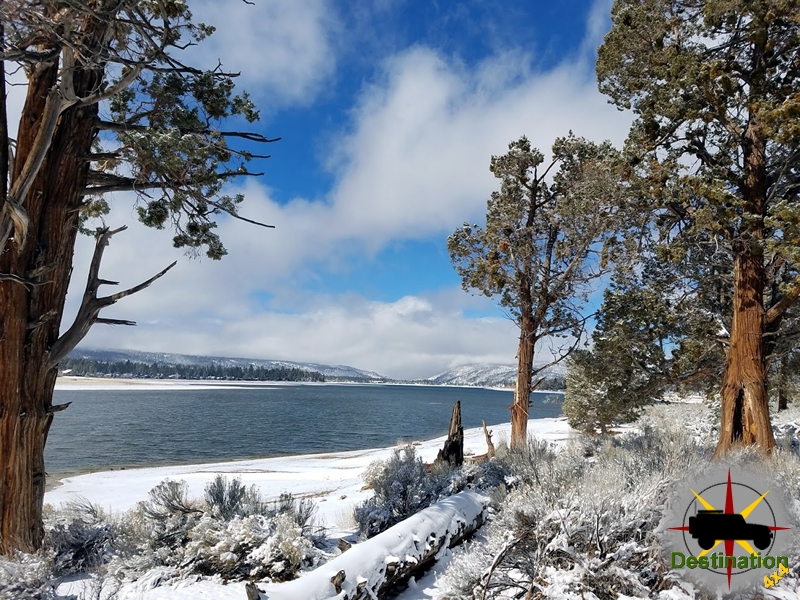
Big Bear, CA
I quiet mountain community full of back country adventure.
The Journey is the destination
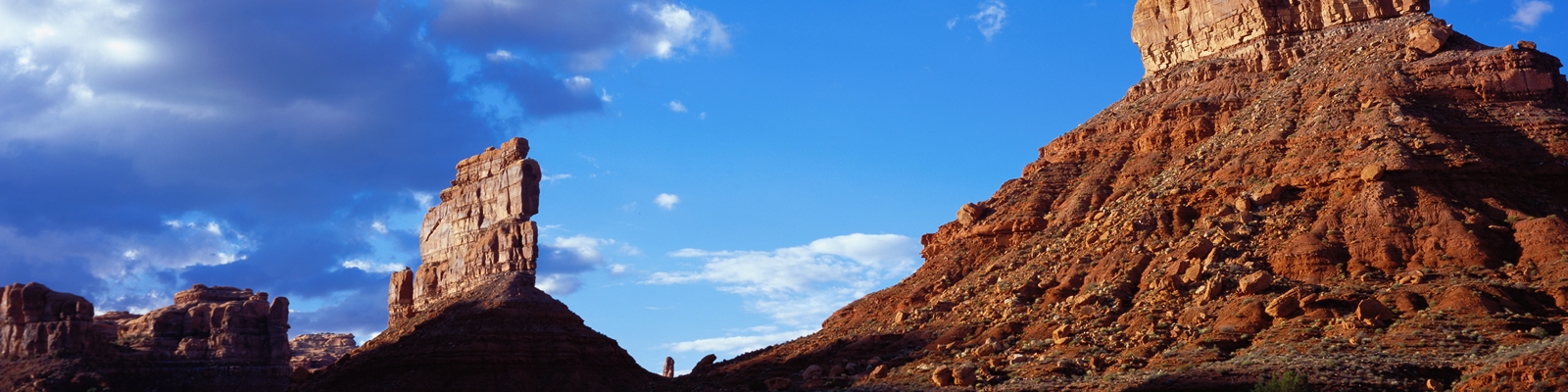
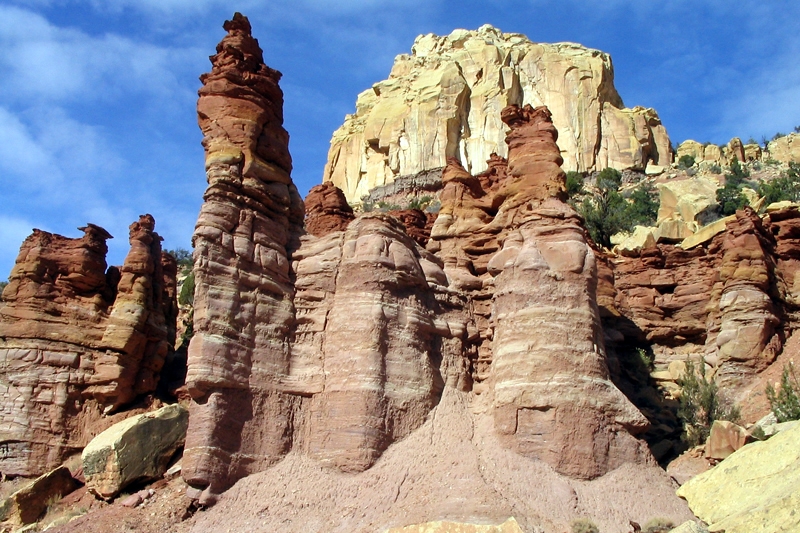
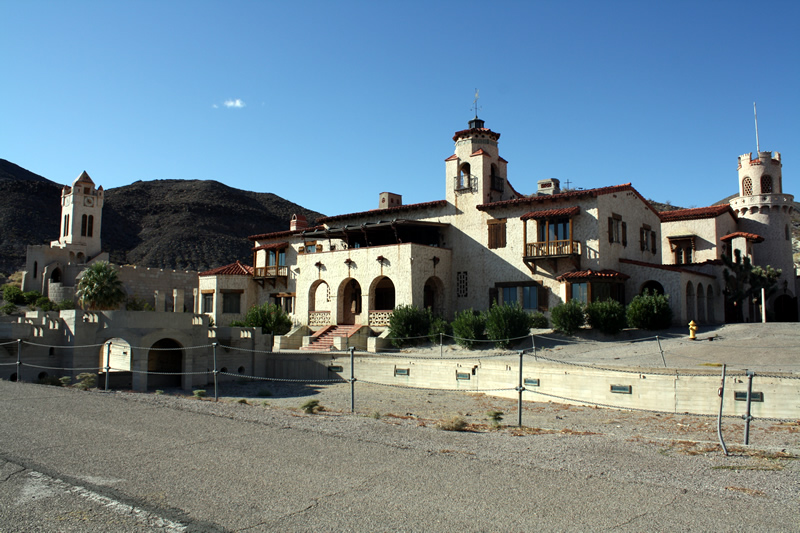

Indian Cove Campground is a campground located in Joshua Tree National Park in San Bernardino county, California. The campground is located off of Highway 62 about thirteen miles east of Joshua Tree Village. and ten miles west of Twentynine Palms on the northern end of the Wonderland of Rocks formation.
Indian Cove Road dead-ends at this secluded area. Indian Cove has 101 campsites, including thirteen group campsites. Between Memorial Day and Labor Day it is 39 reservable sites. There are vault toilets but no water at the campsites. Water is available at the small ranger station roughly two miles north of the campground.
Joshua Tree National Park is a fantastic destination for those interested in Outdoor recreation including hiking, biking, horseback riding, rock climbing, bouldering, star-gazing, flowers and wildlife viewing. There are many historic sites in Joshua Tree National Park.
Because of the park’s very dry climate, fire danger in Joshua Tree is almost always very high. Be cautious. Campfires are allowed only in designated fire rings or grills that are found in park campgrounds or picnic areas. Keep fires small. Bring your own firewood. You may not gather park vegetation, whether living or dead, to fuel your campfire. If you plan to have a campfire, bring extra water to douse it thoroughly.
| Name | Indian Cove Campground |
| Location | Joshua Tree National Park, San Bernardino, California |
| Latitude, Longitude | 34.0947412,-116.1616588 |
| Elevation | 3400 feet |
| Number of Site | 101 |
| Amenities | Tables, Fire Rings, Vault Toilets |
The Cottonwood Campground is campground located in Joshua Tree National Park in San Bernardino, California. Reservations are required only during the busy season from September to May.
The campground is host of 62 campsites with tables, fire rings and vault toilets. The Campground is near the Cottonwood Visitor Center in the southeast part of the park. The closest metropolitan area is Indio about 30 miles away.
Joshua Tree National Park is a fantastic destination for those interested in Outdoor recreation including hiking, biking, horseback riding, rock climbing, bouldering, star-gazing, flowers and wildlife viewing. There are many historic sites in Joshua Tree National Park.
Because of the park’s very dry climate, fire danger in Joshua Tree is almost always very high. Be cautious. Campfires are allowed only in designated fire rings or grills that are found in park campgrounds or picnic areas. Keep fires small. Bring your own firewood. You may not gather park vegetation, whether living or dead, to fuel your campfire. If you plan to have a campfire, bring extra water to douse it thoroughly.
| Name | Cottonwood Campground |
| Location | Joshua Tree National Park, San Bernardino, California |
| Latitude, Longitude | 33.7426154,-115.8170727 |
| Elevation | 3000 feet |
| Number of Sites | 62 |
| Amenities | Tables, fire rings |
The campground is near the South Entrance near Cottonwood Spring. There is an access point along Interstate 10 about 25 miles east of Indio, California. The Campground is off of Pinto Basin Road, next to The Cottonwood Visitor Center.
Black Rock Canyon Campground is a large campground with 99 campsites located in the northwest corner of the Joshua Tree National Park. Joshua Tree National Park is a fantastic destination for those interested in Outdoor recreation including hiking, biking, horseback riding, rock climbing, bouldering, star-gazing, flowers and wildlife viewing. There are many historic sites in Joshua Tree National Park.
Each campsite has a picnic table, fire ring with rest rooms and water nearby. Campsites vary in size and can accommodate both tents and RVs. A day-use picnic area and a dump station are also available.
For horse owners, a separate area is provided for camping or for staging a ride.
Because of the park’s very dry climate, fire danger in Joshua Tree is almost always very high. Be cautious. Campfires are allowed only in designated fire rings or grills that are found in park campgrounds or picnic areas. Keep fires small.
Bring your own firewood. You may not gather park vegetation, whether living or dead, to fuel your campfire. If you plan to have a campfire, bring extra water to douse it thoroughly.
| Name | Black Rock Canyon Campground |
| Location | Joshua Tree National Park, San Bernardino, California |
| Latitude, Longitude | 34.0733332,-116.3919464 |
| Number of Sites | 99 |
| Elevation | 4.030 feet |
| Amenities | Fire Rings, Tables, Flush Toilets, Water, Dump Station |
The Hidden Valley Campground is an established year round campground location in Joshua Tree National Park in California. Joshua Tree National Park is a fantastic destination for those interested in Outdoor recreation including hiking, biking, horseback riding, rock climbing, bouldering, star-gazing, flowers and wildlife viewing. There are many historic sites in Joshua Tree National Park.
The Mohave desert campground hosts features 44 campsites, pit toilets and no water. The campground is located off of Park Boulevard approximately fourteen miles from the town of Joshua Tree.
The campground is surrounded by large boulders and decorated with Joshua Trees. All of the campsites at Hidden Valley Campground are first-come, first-served. Camping fees must be pre-paid at an entrance station.
Because of the park’s very dry climate, fire danger in Joshua Tree is almost always very high. Be cautious. Campfires are allowed only in designated fire rings or grills that are found in park campgrounds or picnic areas.
Keep fires small. Bring your own firewood. You may not gather park vegetation, whether living or dead, to fuel your campfire.
If you plan to have a campfire, bring extra water to douse it thoroughly.
| Name | Hidden Valley Campground |
| Location | Joshua Tree National Park, San Bernardino, California |
| Latitude, Longitude | 34.0178521,-116.1640167 |
| Number of Sites | 44 |
| Elevation | 4200 feet |
| Amenities | Vault Toilets, Tables, Fire Rings |
The campground is off of Park Boulevard approximately 14 miles from the town of Joshua Tree. The campground is located near Barker Dam and the Hidden Valley Nature Trail. If entering from the West Entrance in Joshua Tree, continue for about 10 miles. The campground will be on your left. If entering from the North Entrance of Joshua Tree National Park in Twentynine Palms, proceed for about 16 miles on Park Boulevard and the campground will be on your right.
Belle Campground is a charming, intimate campground nestled in the heart of Joshua Tree National Park. Located along Pinto Basin Road in the eastern section of the park, it offers a peaceful, primitive desert camping experience surrounded by iconic Joshua trees, massive granite boulders, and expansive desert vistas.
At an elevation of about 3,800 feet, Belle provides cooler temperatures than lower desert areas and stunning night skies perfect for stargazing. With only 18 sites, it feels secluded and intimate compared to larger campgrounds, making it a favorite for those seeking solitude amid the park’s surreal rock formations and unique High Desert landscape.
Belle Campground is a first-come, first-served (no reservations) primitive campground. It is open year-round.
Detailed Amenities:
Fees: $25 per night (subject to change; check current rates on nps.gov or Recreation.gov). Pay at the entrance station or self-pay kiosk.
Belle Campground serves as an excellent base for exploring Joshua Tree’s wonders. The surrounding area is rich in geological beauty and recreational opportunities.
On-Site & Immediate Activities:
Nearby Hiking & Exploration (within short drive):
Longer day hikes, such as Ryan Mountain or Lost Palms Oasis, are accessible with a bit more driving.
Other Popular Activities in the Area:
Belle Campground offers a classic, no-frills Joshua Tree experience — raw desert beauty, towering boulders, and the twisted silhouettes of Joshua trees under vast skies. It’s perfect for adventurers who want to immerse themselves fully in this unique Mojave Desert ecosystem.
For the most current information, visit the official NPS page for Belle Campground or stop by one of the park’s visitor centers upon arrival.
Protect the desert — tread lightly and leave it better than you found it!
| Name | Belle Campground |
| Location | Joshua Tree National Park, San Bernardino, California |
| Latitude, Longitude | 34.0014648,-116.0215814 |
| Elevation | 3,800 ft (1,158 m) |
| Number of Sites | 18 |
| Amenities | First Come First Serve |
From the North Entrance:
Continue along Park Blvd and turn left onto Pinto Basin Road. Drive approximately 1.5 miles south along Pinto Basin Road. Turn left into the campground at the campground sign.
From the West Entrance:
Drive along Park Blvd and turn right onto Pinto Basin Road. Turn left into the campground at the Belle Campground sign.
From the South : Drive north on Pinto Basin Road. Turn right at the campground.