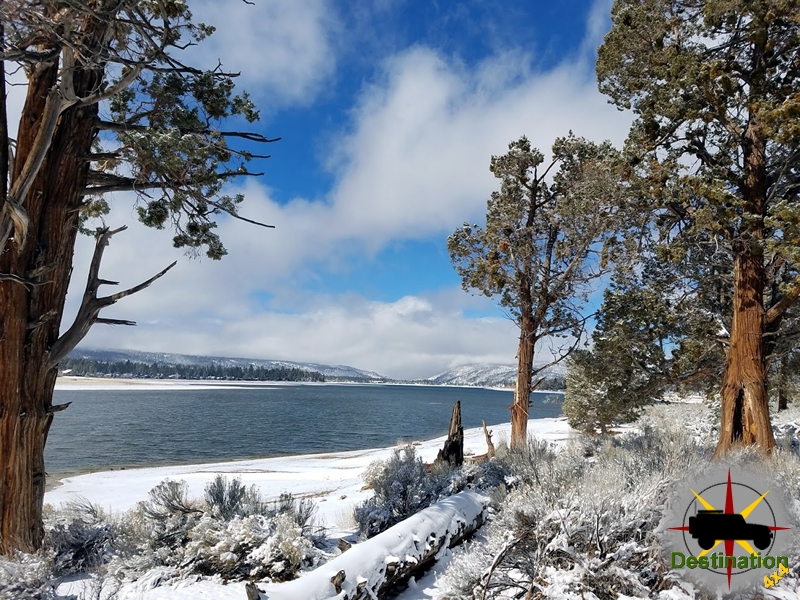
Big Bear, CA
I quiet mountain community full of back country adventure.
The Journey is the destination
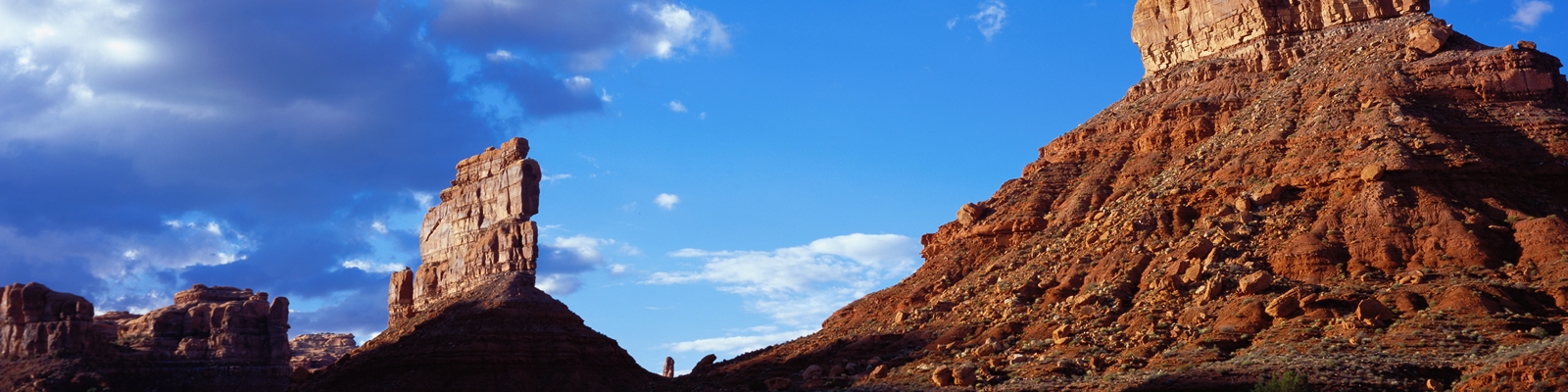
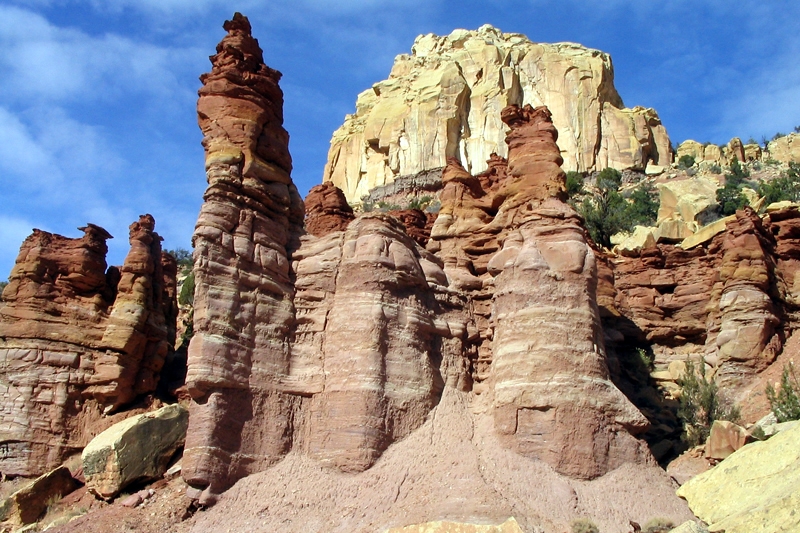
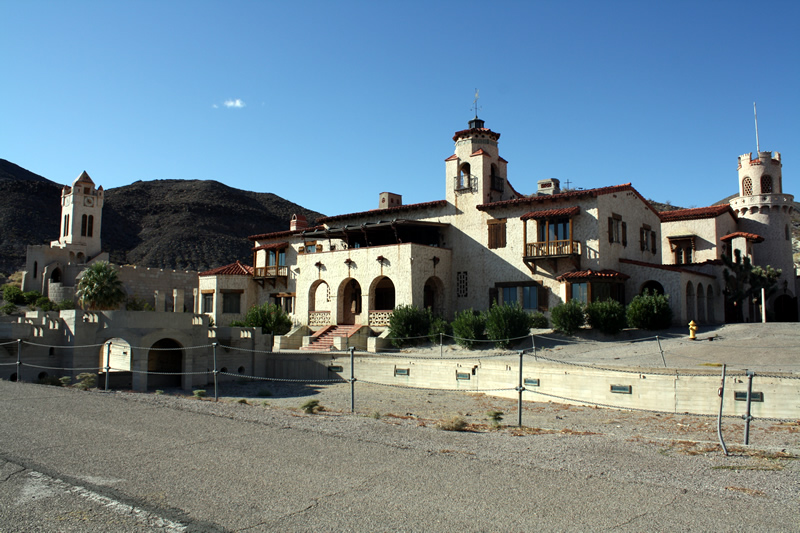
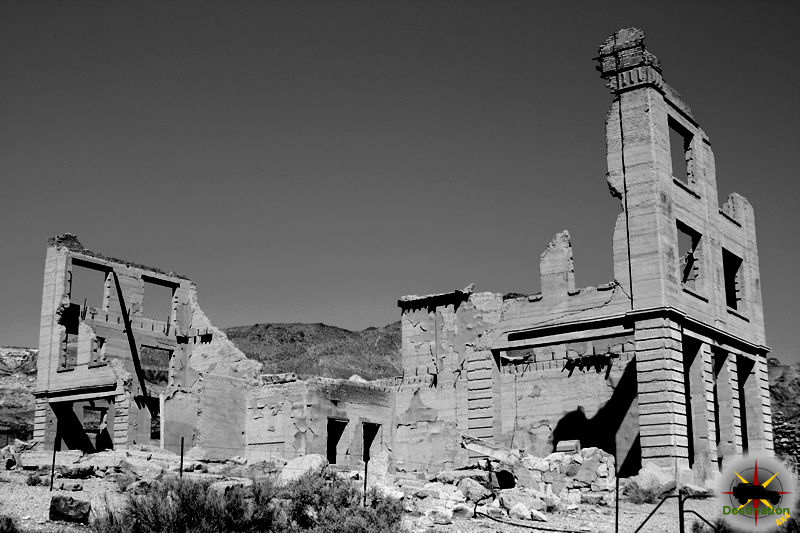

Aurum is a historic ghost town and mining camp in White Pine County, eastern Nevada, situated in Silver Canyon on the eastern slopes of the Schell Creek Range. It lies roughly 3 miles west-southwest of the Spring Valley road, in a rugged high-desert mountain setting with elevations around 7,000–8,000 feet.
The site is part of the broader Aurum (or Silver Canyon/Siegel) Mining District, which also includes areas like Muncy Creek, Siegel Canyon, and nearby Schellbourne. The district produced silver, gold, lead, and manganese ores.
The first mineral discoveries in the Silver Canyon area occurred in 1869 by prospectors Chisolm and Ramsdell. The district was formally organized in 1871, with most early mines controlled by the Grace Mining Company.
By 1872, a small camp known as Silver Canyon had developed with a population of about 50 residents. However, the initial boom was short-lived; the camp was largely abandoned by 1873 as early prospects proved insufficient to sustain long-term operations.
New discoveries in 1878 led to the rebirth of the camp, this time named Aurum (Latin for “gold,” reflecting hopes for valuable mineralization). Dr. Brooks, one of the key figures in the 1878 discoveries, constructed a 10-stamp mill at the mouth of Silver Canyon, which began operations in early 1881.
By summer 1881, Aurum had grown into a functional mining town with:
Population reached modest but stable levels, with periodic growth exceeding 50 residents during revivals.
Mining activity focused on silver ores, with some gold and manganese. Ore values were promising at times—up to $300–$500 per ton in richer strikes. The camp experienced multiple small booms and busts typical of remote Nevada mining districts.
Aurum faced significant setbacks:
A revival occurred around 1887–1888 after Simon Davis and George Palmerton located the Aurum Mine, which produced high-value ore. The town briefly grew again, but sustained production remained elusive.
By 1906, Aurum was largely abandoned once more. Only Simon Davis remained as a lone prospector in Silver Canyon. He later organized the Lucky Deposit Mining Company in 1914, but large-scale activity never returned.
The post office continued intermittently until its final closure on May 31, 1938.
Aurum exemplifies the boom-and-bust cycle of small-scale mining camps in Nevada’s remote ranges. Unlike the massive White Pine silver rush of the late 1860s (centered on Hamilton, Treasure City, and Shermantown), Aurum’s activity was more modest and sporadic, tied to the Schell Creek Range districts.
Visible remnants today include:
The site is remote and requires careful access via dirt roads. It attracts ghost town enthusiasts interested in Nevada’s lesser-known mining history.
Aurum operated during a period when Nevada’s mining industry shifted from the great Comstock and White Pine booms toward smaller, more scattered precious-metal districts. Its story highlights the harsh realities of high-elevation mining: isolation, extreme weather (including deadly avalanches), and dependence on fluctuating ore values and outside capital.
This report is compiled from historical accounts, including Nevada Expeditions (nvexpeditions.com), Western Mining History resources, USGS reports on eastern Nevada mining districts, and contemporary mining records. Aurum remains a quiet footnote in White Pine County’s rich mining heritage.

Tucked away in the stark, sagebrush-dotted expanses of the Paradise Range within Nye County, Nevada, lies the faint echo of Atwood—a ephemeral mining camp that flickered to life amid the gold fever of the early 20th century. Situated approximately 35 miles northeast of Mina and at an elevation of about 6,001 feet, Atwood emerged as the beating heart of the Fairplay (or Atwood) Mining District, a rugged pocket of the Basin and Range Province where jagged peaks rise like forgotten sentinels against the vast desert sky. Named after prospector Okey Davis, who initially staked claims under the moniker Atwood (a nod to a potential backer or simply a whimsical choice), the settlement embodied the raw optimism and brutal transience of Nevada’s mining frontier. Though brief in its heyday, Atwood’s story weaves into the larger tapestry of Nye County’s boom-and-bust legacy, a county born from Civil War-era territorial ambitions and fueled by successive waves of mineral mania. Today, as a true ghost town with scant ruins, it whispers of fortunes chased and lost in the shadow of the Toiyabe National Forest, accessible only to the intrepid via dusty backroads that test both vehicle and resolve.
Atwood’s origins trace to the sweltering summer of 1901, when a quartet of determined prospectors—Okey Davis, George Duncan, E.A. McNaughton, and William Regan—stumbled upon promising gold-bearing ledges in the Paradise Range, a remote spur of the Hot Creek Mountains straddling Nye and Mineral counties. The strike, rich in free-milling gold ore that assayed at $40 per ton (with two-thirds in gold), ignited whispers of a new El Dorado amid the post-Comstock ennui that had quieted Nevada’s mining scene. Initial claims, including the Lone Star group held by Woodward and Everett, revealed veins three to four feet wide at depths of 53 feet, drawing a trickle of hopefuls to the parched canyon floors where water was hauled from distant springs and wood chopped from piñon stands.
By 1903, the camp stirred with activity: six- and seven-foot ledges yielded shipping-grade ore, and plans for a mill surfaced under Mr. Norcross, promising to process the “crop” locally rather than freighting it to distant smelters. The following year, 1904, marked a surge—over 100 men swelled the tent city, their numbers growing daily as tales of abundant timber, reliable water, and easily milled ore spread via stage from Sodaville and Mina. Stores sprouted amid the canvas, three saloons echoed with the clink of tin cups, and a post office was slated for July 19, though it would not materialize until later. A rival townsite, Edgewood, was platted in December 1905 but fizzled almost immediately, leaving Atwood unchallenged as the district’s hub. The air hummed with the rasp of picks and the lowing of ore-laden burros, while the scent of sage and sun-baked earth mingled with the acrid tang of assay fires.
Atwood’s apogee arrived in the crisp autumn of 1905, when a Tonopah real estate syndicate platted the townsite, hawking lots with visions of a bustling metropolis to rival nearby Goldfield. The pivotal shift came in January 1906, as the Griggs Atwood Mining Company—a Reno-based outfit—acquired the fledgling settlement, molding it into a disciplined company town engineered for efficiency and profit. Under their aegis, infrastructure bloomed: a post office opened on February 6, dispensing letters from homesick kin; a two-story hotel rose to house transients; general stores stocked beans, bacon, and blasting powder; a meat market catered to the carnivorous appetites of laborers; and a raucous dance hall pulsed with fiddles and foot-stomping on weekends.
The mines fueled this frenzy. The Atwood Mine, Butler (the district’s crown jewel with a 280-foot shaft), and Gold Crown—operated since April 1904 by the Gold Crown Mining Company—churned out high-grade ore shipped to Sodaville for milling. By late 1906, the population crested at 200, a polyglot throng of Cornish hard-rock men, Irish muckers, and American speculators bound by the shared delirium of wealth. A stage line clattered daily from Mina, ferrying supplies and souls, while the Fairplay Prospector newspaper debuted in 1907, its inky pages trumpeting strikes like the $2,000-per-ton bonanza at the Fairplay claim on Griggs-Atwood property. Hoists groaned into operation—the Paradise with a 20-horsepower gasoline engine sinking to 110 feet (aiming for 300), the Gold Canyon prepping a compressor—heralding Atwood’s ascent as a “good crop” poised for permanence. Even leisure flourished: a local basketball team vied with rivals from Goldyke, their games a fleeting diversion in the relentless grind.
Fortune, however, proved fickle. The Butler Mine’s closure in 1908—its veins pinching to unprofitable slivers—triggered a cascade of exodus, swelling the ghost winds that howled through empty saloons by year’s end. The post office shuttered on January 31, 1908, its final stamps canceling dreams deferred, and the Prospector fell silent, its press gathering dust. Optimistic dispatches from 1908, touting the Gold Crown’s 50-horsepower mill and the Wagner Azurite Copper group’s 500-foot depths, proved hollow echoes as high-grade ore dwindled.
Resurrection glimmered in early 1914, when Okey Davis unearthed a bonanza south of the old diggings, spurring four new outfits: Nevada Chief Mining Company, its Extension, Contact Mining Company, and Excelsior Twilight Mining Company. Miners coalesced in satellite camps—Atwood proper, Okey Davis (eight weathered structures), and Butler (renamed Nevada Chief after M.L. Butler’s 1915 claim, peaking at 75 souls with a frame lodging house, cookhouse, and lumber yard). Yet summer’s heat sapped momentum; Butler’s ranks thinned to zero by fall, briefly rechristened Gilt Edge before oblivion reclaimed it. In 1927, Arizona’s Oatman United Gold Mining Company optioned the Okey Davis and Nevada Chief properties, shipping machinery for a revival, but the effort sputtered into the early 1930s amid the Great Depression’s shadow. Walter Pfefferkorn, the last holdout at Okey Davis camp, departed in 1959, his footsteps the final imprint on a landscape reverting to wild desolation.
In the autumn of 2025, Atwood slumbers as an unincorporated ghost town, its zero population a stark counterpoint to the 200-strong chorus of a generation past. Managed within the Toiyabe National Forest, the site yields scant relics: a solitary foundation amid scatters of iridescent glass shards and rusted can dumps, remnants of bottled fortitude and tinned sustenance long since scavenged by time and trespassers. No vertical structures pierce the horizon; the hotel’s timbers have rotted into the alkaline soil, and mine shafts—once portals to promise—lurk as hazardous voids, their collars collapsed under decades of seismic sighs and flash-flood fury.
Reaching Atwood demands commitment: from Fallon, it’s a 94-mile trek east on U.S. 50 to Middlegate, then south on State Route 361 through Gabbs, veering onto a graded dirt road for 5.3 miles before forking left onto a rutted local track for another 5.9 miles—high-clearance 4WD advised, especially after winter rains that transform arroyos into impassable mires. No amenities await—no water, no facilities, no cell service in the bowl of the valley—only the keening wind through creosote and the distant yip of coyotes patrolling the periphery. As of late 2025, Atwood draws few pilgrims; Nevada’s ghost town enthusiasts favor more photogenic ruins like Rhyolite or Berlin-Ichthyosaur, leaving this site to solitude. Yet for the dedicated, it offers unvarnished authenticity—a canvas of erasure where the ghosts of Griggs and Davis linger in the glint of forgotten glass, a subtle admonition to the hubris of extraction in Nevada’s unforgiving wilds. For access updates, consult the Humboldt-Toiyabe National Forest ranger district.
Tucked away in the rugged folds of the Toquima Range in Nye County, Nevada, Barcelona emerges as a spectral echo of the Silver Rush era—a fleeting mining enclave where the promise of subterranean wealth briefly defied the relentless desert. Originally organized as the Spanish Belt Mining District in 1875 and later synonymous with its namesake town and principal mine, Barcelona lies approximately 20 miles southeast of the more enduring ghost town of Belmont, at an elevation of about 8,500 feet along the eastern slopes separating Ralston Valley from Smoky Valley. Accessible today via graded dirt roads suitable for 2WD vehicles, this isolated site, with its grid-like layout and seasonal climate of scorching summers and crisp winters, encapsulates the boom-and-bust archetype of Nevada’s mining frontier. Named perhaps for the Iberian flair of its early Hispanic prospectors or the district’s “belt” of silver veins, Barcelona’s story is one of rapid ascent, exhaustive exploitation, and tenacious, if sporadic, revivals, leaving behind a tableau of weathered ruins that whisper of bygone labors under an unforgiving sky.
Barcelona’s origins trace to the post-Civil War mineral frenzy that swept the Great Basin, when opportunistic prospectors scoured Nevada’s arid highlands for the next Comstock. Silver outcrops were first noted in the late 1860s—accounts pinpoint 1867 as the year of initial discovery—amid the slate formations of what would become the Spanish Belt District, initially an extension of the neighboring Philadelphia Mining District that encompassed Belmont. Yet, these early finds languished due to the site’s remoteness, scant water, and the superior allure of richer strikes elsewhere, such as nearby Jefferson, which boomed with $2.3 million in silver output by 1875.
The district’s formal organization came in 1875, spurred by surveys revealing a promising “belt” of argentiferous ledges akin to those in Philadelphia. Hispanic miners, led by the enterprising Señor Emanuel San Pedro and his crew, spearheaded the first substantive claims, infusing the camp with a cultural mosaic that lent it its evocative name—possibly evoking Barcelona, Spain, or simply the “bar” of ore veins. By this nascent stage, Barcelona was little more than a scatter of tents and ad hoc diggings, sustained by mule trains hauling supplies from Austin, 50 miles north, across parched valleys where mirages danced on alkali flats. The air hummed with the tentative ring of picks against quartz, and the faint scent of sagebrush mingled with the acrid bite of black powder, as hopefuls bartered claims under starlit vigils.
The mid-1870s ignited Barcelona’s meteoric rise, transforming the gulch into a hive of activity that mirrored the speculative fervor gripping Nye County. Serious mining commenced in 1874, catalyzed by San Pedro’s operations at the flagship Barcelona Mine, which quickly yielded high-grade silver ore laced with gold and traces of mercury— the latter noted as early as 1876 but not commercially exploited until later. By 1876, the population surged to around 150–175 souls, a polyglot assembly of Cornish hard-rock men, Mexican laborers, and Yankee speculators who erected a modest skyline: three bustling boarding houses fragrant with beans and bacon, an assay office tallying payloads by lamplight, a cluster of saloons alive with the clatter of poker chips and harmonica wails, and sundry businesses including a blacksmith forging mule shoes amid sparks and oaths.
Daily stages rumbled in from Austin, ferrying mail, whiskey, and wide-eyed newcomers, while ore wagons creaked toward the Monitor-Belmont mill, 10 miles distant, where steam-powered stamps pulverized rock into fortune. The Barcelona Mine alone produced over $500,000 in bullion by 1890 (equivalent to millions today), its veins—alongside adjacent claims like the South Barcelona and 1871-discovered Liguria—fueling a frenzy that blanketed the hills in charcoal haze from piñon-fired smelters. Life pulsed with frontier vigor: miners swapped tales of “pocket” strikes over tin mugs, children hawked pies baked in Dutch ovens, and the occasional fandango echoed through the canyon, a fleeting respite from 12-hour shifts in damp adits. Yet, beneath the bustle lurked fragility; water scarcity forced hauls from Hot Springs northward, and economic tremors from national silver slumps cast long shadows.
As with so many Basin outposts, Barcelona’s zenith proved ephemeral. By 1877, the shallow high-grade ores pinched out, stranding the camp in a swift ebb—population plummeting to a skeletal handful as families decamped for Belmont’s steadier prospects. A brief 1880 resurgence, buoyed by renewed assays, flickered like a dying ember, only for idleness to reclaim the shafts amid depressed markets and litigation over claims. Sporadic pulses followed: desultory picks in the 1890s, a 1892 reopening thwarted by water woes, and intermittent shipments to Belmont’s mills through the early 1900s.
The most vigorous revival dawned in 1916 with the formation of the Consolidated Spanish Belt Silver Mining Company, which installed a new superintendent and mill by 1919. A gravity-fed stamp mill rose in 1921, processing ore from deepened workings that tapped mercury-laced lodes, sustaining a modest workforce through World War I’s demand. Production crested anew, but by 1923, exhausted veins and postwar glut sealed Barcelona’s fate—the town shuttered permanently, its structures succumbing to wind-whipped sands. Faint aftershocks rippled into the 1980s with exploratory digs at the Van Ness Quicksilver Mine (discovered 1928, west of town), but these yielded naught but echoes. Today, the district—now commonly dubbed Barcelona rather than Spanish Belt—bears scars of this cyclic toil: collapsed timbers, tailing piles, and the ghostly grid of a forgotten metropolis.
In the autumn of 2025, Barcelona persists as an unincorporated ghost town on Bureau of Land Management (BLM) holdings, a understated relic amid Nye County’s vast tableau of 600-plus abandoned sites. Scattered across the Toquima’s sage-dotted flanks, the remnants evoke quiet introspection: a handful of stone and adobe foundations etched by frost heave, tumbled walls of a bygone boarding house, and yawning mine shafts—remnants of the Barcelona and Liguria—that plunge into cool, silent depths, their lips fringed with cheatgrass. No standing structures endure, but the site’s fresh spring water, bubbling from a canyon seep, offers a rare desert mercy for wayfarers. Hazards abound—rusted relics, unstable adits, and seasonal flash floods—demanding vigilance, with the BLM advising sturdy boots, flashlights, and avoidance of solitary forays.
Reachable via a 20-mile jaunt from Belmont off State Route 82 onto graded Monitor Valley Road (suitable for passenger cars in dry conditions, though high-clearance recommended post-rain), Barcelona draws a niche cadre of off-road historians and photographers, its isolation a balm for those seeking solitude beneath Wheeler Peak’s distant silhouette. Absent the touristed pomp of Rhyolite or Goldfield, it garners scant social media fanfare—no viral #GhostTownNevada posts in recent feeds—but features in curated guides as a “worthwhile detour” for its unvarnished authenticity. Nevada’s tourism apparatus, via Travel Nevada, nods to it within broader Nye itineraries, emphasizing respectful treading to preserve these “living archives.” As climate shifts usher erratic winters—milder rains, fiercer winds—Barcelona stands resilient, a canvas where creosote whispers over rubble, inviting reflection on humanity’s indelible mark upon the wild. For real-time access, consult BLM Tonopah Field Office updates.

Just minutes from the bustling streets of Los Angeles, Angeles National Forest offers over 700,000 acres of rugged beauty, towering peaks, deep canyons, and tranquil forests. Encompassing much of the San Gabriel Mountains, this “urban national forest” provides a refreshing escape for hikers, adventurers, families, and nature lovers. From snow-capped summits to cascading waterfalls, the forest delivers year-round recreation with stunning views of Southern California.
Whether you’re seeking a challenging summit hike, a peaceful picnic, or a weekend camping trip, Angeles National Forest has something for everyone.
Hiking & Backpacking With over 550 miles of trails (including sections of the Pacific Crest Trail), options range from easy family walks to strenuous summit climbs. Popular trails include:
Water Activities Swimming in natural pools, fishing in mountain streams and lakes (like Pyramid Lake and Elizabeth Lake), and waterfall viewing.
Winter Sports Downhill skiing and snowboarding at Mt. Baldy, Mountain High, and Mt. Waterman. Also enjoy cross-country skiing, snowshoeing, and snow play areas.
Other Adventures
The forest offers numerous campgrounds, including:
Many sites feature picnic tables, fire rings, and vault toilets. Some require an Adventure Pass for day-use parking. Group sites and a few cabins are also available. Always check current conditions, fire restrictions, and reservations.
Stop by for maps, trail information, and interpretive exhibits.
Angeles National Forest is more than just a getaway — it’s a place to reconnect with nature, challenge yourself on the trails, and create lasting memories with family and friends.
For more information and current conditions, visit the official USDA Forest Service website: fs.usda.gov/angeles
Come explore the majestic San Gabriel Mountains — your adventure awaits!
 Chilao CampgroundAngeles National Forest Campground Chilao Campground is a popular camping destination located in the Angeles National Forest, in the San Gabriel Mountains of Southern California.… |
Monte Cristo CampgroundAngeles National Forest Campground Monte Cristo Campground is a serene camping destination located in the Angeles National Forest, just outside of Los Angeles, in the… |
Table Mountain CampgroundAngeles National Forest Campground Table Mountain Campground is situated in the beautiful San Gabriel Mountains of Southern California. The campground is surrounded by a beautiful… |
The Wheaton and Hollis Hotel, a weathered wooden structure on Main Street in the ghost town of Bodie, California, exemplifies the transient and multifaceted nature of buildings in this late-19th-century mining boomtown. Constructed during Bodie’s peak prosperity, the building evolved from a commercial store to a federal office, utility headquarters, and finally a modest hotel and boarding house. Its name, often rendered as “Wheaton & Hollis,” carries an air of historical ambiguity, likely stemming from a faded or misread sign rather than an actual partner named Hollis. Today, it stands as one of the approximately 100 preserved structures in Bodie State Historic Park, maintained in a state of “arrested decay” to reflect the town’s abrupt abandonment.

Bodie, discovered as a gold mining camp in 1859 but booming after the 1875 Standard Mine strike, attracted thousands seeking fortune in the arid Mono County hills. Amid this frenzy, the Wheaton and Hollis building was erected in the early 1880s—likely around 1882—by entrepreneurs George H. Wheaton and Nicholas C. Luhrs. Wheaton, a prominent Bodie businessman originally from New York, had arrived in the area during the rush and invested in various ventures, including real estate and mercantile operations. Luhrs, a German immigrant and fellow merchant, partnered with Wheaton to capitalize on the town’s explosive growth, which saw a population swell to 7,000–10,000 by 1880.
The two-story wooden frame building, typical of Bodie’s hasty construction with lumber hauled from nearby mills, was initially a merchandise store known as Wheaton & Luhrs. Positioned across from Green Street on the bustling Main Street—once lined with saloons, assay offices, and brothels—it served the daily needs of miners, merchants, and families. The store stocked groceries, mining supplies, clothing, and hardware, thriving on the influx of cash from gold ore processing at nearby mills. Its façade featured a bold sign proclaiming “WHEATON & LUHRS,” and the ground floor likely housed the retail space, with the upper level for storage or offices. This era marked the building’s role in Bodie’s commercial heart, where business was as rough as the terrain; Wheaton himself was known for his shrewd dealings, though details of his personal life remain sparse, with some local lore speculating on his investments beyond Bodie.
The partnership’s duration is unclear, but Nicholas Luhrs died sometime in the mid-1880s, prompting changes. After his death, the building’s exterior was repainted white, and a new sign was affixed over the original: “BODIE HOTEL – MEALS AT ALL HOURS.” This overlay concealed the faded “WHEATON & LUHRS” beneath layers of paint, but over time, weathering and removals revealed a puzzling variant—”WHEATON & HOLLIS.” No historical records indicate anyone named Hollis was involved with the property, suggesting the “Hollis” was either a misspelling, a misreading of the faded “Luhrs,” or a clerical error in signage reproduction. This naming mystery persists in Bodie’s lore, with modern historians attributing it to the town’s chaotic record-keeping rather than deliberate deception.
By 1885, as Bodie’s mining output peaked at over $3 million annually, the federal government recognized the need for formalized land claims amid speculative filings. The U.S. Land Office, established in Bodie on January 5, 1879, to process homestead and mining patents, was relocated to the Wheaton & Luhrs building in 1885–1886. This made it a key administrative hub, handling applications for public land purchases under the Homestead Act and receiving payments for government tracts. The office’s operations were essential in a town where claims overlapped and disputes were common, fueled by the 1872 Mining Law.
Early officials included H.Z. Osborne as the first Receiver of Public Monies, responsible for collecting fees, followed by H.L. Childs. In 1885, Michael J. Cody—father of Bodie historian Ella Cain—was appointed Receiver by President Grover Cleveland. E.R. Cleveland (no relation to the president), a partner in the Bodie Free Press newspaper, served as Registrar, tasked with recording claims. Dr. David Walker, a local physician and community leader, may have later assumed the Registrar role. The office buzzed with activity: applicants filed paperwork, paid fees (often $1.25 per acre), and navigated bureaucratic hurdles. However, scandal marred its tenure. Osborne, who retained influence, was accused of corruption, including overcharging for mandatory land-sale advertisements in the Bodie Free Press, which he co-owned. A rival paper, the Bodie Standard, exposed this conflict of interest, even after Cleveland’s appointment as Registrar failed to fully resolve it.
The Land Office’s stay was brief. In 1886, it relocated to Independence, California, as Bodie’s remote location and declining claims made a more central site preferable. Walker and Cody resigned their Bodie positions shortly after, with Cody moving his family elsewhere. The building reverted to private use, but its federal interlude left a legacy of paperwork that historians like Ella Cain later drew upon to document Bodie’s land history.

Post-Land Office, the building adapted to Bodie’s shifting fortunes. In the late 1880s and 1890s, it resumed mercantile functions, operating intermittently as the Bodie Store amid the town’s economic volatility. The 1892 Great Fire, which razed much of Main Street, spared this structure—possibly due to its position or quick firefighting efforts—allowing it to endure while neighbors burned.
By 1898, J.S. Cain (possibly related to the Cody-Cain family) purchased the property, and it was formally dubbed the Bodie Hotel. This incarnation emphasized its hospitality role, offering rooms and “meals at all hours” to travelers, miners, and lingering residents. The upper floor likely housed overnight guests in simple, Spartan quarters, while the ground level served food and perhaps doubled as a boarding house for workers. Bodie’s hotel scene was lively but perilous; the town boasted over a dozen such establishments, but fires, vice, and economic slumps claimed many.
In 1910, as Bodie transitioned from gold rush to industrial mining, the building became offices for the Bodie Hydroelectric Power Company. It functioned as a substation distributing electricity generated at Lundy Canyon (about 20 miles away) via transmission lines snaking through the Sierra Nevada. This marked a modernization effort, powering mills and homes in a town increasingly reliant on technology to extract deeper ore veins. The offices hummed with engineers and clerks until the early 1920s, when hydroelectric operations scaled back.
The late 1920s brought a brief revival tied to the Clinton-West Mining Company, which reopened claims and drew a small workforce. The building then fully transformed into the Wheaton & Hollis (or Luhrs) Hotel and boarding house, catering to miners with basic lodging and communal meals. George Wheaton, if still involved (though he had likely sold out earlier), may have retained naming rights, but by this point, the structure was under varied ownership. It provided essential shelter during Bodie’s “care-and-feeding” stage, where a caretaker population of 100–200 sustained minimal operations through the Great Depression.
The 1932 Great Fire, sparked by a child’s matches and fanned by winds, destroyed 70–95% of Bodie, including much of Main Street. Miraculously, the Wheaton and Hollis Hotel survived, its intact frame a testament to luck or slight isolation from the blaze’s core. By the mid-1930s, with mining unprofitable amid the Depression, the town emptied. The hotel fell into disuse, its interiors collecting dust—vintage photos from the 1910s show it already rundown, with peeling paint and sparse furnishings.
In 1932, California designated Bodie a state historic park, but full protection came in 1962 when it became Bodie State Historic Park. The policy of “arrested decay” stabilized the building: roofs were patched to prevent collapse, but no restoration occurred, preserving the eerie authenticity. Visitors today see the two-story facade with its belfry-like top (possibly for a bell, though not a firehouse), rusted hardware, and faded signage evoking “Wheaton & Hollis.” Interiors, captured in 1962 photos, reveal abandoned desks, shelves, and debris from its store and office days.
The building’s history mirrors Bodie’s arc: from boomtown ambition to ghostly relic. While the “Hollis” enigma endures, it underscores the imperfect records of a lawless frontier. Today, it draws thousands annually, a silent witness to the Gold Country’s fleeting glory.