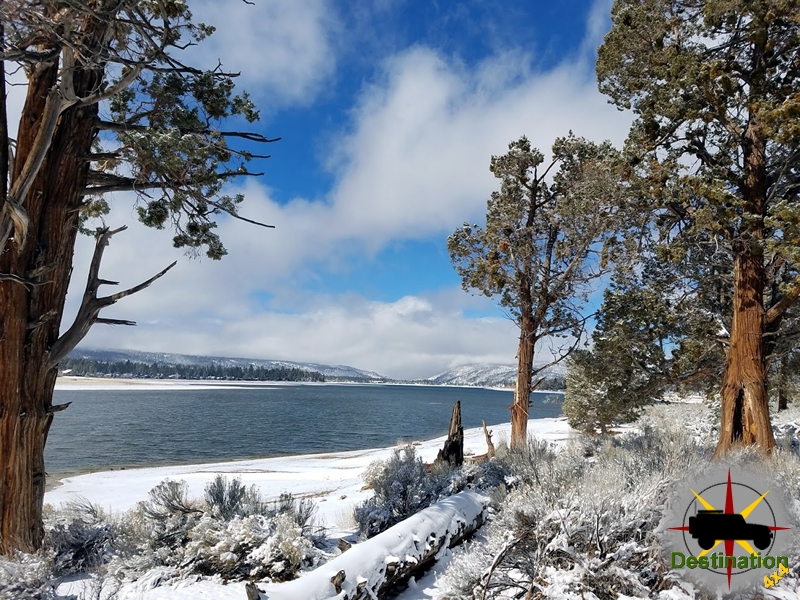
Big Bear, CA
I quiet mountain community full of back country adventure.
The Journey is the destination
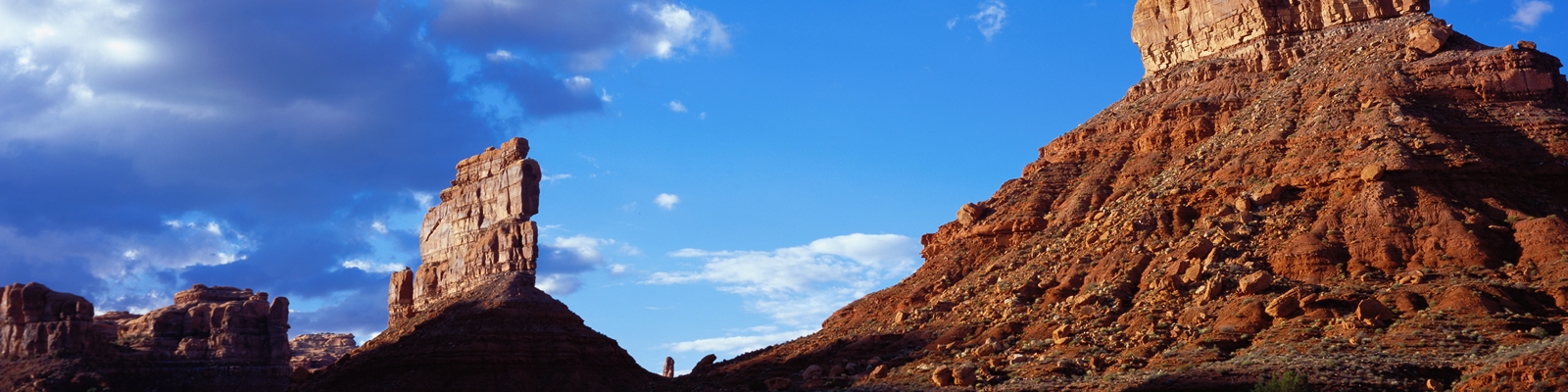
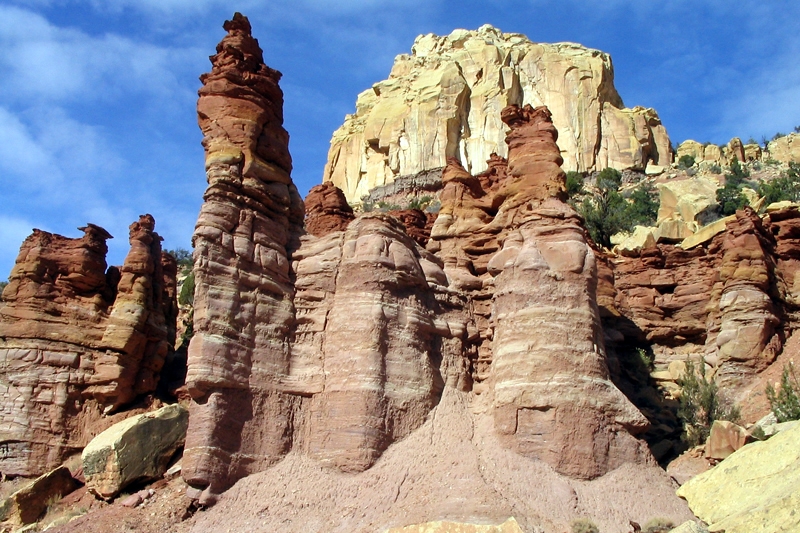
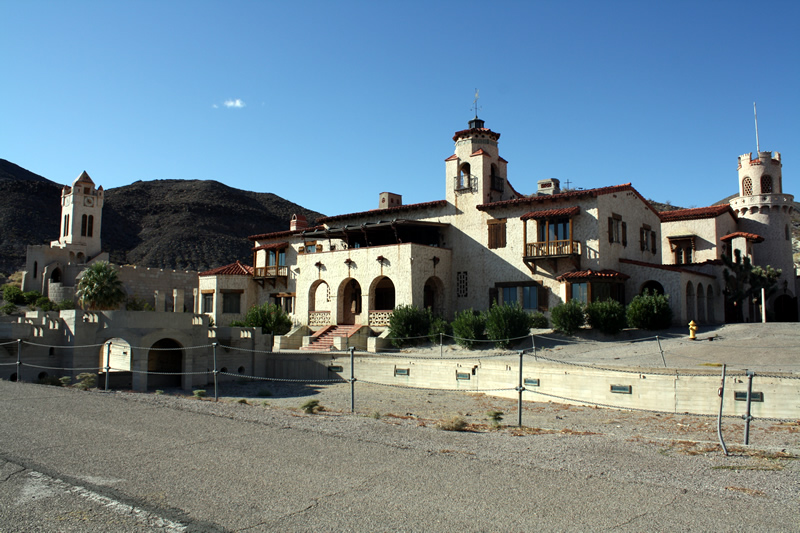

Candlestick Campground is a primitive backcountry campsite located along the iconic White Rim Trail (also known as White Rim Road) in the Island in the Sky District of Canyonlands National Park, Utah. Situated roughly 55 miles from the Island in the Sky Visitor Center (about a 7-hour drive along the trail when traveling clockwise), it is one of the more remote and secluded vehicle-accessible sites on the loop.
The single-site campground sits in a dramatic desert landscape near the distinctive Candlestick Tower (or Candlestick), a prominent sandstone monolith that rises dramatically and serves as a visual landmark. Campers enjoy expansive views of the surrounding canyons, the White Rim sandstone formation, and the nearby Green River as the trail begins to parallel it more closely in this section. The area offers a true sense of isolation amid towering cliffs, buttes, and vast open skies, making it a favorite for those seeking solitude on multi-day 4WD, motorcycle, or mountain bike adventures. The site accommodates up to 15 people and 3 vehicles (with motorbikes and trailers counting toward the vehicle limit), and all camping activities must stay within the designated boundaries.
As a designated backcountry vehicle campsite in Canyonlands, Candlestick offers very basic, primitive facilities typical of the White Rim Trail:
Visitors need to be fully self-sufficient, bringing their own water, shelter, and waste management supplies. A high-clearance 4WD vehicle with low range is required to reach the site, as the White Rim Trail includes steep sections, rocky terrain, and potential exposure. Permits are mandatory for all overnight stays and day-use on the trail.
The White Rim Trail is a roughly 100-mile unpaved loop that traverses the top of the White Rim Sandstone formation, a prominent Permian-era layer (about 280 million years old) below the Island in the Sky mesa. It offers stunning panoramic views of the Colorado and Green Rivers, towering buttes, arches, and deep canyons.
Human use of the area dates back thousands of years, with evidence of Ancestral Puebloan (Ancient Puebloan) rock art, dwellings, and granaries scattered throughout. Later, white settlers used the region for winter cattle grazing, creating interconnecting trails with their livestock.
The modern White Rim Road was primarily constructed in the 1950s by the U.S. Atomic Energy Commission (AEC) during the Uranium Boom of the Cold War era. The AEC built roads across southeast Utah (nearly 1,000 miles total) to encourage prospectors to search for uranium deposits needed for nuclear weapons production. While large uranium finds occurred elsewhere in the region, very little was successfully mined along the White Rim, and most operations were quickly abandoned. The road was later incorporated into Canyonlands National Park (established in 1964) and has since become a world-renowned destination for 4WD overlanding, jeep tours, and mountain biking. Today, it sees tens of thousands of visitors annually but remains a remote, permit-required adventure.
Note: Always check current conditions, road status, and permit requirements on the official National Park Service website (nps.gov/cany) before planning a trip, as weather, flash floods, and seasonal closures can affect access. The trail demands preparation for extreme desert conditions, self-reliance, and Leave No Trace principles.
Willow Springs Road offers a rugged, scenic route into the western edge of Arches National Park, providing a quieter, less-traveled alternative to the park’s main entrance. Stretching approximately 7.9 miles from Highway 191 to its terminus at Balanced Rock on the park’s paved road, this dirt and slickrock trail is a backdoor adventure best suited for high-clearance 4WD vehicles, mountain bikes, or determined hikers. The trail winds through a starkly beautiful desert landscape, flanked by sandstone fins, scattered boulders, and distant views of iconic formations like the Windows Section and La Sal Mountains.

Highlights include dinosaur tracks preserved in the rock, expansive vistas of the park’s backcountry, and a sense of solitude rare in this popular park. The trail is rated as easy to moderate for 4WD vehicles and bikes, with challenges like sandy washes, small rock ledges, and occasional washboard sections. Hikers face a longer, exposed journey, with no shade and minimal elevation gain (approximately 500 feet). The trail takes about 30-45 minutes by vehicle or 2-3 hours by bike, with hiking times varying based on pace and stops.
Starting from Highway 191, about 11.5 miles north of Moab (near milepost 138.6), the trailhead is marked by a sign for Willow Springs Road. The first 3.8 miles traverse UtahRaptor State Park (formerly BLM land), passing dispersed camping areas and the Klonzo Trail System, popular for mountain biking. A large sign marks the Arches National Park boundary, where park rules apply, including a required entrance fee (payable at the main entrance or online at recreation.gov). From here, the road narrows, becoming rougher with sandy and rocky sections, and continues 4 miles to Balanced Rock. A notable stop at 3.5 miles from Highway 191 is the dinosaur track site, where well-marked theropod (raptor-like) and sauropod (brontosaurus-like) footprints, dating back 165 million years, are preserved in the Entrada Sandstone. The trail ends at a paved junction, offering access to park highlights like the Windows Section and Double Arch.
For hikers, the full 7.9-mile one-way trek to Balanced Rock is a long, exposed journey best undertaken in cooler months (March–November preferred). The trail follows the road, offering firm footing on dirt and slickrock but no dedicated path. Mountain bikers find the route rewarding for its mix of hard-packed rock and sandy challenges, with stunning views of the park’s formations. Bikers should expect to dismount in deep sand sections and yield to vehicles. Both hikers and bikers should carry ample water, sunscreen, and navigation tools, as cell coverage is spotty near the park boundary. The dinosaur tracks are a must-see, marked by an interpretive sign and a short walk on slickrock.
Willow Springs Road has long served as a lesser-known gateway to Arches National Park, historically used by locals and adventurers seeking to bypass the main entrance’s crowds and toll booth. Its significance lies in its access to the park’s quieter western backcountry, offering a raw, unfiltered experience of the desert landscape. The road’s path through what is now UtahRaptor State Park (established in 2021) connects to a region rich in geologic and paleontological history. The dinosaur tracks, dating to the Jurassic period, highlight the area’s ancient past, when the region was a muddy floodplain roamed by theropods and sauropods. These well-preserved footprints, discovered along the road, are a testament to the area’s significance as a paleontological treasure trove.
Historically, the road was part of a broader network used by ranchers and early explorers, with remnants like an old shed and corral near Willow Springs Canyon hinting at past human activity. The area around Willow Springs was also a corridor for Native American migration routes, with nearby rock art sites, such as petroglyphs and pictographs, suggesting cultural significance for the Anasazi and other Indigenous groups. The road’s proximity to the Klonzo Trail System and its former status as BLM land made it a hub for dispersed camping until recent changes introduced fees and regulations under UtahRaptor State Park management. Its role as a “secret entrance” has made it a favorite among off-roaders and cyclists, though park regulations now emphasize responsible use to protect the fragile desert ecosystem, including cryptobiotic soil.
Willow Springs Road remains a unique portal to Arches, blending adventure, solitude, and a glimpse into the deep geologic and cultural history of the region, making it a cherished route for those seeking an unconventional park experience.
Tuscarora, Nevada, is a small unincorporated community in Elko County, nestled at the base of Mount Blitzen on the eastern slope of the Tuscarora Mountains, approximately 50 miles northwest of Elko. Once a bustling mining town with a population exceeding 3,000, it is now a near-ghost town with about 120 residents, known for its historical significance and the internationally renowned Tuscarora Pottery School. The town’s history is a vivid tale of gold and silver booms, cultural diversity, and resilience, shaped by prospectors, Chinese laborers, and modern-day artists.

Tuscarora’s story began in 1867 when a Shoshone Indian revealed the presence of gold to a trader along the Humboldt River. The trader shared this information with brothers John and Steven Beard, who, along with six other prospectors from Austin, Nevada, ventured to the west side of Independence Valley. By July 1867, they organized a mining district and named it Tuscarora after the USS Tuscarora, a Union warship on which one miner, Charles M. Benson, had served during the Civil War. The name also reflects the Tuscarora people, an Iroquoian Native American tribe originally from North Carolina.
The initial camp formed on McCann Creek, about two miles southwest of the present townsite, where placer mining yielded approximately $12 per miner per day. As news spread, nearly 300 miners rushed from Austin, prompting the construction of a four-room adobe fort for protection against potential Native American raids. In 1868, a four-stamp mill was relocated from Austin, but it proved inefficient. By 1869, the completion of the Central Pacific Railroad left many Chinese laborers unemployed, and over 100 of them arrived in Tuscarora, taking over abandoned placer claims on Beard Hill. By 1870, the census recorded 105 Chinese residents compared to 15 whites, highlighting the significant Chinese presence.
In 1871, W.O. Weed discovered rich silver lodes on the east side of Mount Blitzen, two miles northeast of the Beard claims, shifting the focus from gold to silver. These discoveries, including the Mount Blitzen silver veins, led to the platting of the current Tuscarora townsite below the new finds. The original McCann Creek site became known as “Old Town,” primarily worked by Chinese miners, while Euro-American miners developed the new silver mines. The Tuscarora Mining District boomed between 1872 and 1884, producing an estimated $10 million to $40 million in silver and gold.

By 1877, Tuscarora’s population swelled to 3,000–4,000, including several hundred Chinese residents. The town boasted a vibrant infrastructure with saloons, restaurants, general stores, a post office (established in 1871), two newspapers (the Tuscarora Times and Review, which merged into the Times-Review in 1878), Methodist and Catholic churches, a public school, and fraternal lodges like the Masons and Odd Fellows. Six mills with 80 stamps processed ore from major mines such as the Grand Prize, Navajo, Independence, and Argenta. The Grand Prize alone yielded over $1.39 million in its first year.
The Chinese community, concentrated in “Chinatown” along McCann Creek, operated placer mines, sold goods like tea and silks, and ran opium dens, gambling houses, and a richly decorated joss house. Chinese laborers also constructed two ditches to bring water from Six Mile Canyon and upper McCann Creek, ensuring a reliable water supply. The Tuscarora Water Company, formed in 1877, further improved water access, reducing fire risks. Toll roads connected Tuscarora to railheads in Elko, Carlin, Battle Mountain, and Winnemucca, with over 200 oxen hauling freight wagons. The 52-mile route to Elko was bustling with stagecoaches and freight, costing 2–3 cents per pound.
At its peak, Tuscarora was a cultural hub with Plunkett’s Hall hosting dances, plays, and operas on a tilting floor that could transform into an amphitheater. Social events included Fourth of July celebrations with shooting matches, baseball games, and parades led by the Tuscarora Guard. The town had progressive elements, including a polytechnic institute, skating rinks, a ballet school, and an elocution teacher. However, violence was common, with Cornish miners (“Cousin Jacks”) known for knife fights and claim-jumping disputes, such as the 1908 fatal shooting of Edward Fannoff by Joseph McGowan over a mining claim.
The boom began to fade in the early 1880s as silver production declined. By 1881, Grand Prize stock plummeted from $940 to 5 cents per share. Production fell below $50,000 annually by 1895, and many mines, including the Young America, closed in the early 1890s. The 1880 census recorded 1,400 Americans in Tuscarora, with ten mines and three mills still operating, but new discoveries elsewhere drew miners away. By 1908, the Tuscarora News suspended publication as residents left for a strike at Gold Circle. In 1917, most mining equipment was sold for scrap, marking the end of major operations.
Tuscarora remained dormant until 1987, when Fischer-Watt and Horizon reopened the Dexter Mine using open-pit methods. This operation, located south of town, threatened Tuscarora’s historic structures, but resident resistance and the mine’s unprofitability halted it by the early 1990s. Total production from 1867 to 1990 included over 500,000 ounces of gold and 7,632,000 ounces of silver.
In 1966, Dennis and Julie Parks moved to Tuscarora, establishing the Tuscarora Pottery School in a historic two-story hotel. The school, now led by Ben Parks, gained international fame, offering summer workshops that attract artists worldwide. The Friends of Tuscarora and Independence Valley, formed in the 1990s, restored the Tuscarora Society Hall, completed in 2013, as a community center and historical exhibit.
Today, Tuscarora has about 120 residents, a post office, a bar and grill, two schools, and a library branch. Visitors can explore picturesque ruins, the historic cemetery, and mine remnants, though caution is advised. The town’s high desert setting, surrounded by sagebrush, aspen, and public lands, offers hiking, biking, and a swimming hole. Tuscarora’s resilience is evident in its survival through busts, modern mining threats, and environmental challenges like Mormon cricket invasions.
Tuscarora’s history reflects the boom-and-bust cycle of Nevada’s mining towns, enriched by its diverse population and cultural contributions. From its Shoshone origins to its silver-fueled heyday and artistic revival, Tuscarora remains a testament to the enduring spirit of the American West. Its cemetery, with wooden markers and restored headstones, and the Pottery School stand as reminders of a town that, as locals say, “never died.”
Nevada State Historical Markers identify significant places of interest in Nevada’s history. The Nevada State Legislature started the program in 1967 to bring the state’s heritage to the public’s attention with on-site markers. These roadside markers bring attention to the places, people, and events that make up Nevada’s heritage. They are as diverse as the counties they are located within and range from the typical mining boom and bust town to the largest and most accessible petroglyph sites in Northern Nevada Budget cuts to the program caused the program to become dormant in 2009. Many of the markers are lost or damaged.
Most of the markers across the state are large blue metal markers. However, there are a variety of other marker styles out there. For this guide they have been simplified into a few categories (blue, blue small, concrete, and stone). Sometimes, the markers are on buildings, fences, or metal stands.
Tuscarora
This colorful historic camp originated with an 1867 discovery of placer gold by John and Steve Beard. In 1871, W.O. Weed discovered the rich Mount Blitzen silver lodes, two miles northeast of the Beard claims. These and other mines made up the Tuscarora Mining District, which experienced its boom between 1872 and 1884 and ultimately produced between $10 million and $40 million.
At its peak, Tuscarora boasted a population of over 3,000, which included several hundred Chinese. The Chinese mostly conducted placer mining at the Beard discovery site, later called Old Town while the main camp developed at the present location of Tuscarora, platted in 1871. Toll roads, crowded with stage coaches and long strings of heavy freight wagons, serviced the camp from railheads at Elko, Carlin, Battle Mountain and Winnemucca. Tuscarora residents shifted their work between mining gold and silver, and ranching in Independence Valley.
By 1895, Tuscarora’s production had diminished greatly from its boom days to below $50,000 annually. The camp struggled until 1917, when most of the mining equipment was sold for scrap. This ended operations at Tuscarora until 1987, when Fischer-Watt and Horizon re-opened the Dexter Mine.
STATE HISTORICAL MARKER No. 48
STATE HISTORIC PRESERVATION OFFICE
NORTHEASTERN NEVADA HISTORICAL SOCIETY
| Name | Tuscarora, Nevada |
| Location | Elko County, Nevada |
| Latitude, Longitude | 41.2805, -116.1138 |
| Nevada State Historic Marker | 48 |
Samuel C Mills (1833–1911) was a Washington, D.C.-born photographer who documented James H. Simpson’s 1858–1859 expedition across the Great Basin, including White Pine County, Nevada, capturing some of the earliest photographs of the Oregon and California Trails and Native American subjects, before transitioning to a career as a police judge and temperance advocate.

Samuel C Mills was born on October 8, 1833, in Washington, D.C., to John and Mary Mills. Growing up in the capital, he worked in his father’s shoe factory as a young man, gaining practical experience but showing early interest in the emerging field of photography. In 1856, at age 23, Mills joined the photography studio of Blanchard P. Paige on Pennsylvania Avenue, where he honed his skills in portraiture and wet-plate collodion photography, a complex process requiring glass negatives and immediate development.

Mills’ most notable contribution came during his role as expedition photographer for Captain James H. Simpson’s 1858–1859 survey of the Central Route across the Great Basin, including White Pine County, Nevada (as referenced in prior conversation). Hired in March 1858 at $40 per month, with Edward Jagiello as his assistant at $25 per month, Mills was tasked with documenting the expedition’s journey from Fort Leavenworth, Kansas, to Camp Floyd, Utah, to map a wagon road for military and emigrant use during the Utah War.
The expedition departed on May 31, 1858, after Mills and Jagiello tested their equipment at Fort Leavenworth, producing early views of an artillery battery and three surviving photographs of the fort’s buildings. Simpson instructed Mills to capture “as many prominent scenes as possible,” including Fort Kearney, Court House Rock, Chimney Rock, Fort Laramie, and Ash Hollow, emphasizing topographical and geological features for the expedition’s report. On July 25, 1858, a team member noted Mills photographing Court House Rock, highlighting his active role.
At Camp Floyd, Mills and Jagiello set up a makeshift darkroom, producing paper prints from glass negatives, including views of the sprawling military garrison, then the largest in the U.S. Mills also photographed a Ute delegation led by Chief Arapeen on January 20–21, 1859, capturing a group portrait and a solo image of Arapeen, some of the earliest photographic records of Native Americans in the region. However, Simpson grew frustrated with Mills’ drinking habits, which impaired his duties. After multiple warnings, Simpson dismissed Mills on January 19, 1859, but reinstated him with a stern admonition following Mills’ plea for another chance. Concerns over dwindling photographic chemicals further limited Mills’ output.
The expedition returned to Washington, D.C., in September 1859, with no known photographs from the return journey, suggesting the camera was packed away. The delicate glass negatives were likely delivered to the War Department, though their ultimate fate is unknown. Mills’ employment ended upon the expedition’s conclusion, leaving behind the earliest surviving photographic record of the Oregon and California Trails.
Returning to Washington, Mills resumed work at Paige’s studio, photographing soldiers as the Civil War began in 1861. In 1864, he enlisted in the Union Army as a hospital steward, serving until the war’s end in 1865. After the war, Mills returned to photography but began studying law, passing the bar in 1872. His legal career soon overshadowed his photographic work, marking a shift from his earlier artistic pursuits.
In 1872, Mills was appointed a police judge in Washington, D.C., a position he held for the rest of his career. His experiences with alcohol during the Simpson expedition may have influenced his commitment to temperance, leading him to found the Sons of Jonadab, a temperance organization. Mills was also an active member of the Grand Army of the Republic, a Union veterans’ group, and the Masonic Order, reflecting his civic engagement. He died on October 7, 1911, and was buried in Congressional Cemetery in Washington, D.C.
Samuel C Mills is best remembered for his 1858–1859 photographs, which provide a rare visual record of the Oregon and California Trails and early Great Basin exploration. His work with Simpson’s expedition, despite challenges with alcohol and limited supplies, captured key landmarks and Native American subjects, contributing to the historical documentation of White Pine County and the broader American West. While his later career in law overshadowed his photography, Mills’ images remain a valuable resource for historians studying 19th-century exploration and frontier life.
James Hervey Simpson (1813–1883) was a U.S. Army topographical engineer whose 1859 survey of the Central Route across the Great Basin, including White Pine County, Nevada, facilitated mail, stage, and telegraph lines, laying the groundwork for the region’s mining development.
James Hervey Simpson was born on March 9, 1813, in New Brunswick, New Jersey, to John Simpson and Mary Brunson. He graduated from the United States Military Academy at West Point in 1832, ranking 27th in his class, and was commissioned as a second lieutenant in the 3rd U.S. Artillery. Simpson served in the Second Seminole War in Florida, earning a promotion to first lieutenant in 1837. In 1838, he transferred to the newly formed U.S. Army Corps of Topographical Engineers, a specialized unit tasked with mapping and infrastructure development, setting the stage for his later contributions in the American West.
Simpson’s first major Western expedition came in 1849, when he surveyed a road from Fort Smith, Arkansas, to Santa Fe, New Mexico, under Colonel John James Abert. During this expedition, he also participated in a punitive raid against the Navajo, collaborating with artists Edward and Richard Kern to document the journey through watercolors, oils, and maps. From 1849 to 1850, he served as Chief Topographical Engineer for the Ninth Military Department in Santa Fe. After a six-month sick leave, Simpson was assigned to Minnesota from 1851 to 1856, overseeing road improvements, and was promoted to captain in 1853. Between 1856 and 1858, he worked on coastal surveys in Florida, honing his skills in precise mapping and engineering.
Simpson’s most significant contribution to White Pine County, Nevada, occurred during his 1858–1859 expedition to survey a wagon road across the Great Basin, known as the Central Route. Ordered to support the Utah War, Simpson arrived at Camp Floyd, Utah, in August 1858. On October 19, he began a preliminary reconnaissance into the Great Salt Lake Desert, followed by a major expedition starting May 2, 1859, with 64 men, including photographer Samuel C. Mills, who produced some of the earliest photographs of the region’s features. The expedition aimed to establish a shorter, more efficient route from Camp Floyd to Fort Bridger and onward to California, passing through what would later become White Pine County.
Simpson’s Central Route traversed the Great Basin, including areas near present-day Ely, Nevada, and mapped key landmarks such as the Simpson Park Mountains, named in his honor. His meticulous surveys identified water sources, grazing areas, and viable paths, making the route viable for mail, freight, and passenger transport. In White Pine County, the route crossed the Egan Range and Steptoe Valley, areas later integral to the region’s mining economy. The 1859 Report of Explorations across the Great Basin, published in 1876, detailed his findings, including geological observations, topographical maps, and notes on Native American tribes. This work established the Central Route as a critical artery, adopted by George Chorpenning’s mail and stage line, the Pony Express in 1860, and the Transcontinental Telegraph in 1861, until the Transcontinental Railroad rendered it obsolete in 1869.
While Simpson’s work predated the major mining booms in White Pine County (e.g., Ward in 1872, Taylor in 1873, and Osceola in 1872, as noted in prior conversations), his Central Route laid the groundwork for later economic development. The route facilitated access to the region, enabling prospectors and settlers to reach the remote mining districts. The Simpson Springs Pony Express Station, located in Utah but part of his surveyed path, underscores his influence on regional connectivity. His surveys also provided early documentation of White Pine County’s terrain, which later supported the Nevada Northern Railway’s expansion under Mark Requa (as discussed in prior conversation), connecting Ely’s copper mines to national markets after 1906.
During the Civil War, Simpson served as colonel of the 4th New Jersey Volunteer Infantry and was captured at the Battle of Gaines’s Mill in 1862. After being paroled, he resigned his volunteer commission and reverted to his regular rank of major in the Corps of Topographical Engineers. He was assigned to the Department of the Ohio, overseeing fortifications in Cincinnati. In 1865, he was brevetted lieutenant colonel and colonel for meritorious service. After the war, Simpson was promoted to major in 1863 and served as chief engineer of the Interior Department, overseeing infrastructure projects, including aspects of the Transcontinental Railroad’s construction, which ultimately superseded his Central Route. He retired to St. Paul, Minnesota, in 1880 and died there on March 2, 1883, at age 69.
Simpson’s legacy in White Pine County lies in his pioneering survey of the Central Route, which enhanced accessibility and set the stage for the region’s mining boom. The Simpson Park Mountains in central Nevada, the Simpson Mountains in Utah, and Simpson Springs Pony Express Station bear his name, reflecting his lasting impact. His 1859 expedition reports, enriched with Kern brothers’ artwork and Mills’ photographs, remain valuable historical records of the Great Basin’s geography and Native American cultures. While the Nevada Northern Railway, established later by Mark Requa, became the region’s primary transportation artery, Simpson’s earlier work provided critical groundwork for White Pine County’s integration into national trade and communication networks.
James Hervey Simpson’s contributions to White Pine County, though less celebrated than those of later figures like Mark Requa, were foundational to its development. His 1859 survey of the Central Route opened the Great Basin to reliable travel and commerce, enabling the mining booms that defined White Pine County’s history. As a topographical engineer, Simpson combined scientific precision with practical vision, leaving a legacy preserved in place names, historical records, and the region’s enduring connectivity to the broader American West.