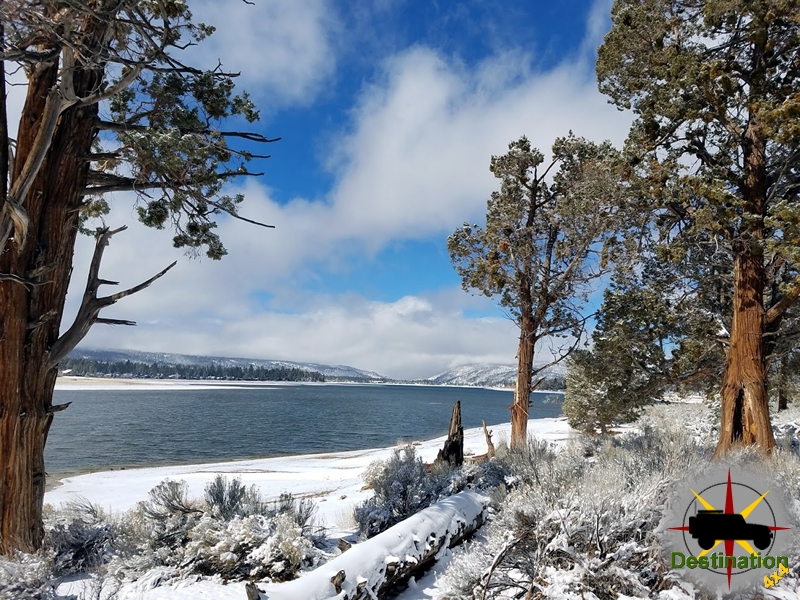
Big Bear, CA
I quiet mountain community full of back country adventure.
The Journey is the destination
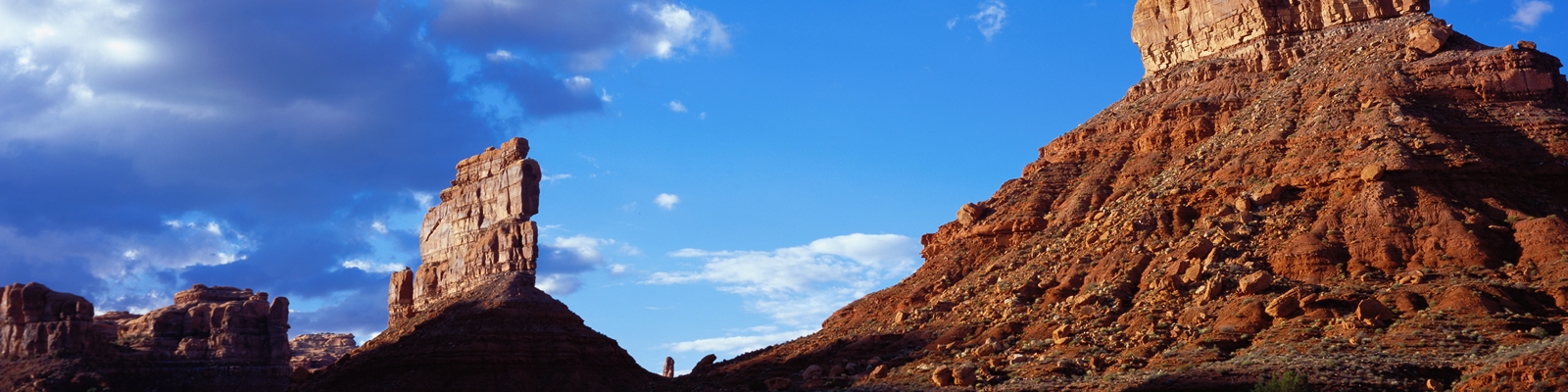

Applewhite Campground is a charming, no-frills forested campground nestled in Lytle Creek Canyon within California’s San Bernardino National Forest. Located about three miles north of the Lytle Creek Ranger Station (roughly 487-490 Lytle Creek Road, Lytle Creek, CA 92358), it’s an easy getaway for Southern Californians—especially those in the LA/Inland Empire area—offering a refreshing mountain escape just an hour or two from the city bustle.
The campground sits in a scenic canyon with Lytle Creek flowing right across the street at the adjacent Applewhite Picnic Area (note: the picnic area has faced closures due to storm damage or seasonal issues). Towering trees provide good shade for many sites, and the surrounding hills create a tranquil, natural vibe. Sites are spread out with generous spacing, giving a sense of privacy uncommon in many popular campgrounds. There are two loops: the Upper Loop often praised for better canyon views, and the Lower Loop offering more shade and spacious sites.
Each of the 44 single-family sites (plus a few double sites) includes:
Maximum occupancy is typically 8 people and 2 vehicles per site. Quiet hours run from 10 PM to 6 AM.
Applewhite keeps things basic but functional:
Recent reviews mention that during water outages, portable toilets are provided. Conditions can vary, so it’s wise to verify via Recreation.gov before heading out.
Applewhite is ideal for relaxed outdoor recreation rather than high-adrenaline thrills:
It’s a family-friendly spot perfect for beginners, with a low-stress atmosphere and plenty of space for kids to roam safely.
Pros:
Cons:
Applewhite Campground earns solid marks as a convenient, scenic basecamp for anyone seeking an accessible mountain getaway. It’s not luxury glamping, but that’s part of its charm—simple, affordable, and surrounded by nature. Whether you’re looking for a quick weekend tent trip, family bonding by the creek, or a launching pad for day hikes and OHV adventures, it delivers. Just come prepared with water, check conditions, and embrace the unplug-and-relax vibe. Highly recommended for Southern California campers wanting quality time outdoors without a long drive.
Reservations are strongly advised, especially in peak seasons. Check the latest alerts on Recreation.gov or the San Bernardino National Forest site. Enjoy your stay!

The Borate and Daggett Railroad, a 3-foot narrow-gauge railway operational from 1898 to 1907 in California’s Mojave Desert, was a critical infrastructure project for the borax industry. Stretching 11 miles from Daggett to the Borate mining camp, it replaced inefficient mule teams, significantly reducing transportation costs for colemanite borax. Built by the Pacific Coast Borax Company under Francis Marion Smith, the railroad featured innovative engineering, including Heisler locomotives and a roasting mill for on-site ore processing. Despite its success, declining ore quality and the discovery of richer deposits elsewhere led to its abandonment in 1907.

The borax industry gained prominence in the late 19th century due to the mineral’s applications in detergents, glass, and metallurgy. In 1883, colemanite deposits were discovered in the Calico Mountains, acquired by William Tell Coleman, who relied on twenty-mule teams to transport borax to railheads. After Coleman’s bankruptcy in 1890, Francis Marion Smith, the “Borax King,” took over, forming the Pacific Coast Borax Company. By 1899, the renamed Borate mine was the world’s largest, producing 22,000 short tons annually. The high cost and slow pace of mule teams necessitated a more efficient transport solution, leading to the railroad’s construction.
Completed in 1898, the Borate and Daggett Railroad was a 3-foot narrow-gauge line designed to navigate the Calico Mountains’ 7% grades. The 11-mile route connected the Borate mine to Daggett, a Santa Fe mainline hub. Two Heisler steam locomotives, “Marion” and “Francis,” powered the line, leveraging geared drive systems for steep terrain. A roasting mill at the midpoint, named Marion, processed ore into burlap bags, and a third rail facilitated transfers to standard-gauge boxcars. The narrow gauge design and Heisler technology minimized costs while ensuring reliability in the harsh desert environment.
![Borate & Daggett Heisler locomotive #2 "Francis" (s/n 1026), at Daggett, California in 1910. The locomotive helped to construct the Death Valley Railroad in 1913, before being sold to the Nevada Short Line Railway in 1916 where it retained its number #2.[4] It ended its days working for the Terry Lumber Company (later Red River) at Round Mountain, California until about 1925.](https://i0.wp.com/www.destination4x4.com/wp-content/uploads/2025/05/Borate__Daggett_No._2_Francis_stored_at_Daggett_CA.png?resize=796%2C370&ssl=1)
From 1898 to 1904, the railroad was integral to the Pacific Coast Borax Company’s operations, transporting large colemanite volumes at lower costs than mule teams. The Marion mill enhanced efficiency by processing ore on-site. The railroad bolstered
Daggett’s role as a regional hub, supporting jobs and infrastructure. However, narrow gauge limitations, such as small train capacities, occasionally constrained output. At its peak, the railroad underpinned Borate’s status as the world’s leading borax mine, driving economic growth in the Mojave Desert.

By 1904, Borate’s colemanite quality declined, prompting Smith to focus on richer deposits at the Lila C. Mine in Death Valley. The Tonopah and Tidewater Railroad, completed in 1907, served the new mine, rendering the Borate and Daggett Railroad
obsolete. Mining at Borate ceased in 1907, and the railroad was abandoned. Rails were scrapped, and equipment was left in Daggett or repurposed for the Death Valley Railroad. The Heisler locomotives were later sold to the Forest Lumber Company in Oregon until they closed in 1939.
The Borate and Daggett Railroad demonstrated the efficacy of narrow-gauge systems for mineral transport, influencing projects like the Death Valley Railroad. Its equipment reuse and documented history, including photographs and railbeds, preserve its legacy . The railroad exemplifies the interplay of technology and economics in the borax industry, highlighting the transient nature of resource-driven infrastructure in the American West.
| Name | Borate and Daggett Railroad |
| Location | Mojave Desert, San Bernardino, California |
| Length | 11 miles |
| Gage | Narrow Gauge – 3 feet (914 mm) |
| Operational |

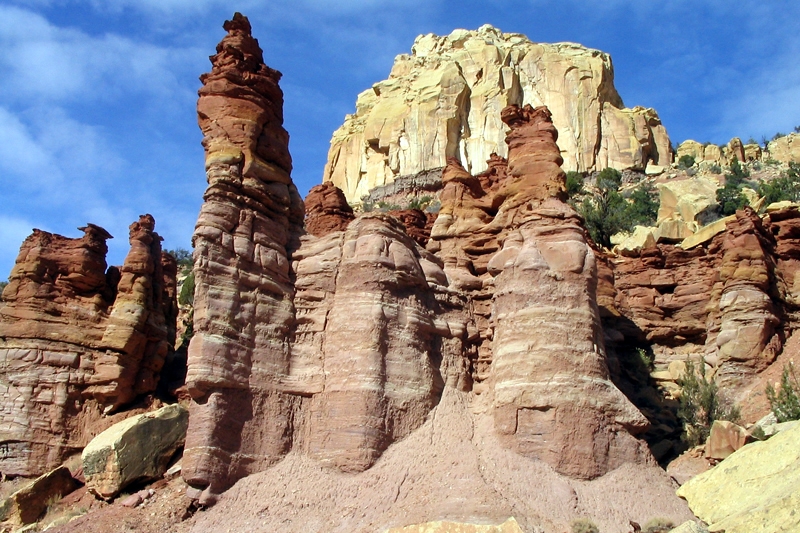
Needles Campground, also known as Squaw Flat Campground, is the primary developed camping area within the Needles District of Canyonlands National Park in southeastern Utah. Situated about 3 miles west of the Needles Visitor Center along the main park road (UT-211), it provides a convenient base for exploring the district’s iconic sandstone spires, hiking trails, and backcountry routes. The campground is open year-round and offers a rustic desert camping experience amid red rock formations, piñon-juniper woodlands, and expansive views of the surrounding canyons. It’s ideal for tent campers, small RVs (up to 28 feet in length due to tight turns and limited maneuvering space), and groups seeking immersion in the park’s remote beauty, though it lacks modern conveniences like hookups or showers to preserve the natural environment.
The campground features 26 individual sites divided into two loops (A and B), plus three group sites for larger parties. Loop A operates on a first-come, first-served basis year-round, while Loop B allows reservations during peak seasons (March 15–June 30 and September 1–October 31) up to six months in advance via Recreation.gov. Group sites accommodate 11–50 people and are also reservable. Each individual site includes a picnic table, fire ring with grill, and space for up to 10 people and 2 vehicles. Amenities are basic: vault toilets are available, but there is no potable water on-site (visitors must fill up at the visitor center), no electricity, no dump station, and no showers. Trash and recycling collection is provided, and firewood gathering is prohibited—bring your own or purchase it locally. Generator use is restricted to specific hours (typically 8 a.m.–10 a.m. and 4 p.m.–8 p.m.) to minimize noise.
Fees are $20 per night for individual sites and range from $90 (11–20 campers) to $135 (21–30 campers) for group sites, with a $10 discount for holders of Interagency Senior or Access passes. Check-in is after 8:30 a.m., and check-out is by 10 a.m., with a 7-day camping limit during peak seasons. Reservations can fill quickly, especially in spring and fall when temperatures are mild (daytime highs 60–80°F), so booking early is recommended; otherwise, arrive early for first-come sites. Regulations emphasize low-impact practices: pets must be leashed (and are not allowed on trails), quiet hours are 8 p.m.–8 a.m., and all food must be stored properly to avoid attracting wildlife like ravens or rodents. Visitors should prepare for extreme weather—hot summers (over 100°F with no shade), cold winters (below freezing), and potential flash floods—and carry ample water (at least 1 gallon per person per day). The campground’s proximity to trails like Chesler Park and Elephant Hill makes it a hub for day hikes, but its remote location (75miles from Moab) means no nearby services; stock up on supplies in Monticello or Moab..
The Needles District, encompassing the southeastern portion of Canyonlands National Park, is renowned for its striking landscape of multicolored sandstone spires, towers, and fins formed from Cedar Mesa Sandstone, creating a maze-like terrain of red-and-white banded rock formations that resemble needles piercing the sky. Covering about 74 square miles, it’s the most accessible yet least crowded district of the park, located roughly 40 miles south of Moab or 14 miles north of Monticello via US-191, then 35 miles west on the paved UT-211 (which dead-ends in the park). The area features dramatic canyons, grassy meadows like Chesler Park, ancient ruins, and panoramic overlooks such as Confluence Overlook, where the Green and Colorado Rivers meet. Elevation ranges from 4,500 to 6,000 feet, supporting sparse desert vegetation including yucca, prickly pear cactus, and piñon pines, with wildlife like bighorn sheep, coyotes, and golden eagles commonly spotted.
Activities center on exploration: over 60 miles of hiking trails (from short loops like Slickrock Foot Trail to multi-day backpacks into Salt Creek), 50 miles of challenging four-wheel-drive roads (e.g., Elephant Hill, one of the toughest in Utah with steep switchbacks and rock ledges), and rock climbing on the sandstone features. Backcountry permits are required for overnight stays outside developed areas, and ranger-led programs (evening talks at the campground April–June and September–November) educate on geology, ecology, and history. The Needles Visitor Center, open spring through fall, provides exhibits, maps, permits, and a year-round water filling station. The district’s remoteness fosters solitude, but visitors must prepare for limited cell service, no fuel or food in the park, and variable weather—flash floods in monsoon season (July–September) or snow in winter.
Human history in the Needles spans over 10,000 years, beginning with Paleoindians who hunted big game and gathered plants in the post-Ice Age era. By 2,000 years ago, Ancestral Puebloans (formerly called Anasazi) thrived here, farming corn, beans, and squash in the fertile canyons, constructing granaries, dwellings, and rock art panels (petroglyphs and pictographs) that remain visible today, such as at Tower Ruin or Newspaper Rock nearby. These peoples left around 1300 CE due to drought or resource depletion, with later Ute, Paiute, and Navajo groups using the area seasonally. European exploration began in the 19th century, notably with John Wesley Powell’s 1869 and 1871 expeditions down the Green and Colorado Rivers, which mapped the canyons but bypassed much of the Needles interior.
In the early 20th century, cowboys grazed cattle in the grassy parks, and the 1950s uranium boom brought prospectors who built primitive roads (now used for 4WD trails) while searching for ore, inadvertently opening the area to outsiders. The park’s creation stemmed from the 1950s advocacy of Bates Wilson, superintendent of nearby Arches National Monument, who explored the Needles in 1959 and pushed for protection amid growing interest in desert preservation under President Kennedy’s administration. Canyonlands National Park was established on September 12, 1964, by President Lyndon B. Johnson, encompassing the Needles as one of its three districts (along with Island in the Sky and The Maze). Early controversies in the 1960s–1970s centered on development: initial plans for extensive roads (e.g., to Chesler Park) clashed with wilderness advocates, leading to limited access and a focus on backcountry preservation. Today, the Needles embodies this balance, protecting cultural sites under the Antiquities Act while offering low-impact recreation, with ongoing efforts to collaborate with Tribal nations on heritage management.

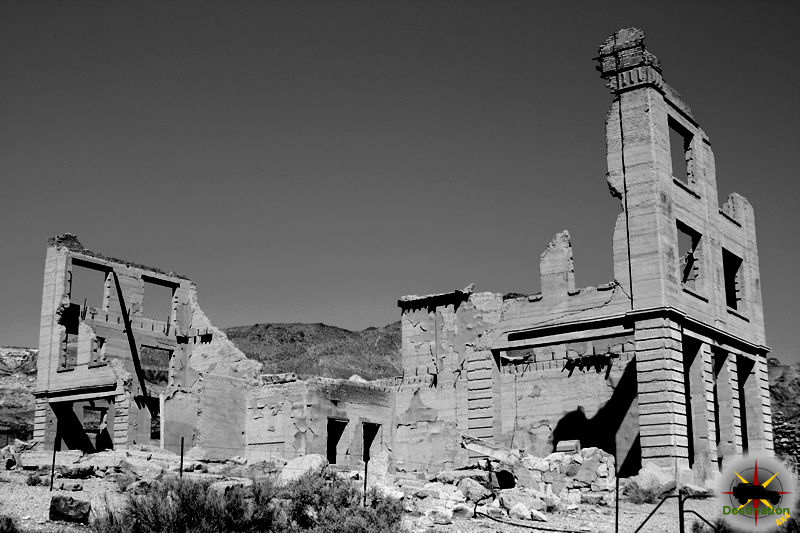
The Bullfrog Miner was a weekly newspaper that served the burgeoning mining communities of the Bullfrog Mining District in Nye County, Nevada, during the early 20th century. Published between 1905 and 1909, the newspaper chronicled the rapid rise and eventual decline of the region’s gold and silver mining boom, providing a vital source of local news, mining updates, and community developments. This report explores the historical context, publication details, content, and significance of The Bullfrog Miner, drawing on available archival information.
The Bullfrog Mining District, located in the Bullfrog Hills of southern Nevada, emerged as a significant mining hub following the discovery of gold in 1904. The initial strike sparked a rush that led to the establishment of settlements such as Bullfrog, Rhyolite, and Beatty. By 1905, the region was bustling with activity, with an estimated 3,000 residents, numerous mining companies, and infrastructure developments like railroads and telegraph lines. The economic prosperity, however, was short-lived, as the San Francisco earthquake of 1906 and subsequent financial challenges led to a decline in mining activity by 1909.
The Bullfrog Miner was launched at the peak of this boom to serve the informational needs of the district’s residents, miners, and investors. It competed with other local newspapers, such as the Rhyolite Herald and the Beatty Bullfrog Miner, in a region where media played a critical role in promoting optimism and attracting investment.
A notable error in the newspaper’s publication occurred in the January 12, 1906, issue, which was misdated as January 12, 1905, likely due to a typesetting mistake.
The Bullfrog Miner covered a wide range of topics relevant to the mining district:
The newspaper also reflected the competitive dynamics of the region. As Rhyolite emerged as the district’s metropolis, The Bullfrog Miner relocated there, and its coverage increasingly focused on Rhyolite’s growth, including the construction of major buildings like the Overbury building and the establishment of a miners’ union hospital.
The Bullfrog Miner was more than a local news outlet; it was a cultural and economic artifact of the Bullfrog Mining District’s brief but intense boom. Its significance lies in several areas:
The Bullfrog Miner’s closure in September 1909 was emblematic of the broader decline of the Bullfrog Mining District. Several factors contributed to its demise:
The Bullfrog Miner was a vital voice of the Bullfrog Mining District during its brief but vibrant existence. From its first issue in 1905 to its final publication in 1909, it documented the hopes, achievements, and challenges of a community driven by the promise of gold and silver. While its optimistic reporting could not forestall the district’s decline, the newspaper remains a valuable historical resource, offering a window into Nevada’s mining frontier. Researchers can access its microfilm archives to explore the stories of a boomtown era that shaped the region’s identity.

Bishop Park Campground is a scenic, high-elevation campground in Inyo National Forest along the Middle Fork of Bishop Creek, just west of the town of Bishop, California. Situated at approximately 8,400 feet in the beautiful Bishop Creek Canyon of the Eastern Sierra Nevada, it offers a serene alpine setting with grassy lawns, direct creek access, and many walk-in tent sites right along the water.
The campground is popular with families, anglers, and outdoor enthusiasts due to its peaceful creekside location, proximity to trailheads into the John Muir Wilderness, and easy access to nearby lakes and attractions. It features a mix of sites, though it is best suited for tents and smaller RVs (large rigs and trailers are generally not recommended). Many sites have beautiful views of the surrounding mountains and aspen groves, which turn vibrant in the fall.
Bishop Park Campground typically includes the following facilities:
No hookups, showers, or dump stations are available. Reservations are strongly recommended (often required) through Recreation.gov, especially during peak summer months. Firewood may be available for purchase, and camp hosts are usually on site.
The campground and surrounding area support a wide range of outdoor recreation:
The Eastern Sierra around Bishop Park is rich in biodiversity. Common and notable wildlife includes:
Note: Always practice bear safety—keep a clean camp and use provided bear boxes. Pets must be leashed, and feeding wildlife is prohibited.
Bishop Park Campground makes an ideal base for exploring the Eastern Sierra’s natural wonders, combining convenient amenities with immersive wilderness access. It’s especially lovely in summer for escaping valley heat and in autumn for fall foliage. Always check current conditions, fire restrictions, and availability on Recreation.gov or the Inyo National Forest website before planning your trip.