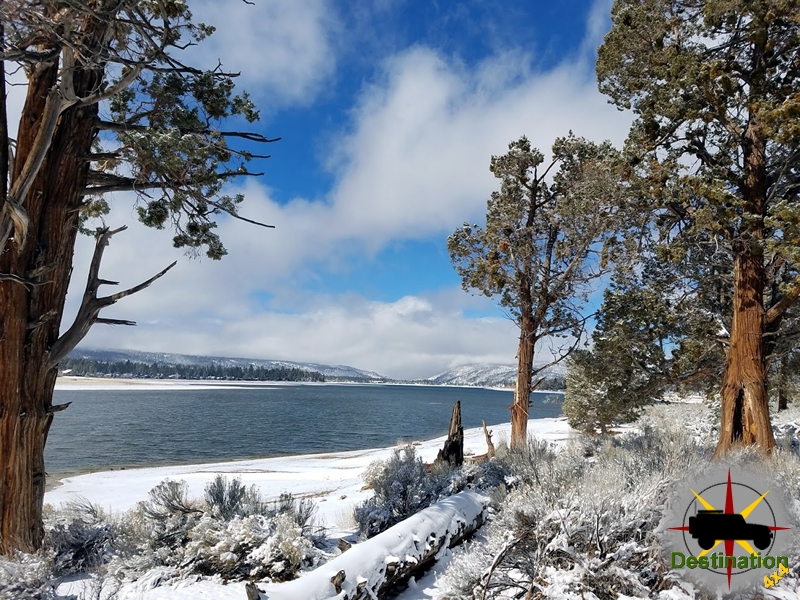
Big Bear, CA
I quiet mountain community full of back country adventure.
The Journey is the destination
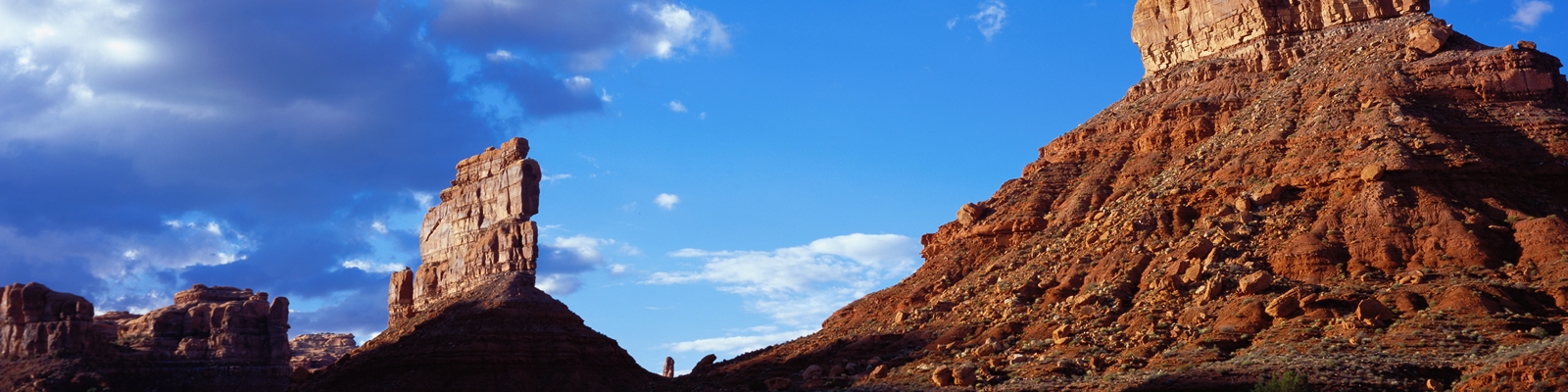
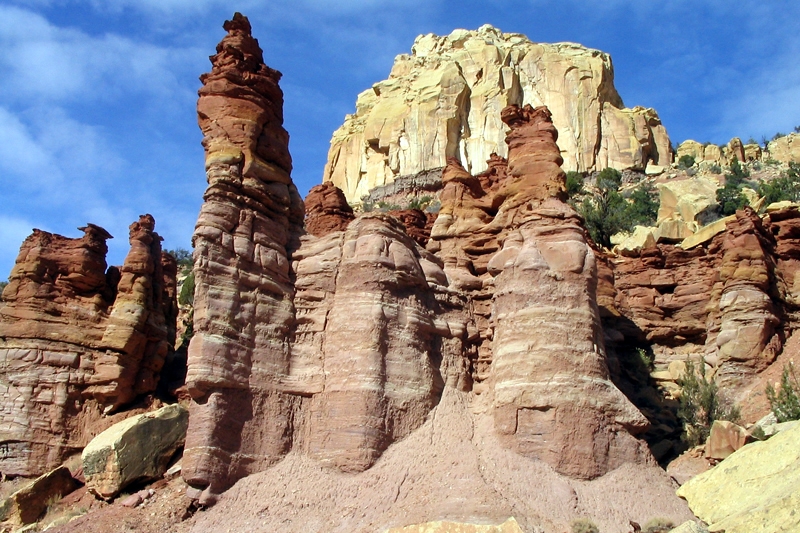
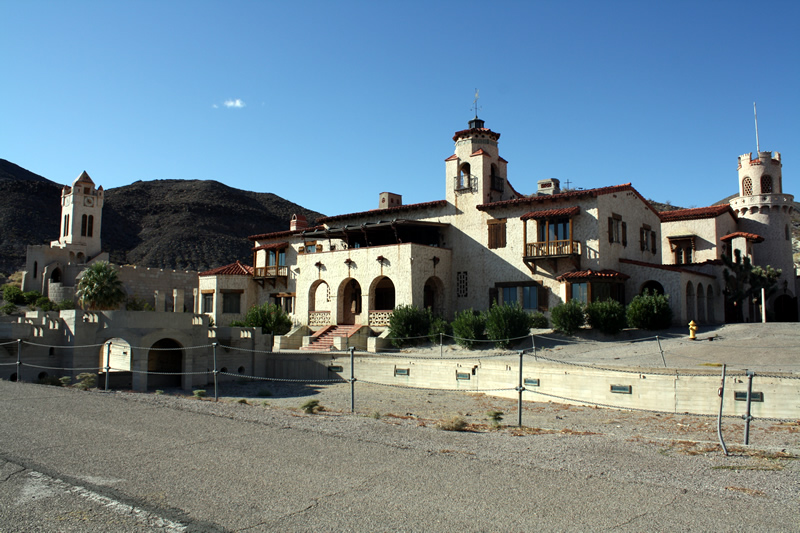
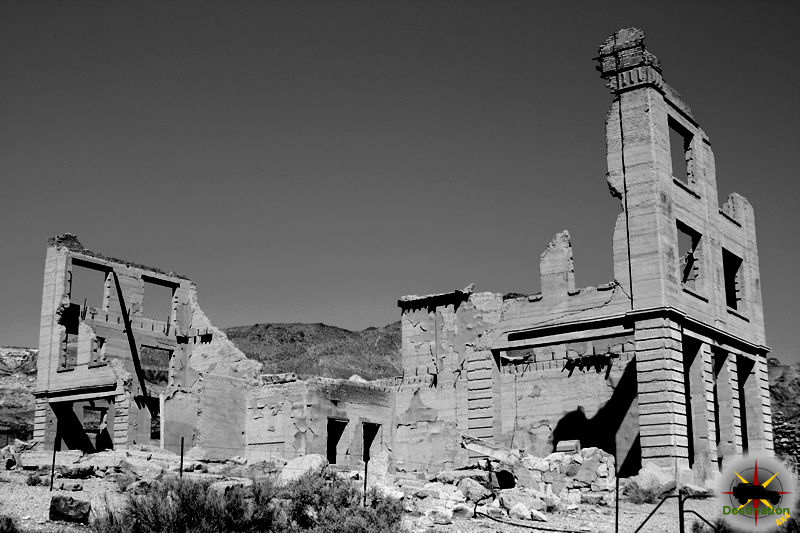
Goler Wash and Mengel Pass over a route into Butte Valley from Panamint Valley. Although not technically in Death Valley, this trail is consider part of the area. Trail conditions vary from easy to difficult depending upon recent rainfall, with one section near Mengel pass being difficult.
The route twists and turns through a narrow valley, until it opens a bit into Goler wash itself. There is a short side trip to Baker Ranch and Meyer Ranch which was the one time, although short lived home of Charles Manson and his family prior to their arrest by Inyo County Sheriffs Department in October of 1969. Manson and others were responsible for the famous Tate – La Bianca murders in Los Angeles, California. Mason and his family drove a school bus up to Barker Ranch. The ranch was used as a mining and recreational property before Manson.

Barker Ranch is originally built in the 1930s by Bluth and Helen Thomason who were attempting mining operations at the site. They built a small stone building in the 1940’s and a windmill generated electricity. In 1955 the property was purchased by Jim and Arlene Barker. The Barkers expanded the original stone build for Barker family gatherings. In 1969, over the period of two days Charles Manson and his “family” are pursed and arrested. The arresting officer was CHP Officer Jim Jim Pursell.
In 2009, Barker Ranch is destroyed by a fire which tore though the dry wood of the buildings.

Follow the trail up to Megel pass, which offers the explorer access to Butte Valley, Megel’s Cabin, the Geologists Cabin and Russell’s camp.
James Stuart Cain (April 17, 1853 – October 28, 1938) was a business man and entrepreneur who lived and worked in the mining town of Bodie, California.
James Stuart Cain was born on April 17, 1853, in Rockburn, Lower Canada (now Québec, Canada), to David Cain and Jennet Stuart, both of Irish descent. Raised in a Church of Scotland household, James grew up in Huntingdon East, Quebec, alongside his six siblings: Isaac, Elizabeth, Catherine, Ellen, Euphemia, and Jemima. His early life was rooted in a rural Canadian community, where he was baptized in Valleyfield in 1855. By 1871, at age 18, James was still living with his family, preparing for a life of opportunity beyond the confines of his hometown.
At the age of 25, James Stuart Cain arrived in Bodie, California, a booming gold-mining town, in 1878. Seeking fortune in the rugged American West, Cain quickly established himself as a shrewd entrepreneur. One of his first ventures was transporting timber across Mono Lake to Bodie, a critical resource for mine shoring, construction, and fuel. This lumber business laid the foundation for his growing empire, as wood was essential for Bodie’s mines, steam engines, homes, and daily life.
Cain’s ambition extended beyond timber. Partnering with a business associate, he leased a mining claim from the Standard Consolidated Mining Company, extracting $90,000 in gold in just 90 days—an extraordinary sum at the time. When the company refused to renew the lease, Cain leveraged legal action to gain control of the mill, further solidifying his wealth and influence. His mining ventures included serving as president of the Southern Consolidated Mining Company, demonstrating his ability to navigate the competitive and often cutthroat mining industry.
By 1890, Cain had purchased the Bodie Bank from E.L. Benedict, a pivotal move that expanded his financial control over the town. He began acquiring properties throughout Bodie, eventually owning a majority of the town by the time California State Parks took over in the 20th century. His business acumen transformed him into one of Bodie’s richest and most powerful figures, with interests spanning mining, banking, and real estate. The J.S. Cain House, his residence, became a symbol of his prominence and is now a preserved landmark in Bodie’s historic district.
Cain’s enterprises were not without challenges. Bodie’s harsh environment, coupled with the volatile nature of mining towns, demanded resilience and adaptability. Yet, Cain’s strategic investments and relentless drive ensured his dominance in the local economy. His ability to seize opportunities, such as acquiring distressed properties and consolidating his holdings, set him apart as a quintessential capitalist of the American frontier.
On July 17, 1884, at age 31, James Stuart Cain married Martha D. Wells in Mono County, California. The couple settled in Bodie, where they raised four children: David Victor, Delilah J., James Isaac, and Stuart Wells. By 1900, the Cain family lived comfortably, supported by James’s wealth and status. Tragically, their son James Isaac passed away before his father’s death. Cain’s family remained closely tied to Bodie, with his son David Victor later becoming a prominent businessman and owning a home across from the Methodist Church.
Cain was a member of Winnedumah Lodge No. 287, F. & A.M., in Bishop, California, reflecting his involvement in fraternal organizations, which were common among influential men of the era. His sister, Mary Denham, remained in Rockburn, Québec, maintaining a connection to his Canadian roots.
James Stuart Cain continued to oversee his business interests into his later years, maintaining his grip on Bodie’s economy even as the town’s gold rush era waned. By the early 20th century, Bodie’s population dwindled, but Cain’s legacy endured through his extensive property holdings and the wealth he amassed. He moved to San Francisco in his final years, where he died on October 28, 1938, at the age of 85. He was laid to rest at Woodlawn Memorial Park in Colma, San Mateo County, California.
Cain’s impact on Bodie is still evident today. The J.S. Cain House and other properties he owned are preserved as part of Bodie State Historic Park, offering a glimpse into the life of a man who shaped a quintessential Wild West town. His story is one of ambition, tenacity, and entrepreneurial spirit, embodying the opportunities and challenges of America’s frontier era. The Cain family’s ownership of much of Bodie underscores his enduring influence, as does the continued recognition of his contributions to the town’s history.

Carson City’s Methodist Church is a historic church located in the city of Carson City, Nevada and recognized with Nevada State Historic Marker number 71. The church was established in 1862 and has been an integral part of the community since then. Over the years, the church has undergone several renovations and additions to accommodate the growing congregation.
Carson City’s Methodist Church was established in 1862, shortly after the city was founded. The church was initially a small wooden structure that could accommodate only a handful of people. As the congregation grew, the church underwent several renovations and expansions. In 1906, a new church building was constructed, which included a sanctuary, classrooms, and an office.
The church played an important role in the community, providing a place for worship, social events, and community gatherings. During the Great Depression, the church provided assistance to the needy, including food and clothing. The church continued to be an important part of the community through the 20th century and into the present day.
Carson City’s Methodist Church is a beautiful example of Gothic Revival architecture. The church’s exterior features pointed arches, steeply pitched roofs, and elaborate tracery. The church’s bell tower is a prominent feature of the building and can be seen from several blocks away.
The interior of the church is equally impressive, with stained glass windows, a vaulted ceiling, and wooden pews. The sanctuary is the focal point of the interior, with a beautiful altar and a pipe organ.
Carson City’s Methodist Church has always been actively involved in the community. The church has provided assistance to the needy, supported local charities, and hosted community events. The church’s outreach programs have included a food pantry, a clothing drive, and a summer camp for children.
The church has also been involved in promoting social justice issues, including racial and gender equality, affordable housing, and healthcare access. The church’s advocacy work has included lobbying elected officials and organizing protests and demonstrations.
Carson City’s Methodist Church has been an integral part of the community for over 150 years. The church’s Gothic Revival architecture is a beautiful example of the style, and the church’s community involvement and advocacy work have made it an important institution in the city.
Dedicated in 1867, this church serves a congregation that dates to 1859. Like many other buildings in Carson City, the stone used in its construction was quarried at the nearby State Prison. Reverend Warren Nims (Pastor 1863-1866) was responsible for much of the original construction. Altered extensively over the years, the structure, with its octagonal porch posts and pointed-arch windows, is one of Nevada’s oldest religious structures.
STATE HISTORICAL MARKER NO. 71
STATE HISTORIC PRESERVATION OFFICE
NEVADA LANDMARK SOCIETY
| Name | Methodist Church of Carson City |
| Location | Carson City, Nevada |
| Nevada State Historic Marker | 71 |
| Latitude, Longitude | 39.1645, -119.7693 |
Nevada State Historic Marker number 71 is in Carson City, Nevada on North Division Street. The church building is located on the Northwest corner at the intersection of North Division Street and West Musser Street. The Marker is mounted Methodist Church to the left of the entrance doors.
On November 15, 1967, the X-15 Flight 3-65-97 experienced a catastrophic failure during a test flight, resulting in the death of pilot Michael J. Adams.

Beginning in the 1940’s, one of the most important locations for flight testing in the United States is the Mojave Air and Space Port, located in the Mojave Desert in California. With its wide-open spaces, dry climate, and proximity to aerospace companies and research facilities, the Mojave has become a hub for experimental aircraft testing and research, playing a vital role in advancing the field of aviation. In this report, we will explore the history and significance of flight testing in the Mojave, and examine some of the groundbreaking aircraft and technologies that have been developed and tested in this unique location.
The X-15 was a rocket-powered experimental aircraft developed by the United States Air Force and NASA in the 1950s and 1960s and the pinnacle of speed testing in the 1960’s. On November 15, 1967, the X-15 experienced a catastrophic crash during a test flight, resulting in the death of pilot Michael J. Adams. The crash was a tragic event in the history of experimental aviation and highlighted the risks and challenges of pushing the boundaries of technological innovation.

The X-15 was designed to fly at extremely high speeds and altitudes, reaching speeds of up to Mach 6.7 (about 4,500 miles per hour) and altitudes of over 350,000 feet. It was powered by a rocket engine and was capable of carrying out a wide range of scientific and engineering experiments in the upper atmosphere and beyond.
On the day of the crash, Adams was piloting the X-15 on its 191st test flight. The flight was intended to test a new navigation system and to gather data on the effects of high-altitude flight on the human body. The X-15 was carried to an altitude of 45,000 feet by a B-52 bomber, and then released to continue its ascent on its own.
However, shortly after reaching an altitude of about 50 miles, the X-15 began to experience control problems. The aircraft began to roll and yaw uncontrollably, and Adams was unable to regain control. The X-15 eventually went into a spin and began to break apart, with Adams ejecting from the aircraft at an altitude of about 15,000 feet. Tragically, Adams was unable to survive the ejection and the subsequent impact with the ground.
The cause of the X-15 crash was later determined to be a malfunction in the aircraft’s control system. Specifically, one of the X-15’s two reaction control system thrusters had become stuck in the “on” position, causing the aircraft to go into an uncontrolled spin. Despite efforts to regain control, the X-15 was unable to recover from the spin and ultimately crashed.
The X-15 crash was a tragic event that highlighted both the risks and rewards of pushing the boundaries of technological innovation. While the loss of Michael J. Adams was a devastating blow to the aviation community, his legacy lives on in the many important scientific and engineering discoveries made possible by the X-15 program.
X-15 Flight 3-65-97 came to rest East of Mojave just North of Highway 58. The site contains a small memorial and one should remember that a brave man lost his life at this location.
The YB-49 was a prototype jet-powered flying wing aircraft designed and built by Northrop Corporation in the 1940s and 1950s. On June 5, 1948, the YB-49 experienced a catastrophic crash near Mojave in Los Angeles County, California, which resulted in the death of all five crew members on board. Captain Glen Edwards was the co-pilot of the flight, and the namesake of Edwards Air Force Base. The crash was a significant event in aviation history, as it raised questions about the safety of experimental aircraft and the future of jet-powered flight.

The YB-49 was designed as a successor to the earlier Northrop XB-35 flying wing bomber, which had been developed during World War II. The YB-49 was a radical departure from traditional aircraft design, with no tail or fuselage and a single large wing that housed the crew, engines, and weapons. The aircraft was powered by eight General Electric J35 turbojet engines and was capable of speeds up to 500 miles per hour and altitudes up to 40,000 feet.
On the day of the crash, the YB-49 took off from Muroc Air Force Base in California for a test flight. The flight was routine until about an hour into the flight, when the aircraft suddenly went into an uncontrolled spin and crashed into the desert floor. The cause of the crash was later determined to be a malfunction in the aircraft’s flight control system, which caused the elevons (the wing-mounted control surfaces that control pitch and roll) to become stuck in a partially raised position. This caused the aircraft to become unstable and enter the spin.
The crash of the YB-49 cost these men their lives:
Muroc AFB was renamed Edwards AFB on December 5, 1949 in honor of the late Capt. Glen W Edwards
The crash of the YB-49 was a major setback for Northrop Corporation, which had invested significant time and resources into the development of the flying wing design. It also raised concerns about the safety of experimental aircraft and the need for more rigorous testing and evaluation of new designs before they are put into service. In the years following the crash, Northrop continued to develop and refine the flying wing design, eventually leading to the development of the B-2 stealth bomber, which entered service with the U.S. Air Force in the 1990s.

The crash of the YB-49 was a tragic event that highlighted the risks and challenges of experimental aircraft design. However, it also spurred innovation and development in the aviation industry, leading to the creation of new and advanced aircraft designs that continue to shape the field of aviation today.
| Name | YB-49 Crash Site |
| Location | Mojave Desert, Los Angeles County, California |
| Latitude, Longitude | 35.04243, -117.9926 |
The YB-49 came to rest East of Mojave just North of Highway 58. The site contains a small memorial and one should remember that this is the location of the deaths of five brave men.