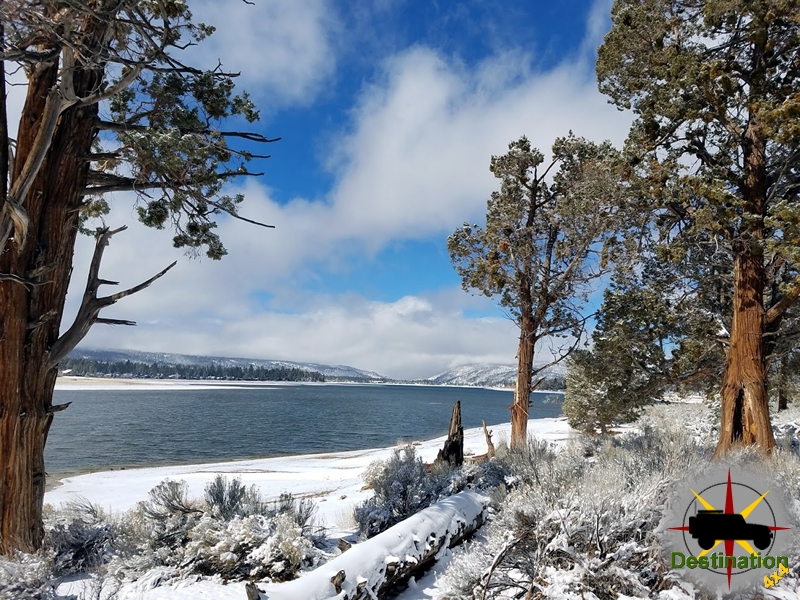
Big Bear, CA
I quiet mountain community full of back country adventure.
The Journey is the destination
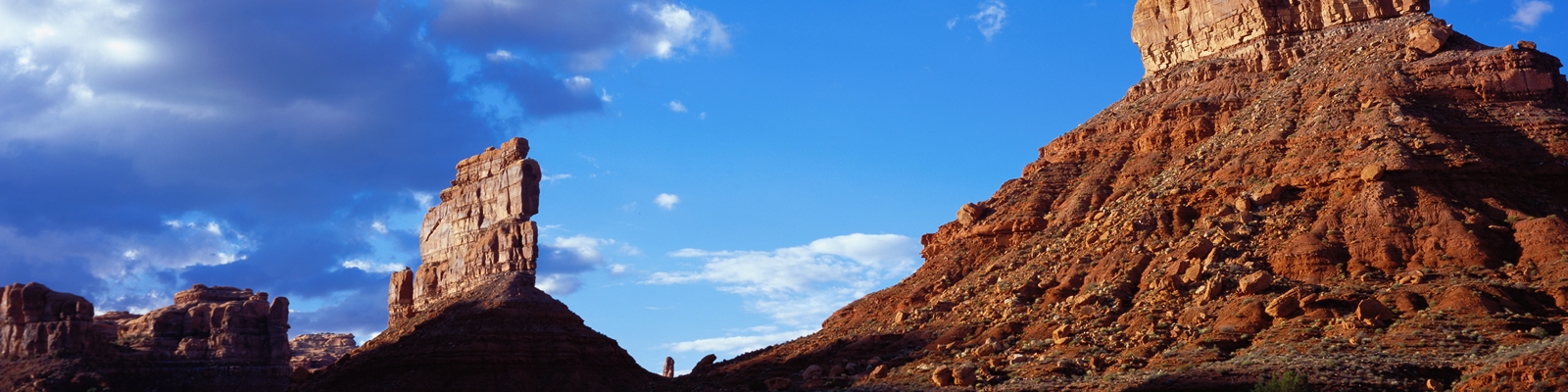
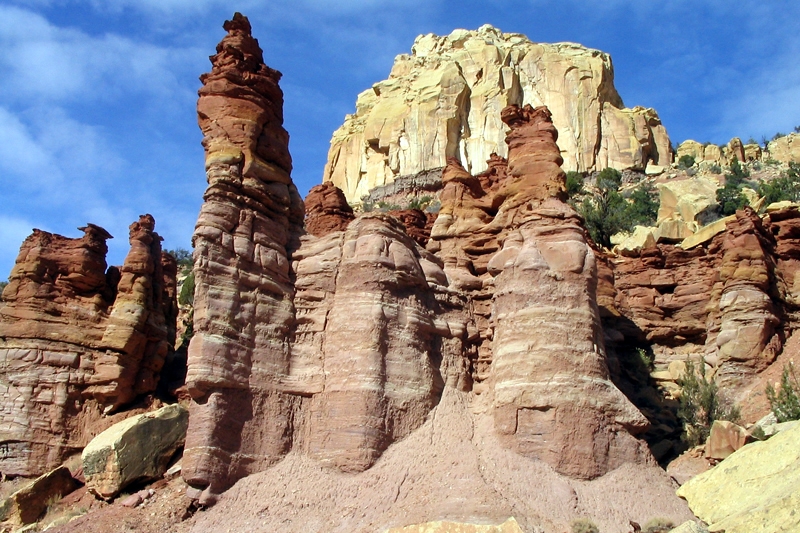
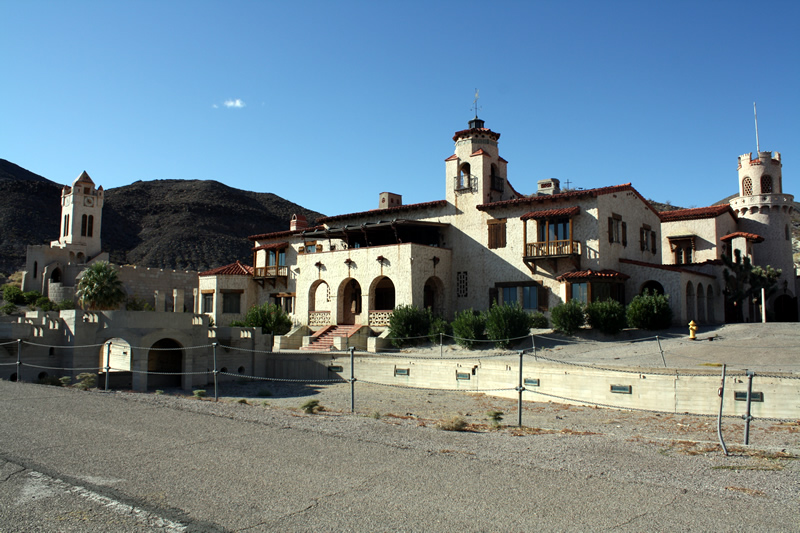
The following is the original transcript of The Tombstone Epitaph published on October 27, 1881 on the infamous gun fight at the O K Corral between the Earps and the Clanton faction in Tombstone. The Tombstone Epitaph offers historical editions for purchase.

Tombstone Daily Epitaph – October 27, 1881
Stormy as were the early days of Tombstone nothing ever occurred equal to the event of yesterday. Since the retirement of Ben Sippy as marshal and the appointment of V.W. Earp to fill the vacancy the town has been noted for its quietness and good order. The fractious and much dreaded cowboys when they came to town were upon their good behaviour and no unseemly brawls were indulged in, and it was hoped by our citizens that no more such deeds would occur as led to the killing of Marshal White one year ago. It seems that this quiet state of affairs was but the calm that precedes the storm that burst in all its fury yesterday, with this difference in results, that the lightning bolt struck in a different quarter from the one that fell a year ago. This time it struck with its full and awful force upon those who, heretofore, have made the good name of this county a byword and a reproach, instead of upon some officer in discharge of his duty or a peaceable and unoffending citizen.
Since the arrest of Stilwell and Spence for the robbery of the Bisbee stage, there have been oft repeated threats conveyed to the Earp brothers — Virgil, Morgan and Wyatt — that the friends of the accused, or in other words the cowboys , would get even with them for the part they had taken in the pursuit and arrest of Stilwell and Spence. The active part of the Earps in going after stage robbers, beginning with the one last spring where Budd Philpot lost his life, and the more recent one near Contention, has made them exceedingly obnoxious to the bad element of this county and put their lives in jeopardy every month.
Sometime Tuesday Ike Clanton came into town and during the evening had some little talk with Doc Holliday and Marshal Earp but nothing to cause either to suspect, further than their general knowledge of the man and the threats that had previously been conveyed to the Marshal, that the gang intended to clean out the Earps, that he was thirsting for blood at this time with one exception and that was that Clanton told the Marshal, in answer to a question, that the McLowrys were in Sonora. Shortly after this occurrence someone came to the Marshal and told him that the McLowrys had been seen a short time before just below town. Marshal Earp, now knowing what might happen and feeling his responsibility for the peace and order of the city, stayed on duty all night and added to the police force his brother Morgan and Holliday. The night passed without any disturbance whatever and at sunrise he went home to rest and sleep. A short time afterwards one of his brothers came to his house and told him that Clanton was hunting him with threats of shooting him on sight. He discredited the report and did not get out of bed. It was not long before another of his brothers came down, and told him the same thing, whereupon he got up, dressed and went with his brother Morgan uptown. They walked up Allen Street to Fifth, crossed over to Fremont and down to Fourth, where, upon turning up Fourth toward Allen, they came upon Clanton with a Winchester rifle in his hand and a revolver on his hip. The Marshal walked up to him, grabbed the rifle and hit him a blow on the head at the same time, stunning him so that he was able to disarm him without further trouble. He marched Clanton off to the police court where he entered a complaint against him for carrying deadly weapons, and the court fined Clanton $25 and costs, making $27.50 altogether. This occurrence must have been about 1 o’clock in the afternoon.
Close upon the heels of this came the finale, which is best told in the words of R.F. Coleman who was an eye-witness from the beginning to the end. Mr. Coleman says: I was in the O.K. Corral at 2:30 p.m., when I saw the two Clantons and the two McLowrys in an earnest conversation across the street in Dunbar’s corral. I went up the street and notified Sheriff Behan and told him it was my opinion they meant trouble, and it was his duty, as sheriff, to go and disarm them. I told him they had gone to the West End Corral. I then went and saw Marshal Virgil Earp and notified him to the same effect. I then met Billy Allen and we walked through the O.K. Corral, about fifty yards behind the sheriff. On reaching Fremont street I saw Virgil Earp, Wyatt Earp, Morgan Earp and Doc Holliday, in the center of the street, all armed. I had reached Bauer’s meat market. Johnny Behan had just left the cowboys, after having a conversation with them. I went along to Fly’s photograph gallery, when I heard Virg Earp say, “Give up your arms or throw up your arms.” There was some reply made by Frank McLowry, when firing became general, over thirty shots being fired. Tom McLowry fell first, but raised and fired again before he died. Bill Clanton fell next, and raised to fire again when Mr. Fly took his revolver from him. Frank McLowry ran a few rods and fell. Morgan Earp was shot through and fell. Doc Holliday was hit in the left hip but kept on firing. Virgil Earp was hit in the third or fourth fire, in the leg which staggered him but he kept up his effective work. Wyatt Earp stood up and fired in rapid succession, as cool as a cucumber, and was not hit. Doc Holliday was as calm as though at target practice and fired rapidly. After the firing was over, Sheriff Behan went up to Wyatt Earp and said, “I’ll have to arrest you.” Wyatt replied: “I won’t be arrested today. I am right here and am not going away. You have deceived me. You told me these men were disarmed; I went to disarm them.”
This ends Mr. Coleman’s story which in the most essential particulars has been confirmed by others. Marshal Earp says that he and his party met the Clantons and the McLowrys in the alleyway by the McDonald place; he called to them to throw up their hands, that he had come to disarm them. Instantaneously Bill Clanton and one of the McLowrys fired, and then it became general. Mr. Earp says it was the first shot from Frank McLowry that hit him. In other particulars his statement does not materially differ from the statement above given. Ike Clanton was not armed and ran across to Allen street and took refuge in the dance hall there. The two McLowrys and Bill Clanton all died within a few minutes after being shot. The Marshal was shot through the calf of the right leg, the ball going clear through. His brother, Morgan, was shot through the shoulders, the ball entering the point of the right shoulder blade, following across the back, shattering off a piece of one vertebrae and passing out the left shoulder in about the same position that it entered the right. The wound is dangerous but not necessarily fatal, and Virgil’s is far more painful than dangerous. Doc Holliday was hit upon the scabbard of his pistol, the leather breaking the force of the ball so that no material damage was done other than to make him limp a little in his walk.
Dr. Matthews impaneled a coroner’s jury, who went and viewed the bodies as they lay in the cabin in the rear of Dunbar’s stables on Fifth street, and then adjourned until 10 o’clock this morning.
The moment the word of the shooting reached the Vizina and Tough Nut mines the whistles blew a shrill signal, and the miners came to the surface, armed themselves, and poured into the town like an invading army. A few moments served to bring out all the better portions of the citizens, thoroughly armed and ready for any emergency. Precautions were immediately taken to preserve law and order, even if they had to fight for it. A guard of ten men were stationed around the county jail, and extra policemen put on for the night.
The feeling among the best class of our citizens is that the Marshal was entirely justified in his efforts to disarm these men, and that being fired upon they had to defend themselves, which they did most bravely. So long as our peace officers make an effort to preserve the peace and put down highway robbery — which the Earp brothers have done, having engaged in the pursuit and capture, where captures have been made of every gang of stage robbers in the county — they will have the support of all good citizens. If the present lesson is not sufficient to teach the cow-boy element that they cannot come into the streets of Tombstone, in broad daylight, armed with six-shooters and Henry rifles to hunt down their victims, then the citizens will most assuredly take such steps to preserve the peace as will be forever a bar to such raids.
Taylor, Nevada, located in White Pine County approximately 15 miles southeast of Ely, was a quintessential mining boomtown of the late 19th century. Established following the discovery of silver and gold in 1873, Taylor epitomized the rapid rise and fall of mining communities in the American West.

Silver and gold were discovered in 1873 by prospectors Taylor and John Platt, guided by a local Native American, Jim Ragsdale, who was paid $500 for leading them to a silver ledge. The Taylor Mine was staked and sold in 1875 to the Martin White Company of Ward for $14,000. Concurrently, the nearby Monitor Mine was discovered, laying the foundation for the town’s growth. However, significant development did not occur until 1880, when the camp of Taylor began to take shape. In 1881, the Monitor Mill and Mining Company constructed a ten-stamp mill seven miles northwest of Taylor on Steptoe Creek, which began operations in September 1881, processing ore from the surrounding mines.
Taylor’s peak came in 1883, following new ore discoveries and the construction of the Argus Mill. The town’s population reportedly reached 1,500, though some historical markers exaggerate this figure at 15,000, likely an overstatement given the scale of operations. By the end of 1883, Taylor boasted a vibrant community with three general stores, four restaurants, three boarding houses, seven saloons, a brewery, a drugstore, a doctor’s office, a school, an opera house, a Wells Fargo office, and professional services. Two newspapers, the White Pine News and the Taylor Reflex (relocated from Ward), were published, reflecting the town’s cultural and economic vitality. The annual Fourth of July celebration became a social highlight, cementing Taylor’s role as a regional hub by 1886. During this period, the mines shipped over $260,000 worth of ore (approximately $8 million in 2025 dollars), primarily silver, with gold, copper, and lead as secondary outputs.
Taylor’s prosperity was short-lived. By 1885, the free-milling silver ore began to deplete, and a tragic accident in 1886 at the Argus Mine—where a drill struck dynamite, killing one miner and blinding another—accelerated the town’s decline. The Monitor Mill closed in 1886, followed by the Argus Mill in 1889. By 1890, only a handful of residents remained, with many businesses and buildings relocated to nearby Ely, which was emerging as a more stable economic center.
Mining in Taylor saw intermittent revivals. In 1918, the Wyoming Mining & Milling Company built a 100-ton cyanide plant at the Argus Mine, processing 60,000 tons of ore in its first year (1919). The mill operated from 1921 to 1923, producing 40–50 tons of ore daily, but closed again due to falling silver prices. World War II temporarily spurred mining activity, with local mines yielding over $3 million in silver, gold, copper, and lead over their lifetime. In 1980, Silver King Mines, Inc., of Salt Lake City initiated a $10 million open-pit operation, which continued until 1991. This final phase destroyed much of what remained of Taylor’s original structures, leaving only a few buildings and mining remnants.
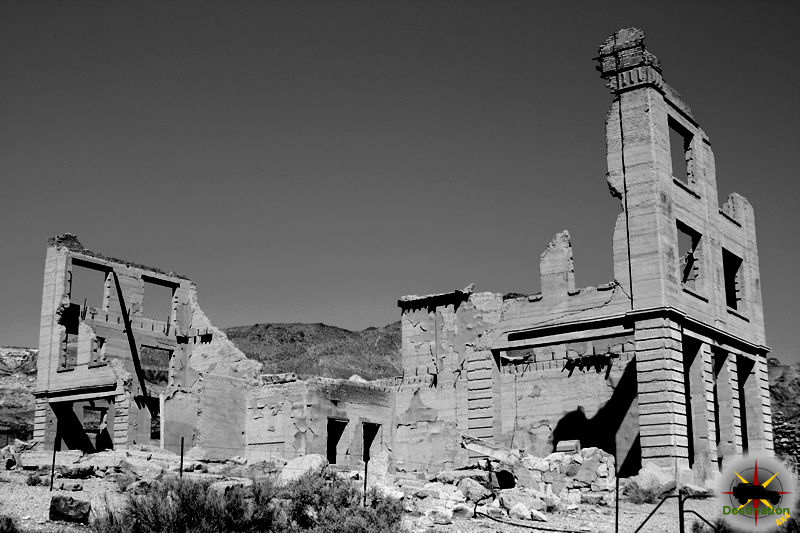
Today, Taylor is a ghost town, with only two buildings remaining and much of the site obscured by modern mining operations. Located at coordinates 39°04’47.0″N, 114°41’07.0″W, it is accessible via a well-maintained gravel road off U.S. Highways 6, 50, and 93, near Ely. The Nevada State Historical Marker No. 99, erected by the Nevada State Park System and White Pine Public Museum, marks the site, summarizing its history. The area remains of interest for ongoing mineral exploration, but the town’s historical footprint is minimal, with most structures lost to time or modern mining.
Taylor’s mining operations were closely tied to the Nevada Northern Railway, which connected Ely to national rail networks starting in 1906. While Taylor’s boom preceded the railway’s construction, the railway facilitated ore transport from nearby mines during later revivals, particularly in the early 20th century. The Nevada Northern’s Ore Line, extending to Ruth and McGill, supported the region’s mining economy, indirectly sustaining Taylor’s intermittent operations.
Taylor, Nevada, exemplifies the boom-and-bust cycle of Western mining towns. From its rapid growth in the 1880s to its near-total disappearance by the late 20th century, Taylor’s history reflects the challenges of sustaining resource-dependent communities. Its legacy endures through historical markers, sparse remnants, and its role in White Pine County’s mining heritage, preserved in part by the Nevada Northern Railway Museum’s efforts to document the region’s rail and mining history.
Nevada State Historical Markers identify significant places of interest in Nevada’s history. The Nevada State Legislature started the program in 1967 to bring the state’s heritage to the public’s attention with on-site markers. These roadside markers bring attention to the places, people, and events that make up Nevada’s heritage. They are as diverse as the counties they are located within and range from the typical mining boom and bust town to the largest and most accessible petroglyph sites in Northern Nevada Budget cuts to the program caused the program to become dormant in 2009. Many of the markers are lost or damaged.
Most of the markers across the state are large blue metal markers. However, there are a variety of other marker styles out there. For this guide they have been simplified into a few categories (blue, blue small, concrete, and stone). Sometimes, the markers are on buildings, fences, or metal stands.
Silver and gold were discovered by Taylor and John Platt in 1873 in what was to become Taylor, a typical mining community supported chiefly by the Argus and Monitor Mines. In seven years, the town boasted a population of 15,000 people, seven saloons, three general stores, an opera house, a Wells Fargo office, and other businesses. By 1886, Taylor was the center of county activity, a social highlight being the annual 4th of July celebration.
Mining continued intermittently until 1919. At that time, a 100 ton cyanide plant at the ArgusMine gave the area new life, but production declined when the price of silver plummeted. World War II renewed mining activity temporarily. Local mines yielded more than $3 million in silver, gold, copper, and lead.
STATE HISTORICAL MARKER NO. 99
STATE HISTORIC PRESERVATION OFFICE
WHITE PINE PUBLIC MUSEUM, INCORPORATED
| Name | Taylor, Nevada |
| Location | White Pine County, Nevada |
| Latitude, Longitude | 39.0885, -114.7522 |
| Nevada State Historic Marker | 99 |
Tombstone Arizona is a historical point of interest, and the location of the O K Corral Gunfight, located in Cochise County, Arizona. The history and the stories of this small silver mining city are legend and cast a large shadow on the history of the desert southwest.

Tombstone was founded in 1877 by prospector Ed Schieffelin, who had been told that the only thing he would find in the area was his own tombstone due to the dangerous Apache territory. Ignoring the warning, Schieffelin discovered a rich silver vein in the region, sparking a mining boom. The town quickly grew as prospectors and miners flocked to the area in search of silver.

The name “Tombstone” was chosen in reference to Schieffelin’s earlier remark, and the town became a symbol of the rough and lawless frontier during the late 19th century. It was home to cowboys, miners, gamblers, outlaws, and lawmen, all contributing to the town’s legendary reputation.
In the early 1880s, Tombstone experienced significant growth and development. The population surged to over 10,000 people, making it one of the largest cities in the American Southwest at the time. The town boasted numerous businesses, including saloons, theaters, brothels, and a thriving red-light district. The Bird Cage Theatre, known for its raucous entertainment and gambling, became an iconic landmark of the era. The silver mines paid for everything. Silver ore from the mines is hauled by wagon, 9 miles to the southwest to the town of Millville, Arizona.

One of the most infamous incidents occurred on October 26, 1881, when a confrontation known as the Gunfight at the O.K. Corral took place. The shootout involved the Earp brothers (Wyatt, Virgil, and Morgan) and Doc Holliday on one side, and a group of outlaws known as the Cowboys on the other. The gunfight resulted in several deaths and injuries and became one of the most legendary events of the Wild West.

This ends Mr. Coleman’s story which in the most essential particulars has been confirmed by others. Marshal Earp says that he and his party met the Clantons and the McLowrys in the alleyway by the McDonald place; he called to them to throw up their hands, that he had come to disarm them. Instantaneously Bill Clanton and one of the McLowrys fired, and then it became general. Mr. Earp says it was the first shot from Frank McLowry that hit him. In other particulars his statement does not materially differ from the statement above given. Ike Clanton was not armed and ran across to Allen street and took refuge in the dance hall there. The two McLowrys and Bill Clanton all died within a few minutes after being shot. The Marshal was shot through the calf of the right leg, the ball going clear through. His brother, Morgan, was shot through the shoulders, the ball entering the point of the right shoulder blade, following across the back, shattering off a piece of one vertebrae and passing out the left shoulder in about the same position that it entered the right. The wound is dangerous but not necessarily fatal, and Virgil’s is far more painful than dangerous. Doc Holliday was hit upon the scabbard of his pistol, the leather breaking the force of the ball so that no material damage was done other than to make him limp a little in his walk.
Tombstone Daily Epitaph – October 27, 1881

Tombstone settled down to respectable prosperity. Two fires (June 22, 1881, and May 25, 1882) had wiped out most of the business district. It was promptly rebuilt, and the good times lasted through 1883. By 1884 the price of silver led the mine owners to attempt to reduce wages from $4.00 a day to $3.50. The union struck, and violence at the mines brought what outlawry had never brought troops from Fort Huachuca.
In 1886 water filled the mines, and despite attempts to pump, the mines were closed. Two-thirds of the population left the town. Two brief flurries of prosperity occurred, one in 1890 and one in 1902, but they did not last. In 1929 (the same year Wyatt Earp died in Los Angeles), the county seat was moved to Bisbee, and Tombstone lost its last reason for being, but the town proved
“too tough to die.”
“almost as hell-roaring a place as Leadville. The boys were all decorated with six-guns and believe me, they knew how to use them. The handiest on the draw stayed in town, but those that were too slow made a one-way trip to Boot-Hill
Frank Shorty Harris – On Tombstone in 1885
In the decades that followed, Tombstone gradually reemerged as a tourist attraction and historical landmark. Efforts were made to preserve the town’s historical buildings and artifacts. The Tombstone Historic District was established in 1962, ensuring the preservation of the town’s rich heritage.
Today, Tombstone attracts visitors from around the world who come to experience its Old West charm. The town has been meticulously restored, and many of the original buildings, including the O.K. Corral and the Bird Cage Theatre, have been preserved as museums and tourist attractions. Visitors can explore the streets, watch reenactments of the gunfight, and learn about the fascinating history of the American frontier.
Tombstone Arizona is located in the South East Corner of Arizona along State Route 80.
| Name | Tombstone, Arizona |
| Location | Cochise County, Arizona |
| Latitude, Longitude | 31.7233, -110.0797 |
| Elevation | 4,406 ft (1,343 m) |
| GNIS | 2412081 |
| National Register of Historic Places | 66000171 |
| Newspaper | Tombstone Epitaph Tombstone Daily Nugget |
| National Historic Landmark | 66000171 |
 The Tombstone EpitaphThe Arizona Historical Newspaper, the Tombstone Epitaph announces the gunfight at the O K Coral. The Tombstone Epitaph is a historic newspaper in the American… |
 Tombstone Daily Nugget NewspaperTombstone Daily Nugget Newspaper The Tombstone Daily Nugget was a significant newspaper published in Tombstone, Arizona, during the early 1880s, a period marked by the… |
 Albert Clay BilickeAlbert Clay Billicke ( June 22, 1861 - May 7, 1915 ) Albert Clay Bilicke was a prominent businessman and hotelier in Tombstone, Arizona, during… |
 Billy ClaiborneWilliam "Billy" Claiborne was one of five outlaw Cowboys at the Gunfight at the O.K. Corral. He was unarmed and fled Billy Claiborne was an… |
 Camillus Sydney Fly – Tombstone PhotographerCamillus Sydney Fly was a photographer and eyewitness to one of the most notorious gunfights in western history. Camillus Sidney Fly was born in Andrew… |
 Celia Ann BlaylockCelia Ann Blaylock Early Life Celia Ann Blaylock, known as "Mattie," was born in January 1850 in Monroe Township, Johnson County, Iowa, to Henry Blaylock… |
 Dr. George E. Goodfellow, the “Gunfighter’s Surgeon”Dr. George E. Goodfellow, also known as the "Gunfighter's Surgeon" Dr. George Emory Goodfellow (1855–1910) was a renowned physician and surgeon in Tombstone, Arizona, during… |
 Edward Lawrence SchieffelinEdward Lawrence Schieffelin, a rugged and determined prospector, carved his name in the annals of American history as the man who discovered silver and founded… |
 Frank “Shorty” HarrisFrank Harris was a prospector, desert rat and perhaps the best known character in western mining history. He looked the part, often travelling the desert… |
 Frank StilwellFrank Stilwell was a businessman, lawman, and outlaw in Arizona Territory, and was murdered by Wyatt Earp after the Gunfight at the O K Coral.… |
 Fred WhiteFred White Early Life Frederick G. "Fred" White was born around 1849 in New York City, as recorded in the 1880 Census. Little is known… |
 James Cooksey EarpJames Cooksey Earp ( June 28, 1841 - January 25, 1926 ) James Cooksey Earp ( June 28, 1841 - January 25, 1926 ) was… |
 John Henry Holliday – Doc HollidayJohn Henry "Doc" Holliday (1851–1887) John Henry Holliday, commonly known as Doc Holliday, was an American gambler, gunfighter, and dentist who became a legendary figure… |
 John Peters “Johnny” RingoJohnny Ringo was an American gunfighter and outlaw most commonly associated with the infamous happenings in Tombstone, Arizona. He was often portrayed as the hired… |
 John Philip ClumJohn Philip Clum John Philip Clum (1829–1900) was an American frontiersman, Indian agent, and newspaper editor. Appointed by President Grant, he served as Indian agent… |
 Johnny BehanJohn H. Behan - Sheriff of Cochise County in the Arizona Territory Johnny Behan was a notable figure in the American Old West, best known… |
 Joseph Isaac ClantonJoseph Isaac Clanton, commonly knows as "Ike" Clanton was a notable figure in the American Old West, primarily recognized for his involvement in the notorious… |
 Josephine Sarah EarpJosephine Sarah Marcus, known as "Josie" or "Sadie," Josephine Sarah Marcus Earp, known as "Josie" or "Sadie," was the common-law wife of Wyatt Earp, a… |
 Mary Edith FlyMary Edith "Mollie" Fly (c. 1847–1925) was a pioneering American photographer who, with her husband Camillus "Buck" Fly, documented life in Tombstone, Arizona, during its… |
 Mary Katherine HoronyMary Katherine Horony, better known as Big Nose Kate, was a Hungarian-born figure of the American Old West, renowned for her independence, resilience, and her… |
 Morgan Seth EarpMorgan Seth Earp, born on April 24, 1851, in Pella, Iowa, was a notable figure of the American Old West, primarily recognized for his association… |
 Newman Haynes ClantonNewman Haynes Clanton was a central figure in the tumultuous period of the American frontier, representing the complex interplay of law, crime, and social dynamics… |
Newton Jasper EarpEarly Life and Family Newton Jasper Earp was born on October 7, 1837, in Ohio County, Kentucky, to Nicholas Porter Earp and his first wife,… |
 Robert Findley McLauryThe only known portrait photo of Frank McLaury of Tombstone. Robert Findley McLaury, known as Frank McLaury (1857–1881) was a notable figure in the American… |
 Thomas McLauryThomas McLaury of Tombstone in 1879 Tom McLaury, born as Thomas McLaury, was a key figure in the tumultuous environment of the American frontier during… |
 Virgil Walter EarpVirgil Walter Earp ( July 18, 1843 – October 19, 1905) was born in Lincoln County, Kentucky, was a prominent lawman and frontier figure known for his… |
 Warren Baxter EarpWarren Baxter Earp ( March 9, 1855 - July 6, 1900 ), the youngest of the Earp brothers, was born into a family that would… |
 Wells SpicerWells Spicer (1831–1885 or 1887) was an American journalist, lawyer and judge whose over saw the trial after the gunfight at the O.K. Corral in Tombstone Arizona. Historical photo of Wells… |
 William BrociusWilliam "Curly Bill" Brocius William Brocius, better known as "Curly Bill" Brocius, was a notorious outlaw of the American Old Old West, born around 1845, though… |
 Wyatt Berry Stapp EarpWyatt Berry Stapp Earp (March 19, 1848 – January 13, 1929) was an American lawman and gambler who became a legendary figure of the Old… |
 Birdcage TheaterAt the corner of Allen and Sixth Streets in Tombstone, Arizona, stands a squat, two-story adobe-and-brick building whose faded crimson sign still proclaims “BIRD CAGE… |
 Charleston ArizonaCharleston, Arizona, now a ghost town in Cochise County, was a short-lived but vibrant settlement in the Arizona Territory from the late 1870s to the… |
Decision of Judge Wells Spicer after the Preliminary Hearing in the Earp-Holliday CaseThe bodies of Tom & Frank McLaury and Bill Clanton after the shoot-out in Tombstone The Gunfight at the O.K. Corral, one of the most… |
Deposition of Wesley Fuller in the Preliminary Hearing in the Earp-Holliday CaseThe Gunfight at the O.K. Corral, one of the most famous shootouts in the American Old West, took place on October 26, 1881, in Tombstone,… |
 Los Angeles Daily Herald – December 30, 1882On December 30, 1881 the Los Angles Daily Herald broke the news of the Assassination attempt on Marshall Virgil Earp The Los Angles Daily Herald… |
 Millville ArizonaMillville, Arizona, is a ghost town in Cochise County, located along the San Pedro River, approximately nine miles southwest of Tombstone. Established in the late… |
 National Register of Historic Places – TombstoneThe National Register of Historic Places Nomination Application of the history of Tombstone, Cochise County, Arizona The bodies of Tom & Frank McLaury and Bill… |
 San Francisco Examiner – August 9, 1896The following is an article written by famous U. S. Marshall Wyatt Earp, which is printed by the San Francisco Examiner on August 9th, 1896.… |
Statement of Albert Billickie in the Preliminary Hearing in the Earp-Holliday CaseAlbert Clay Billicke ( June 22, 1861 - May 7, 1915 ) Albert Bilicke became a successful hotelier and entrepreneur. He is best known for… |
 Statement of E F Boyle in the Preliminary Hearing in the Earp-Holliday CaseA Brief History The gunfight at the O.K. Corral summary refers to an infamous shootout in the American West in the streets of Tombstone Arizona… |
Statement of Virgil Earp in the Preliminary Hearing in the Earp-Holliday CaseVirgil Earp, a significant figure in the history of the American West, played a crucial role in the events that unfolded in Tombstone, Arizona, particularly… |
Statement of Wyatt Earp in the Preliminary Hearing in the Earp-Holliday CaseThe Gunfight at the O.K. Corral, one of the most famous shootouts in the American Old West, took place on October 26, 1881, in Tombstone,… |
 Testimony of A. Bauer in the Preliminary Hearing in the Earp-Holliday Case CampbellThe "Gird Block" in Tombstone, Arizona, housing (L-R) the Old Hotel Nobles, the Tombstone Epitaph, and the Mining Exchange Building. The Mining Exchange was where… |
 Testimony of Addie Bourland in the Preliminary Hearing in the Earp-Holliday CaseThe "Gird Block" in Tombstone, Arizona, housing (L-R) the Old Hotel Nobles, the Tombstone Epitaph, and the Mining Exchange Building. The Mining Exchange was where… |
Testimony of H. F. Sills in the Preliminary Hearing in the Earp-Holliday CaseThe "Gird Block" in Tombstone, Arizona, housing (L-R) the Old Hotel Nobles, the Tombstone Epitaph, and the Mining Exchange Building. The Mining Exchange was where… |
Testimony of J H Behan in the Preliminary Hearing in the Earp-Holliday CaseA Brief History The gunfight at the O.K. Corral summary refers to an infamous shootout in the American West in the streets of Tombstone Arizona… |
Testimony of Joseph I. “Ike” Clanton in the Preliminary Hearing in the Earp-Holliday CaseThe Gunfight at the O.K. Corral, one of the most famous shootouts in the American Old West, took place on October 26, 1881, in Tombstone,… |
Testimony of Martha King in the Preliminary Hearing in the Earp-Holliday CaseThe Gunfight at the O.K. Corral is one of the most famous events in the history of the American Wild West. It occurred on October… |
Testimony of R. J. Campbell in the Preliminary Hearing in the Earp-Holliday Case CampbellThe "Gird Block" in Tombstone, Arizona, housing (L-R) the Old Hotel Nobles, the Tombstone Epitaph, and the Mining Exchange Building. The Mining Exchange was where… |
 Testimony of Thomas Keefe in the Preliminary Hearing in the Earp-Holliday CaseThe Gunfight at the O.K. Corral is one of the most famous events in the history of the American Wild West. It occurred on October… |
Testimony of W.C. Claiborn in the Preliminary Hearing in the Earp-Holliday CaseThe transcribed testimony of W.C. Claiborn regarding the gunfight on Fremont Street in Tombstone, Arizona Territory. Claiborne was with the Clanton, McClaury faction when the… |
Testimony of William Allen in the Preliminary Hearing in the Earp-Holliday Case CampbellTombstone, Arizona in 1881 photographed by C. S. Fly. An ore wagon at the center of the image is pulled by 15 or 16 mules… |
The Assassination Attempt of Virgil EarpVirgil Earp 1843 -1905 The assassination attempt on Virgil Earp, a key figure in the law enforcement of the Old West, occurred on December 28,… |
The Tombstone EpitaphThe Arizona Historical Newspaper, the Tombstone Epitaph announces the gunfight at the O K Coral. The Tombstone Epitaph is a historic newspaper in the American… |
 The Tombstone Epitaph – March 27, 1882Frank Stilwell On March 27, 1882, The newspaper the Tombstone Epitaph announced the murder of Frank Stilwell in Tucson Arizona. Frank Stilwell was an outlaw… |
 The Tombstone Epitaph, March 20, 1882The Tombstone Epitaph, March 20, 1882 reports of the murder of Tombstone Resident Morgan Earp while playing pool in Tombstone, Arizona. This event followed the… |
The Tombstone Epitaph, October 27, 1881The following is the original transcript of The Tombstone Epitaph published on October 27, 1881 on the infamous gun fight at the O K Corral… |
Tombstone Daily Nugget NewspaperTombstone Daily Nugget Newspaper The Tombstone Daily Nugget was a significant newspaper published in Tombstone, Arizona, during the early 1880s, a period marked by the… |
Tombstone Daily Nugget, October 27, 1881The Tombstone Daily Nugget, October 27, 1881 described the the infamous Gunfight at the O K Corral between the Earps and the Clanton faction in… |
 William Harrison ClantonWilliam Harrison Clanton also known as Billy Clanton was an American outlaw known for his involvement in the infamous Gunfight at the O.K. Corral. Born in… |
 Southeastern Arizona Mining TownsSoutheastern Arizona Mining Towns - Images of America - Author William Ascarza Southeastern Arizona has one of the most diverse mining localities in the state.… |
 Tombstone (Images of America)Tombstone (Images of America) - Author: Jane Eppinga Tombstone sits less than 100 miles from the Mexico border in the middle of the picturesque Arizona… |
Charleston, Arizona, now a ghost town in Cochise County, was a short-lived but vibrant settlement in the Arizona Territory from the late 1870s to the late 1880s. Situated on the west bank of the San Pedro River, approximately 9 miles southwest of Tombstone, Charleston thrived as a milling and residential hub for workers processing silver ore from Tombstone’s prolific mines. Its economy, culture, and notoriety were shaped by its proximity to the silver boom, its lawless reputation, and its association with infamous figures like the Clanton family and other outlaws. This report explores Charleston’s founding, development, decline, and lasting legacy, drawing on historical accounts and archaeological insights.

Charleston was founded in 1878 to support the milling operations of Tombstone’s silver mines, which lacked sufficient water for ore processing. On October 28, 1878, Amos Stowe claimed 160 acres on the west bank of the San Pedro River, opposite the milling site of Millville, where two stamp mills were constructed to process silver ore. Stowe’s strategic claim capitalized on the need for a residential and commercial center for mill workers. He laid out the town in a grid of 26 blocks with 16 lots each, implementing an attractive leasing system that drew businesses rapidly. By May 1879, Charleston boasted about 40 buildings, including a post office established on April 17, 1879, named after its first postmaster, Charles D..
Millville, on the east bank, was purely functional, with the Tombstone Mining and Milling Company’s 10- and 20-stamp mills powered by the San Pedro’s water. Charleston, however, became the social and economic hub, housing workers and their families. The 1880 U.S. Census recorded a population of 350, though estimates suggest it peaked at over 400 during its busiest period. The town featured four general stores, a meat market, a drug store, two restaurants, two Chinese-operated laundries, Mrs. Hughes’ Boarding House, the Eagle and Royal Hotels, and between 13 and 15 saloons, reflecting its bustling, rough-and-tumble character.


Charleston’s economy was tethered to Tombstone’s silver production. Miners earned $4 per day, while mill workers and mechanics made $5 to $7, with the smallest currency in circulation being a quarter (“two bits”), as nickels were unknown. The mills processed a steady stream of ore, and the town’s prosperity attracted diverse residents, including stockmen, prospectors, and soldiers from nearby Fort Huachuca, who frequented Charleston’s saloons. The town’s adobe structures, described as utilitarian rather than ornamental, lined the riverbank alongside prospectors’ camps and Sonoran workers’ shacks.
Socially, Charleston was lively but volatile. The “crack of the revolver” was common, and coroner’s juries frequently convened to investigate shootings. The town’s nightlife featured the “dolorous chant” of Mexican workers and the braying of mules, dubbed “Arizona canaries.” Saloons, including one owned by outlaw Frank Stilwell until he sold it to Jacob W. Swart in 1881, were central to the town’s culture. Ike Clanton operated an early canvas “hotel,” one of the first boarding houses, underscoring the Clanton family’s influence.
Charleston earned a wild and lawless reputation, amplified by East Coast newspapers that sensationalized its violence. The Clanton Ranch, located 5 miles south and operated by Newman “Old Man” Clanton and his sons John, Phin, Ike, and Billy, was a hub for notorious figures, including Johnny Ringo, “Curly Bill” Brocius, Pete Spence, and Frank and Tom McLaury. These men, linked to cattle rustling and stagecoach robberies, frequented Charleston, cementing its image as a “nest of outlaws”.
Despite its reputation, Charleston never experienced a successful robbery of silver or money, a testament to the vigilance of mill security. However, a notable incident occurred on March 25, 1882, in Millville, when outlaws Zwing Hunt and Billy Grounds attempted to rob the Tombstone Mining Company, killing mining engineer M. Robert Peel. The bandits fled, leaving a white Stetson and boot prints that identified them. Hunt later escaped custody with help from his brother Hugh but was killed by Apaches in the Chiricahua Mountains.
Justice in Charleston was idiosyncratic, embodied by Justice of the Peace Jim Burnett, who ran his court with unchecked authority. Burnett imposed eclectic fines—cash, cattle, or even nine cords of wood for theft—pocketing the proceeds. In one case, he fined saloon owner Jacob Swart $1,000 for a fatal shooting, reinforcing his role as Charleston’s de facto dictator. Burnett’s methods, while corrupt, maintained a semblance of order until the town’s decline. He later served as Justice of the Peace in Pearce but was killed in Tombstone in 1897 by rancher William Greene, who falsely believed Burnett caused his daughter’s death by blowing up a dam.
Charleston’s fate was tied to Tombstone’s silver mines, which began flooding in the mid-1880s, reducing ore production. A miners’ strike in 1884 further disrupted operations, and by 1885–1886, parts of the mills were dismantled and relocated to Tombstone to cut shipping costs. The Sonoran Earthquake of May 3, 1887, measuring 7.6 on the Richter scale, devastated Charleston, leaving most adobe structures in ruins. By October 24, 1888, the post office closed, and by 1889, both Charleston and Millville were ghost towns.
In the 1890s, Mexican immigrants briefly occupied Charleston, using wooden structures for kindling, hastening the town’s decay. During World War II, Fort Huachuca soldiers used the site, dubbed “Little Tunisia” for its resemblance to North African terrain, for urban combat training with live ammunition, further damaging the ruins. Erosion from the San Pedro River also ate away at the adobe foundations, leaving only scattered remnants.
Today, Charleston is part of the San Pedro Riparian National Conservation Area, managed by the Bureau of Land Management (BLM), which protects its archaeological remains. Accessible only by hiking a ¾-mile trail from East Charleston Road, the site consists of adobe fragments and stone foundations hidden among mesquite and thorny brush. The Friends of the San Pedro River offer guided tours, highlighting Charleston’s role in Arizona’s mining history.
Charleston’s legacy endures as a symbol of the Arizona Territory’s volatile boom-and-bust cycle. Its association with the Clantons and other outlaws ties it to the lore of Tombstone and the Gunfight at the O.K. Corral. Historians like Thomas E. Sheridan, in Arizona: A History, contextualize Charleston within the broader narrative of the American West, where mining towns shaped economic and cultural landscapes before fading into obscurity. The town’s ruins, though sparse, evoke the rugged spirit of a frontier defined by opportunity and lawlessness.
Charleston, Arizona, was a fleeting but significant chapter in the American West, born from Tombstone’s silver boom and extinguished by its decline. Its role as a milling and social hub, its infamous residents, and its rapid rise and fall encapsulate the transient nature of frontier towns. While little remains of Charleston today, its story—preserved in historical records and the sparse ruins along the San Pedro—offers a window into the economic, social, and cultural dynamics of Arizona’s territorial era. As a protected site, Charleston continues to draw historians, hikers, and adventurers seeking to uncover its hidden past.
| Name | Charleston, Arizona |
| Location | Cochise County, Arizona |
| Also Known As | Charleston Station |
| Latitude, Longitude | 31.6358, -110.1725 |
| Elevation | 1216 meters / 3990 feet |
| GNIS | 24360 |
| Population | 400 |
| Post Office | April 17, 1879 – October 24, 1888 |
Charleston is located about 9 miles southwest of Tombstone, Arizona. Charleston and Millville are not accessible by car and can only be reached by hiking up the San Pedro River. The Bureau of Land Management has begun maintaining trails to and from the area.
Joseph Isaac ClantonJoseph Isaac Clanton, commonly knows as "Ike" Clanton was a notable figure in the American Old West, primarily recognized for his involvement in the notorious… |
Newman Haynes ClantonNewman Haynes Clanton was a central figure in the tumultuous period of the American frontier, representing the complex interplay of law, crime, and social dynamics… |
Robert Findley McLauryThe only known portrait photo of Frank McLaury of Tombstone. Robert Findley McLaury, known as Frank McLaury (1857–1881) was a notable figure in the American… |
Thomas McLauryThomas McLaury of Tombstone in 1879 Tom McLaury, born as Thomas McLaury, was a key figure in the tumultuous environment of the American frontier during… |
William BrociusWilliam "Curly Bill" Brocius William Brocius, better known as "Curly Bill" Brocius, was a notorious outlaw of the American Old Old West, born around 1845, though… |
Henry Wickenburg was a pioneering figure in the American mining industry during the mid-19th century. Known for his role in discovering the Vulture Mine, one of the richest gold mines in Arizona, Wickenburg’s tenacity, and entrepreneurial spirit left an indelible mark on the development of the region and a town which bears his name.

Henry Wickenburg was born on November 21, 1819, in the town of Crefeld, Prussia, in what is now Germany. Crefeld is known for coal mines, and he and his brother worked these mines as children. Following the reclamation of the families minueral rights on their land by the Prussian Government, In 1847, Henry Wickenburg arrived in the United States and settled in California during the height of the Gold Rush. He immediately recognized the potential for wealth and decided to try his luck in the goldfields. Wickenburg spent several years working as a miner, gaining experience and honing his skills in prospecting.

In 1862, Henry Wickenburg embarked on a journey that would change his life and the future of Arizona. He led an expedition into the Arizona Territory, hoping to find gold and silver deposits. It was during this expedition that Wickenburg stumbled upon what would later be known as the Vulture Mine, situated in the harsh and rugged terrain of the Vulture Mountains.
The Vulture Mine turned out to be an extraordinary find, with vast deposits of gold. Wickenburg quickly recognized its potential and staked his claim, sparking a gold rush in the region. His discovery attracted prospectors from far and wide, leading to the establishment of the town that would later bear his name, Wickenburg, as a center of mining activity.
Establishing and operating the Vulture Mine was not without its challenges. Wickenburg faced numerous obstacles, including hostile Native American tribes, harsh living conditions, and technical difficulties in extracting the gold. However, his determination and resourcefulness allowed him to overcome these hurdles and develop the mine into a prosperous operation.
The Vulture mine is named “the largest and richest gold in in Arizona.” In 1866, Wickenburg sold 80% interest in the mine the the sum of $85,000.00. A down payment is made in the amount of $20,000 with the balance being maintained with a promissory note. Following the sale, Wickenburg relocated and started a ranch near another town which bears his name.
The Vulture Mine suffered repeated problems caused by its remote location, poor financial standing and mismanagement. Despite being the largest gold mine in the territory, a title dispute caused Henry to be unable to collect on the promissory note.
On May 14th, 1905, Henry Wickenburg is found dead of the gun shot wound to the head. A coroners report ruled the death a suicide and that Henry “had melancholy due to old age”.