Big Bear, CA
I quiet mountain community full of back country adventure.
The Journey is the destination
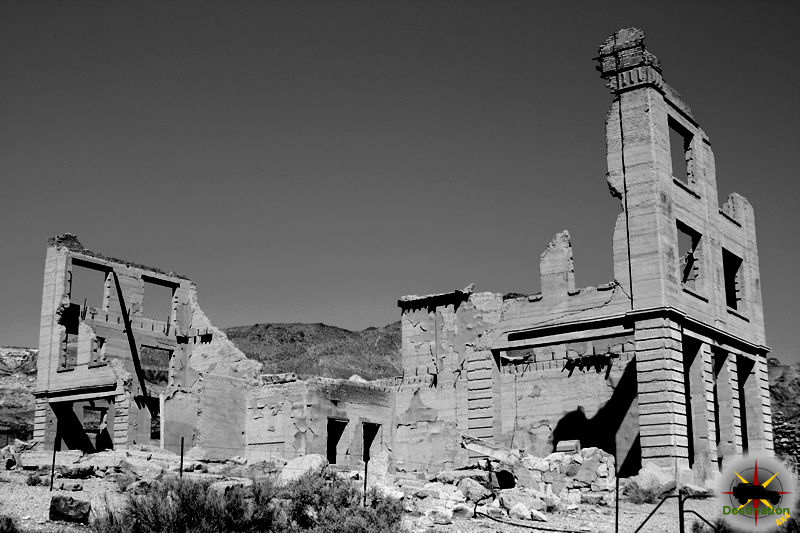
The gunfight at the O.K. Corral summary refers to an infamous shootout in the American West in the streets of Tombstone Arizona at at 3:00pm, October 26,1881. Wyatt Earp, Doc Holiday, and Wyatts brothers Virgil and Morgan confronted Ike Clanton, Billy Clanton, Billy Claiborn and brothers Frank and Tom McLaury in a vacant lot next to the uninteresting O.K. Corral over death threats made in recent days.
The thirty second gunfight caused witnesses to see nine men fire dozens of times at distances of under twenty feet. The aftermath left three men dead and became the most notorious gunfight of the wild west.
Following the trial, murder charges were filed against the Earp brothers and Doc Holiday. I preliminary hearing in front of Justice of the Peach Wells Spencer. The thirty day trail held court in the Tombstone Mining exchange and heard testimony from both sides of the confrontation. The defendants were found not guilty and only promoted a deadly feud between the Earps and the Clantons.
The transcribed testimony of J H Behan regarding the gunfight on Fremont Street in Tombstone, Arizona Territory.

On this thirteenth day of November, 1881, on the hearing of the above entitled cause of the examination of Wyatt Earp and J. H. Holliday; John H. Behan, a witness of lawful age, being produced and sworn, deposes and says as follows:
My name is John H. Behan. I reside in Tombstone. I am Sheriff of Cochise County. I know the defendants, Wyatt Earp and John H. Holliday. I know the defendants, Virgil Earp and Morgan Earp. In their lifetime I knew Thomas McLaury, Frank McLaury, and William Clanton. I know Isaac Clanton. I was here in Tombstone on the 26th of October, when a difficulty took place and a shooting occurred between the parties mentioned.
(Q) Will you state what you know about this difficulty?
(A) The first that I knew that there was likely to be any trouble; I was sitting in the barber’s chair, getting shaved-Barron’s Barber Shop. It was about half-past one, I think. It might have been later. I saw a crowd gathering on the comer of Allen and Fourth Streets. Someone in the barber shop said there was liable to be trouble between the Earps and Clantons. There was considerable said about it by parties sitting around. I asked the barber to hurry up, that I was anxious to go out and disarm and arrest the parties. I then went over to Hafford’s Comer. I saw Marshal Earp standing there and asked him what was the excitement. This was Virgil Earp, the marshal. He said there were, “a lot of sons-of-bitches in town looking for a fight.” I don’t think he mentioned any names.
I said to him, “You had better disarm the crowd.” He said he would not, that he would give them a chance to make a fight. I said to him, “It is your duty as a peace officer instead of encouraging a fight to disarm the parties.” I don’t remember that I said exactly, “cowboys,” but I meant, “the boys,” I meant the parties to the fight; I meant any parties connected with the cowboys who had arms.
Marshal Earp and Doc Holliday were standing out at the middle of the intersection of the streets-Allen and Fourth Streets. I only saw Virgil Earp and Doc Holliday in the middle of the streets, between Smith’s Corner and Hafford’s.
Virgil Earp had a shotgun, with the muzzle touching the doorsill, down by the side. I did not see any arms on the others at the time. I left Hafford’s Comer and walked down on the east side of Fourth Street and crossed over to the southwest comer of Fremont and Fourth where I met Frank McLaury holding a horse and talking to someone? I greeted him and said to him. . . [Defense makes objection to any conversation of Frank McLaury being related. Overruled] I told McLaury I would have to disarm him; that there was likely to be some trouble and I proposed to disarm everybody having arms. He said that he would not give up his guns; that he did not intend to have any trouble. I told him he would have to give [up] his gun all the same, or his pistol. [The following two lines were illegible in the hand-written original.] About that time I saw Ike Clanton and Tom McLaury down below Fly’s building. I said to Frank McLaury, “Come along with me.” We went to where Ike Clanton and Tom McLaury were standing. I said to them, “Boys, you must give up your arms.” [Defense objects. Overruled.]
When I arrived there, I found Ike Clanton, Tom McLaury, William Clanton, and William Claiborne there. Frank McLaury went along with me. I said to the boys, “You have got to give up your arms.” Frank McLaury demurred. He did not seem inclined at first to be disarmed. Ike Clanton told me that he had nothing, that he was not armed. I put my arm around his waist to see if he was. I found that he was not. Tom McLaury showed me by pulling his coat open that he was not armed. I saw five standing there. I asked them how many there were of their party. They said, “Four.” Claiborne said he was not one of the party that he was there wanting them to leave town. I then said, “Boys, you must go up to the Sheriff’s Office and layoff your arms, and stay there until I get back.” I told them I was going to disarm the other party.
At that time I saw [the] Earps and Holliday coming down the sidewalk on the south side of Fremont Street. They were between the Post Office and Bauer’s Butcher Shop. I mean Morgan Earp, Wyatt Earp, Virgil Earp, and Doc Holliday. I said to the Clanton party, “Wait here. I see them coming down. I will go up and stop them.” I walked up the street about 22 or 23 steps. I met them at Bauer’s Butcher Shop, and told them not to go any further, that I was down there for the purpose of disarming the Clantons and McLaurys. They wouldn’t heed me, paid no attention. And I said, “Gentleman, I am Sheriff of this County, and I am not going to allow any trouble if I can help it.” They brushed past me. I turned and went with them. I was probably a step or two in the rear as we went down the street. I was expostulating with them all this time.
When they arrived within a very few feet of the Clan tons and McLaurys I heard one of them say-I think it was Wyatt Earp-“You sons of-bitches, you have been looking for a fight, and now you can have it!” Also, about this time I heard a voice say, “Throw up your hands!”
During this time, pistols were pointed. I saw a nickel-plated pistol in particular [which] was pointed at one of the party. I think at Billy Clanton. My impression at the time was that Holliday had the nickel plated pistol. I will not say for certain that Holliday had it. These pistols I speak of were in the hands of the Earp party.
When the order was [given] to “Throw up your hands!” I heard Billy Clanton say, “Don’t shoot me. I don’t want to fight!” Tom McLaury at the same time threw open his coat and said, “I have nothing,” or “I’m not armed,” or something like that. He made the same remark and the same gesture he made to me when he showed me he was not armed, by catching hold of his coat on both sides and throwing it out that way [illustrating]. When Billy Clanton made the remark about not wanting to fight, I did not see the position of his hands. My attention was directed to the nickel-plated pistol for a couple of seconds. The nickel-plated pistol was the first to fire, and instantaneously a second shot3-two shots right together simultaneously-these two shots couldn’t have been from the same pistol-they were too near together. The nickel-plated pistol was fired by the second man from the right; the third man from the right fired the second shot, if it can be called a second shot. Then the fight became general. After the first two shots, there were two or three shots fired very rapidly-I couldn’t tell by whom. The first two shots were fired by the Earp party. I can’t swear by whom the shots immediately after the first two shots were fired. My impression at the time was that the next three shots came from the same side as the first two shots-that is, the Earp party. [Defense counsel objects to witness stating his impressions. [Overruled] This was my impression at the time, from being on the ground and seeing it.
After the remark, “Throw up your hands!” was made; the nickel plated pistol went off. I think it was V. [Virgil] W. Earp who said, “Throw up your hands!” There was a good deal of fighting and shooting going on. The next [a few words here are illegible] that I saw, Frank McLaury [was] staggering on the street, with one hand to [his] belly and his pistol in his right. I saw him shoot at Morgan Earp, and from the direction of the pistol, I should say he hit the ground. Frank McLaury shot twice towards Fly’s building, and [as] he started across the street, he was shooting at Morgan Earp at the time. I heard a couple of shots from that direction. I didn’t see him after he got about halfway across the street. My attention was directed in another direction. I looked then in that direction and saw Frank McLaury running and a shot was fired and he fell on his head, and I heard Morgan Earp say, “I got him!”
That’s about the end of the fight. There might have been a couple of shots afterwards, but I don’t remember. I can’t say that I saw the effect of the first two shots. The only parties I saw fall in the fight were Morgan Earp and Frank McLaury. I saw Morgan Earp fall and recover himself. I did not see any movement of any person that indicated any effect from the first two shots. I didn’t notice any indication [illegible].
The first man I was satisfied was hit was Frank McLaury. I saw him staggering and bewildered and I knew he was hit. This was shortly after the first five shots. I never saw any arms in the hands of anyone of the McLaury party, excepting Frank McLaury and Billy Clanton. I saw Frank McLaury on the sidewalk, within a very few feet of the lil1e of the fronts of the lots opposite the vacant lot between Fly’s building and the boarding house below it.
I suppose there was as many as eight or ten shots before I saw arms in the hands of any of the McLaury or Clanton party. Frank McLaury is the first man of that party in whose hands I saw a pistol. Ike Clanton broke and run after the first five shots were fired. I saw him at the back corner of Fly’s house, the last I saw of him there. I should judge he ran into an addition on the back of Fly’s building.
[COURT ADJOURNED UNTIL TOMORROW MORNING AT 9 O’CLOCK]
[EXAMINATION OF JOHN H. BEHAN RESUMED]
I couldn’t tell where he [Ike Clanton] was going to. I found him on Toughnut Street, at Judge Lucas’ old office. I saw him at the comer of the Photograph Gallery. I never saw him after he passed the comer of the gallery. He seemed to be trying to get away. I should judge he went through the house. I saw a shotgun before the fight commenced. Doc Holliday had it. He had it under his coat. I do not know of my knowledge that it was fired, as I did not see it go off. I could not distinguish it from the other shots. I did not notice it afterward. I do not know what became of it. I saw the bodies of the deceased after they were dead. Clanton was not quite dead. I saw Clanton lying on the sidewalk. I heard him say, “Go away and let me die.” He said it after being taken in the house. I saw him lying on the sidewalk, and I saw him when he shot at Morgan Earp, while lying down. Quite a number was in the room. I do not know who they were. I saw Dr. Giberson in the room. He said nothing would do him, Clanton, any good he was dying. I was not in the house when he died. I left before he died. Tom McLaury was in the same room. Clanton’s feet were toward the door. I do not remember McLaury’s position.
CROSS-EXAMINATION
(Q) Did you receive the first information of the anticipated difficulty between the Earp party and the Clanton party at the barber shop, of which you have spoken?
(A) My recollection is that I heard of it first in the barber shop.
(Q) Had you previous to that time heard of a difficulty between Wyatt Earp and Tom McLaury in the neighborhood of Wallace’s office?
(A) I had not.
(Q) You being in town and assumedly mingling with the people, if those difficulties were a matter of common comment, how did it happen that a report of it did not reach you? [Objected to by Prosecution. Sustained.]
(Q) Were you not in Hafford’s Saloon some 15 or 20 minutes before the fight?
(A) I was in Hafford’s Saloon some 10 or 15 minutes before the fight.
(Q) Did you not cross the street in company with one Shibell?
(A) I did, with Charles A. Shibell.
(Q) Did you see Virgil Earp?
(A) I do not remember whether I did or not.
(Q) Did you not say to Virgil Earp at the time, “We are going to take a drink. Won’t you join us?”
(A) I do not remember whether he took a drink or not.
(Q) Do you not remember that while the parties were drinking, that Captain Murray came in and called Virgil Earp to the lower end of the counter?
(A) I do not remember.
(Q) Do you remember that when Virgil Earp came back from Murray’s to where you were standing, you said to him: “What does that son-of-a-bitch stranger want?”
(A) I do not remember, and I do not think such words passed my lips as Captain Murray and I are on the best of terms.
(Q) Do you remember that you then asked Virgil Earp what he was going to do?
(A) No, I do not.
(Q) Do you recollect Virgil Earp replying: “I am going to disarm them.”?
(A) No.
(Q) Do you recollect replying to that remark: “Don’t undertake to do that,” or: “They will kill you”-referring to the Clanton crowd. “They were just down in my corral having a gun talk against you and threatening your life?”
(A) No such conversation happened. I made no such reply. I had not been down in my corral.
(Q) Do you recollect further saying: “I will go down where they are; they won’t hurt me, and I will get them to layoff their arms”-this was said to Virgil Earp?
(A) This conversation did not take place at that time.
(Q) Did you, subsequent to the fight, somewhere in the city of Tombstone, and upon the day of the fight and speaking of the fight between the Earp crowd and the Clanton crowd, say to Charles Shibell that it was a dead square fight and that you could not tell who shot first?
(A) No sir.
(Q) Did you not make that remark, or [one] of similar import to Wyatt Earp after the fight, on the comer of Fremont and Fomth Streets, and upon the day of the fight?
(A) No sir.
(Q) If anything, how much have you contributed or have promised to contribute to the associated attorneys who are now prosecuting this case?
(A) I have not contributed a cent, nor have I promised to.
(Q) Were not you and Wyatt Earp applicants to General Fremont for the appointment of Sheriff of Cochise County, and did not Wyatt Earp withdraw his application upon your promise to divide the profits of the office and did not you subsequently refuse to comply with your part of the contract? [Objected to by the Prosecution. Overruled.]
(A) In the first place we were both applicants for the office. I was, and I understood Mr. Earp was. When I became satisfied that I would get the appointment, I went to Mr. Earp and told him that I knew I would get the appointment of Sheriff, and that I would like to have him in the office with me. I also told him that I did not want him to cease his efforts to get the office if he could. I told him I was sure I could get it and that if I did, I would take him in, that in case he got the office, I did not want anything to do with it. He said it was very kind of me, that if he got the office he had his brothers to provide for, and could not return the compliment if he got it. I said I asked nothing if he got it, but in case I got it, and I was certain of it, I would like to have him in the office with me. I said, “Let this talk make no difference with you in your efforts to get the office.” Something afterwards transpired that I did not take him into the office.
(Q) Up to the time of this difficulty under consideration, have you not regarded Wyatt Earp as an aspirant for the office of Sheriff of Cochise County?
(A) I have not.
(Q) [Question not written.]
(A) I did not see anyone take a pistol from William Clanton.
(Q) After the fight was over, how soon did you leave the battleground and where did you go?
(A) I cannot say how long; probably four or five minutes. I came up Fremont Street, thence to Hafford’s Corner.
(Q) Did you meet Wyatt Earp at the corner of Fremont and Fourth Streets?
(A) I did.
(Q) Did you have any conversation with him?
(A) We had some conversation.
(Q) After the fight, were you upon the stoop in the passageway between the lodging house and the photograph gallery, and how long?
(A) I was on the stoop a very [few] seconds after the fight.
(Q) Did you not at the time suppose that you were [the] only, or about the only witness, outside of the parties concerned in the difficulty, who witnessed the difficulty? [Objected to on the ground that it is irrelevant and immaterial. Objection sustained. ]
(Q) Did you not, at the time and place, say to one of the Fly’s: “I’m about the only witness to that fight, am I not?”
(A) I don’t remember. I told him I saw it all. He was trying to get Claiborne out of the house. I told him to let him stay, as he was not to blame and might get killed.
(Q) After you followed or accompanied the Earps from under the awning of the butcher shop, and the fight commenced, did you occupy one position until the shooting ceased?
(A)No sir, I did not stand still. I moved around pretty lively.
(Q) When you heard the expression: “You sons-of-bitches, etc., hold up your hands, etc.” locate on this diagram [diagram shown] the exact position of the Clanton crowd.
(A)[Here witness makes use of diagram marked “Exhibit A,” and the witness indicates the position of the parties as follows: 1.Frank McLaury; 2. Billy Clanton; 3. Thomas McLaury; 4. Ike Clanton.] Claiborne was standing back of them, farther into the lot. I cannot state exactly where. The four numbered were not standing in as straight a row as the figures on the diagram. [Here witness corrects the positions.]
(Q) How long was it after the expressions of, “You sons-of-bitches, etc.,” and “throw up your hands!” was it that the firing commenced?
(A) I don’t think it was more than a second interval.
(Q) What interval of time between the expression, “You sons-of-bitches,” and “Throw up your hands!”?
(A) One expression followed the other-it was almost simultaneous.
(Q) At the time of those two expressions, I understand you to say you had your eye on a nickel-plated pistol. Did you see the nickel-plated pistol before you heard the expressions?
(A) I saw the nickel-plated pistol at the same time the expressions were made.
(Q) Did you see it in any interval before the expressions were made?
(A) I saw it at the same time.
(Q) Was it pointed, the first time you saw it?
(A) Yes, it was pointed at Billy Clanton.
(Q) Was it the commencement of the expressions, “You sons-of-bitches, etc.,” that diverted your attention from the Clanton crowd and concentrated it upon the Earp crowd?
(A) My attention was on the Earp crowd.
(Q) How long had your attention been especially on the Earp crowd?
(A) From the time I turned to go with them.
(Q) Did you see a shotgun in the hands of the Earp party, and if so, which one of them?
(A) The last time I saw the shotgun [it] was in the hands of Doc Holliday-he had it under his coat.
(Q) Did you see the shotgun employed in that difficulty?
(A) I did not.
(Q) Holliday having a shotgun just preceding the difficulty, and on the way to the difficulty, and your attention being especially directed to the Earp party, how does it happen that you do not know what became of the shotgun?
(A) I do not know-it might have been used and I not know of it.
(Q) Locate Holliday at the time, as you say, you think he discharged the nickel-plated pistol.
(A) [Witness marks on the diagram marked “Exhibit A”, by the figure 5, the position occupied by Holliday at the time he thinks Holliday fired the shot.
(Q) And at what distance from the nearest of the Clanton Party?
(A) About five and a half or six feet, I should judge.
(Q) Do you still insist that the first shot was fired from the nickel plated pistol?
(A) Yes.
(Q) Is it not a fact that at the time of the firing of the first shot, Holliday was in the street, at least 25 feet from where you have located the Clanton crowd?
(A) No, it is was not.
(Q) Is it not a fact that the first shot fired by Holliday was from a shotgun; that he then threw the shotgun down and drew the nickel-plated pistol from his person and then discharged the nickel-plated pistol: Presuming Holliday to be number 5 on the diagram, is it not a fact that he fired the shotgun first
(A) [Question not answered.]
[COURT HERE RECESSES UNTIL 1 O’CLOCK] [HEARING RESUMED]
(Q) Had not the Clanton party, meaning the parties named as engaged in the conflict, a reputation for courage and determination?
[Objection by the Prosecution. Overruled.]
(A) They have that reputation. That is Frank McLaury and Ike Clanton-I never heard the reputation of the other two discussed.
(Q) Have not the Earp party the same reputation as to courage and determination?
(A) They have.
(Q) With your knowledge of the character of the two parties, were you not satisfied after the first hostile demonstration that the contact would proceed to a bitter end, and beyond the power of ordinary or extraordinary interference?
[Question objected to. Question overruled on the ground that it is mere opinion of the witness, upon the acts, that he has already related, and as being such opinion, is immaterial and irrelevant.]
(Q) With Allen fleeing into an alleyway, Claiborne, or the Kid, hiding in the photograph gallery, [and] Ike Clanton running away, why did you hover around there, exposing your person and life?
[Question overruled in its present form.]
(Q) What was the exterior dress of Doc Holliday at the time you saw him with a shotgun?
(A) He had on a heavy overcoat of gray color which came below his knees.
(Q) Did he change the overcoat from the time you first saw him until you think he discharged the nickel-plated pistol?
(A) I don’t think he changed it. He did not have time.
(Q) Did any other of the Earp party have a similar garment on?
(A) I think not.
(Q) What space of time was occupied between the first and last shot?
(A) I don’t think the fight lasted over 20 or 30 seconds.
(Q) Were you satisfied when you put your arm around the waist of Ike Clanton, Tom McLaury threw the lapels of his coat aside, and Billy Clanton said he did not want to fight, that these parties had no arms?
(A) When I left the Clanton party to meet the Earps, I was satisfied that Ike Clanton and Tom McLaury had no arms on them.
(Q) Could they not have had arms and you not know it?
(A) Ike Clanton could not without my knowing it. Tom McLaury might have had a pistol and I not know it.
(Q) As you examined him simply around the waist, could he not have had a pistol in his pocket?
(A) He could not have had a pistol in his pocket, as I examined him very closely with my eye.
(Q) Did you see a horse in that neighborhood?
(A) Yes sir.
(Q) Where exactly-noted on the diagram.
(A) I cannot designate precisely on the diagram where the horse was.
(Q) At what time connected with the hostilities did you see Frank McLaury hold that horse?
(A) He had hold of the horse when the Earp party first went down there.
(Q) What became of the horse when Frank McLaury occupied the position designated on the diagram as Figure I7?
(A) As long as I saw him occupy that position, he was holding the horse.
(Q) Then was the horse inside or outside the vacant lot?
(A) Inside the vacant lot.
(Q) How long before the difficulty did you see the horse in that position?
(A) They were occupying that position when I left to meet the Earp party and walked 21 or 22 steps and back, and the party all seemed to be in the same position.
(Q) Where was the horse immediately previous to and during the shooting?
(A) At the beginning of the shooting he was occupying that position.
(Q) Did the horse intervene between the Clanton party and Doc Holliday?
(A) I think not. It is possible that Frank McLaury may have stepped back behind the horse.
(Q) Did you see Tom McLaury discharge one or more pistol shots toward the Earp party-or, in other words, did you see Tom McLaury shoot over the horse’s back?
(A) No sir.
(Q) Did you see or hear any evidence of a shot proceeding from the alleyway between Fly’s house and the building east of it?
(A) No.
(Q) Did you not know that Tom McLaury shot Morgan over the horse’s back?
(A) No.
(Q) Have you ever heard any threats within the last few months on the part of the Clan tons and McLaurys against the defendants in this prosecution?
(A) I never heard any threats at any time.
(Q) Once or twice in your direct examination, you spoke of cowboys. What is a cowboy?
(A) My idea of a cowboy is men who deal in cattle Stockmen.
(Q) Do you regard the Clantons and McLaurys as cowboys?
[Question overruled on the ground that it is eliciting the opinion of the witness and is immaterial and irrelevant.]
(Q) Do you know the reputation of the Clantons and McLaurys in the section of the county in which they live and roam for turbulence? [Objected to on the ground that it is not cross-examination and is immaterial. Answer delayed. Objection sustained on the ground that it is not cross-examination and is immaterial.]
(Q) Have not the disturbances and main difficulties, breaches of the peace, and killings in this city and county been, in your opinion and knowledge, or either, connected with Clan tons or their confederates? [Prosecution objects on the same grounds as above. Overruled.]
(A) I never knew the McLaurys to be in any trouble or rows. Ike Clanton I have seen in one row here, and Billy Clanton I know nothing about.
(Q) Do you know William Allen?
(A) Yes sir.
(Q) Did you see him that day at or near the difficulty or shooting, at or near the time of said shooting?
(A) I don’t remember seeing him there.
(Q) Were you, during the time of the shooting, in the alleyway between Fly’s Gallery and the building on the east?
(A) I was not in any alleyway during the progress of the fight. (Q) When you left the Clanton party, as you stated, and ascended Fremont Street to meet the Earps, did you not say, addressing Wyatt Earp and Morgan Earp: “I have got them disarmed.” Or words to that effect?
(A) No sir.
(Q) Did not the Earp party, after some remark made by you to them, put their pistols farther back in their pants and did not Holliday pull his coat over his gun?
(A) No sir. Holliday pulled his coat over his gun before I spoke to him.
(Q) Have you, since the difficulty, had any interview with William Allen, to compare your recollections with him in regard to the difficulty?
(A) I had no interview with Allen about the matter; have met him and talked about it on the street. [Verbatim as in original.]
(Q) During the progress of the fight, did you see Ike Clanton take hold of Wyatt Earp’s left arm and hear Wyatt Earp say to him, “This fight has commenced either fight or get away!”?
(A) No sir.
(Q) Indicate on the diagram the position of the Earp party at the time of the firing of the first shot.
(A) I can locate the party but cannot give the position of each particular one [here witness marks on diagram “A”]. [The figures] 6, 7, and 8 represent three of the Earp party, and number 5 represents the one with the nickel-plated pistol. The Earp party was facing the Clanton party.
(Q) To the best of your belief, how far apart were the two parties?
(A) About five and a half or six feet; very close together.
(Q) Which represents [number] 8, to the best of your knowledge?
(A) I can’t tell exactly; my impression is that number 8 represents Virgil Earp.
(Q) What party is number 7, to the best of your knowledge?
(A) I don’t know.
(Q) Mark the position of the horse as number 9.
(A) Number 1, Frank McLaury was holding the horse. I cannot designate on the diagram the position of the horse, for I have forgotton; there may have been two horses there for all I know.
(Q) If one or two horses, were they inside of the vacant lot?
(A) They were inside of the vacant lot.
RE-DIRECT EXAMINATION
(Q) When you first saw the Clanton and McLaurys on the day of the difficulty were they, or either of them, making any noise or disturbance?
(A) No sir. They were not.
(Q) When you saw the Earp party going down Fremont Street towards the Clanton party, what noise or disturbance were they making, if any?
(A) They were making no noise or disturbance.
(Q) Did you personally know Billy Clanton, and if so, how long, and about how old was he, if you knew him?
(A) I knew him, have known him about three or four months. He was a boy; I should not take him to be of age.
(Q) During the time you knew him; did you know or hear of his being in any difficulty?
(A) I never knew or heard of his being in any rows. I knew very little about him.
(Q) In your cross-examination you state that Isaac Clanton had been in some difficulties. Please state the number, with whom, and where, and when.
(A) The only difficulty that I know of his being in, was with Danny McCann, in Tombstone, about a month or two ago.
(Q) In your cross-examination you were asked if you know of Isaac Clanton being in any difficulties, please state if you heard of his being in any difficulties; if so, with whom, and where?
(A) I heard he had a difficulty with the Deputy Sheriff at Charleston some months ago, and then again I heard he had some trouble with Holliday the night before the shooting. I can’t call to mind any other.
(Q) Did you hear of any difficulty on the morning of the 26th of October?
(A) I heard of a difficulty on the morning of the 26th, with Morgan and Virgil Earp.
[COURT ADJOURNED UNTIL FRIDAY, NOVEMBER 14, 1881, AT 9 O’CLOCK A.M.]
[FRIDAY, NOVEMBER 14, 1881, EXAMINATION RESUMED]
[On motion of L. [yttleton] Price, District Attorney, W. R. McLaury was admitted as associate counsel on the party of the prosecution.]
[All answers of witness Behan touching [the] character of the deceased were stricken out, on the ground that they were not proper matters of cross-examination.] [The following question [was] asked witness Behan by the defense, by consent.]
(Q) Did you visit Virgil Earp at his residence the evening after the fight?
(A) I did.
(Q) Did not some discussion ensue between you and Virgil Earp about the fight?
(A) There was some.
(Q) Did you not make use of this language: “I went to see the Clanton crowd and told them to disarm? They would not do it. I went back and met you and spoke to you and you did not stop. I heard you say, ‘Boys, throw up your hands, I have come to disarm you.’ When one of the McLaury boys said, ‘We will,’ and drew his gun, and the shooting commenced. I am your friend, and you did perfectly right. “Or language of such substance or like import.
(A) I went down that evening and when I got in the house, Virgil Earp said, “You better go slow, Behan, and not push this matter too far.” I told him I did not come there to have any words-which I intended to do my duty as an officer. Then he said he heard I tried to get the vigilance committee to hang them. I told him I did nothing of the kind that I never called for them. He said about the same thing that Wyatt Earp did, about me deceiving them or throwing them off. Then is when I explained to him about stopping him and telling them to stop. In the conversation he told me he was my friend. I told him I had always been his friend. That seemed to settle the matter about the vigilance committee. I suppose I told him that I heard him say, “Throw up your hands!” I never told him I heard McLaury say anything or that I saw him draw a pistol.
RE-EXAMINATION
(Q) On your cross-examination you stated that you promised Wyatt Earp a position in your office, and that something subsequently occurred that caused you not to do it. Please state what that something was.
(A) It was this: Shortly after I had the conversation with Wyatt Earp, I received a telegram from Charles A. Shibell, Sheriff of Pima County to subpoena Ike Clanton. I was Deputy Sheriff [in Tombstone, before Cochise County was formed] under Shibell. I didn’t know where Clanton lived at the time. I went to Virgil Earp and asked him. He told me where [Ike] lived. I hitched up a team and started to Charleston. I had gotten about halfway to Charleston, and a man dashed by me on horseback, on the run; and about five minutes afterwards another passed me on the run. I got to Charleston and found a man going out to Clanton’s place. I gave him the dispatch and told him to hand it to Ike Clanton, and stayed around Charleston an hour or so and met Wyatt Earp and Doc Holliday. I think I asked them what they were doing or what they were on. Wyatt Earp told me he was down after a horse that had been stolen from him sometime before.
Nothing more was said and I returned to Tombstone. I went over to Tucson a few days afterwards and was told by Clanton that I came near getting myself in a hell of a scrape-[Defense counsel objects to the witness testifying to verbal statements of Clanton not connected [with] or a part of the circumstances of the homicide. Objection overruled and objected to.] He, Ike, said Earp sent him word that I had taken a posse of nine men down there to arrest him and send him to Tucson, and then he told me he had armed his crowd and was not going to stand it, and they got out [a word here is illegible] guns and was not going to Tucson.
(Q) Who was the first and the second man that passed you on the [Charleston] road of whom you spoke?
(A) It was dark, and my impression was that it was Virgil Earp, I did not know, but thought it his form, and the next [man] I thought was Holliday. When I got to Charleston, I saw Wyatt Earp instead of Virgil, and concluded I had made a mistake.
(Q) Who was with you, if any person?
(A) Les Blackburn and a man named Laurence Geary.
(Q) Who did you send the dispatch by, from Charleston to Ike Clanton?
(A) I think by a man named Oates.
(Q) Can you tell anywhere near about the time of month it was, or what case the subpoena was in?
(A) No, I cannot tell the time; [it was] in [the] case of Paul vs. Shibell.
(Q) Was there any conversation between you and Wyatt Earp immediately after the difficulty as to your deceiving him about the McLaurys and Clantons being armed, and if so, what was the conversation?
(A) There was a conversation on Fremont Street near the Butcher Shop on the sidewalk. Wyatt Earp said, “Behan, you deceived me,” or, “threw me off. You said you had disarmed them.” I told him he was mistaken, I did not say anything of the kind. Then I related to him what I had said. I said, “Earp, I told you I was there for the purpose of arresting and disarming them.” He said he thought I had said I had disarmed them.
(Q) What was the distance you were from the Clanton and McLaury party, and how near the Earp party when you told the Earps to stop, and that you were there for the purpose of disarming and arresting the Clanton party?
(A) I was within 9 or 10 feet of the Earp party when I commanded them to stop, and about 19 or 20 yards from the Clantons and McLaurys.
(Q) Where did this difficulty occur?
(A) In Tombstone, Cochise County, Arizona Territory.
(Q) [No written question appears.]
(A) The [man] named, spoken of as Captain Murray is known as Billy Murray and is a partner of F. A. Tritle.
(Q) At the time you demanded [his arms] of Frank McLaury, at the comer of Fremont and Fourth Streets, and he demurred to giving them up, was the demurrer a conditional one or an absolute refusal?
(A) He did not want to give up his arms unless the other party was disarmed.
[The defendants reserved the right to further cross-examine the witness after they opened their case for the defense.]
Edward Lawrence Schieffelin, a rugged and determined prospector, carved his name in the annals of American history as the man who discovered silver and founded the legendary mining town of Tombstone, Arizona. Born on May 7, 1847, in the small town of Wellsboro, Pennsylvania, Schieffelin embodied the spirit of adventure and exploration that characterized the American West during the late 19th century. From his humble beginnings as a prospector to his eventual success in striking it rich, this biography delves into the life and achievements of Ed Schieffelin, shedding light on his extraordinary journey and his enduring legacy in the American mining industry.

Edward Lawrence Schieffelin, known as Ed, was born into a family of eight siblings. Raised in a modest household, he developed a strong work ethic and a sense of wanderlust from an early age. Ed’s adventurous spirit led him to leave his hometown in pursuit of opportunities out West when he was just a teenager. Inspired by stories of the California Gold Rush, Schieffelin set out on a quest for fortune and adventure into California, Death Valley, Colorado, New Mexico and Arizona.
In 1877, at the age of 30, Schieffelin arrived in Arizona Territory. The region was known for its hostile terrain, inhabited by hostile Native American tribes and infested with outlaws. It was an untamed and dangerous land, yet Schieffelin saw the untapped potential hidden within the rocky mountains and rugged landscapes.
Undeterred by the challenges, Schieffelin embarked on a solo prospecting expedition in the southeastern part of Arizona Territory. Despite being warned by soldiers at the nearby Fort Huachuca about the “all he would find would be his own tombstone,” Schieffelin remained undeterred and ventured into the wilderness.
After several months of searching and enduring hardships, Schieffelin struck silver in 1877. His find, located in the area that would become Tombstone, Arizona, ignited a rush of prospectors and speculators. Schieffelin named the mining district “Tombstone” in response to a friend, Al Sieber who predicted he would only find his own tombstone.
As the news of Schieffelin’s discovery spread, the town of Tombstone boomed with activity. Miners, gamblers, and businessmen flocked to the area, transforming the once desolate region into a thriving mining town. Schieffelin, known for his eccentric personality and adventurous spirit, became a legend in his own right.
Tombstone, under Schieffelin’s influence, rapidly grew into a bustling frontier town. The rich silver veins of the area attracted numerous mining companies, turning Tombstone into one of the wealthiest towns in the West. The town quickly developed essential infrastructure, including saloons, theaters, banks, and a newspaper, the “Tombstone Epitaph,” which chronicled the tumultuous events that unfolded in the region.
Schieffelin, though he had made his fortune, continued to lead the life of a prospector, always searching for the next big strike. However, he faced his fair share of challenges and setbacks. The mines faced legal disputes, water shortages, and labor conflicts, which took a toll on the town’s prosperity. Despite the challenges, Tombstone remained a symbol of the American frontier spirit and resilience.
A 25 ft tall monument is erected near to spot of Ed Shieffelin original claim in Tombstone. The monument represents the type of marker a miner makes in claiming a strike. A plaque on the monument reads, “Ed Shieffelin, died May 12, 1897, aged 49 years, 8 months. A dutiful son, a faithful husband, a kind brother, and a true friend.” The monument is located just to the East of Ed Schieffelin Monument road, north of the town of Tombstone.
Johnny Ringo was an American gunfighter and outlaw most commonly associated with the infamous happenings in Tombstone, Arizona. He was often portrayed as the hired gun of the Clanton faction, an antagonist to Doc Holiday, and could be responsible for the kill of Morgan Earp. Although not formally educated, he supposedly quoted Shakespeare and cultivate an image of the refined gunman. Although in Tombstone at the time, and quarreled with Doc Holiday, he did not participate in the gunfight or every mince more than words with Holiday.

John Peters “Johnny” Ringo is born May 3, 1850 to Martin and Mary Peters Ringo in Greens Fork, Indiana. On July 30, 1864, when Johnny was 14, his family was relocation from Wyoming to California. While en route, Martin Ringo, Johnny’s father was killed when he stepped off their wagon holding a shotgun, which accidentally discharged. The head wound was gruesome and the family if forced to bury him on a hillside next to the trail. On their arrival in California, the family settled in San Jose.
In 1869, Johnny aged 19, left San Jose and moved to Mason County, Texas. While in Texas be befriended a former Texas Ranger Scott Cooley, who was the adoptive son of Rancher Tim Williamson. Williamson is arrested by a hostile mob and killed by Peter “Bad Man” Bader on May 13th, 1875. Following, Ringo and Colley rage a war of terror of those they felt guilty to Williamson’s murder. This became locally know as the “Hoodoo War” or the “Mason County Ware”.
On August 19th, 1875, Scott Cooley and Ringo killed Charley Bader when they mistook him for his brother Pete. The two men are jailed for the murder in Burnet, Texas, but soon escaped.
The Mason County War is over in November 1876 with about a dozen lives lost.
Johnny found his way to Tombstone in the winter of 1880. He had a reputation of a bad temper and an alcoholic. He becomes associated with the Cochise County Cowboys alongs with the Clanton’s and may have participated in some of their “activities”. Ringo did not participate in the famous gunfight, however, on January 17th, 1882, he and Doc Holiday traded words and almost had a gunfight before both men were arrested.
Ringo was a fine man any way you look at him. Physically, intellectually, morally. He was six feet tall, rather slim in build, although broad-shouldered, medium fair as to complexion with gray-blue eyes and light brown hair. His face was somewhat long. He was what might be called an attractive man. His attitude toward all women was gentlemanly. He must have been a gentleman born. Sometimes I noticed something wistful about him, as if his thoughts were far away on something sad. He would say, ‘Oh, well,’ and sigh. Then he would smile, but his smiles were always sad. There was something in his life that only he, himself, knew about …. He was always neat, clean, well dressed, showed that he took good care of himself. He never boasted of his deeds, good or bad, a trait I have always liked in men. John…was a loyal friend. And he was noble, for he never fought anyone except face to face. Every time I think of him, my eyes fill with tears.
Mary Katherine Horony Cummings – Big Nose Kate
Following the attacks on Virgil and Morgan Earp, Wyatt Earp blamed Ringo for the ambush and murder of Morgan on March 18th, 1882. Morgans death prompted a “vendetta” ride which sees Wyatt hunting those whom he blamed for Morgan’s death. March 20th, 1882, Wyatt killed Frank Stillwell in Tucson, Arizona. Following, Johnny Ringo is deputized into a possse to search for the Wyatt and Holiday, although they never find them.
During Tombstone’s Fourth of July festivities, Ringo drank heavily. Two days letter he left Tombstone with several bottles of liquor. On July 8th, Deputy Billy Breakenridge ran into Ringo at Dial’s Ranch in the South Pass of the Dragoon Mountains. During this encounter “Ringo was very drunk, reeling in the saddle.” He encouraged Ringo to follow him back to the Goodrich Ranch. But, “he was drunk and stubborn and went on his way. I think this was the last time he was seen alive.”
At about 3pm on July 13, ranch hands at a nearby ranch heard a shot.
On July 14th, 1882, Ringo’s lifeless body is discovered by Teamster James Yoast, Ringo is found dead among “a bunch of five large black jack oaks growing up in a semicircle from one root, and in the center of them was a large flat rock which made a comfortable seat.”
On discovery, Ringos body is already blacked from the hot Arizona sun.
His feet were wrapped in strips of cloth torn from his undershirt. Ringo had lost his horse with his boots tied to the saddle. The coroner’s report noted that “He had evidently traveled but a short distance in this foot gear.” A bullet hole is found at his right temple and an exit wound at the back of his head. The fatal wound was upward at a 45-degree angle between the right eye and ear. His Colt Single Action Army .45 revolver was still in his right hand with the hammer rested on the empty chamber. A knife cut was found at the base of his scalp, as if “someone had cut it with a knife.” His horse was found eleven days later about 2 miles away with Ringo’s boots still tied to the saddle.
Despite the later claims by Wyatt Earp to have killed him, or movie depictions of Doc Holiday dispatching him and a show down, it is not difficult to image a very drunk Johnny Ringo committing suicide, after falling off and loosing his horse.
| Name | John Peters Ringo |
| Also Know AS | Johnny Ringo, Johnny Ringgold |
| Birth / Death | May 3, 1850 – July 13, 1882 |
| Cause of Death | Suicide, Cochise County, Ariona |
| Side arm | Colt Single Action Army .45 revolver |
| Victims | James Cheyney – Killed – September 25, 1875 – Mason County, Texas Charley Bader – Killed – August 19th, 1875 – Mason County, Texas Louis Hancock – Wounded – December 1879 – Safford Arizona |
The following is the original transcript of The Tombstone Epitaph published on October 27, 1881 on the infamous gun fight at the O K Corral between the Earps and the Clanton faction in Tombstone. The Tombstone Epitaph offers historical editions for purchase.

Tombstone Daily Epitaph – October 27, 1881
Stormy as were the early days of Tombstone nothing ever occurred equal to the event of yesterday. Since the retirement of Ben Sippy as marshal and the appointment of V.W. Earp to fill the vacancy the town has been noted for its quietness and good order. The fractious and much dreaded cowboys when they came to town were upon their good behaviour and no unseemly brawls were indulged in, and it was hoped by our citizens that no more such deeds would occur as led to the killing of Marshal White one year ago. It seems that this quiet state of affairs was but the calm that precedes the storm that burst in all its fury yesterday, with this difference in results, that the lightning bolt struck in a different quarter from the one that fell a year ago. This time it struck with its full and awful force upon those who, heretofore, have made the good name of this county a byword and a reproach, instead of upon some officer in discharge of his duty or a peaceable and unoffending citizen.
Since the arrest of Stilwell and Spence for the robbery of the Bisbee stage, there have been oft repeated threats conveyed to the Earp brothers — Virgil, Morgan and Wyatt — that the friends of the accused, or in other words the cowboys , would get even with them for the part they had taken in the pursuit and arrest of Stilwell and Spence. The active part of the Earps in going after stage robbers, beginning with the one last spring where Budd Philpot lost his life, and the more recent one near Contention, has made them exceedingly obnoxious to the bad element of this county and put their lives in jeopardy every month.
Sometime Tuesday Ike Clanton came into town and during the evening had some little talk with Doc Holliday and Marshal Earp but nothing to cause either to suspect, further than their general knowledge of the man and the threats that had previously been conveyed to the Marshal, that the gang intended to clean out the Earps, that he was thirsting for blood at this time with one exception and that was that Clanton told the Marshal, in answer to a question, that the McLowrys were in Sonora. Shortly after this occurrence someone came to the Marshal and told him that the McLowrys had been seen a short time before just below town. Marshal Earp, now knowing what might happen and feeling his responsibility for the peace and order of the city, stayed on duty all night and added to the police force his brother Morgan and Holliday. The night passed without any disturbance whatever and at sunrise he went home to rest and sleep. A short time afterwards one of his brothers came to his house and told him that Clanton was hunting him with threats of shooting him on sight. He discredited the report and did not get out of bed. It was not long before another of his brothers came down, and told him the same thing, whereupon he got up, dressed and went with his brother Morgan uptown. They walked up Allen Street to Fifth, crossed over to Fremont and down to Fourth, where, upon turning up Fourth toward Allen, they came upon Clanton with a Winchester rifle in his hand and a revolver on his hip. The Marshal walked up to him, grabbed the rifle and hit him a blow on the head at the same time, stunning him so that he was able to disarm him without further trouble. He marched Clanton off to the police court where he entered a complaint against him for carrying deadly weapons, and the court fined Clanton $25 and costs, making $27.50 altogether. This occurrence must have been about 1 o’clock in the afternoon.
Close upon the heels of this came the finale, which is best told in the words of R.F. Coleman who was an eye-witness from the beginning to the end. Mr. Coleman says: I was in the O.K. Corral at 2:30 p.m., when I saw the two Clantons and the two McLowrys in an earnest conversation across the street in Dunbar’s corral. I went up the street and notified Sheriff Behan and told him it was my opinion they meant trouble, and it was his duty, as sheriff, to go and disarm them. I told him they had gone to the West End Corral. I then went and saw Marshal Virgil Earp and notified him to the same effect. I then met Billy Allen and we walked through the O.K. Corral, about fifty yards behind the sheriff. On reaching Fremont street I saw Virgil Earp, Wyatt Earp, Morgan Earp and Doc Holliday, in the center of the street, all armed. I had reached Bauer’s meat market. Johnny Behan had just left the cowboys, after having a conversation with them. I went along to Fly’s photograph gallery, when I heard Virg Earp say, “Give up your arms or throw up your arms.” There was some reply made by Frank McLowry, when firing became general, over thirty shots being fired. Tom McLowry fell first, but raised and fired again before he died. Bill Clanton fell next, and raised to fire again when Mr. Fly took his revolver from him. Frank McLowry ran a few rods and fell. Morgan Earp was shot through and fell. Doc Holliday was hit in the left hip but kept on firing. Virgil Earp was hit in the third or fourth fire, in the leg which staggered him but he kept up his effective work. Wyatt Earp stood up and fired in rapid succession, as cool as a cucumber, and was not hit. Doc Holliday was as calm as though at target practice and fired rapidly. After the firing was over, Sheriff Behan went up to Wyatt Earp and said, “I’ll have to arrest you.” Wyatt replied: “I won’t be arrested today. I am right here and am not going away. You have deceived me. You told me these men were disarmed; I went to disarm them.”
This ends Mr. Coleman’s story which in the most essential particulars has been confirmed by others. Marshal Earp says that he and his party met the Clantons and the McLowrys in the alleyway by the McDonald place; he called to them to throw up their hands, that he had come to disarm them. Instantaneously Bill Clanton and one of the McLowrys fired, and then it became general. Mr. Earp says it was the first shot from Frank McLowry that hit him. In other particulars his statement does not materially differ from the statement above given. Ike Clanton was not armed and ran across to Allen street and took refuge in the dance hall there. The two McLowrys and Bill Clanton all died within a few minutes after being shot. The Marshal was shot through the calf of the right leg, the ball going clear through. His brother, Morgan, was shot through the shoulders, the ball entering the point of the right shoulder blade, following across the back, shattering off a piece of one vertebrae and passing out the left shoulder in about the same position that it entered the right. The wound is dangerous but not necessarily fatal, and Virgil’s is far more painful than dangerous. Doc Holliday was hit upon the scabbard of his pistol, the leather breaking the force of the ball so that no material damage was done other than to make him limp a little in his walk.
Dr. Matthews impaneled a coroner’s jury, who went and viewed the bodies as they lay in the cabin in the rear of Dunbar’s stables on Fifth street, and then adjourned until 10 o’clock this morning.
The moment the word of the shooting reached the Vizina and Tough Nut mines the whistles blew a shrill signal, and the miners came to the surface, armed themselves, and poured into the town like an invading army. A few moments served to bring out all the better portions of the citizens, thoroughly armed and ready for any emergency. Precautions were immediately taken to preserve law and order, even if they had to fight for it. A guard of ten men were stationed around the county jail, and extra policemen put on for the night.
The feeling among the best class of our citizens is that the Marshal was entirely justified in his efforts to disarm these men, and that being fired upon they had to defend themselves, which they did most bravely. So long as our peace officers make an effort to preserve the peace and put down highway robbery — which the Earp brothers have done, having engaged in the pursuit and capture, where captures have been made of every gang of stage robbers in the county — they will have the support of all good citizens. If the present lesson is not sufficient to teach the cow-boy element that they cannot come into the streets of Tombstone, in broad daylight, armed with six-shooters and Henry rifles to hunt down their victims, then the citizens will most assuredly take such steps to preserve the peace as will be forever a bar to such raids.
Tombstone Arizona is a historical point of interest, and the location of the O K Corral Gunfight, located in Cochise County, Arizona. The history and the stories of this small silver mining city are legend and cast a large shadow on the history of the desert southwest.

Tombstone was founded in 1877 by prospector Ed Schieffelin, who had been told that the only thing he would find in the area was his own tombstone due to the dangerous Apache territory. Ignoring the warning, Schieffelin discovered a rich silver vein in the region, sparking a mining boom. The town quickly grew as prospectors and miners flocked to the area in search of silver.
The name “Tombstone” was chosen in reference to Schieffelin’s earlier remark, and the town became a symbol of the rough and lawless frontier during the late 19th century. It was home to cowboys, miners, gamblers, outlaws, and lawmen, all contributing to the town’s legendary reputation.
In the early 1880s, Tombstone experienced significant growth and development. The population surged to over 10,000 people, making it one of the largest cities in the American Southwest at the time. The town boasted numerous businesses, including saloons, theaters, brothels, and a thriving red-light district. The Bird Cage Theatre, known for its raucous entertainment and gambling, became an iconic landmark of the era. The silver mines paid for everything. Silver ore from the mines is hauled by wagon, 9 miles to the southwest to the town of Millville, Arizona.

One of the most infamous incidents occurred on October 26, 1881, when a confrontation known as the Gunfight at the O.K. Corral took place. The shootout involved the Earp brothers (Wyatt, Virgil, and Morgan) and Doc Holliday on one side, and a group of outlaws known as the Cowboys on the other. The gunfight resulted in several deaths and injuries and became one of the most legendary events of the Wild West.

This ends Mr. Coleman’s story which in the most essential particulars has been confirmed by others. Marshal Earp says that he and his party met the Clantons and the McLowrys in the alleyway by the McDonald place; he called to them to throw up their hands, that he had come to disarm them. Instantaneously Bill Clanton and one of the McLowrys fired, and then it became general. Mr. Earp says it was the first shot from Frank McLowry that hit him. In other particulars his statement does not materially differ from the statement above given. Ike Clanton was not armed and ran across to Allen street and took refuge in the dance hall there. The two McLowrys and Bill Clanton all died within a few minutes after being shot. The Marshal was shot through the calf of the right leg, the ball going clear through. His brother, Morgan, was shot through the shoulders, the ball entering the point of the right shoulder blade, following across the back, shattering off a piece of one vertebrae and passing out the left shoulder in about the same position that it entered the right. The wound is dangerous but not necessarily fatal, and Virgil’s is far more painful than dangerous. Doc Holliday was hit upon the scabbard of his pistol, the leather breaking the force of the ball so that no material damage was done other than to make him limp a little in his walk.
Tombstone Daily Epitaph – October 27, 1881

Tombstone settled down to respectable prosperity. Two fires (June 22, 1881, and May 25, 1882) had wiped out most of the business district. It was promptly rebuilt, and the good times lasted through 1883. By 1884 the price of silver led the mine owners to attempt to reduce wages from $4.00 a day to $3.50. The union struck, and violence at the mines brought what outlawry had never brought troops from Fort Huachuca.
In 1886 water filled the mines, and despite attempts to pump, the mines were closed. Two-thirds of the population left the town. Two brief flurries of prosperity occurred, one in 1890 and one in 1902, but they did not last. In 1929 (the same year Wyatt Earp died in Los Angeles), the county seat was moved to Bisbee, and Tombstone lost its last reason for being, but the town proved
“too tough to die.”
“almost as hell-roaring a place as Leadville. The boys were all decorated with six-guns and believe me, they knew how to use them. The handiest on the draw stayed in town, but those that were too slow made a one-way trip to Boot-Hill
Frank Shorty Harris – On Tombstone in 1885
In the decades that followed, Tombstone gradually reemerged as a tourist attraction and historical landmark. Efforts were made to preserve the town’s historical buildings and artifacts. The Tombstone Historic District was established in 1962, ensuring the preservation of the town’s rich heritage.
Today, Tombstone attracts visitors from around the world who come to experience its Old West charm. The town has been meticulously restored, and many of the original buildings, including the O.K. Corral and the Bird Cage Theatre, have been preserved as museums and tourist attractions. Visitors can explore the streets, watch reenactments of the gunfight, and learn about the fascinating history of the American frontier.
Tombstone Arizona is located in the South East Corner of Arizona along State Route 80.
| Name | Tombstone, Arizona |
| Location | Cochise County, Arizona |
| Latitude, Longitude | 31.7233, -110.0797 |
| Elevation | 4,406 ft (1,343 m) |
| GNIS | 2412081 |
| National Register of Historic Places | 66000171 |
| Newspaper | Tombstone Epitaph Tombstone Daily Nugget |
| National Historic Landmark | 66000171 |
 The Tombstone EpitaphThe Arizona Historical Newspaper, the Tombstone Epitaph announces the gunfight at the O K Coral. The Tombstone Epitaph is a historic newspaper in the American… |
 Tombstone Daily Nugget NewspaperTombstone Daily Nugget Newspaper The Tombstone Daily Nugget was a significant newspaper published in Tombstone, Arizona, during the early 1880s, a period marked by the… |
 The Murder of Morgan Earp – March 18, 1882The murder of Morgan Earp on March 18, 1882, in Tombstone, Arizona Territory, was a pivotal act of revenge in one of the most infamous… |
The Gunfight at the O K Corral – October 26, 1881The Gunfight at the O K Corral, one of the most iconic events in American Old West history, occurred on October 26, 1881, in Tombstone,… |
 The Assassination Attempt of Virgil Earp – December 28, 1881Virgil Earp 1843 -1905 The assassination attempt on Virgil Earp, a key figure in the law enforcement of the Old West, occurred on December 28,… |
 Benson Stage Robbery – March 15, 1881The Benson stage robbery (more precisely, the attempted robbery of the Kinnear & Company stagecoach bound from Tombstone to Benson) occurred on the night of… |
 Albert Clay BilickeAlbert Clay Billicke ( June 22, 1861 - May 7, 1915 ) Albert Clay Bilicke was a prominent businessman and hotelier in Tombstone, Arizona, during… |
 Billy ClaiborneWilliam "Billy" Claiborne was one of five outlaw Cowboys at the Gunfight at the O.K. Corral. He was unarmed and fled Billy Claiborne was an… |
 Camillus Sydney Fly – Tombstone PhotographerCamillus Sydney Fly was a photographer and eyewitness to one of the most notorious gunfights in western history. Camillus Sidney Fly was born in Andrew… |
 Celia Ann BlaylockCelia Ann Blaylock Early Life Celia Ann Blaylock, known as "Mattie," was born in January 1850 in Monroe Township, Johnson County, Iowa, to Henry Blaylock… |
 Dr. George E. Goodfellow, the “Gunfighter’s Surgeon”Dr. George E. Goodfellow, also known as the "Gunfighter's Surgeon" Dr. George Emory Goodfellow (1855–1910) was a renowned physician and surgeon in Tombstone, Arizona, during… |
 Edward Lawrence SchieffelinEdward Lawrence Schieffelin, a rugged and determined prospector, carved his name in the annals of American history as the man who discovered silver and founded… |
 Frank “Shorty” HarrisFrank “Shorty” Harris (1857–1934) was one of the most colorful and enduring figures of the American desert West—a short-statured, hard-drinking, single-blanket jackass prospector whose 1904… |
 Frank StilwellFrank Stilwell was a businessman, lawman, and outlaw in Arizona Territory, and was murdered by Wyatt Earp after the Gunfight at the O K Coral.… |
 Fred WhiteFred White Early Life Frederick G. "Fred" White was born around 1849 in New York City, as recorded in the 1880 Census. Little is known… |
 James Cooksey EarpJames Cooksey Earp ( June 28, 1841 - January 25, 1926 ) James Cooksey Earp ( June 28, 1841 - January 25, 1926 ) was… |
 John Henry Holliday – Doc HollidayJohn Henry "Doc" Holliday (1851–1887) John Henry Holliday, commonly known as Doc Holliday, was an American gambler, gunfighter, and dentist who became a legendary figure… |
 John Peters “Johnny” RingoJohnny Ringo was an American gunfighter and outlaw most commonly associated with the infamous happenings in Tombstone, Arizona. He was often portrayed as the hired… |
 John Philip ClumJohn Philip Clum John Philip Clum (1829–1900) was an American frontiersman, Indian agent, and newspaper editor. Appointed by President Grant, he served as Indian agent… |
 Johnny BehanJohn H. Behan - Sheriff of Cochise County in the Arizona Territory Johnny Behan was a notable figure in the American Old West, best known… |
 Joseph Isaac ClantonJoseph Isaac Clanton, commonly knows as "Ike" Clanton was a notable figure in the American Old West, primarily recognized for his involvement in the notorious… |
 Josephine Sarah EarpJosephine Sarah Marcus, known as "Josie" or "Sadie," Josephine Sarah Marcus Earp, known as "Josie" or "Sadie," was the common-law wife of Wyatt Earp, a… |
 Mary Edith FlyMary Edith "Mollie" Fly (c. 1847–1925) was a pioneering American photographer who, with her husband Camillus "Buck" Fly, documented life in Tombstone, Arizona, during its… |
 Mary Katherine HoronyMary Katherine Horony, better known as Big Nose Kate, was a Hungarian-born figure of the American Old West, renowned for her independence, resilience, and her… |
Morgan Seth EarpMorgan Seth Earp, born on April 24, 1851, in Pella, Iowa, was a notable figure of the American Old West, primarily recognized for his association… |
 Newman Haynes ClantonNewman Haynes Clanton was a central figure in the tumultuous period of the American frontier, representing the complex interplay of law, crime, and social dynamics… |
Newton Jasper EarpEarly Life and Family Newton Jasper Earp was born on October 7, 1837, in Ohio County, Kentucky, to Nicholas Porter Earp and his first wife,… |
 Robert Findley McLauryThe only known portrait photo of Frank McLaury of Tombstone. Robert Findley McLaury, known as Frank McLaury (1857–1881) was a notable figure in the American… |
 Thomas McLauryThomas McLaury of Tombstone in 1879 Tom McLaury, born as Thomas McLaury, was a key figure in the tumultuous environment of the American frontier during… |
Virgil Walter EarpVirgil Walter Earp ( July 18, 1843 – October 19, 1905) was born in Lincoln County, Kentucky, was a prominent lawman and frontier figure known for his… |
 Warren Baxter EarpWarren Baxter Earp ( March 9, 1855 - July 6, 1900 ), the youngest of the Earp brothers, was born into a family that would… |
 Wells SpicerWells Spicer (1831–1885 or 1887) was an American journalist, lawyer and judge whose over saw the trial after the gunfight at the O.K. Corral in Tombstone Arizona. Historical photo of Wells… |
 William BrociusWilliam "Curly Bill" Brocius William Brocius, better known as "Curly Bill" Brocius, was a notorious outlaw of the American Old Old West, born around 1845, though… |
 Wyatt Berry Stapp EarpWyatt Berry Stapp Earp (March 19, 1848 – January 13, 1929) was an American lawman and gambler who became a legendary figure of the Old… |
Benson Stage Robbery – March 15, 1881The Benson stage robbery (more precisely, the attempted robbery of the Kinnear & Company stagecoach bound from Tombstone to Benson) occurred on the night of… |
 Birdcage TheaterAt the corner of Allen and Sixth Streets in Tombstone, Arizona, stands a squat, two-story adobe-and-brick building whose faded crimson sign still proclaims “BIRD CAGE… |
 Charleston ArizonaCharleston, Arizona, now a ghost town in Cochise County, was a short-lived but vibrant settlement in the Arizona Territory from the late 1870s to the… |
Decision of Judge Wells Spicer after the Preliminary Hearing in the Earp-Holliday CaseThe bodies of Tom & Frank McLaury and Bill Clanton after the shoot-out in Tombstone The Gunfight at the O.K. Corral, one of the most… |
Deposition of Wesley Fuller in the Preliminary Hearing in the Earp-Holliday CaseThe Gunfight at the O.K. Corral, one of the most famous shootouts in the American Old West, took place on October 26, 1881, in Tombstone,… |
 Los Angeles Daily Herald – December 30, 1882On December 30, 1881 the Los Angles Daily Herald broke the news of the Assassination attempt on Marshall Virgil Earp The Los Angles Daily Herald… |
 Millville ArizonaMillville, Arizona, is a ghost town in Cochise County, located along the San Pedro River, approximately nine miles southwest of Tombstone. Established in the late… |
 National Register of Historic Places – TombstoneThe National Register of Historic Places Nomination Application of the history of Tombstone, Cochise County, Arizona The bodies of Tom & Frank McLaury and Bill… |
San Francisco Examiner – August 9, 1896The following is an article written by famous U. S. Marshall Wyatt Earp, which is printed by the San Francisco Examiner on August 9th, 1896.… |
Statement of Albert Billickie in the Preliminary Hearing in the Earp-Holliday CaseAlbert Clay Billicke ( June 22, 1861 - May 7, 1915 ) Albert Bilicke became a successful hotelier and entrepreneur. He is best known for… |
 Statement of E F Boyle in the Preliminary Hearing in the Earp-Holliday CaseA Brief History The gunfight at the O.K. Corral summary refers to an infamous shootout in the American West in the streets of Tombstone Arizona… |
Statement of Virgil Earp in the Preliminary Hearing in the Earp-Holliday CaseVirgil Earp, a significant figure in the history of the American West, played a crucial role in the events that unfolded in Tombstone, Arizona, particularly… |
Statement of Wyatt Earp in the Preliminary Hearing in the Earp-Holliday CaseThe Gunfight at the O.K. Corral, one of the most famous shootouts in the American Old West, took place on October 26, 1881, in Tombstone,… |
 Testimony of A. Bauer in the Preliminary Hearing in the Earp-Holliday Case CampbellThe "Gird Block" in Tombstone, Arizona, housing (L-R) the Old Hotel Nobles, the Tombstone Epitaph, and the Mining Exchange Building. The Mining Exchange was where… |
 Testimony of Addie Bourland in the Preliminary Hearing in the Earp-Holliday CaseThe "Gird Block" in Tombstone, Arizona, housing (L-R) the Old Hotel Nobles, the Tombstone Epitaph, and the Mining Exchange Building. The Mining Exchange was where… |
Testimony of H. F. Sills in the Preliminary Hearing in the Earp-Holliday CaseThe "Gird Block" in Tombstone, Arizona, housing (L-R) the Old Hotel Nobles, the Tombstone Epitaph, and the Mining Exchange Building. The Mining Exchange was where… |
Testimony of J H Behan in the Preliminary Hearing in the Earp-Holliday CaseA Brief History The gunfight at the O.K. Corral summary refers to an infamous shootout in the American West in the streets of Tombstone Arizona… |
Testimony of Joseph I. “Ike” Clanton in the Preliminary Hearing in the Earp-Holliday CaseThe Gunfight at the O.K. Corral, one of the most famous shootouts in the American Old West, took place on October 26, 1881, in Tombstone,… |
Testimony of Martha King in the Preliminary Hearing in the Earp-Holliday CaseThe Gunfight at the O.K. Corral is one of the most famous events in the history of the American Wild West. It occurred on October… |
Testimony of R. J. Campbell in the Preliminary Hearing in the Earp-Holliday Case CampbellThe "Gird Block" in Tombstone, Arizona, housing (L-R) the Old Hotel Nobles, the Tombstone Epitaph, and the Mining Exchange Building. The Mining Exchange was where… |
 Testimony of Thomas Keefe in the Preliminary Hearing in the Earp-Holliday CaseThe Gunfight at the O.K. Corral is one of the most famous events in the history of the American Wild West. It occurred on October… |
Testimony of W.C. Claiborn in the Preliminary Hearing in the Earp-Holliday CaseThe transcribed testimony of W.C. Claiborn regarding the gunfight on Fremont Street in Tombstone, Arizona Territory. Claiborne was with the Clanton, McClaury faction when the… |
Testimony of William Allen in the Preliminary Hearing in the Earp-Holliday Case CampbellTombstone, Arizona in 1881 photographed by C. S. Fly. An ore wagon at the center of the image is pulled by 15 or 16 mules… |
The Assassination Attempt of Virgil Earp – December 28, 1881Virgil Earp 1843 -1905 The assassination attempt on Virgil Earp, a key figure in the law enforcement of the Old West, occurred on December 28,… |
The Gunfight at the O K Corral – October 26, 1881The Gunfight at the O K Corral, one of the most iconic events in American Old West history, occurred on October 26, 1881, in Tombstone,… |
The Murder of Morgan Earp – March 18, 1882The murder of Morgan Earp on March 18, 1882, in Tombstone, Arizona Territory, was a pivotal act of revenge in one of the most infamous… |
The Tombstone EpitaphThe Arizona Historical Newspaper, the Tombstone Epitaph announces the gunfight at the O K Coral. The Tombstone Epitaph is a historic newspaper in the American… |
 The Tombstone Epitaph – March 27, 1882Frank Stilwell On March 27, 1882, The newspaper the Tombstone Epitaph announced the murder of Frank Stilwell in Tucson Arizona. Frank Stilwell was an outlaw… |
 The Tombstone Epitaph, March 20, 1882The Tombstone Epitaph, March 20, 1882 reports of the murder of Tombstone Resident Morgan Earp while playing pool in Tombstone, Arizona. This event followed the… |
The Tombstone Epitaph, October 27, 1881The following is the original transcript of The Tombstone Epitaph published on October 27, 1881 on the infamous gun fight at the O K Corral… |
Tombstone Daily Nugget NewspaperTombstone Daily Nugget Newspaper The Tombstone Daily Nugget was a significant newspaper published in Tombstone, Arizona, during the early 1880s, a period marked by the… |
Tombstone Daily Nugget, October 27, 1881The Tombstone Daily Nugget, October 27, 1881 described the the infamous Gunfight at the O K Corral between the Earps and the Clanton faction in… |
 William Harrison ClantonWilliam Harrison Clanton also known as Billy Clanton was an American outlaw known for his involvement in the infamous Gunfight at the O.K. Corral. Born in… |
 Southeastern Arizona Mining TownsSoutheastern Arizona Mining Towns - Images of America - Author William Ascarza Southeastern Arizona has one of the most diverse mining localities in the state.… |
 Tombstone (Images of America)Tombstone (Images of America) - Author: Jane Eppinga Tombstone sits less than 100 miles from the Mexico border in the middle of the picturesque Arizona… |