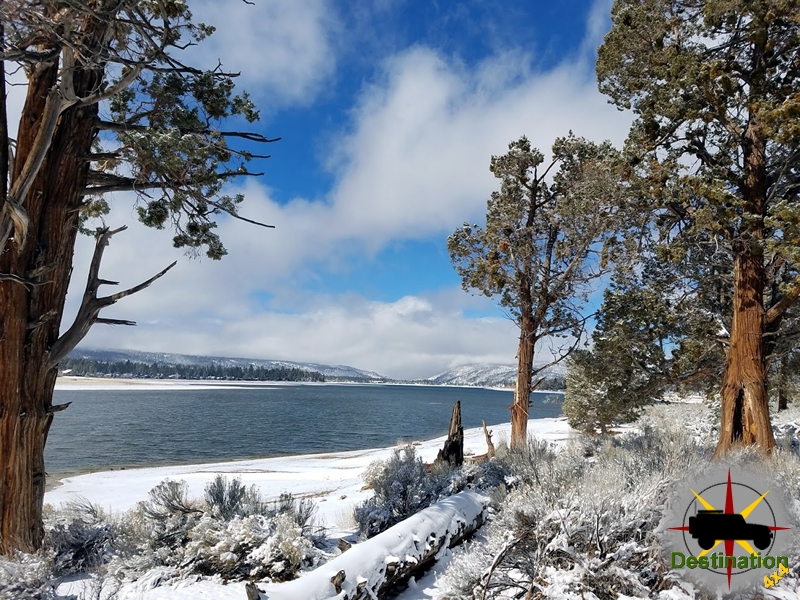
Big Bear, CA
I quiet mountain community full of back country adventure.
The Journey is the destination
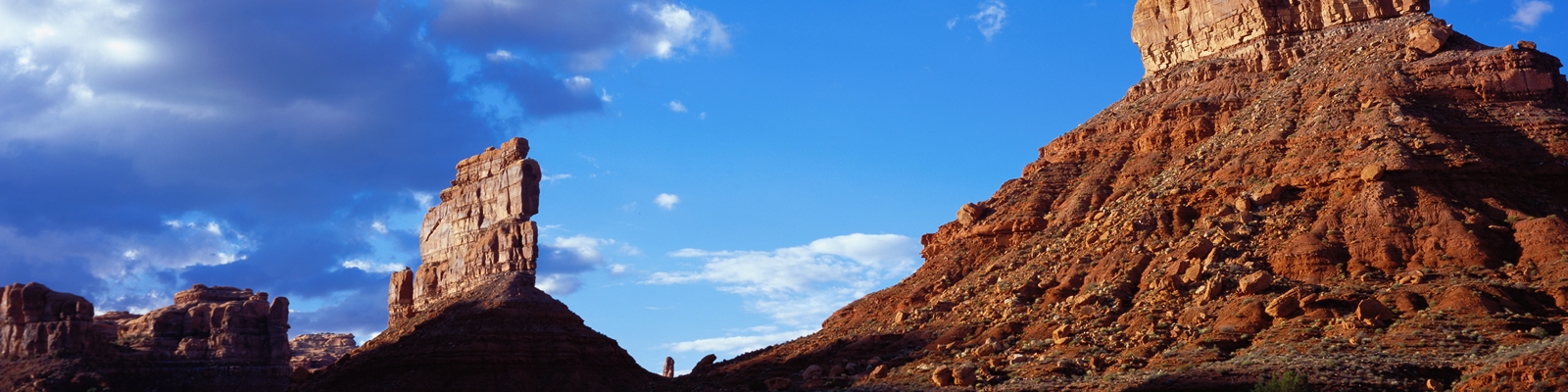
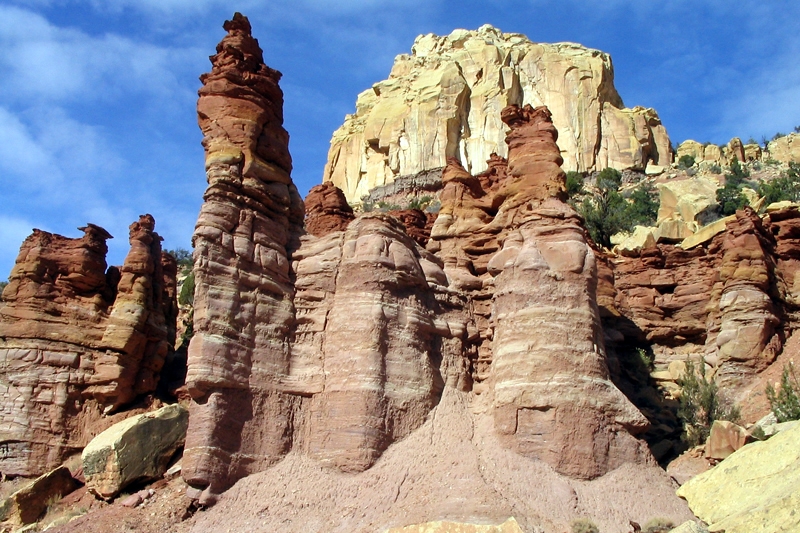
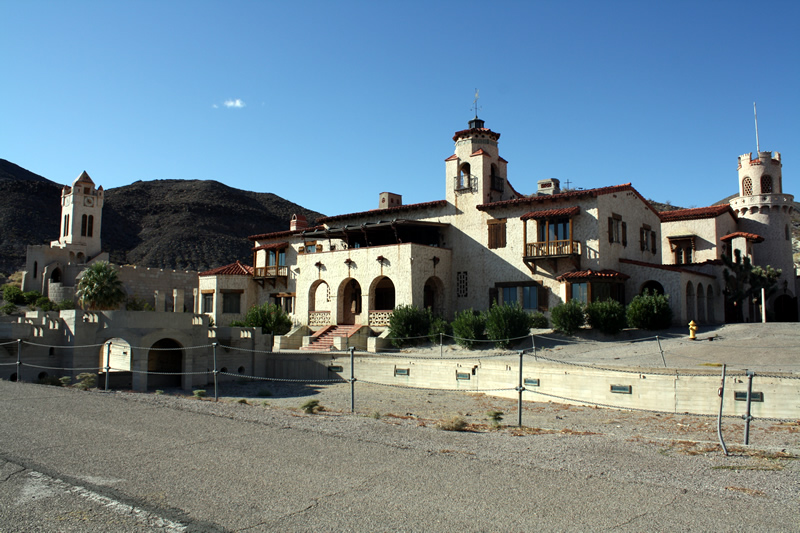
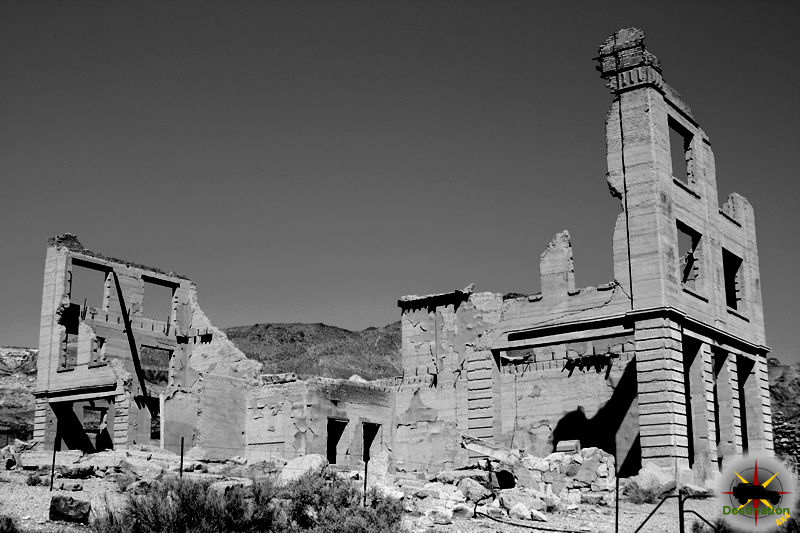
Callville Nevada is a ghost town and Colorado River Steamboat port, which is now submerged below the waters of Lake Mead. Bishop Anson Call founded and established a colony and warehouse on the Colorado River at the direction of the Mormon Leader Brigham Young. The settlement was located about 15 miles up river from the location of the future site of Hoover Damn.


Callville was established on December 2, 1864 when Anson Call arrived on a small bluff over looking the Colorado River in the Arizona Territory. The settlement was located at the conjunction of the later named Callville wash and the Colorado River.
The founding of the settlement was the churches effort to expand trade routes and European immigration into Utah from the south. The small portgage and landing site was one of several along the Colorado including St. Thomas, Saint Joseph, Overton, West Point, Mill Point ( Simonsville ) and Rioville.
During the Civil War, the army of the United States garrisoned at the site, to protect the Colorado River Steamboats and serve as a landing point for army. In December 1865, the outpost had the honor to become the county seat for Pah-Ute County, Arizona Territory. The station was short lived and transferred to St Thomas just two years later.
In 1869, the army garrison was removed. Following the war, Congress redrew some of the state boundaries and the settlement in the Arizona Territory is moved to Nevada. From 1866 to 1878, the landing at Callville was the High Water of Navigation for steamboat traffic on the Colorado River, which is 408 miles from Fort Yuma. The town was abandoned in June 1869 when the Steamships discontinued service to the site.
Today, the town lies in under 400 feet of water. However, the water levels in Lake Mead are at an all time low, and St. Thomas is currently above water.
“Take a suitable company, locate a road to the Colorado, explore the river, find a suitable place for a warehouse, build it, and form a settlement at or near the landing.”
Brigham Young instructing Anson Call, 1864
| Location | Callville |
| Location | Lake Mead, Clark County, Nevada |
| Latitude, Longitude | 36.1133128, -114.6888720 |
| GNIS | 863773 |
| Other Common Names | Call’s Fort, Old Callville |
Rioville, Nevada, was a small, short-lived settlement and ferry landing located at the confluence of the Virgin River (also called the Rio Virgin) and the Colorado River in Clark County. Originally established as Junction City by Mormon pioneers in the late 1860s, it was later renamed Rioville in the 1880s. The site served as an important transportation hub, supporting river navigation, ferrying, and mining activities in the surrounding desert region. Today, Rioville no longer exists above water; its location (approximately 36°9′0″N 114°23′57″W) lies submerged beneath the waters of Lake Mead, formed by the construction of Hoover Dam in the 1930s.

Mormon settlers (Latter-day Saints) founded Junction City around 1869 as a peripheral outpost connected to the Muddy Mission. At the time, the pioneers believed the site fell within Utah Territory, part of broader efforts by the Church of Jesus Christ of Latter-day Saints to establish agricultural communities in the arid Southwest under the direction of Brigham Young. The location offered access to river water for potential farming in an otherwise harsh desert environment.
Some accounts date initial activity as early as 1865, with the small crossing initially associated with Stone’s Ferry. The first wave of settlers largely abandoned the site by 1871 due to challenges such as isolation, environmental difficulties, and shifting territorial realities (the area was confirmed to be in Nevada).
Swiss-born Mormon pioneer Daniel Bonelli played a central role in the settlement’s revival and development. Sent to the area by Brigham Young, Bonelli purchased the rights to Stone’s Ferry around 1870. He relocated and renamed the operation Bonelli’s Ferry (sometimes called Bonelli’s Landing), moving the crossing adjacent to Junction City by 1876. The ferry provided a critical crossing for travelers, wagons, and goods across the Colorado River system, charging fees such as $10 for a wagon and two persons (plus additional per person).
Bonelli’s efforts transformed the modest outpost into a functional river port. He later established a post office in 1881 and served as postmaster until his death at Rioville in 1903.

A second wave of settlers arrived in the early 1880s, leading to the town’s renaming as Rioville (reflecting its position along the “Rio” or river). The post office, operational from 1881 to 1906, formalized the community.
Rioville’s primary economic importance stemmed from its role in transportation and mining support:
The settlement supported limited agriculture, salt mining, and overland travel in the remote region near what would later become Lake Mead National Recreation Area.
As silver mining activity in the region waned by the late 1880s and early 1890s, river traffic and economic activity at Rioville diminished sharply. The town was largely abandoned by the 1890s, though a small presence lingered. The post office continued until 1906, and Bonelli’s Ferry remained in operation—serving occasional travelers—until 1934.
The final chapter came with the construction of Hoover Dam (completed in 1936). Rising waters behind the dam flooded the site, submerging Rioville and Bonelli’s Ferry beneath Lake Mead. The location is now part of Lake Mead National Recreation Area and is inaccessible except to divers or those with specialized knowledge of its submerged history.
Though never a large town, Rioville illustrates the challenges and ingenuity of early Mormon settlement in southern Nevada, the importance of river-based transportation before railroads and modern dams, and the transformative impact of federal infrastructure projects like Hoover Dam on the Colorado River landscape. Its story connects to broader themes in Clark County history, including the Muddy Mission settlements, mining booms in nearby districts (such as Eldorado Canyon), and the creation of Lake Mead. Artifacts and records, including ferry ledgers and rare photographs, are preserved in collections such as those at the University of Nevada, Las Vegas Special Collections. The site remains a “lost river town” and underwater ghost town, symbolizing how human endeavors in the arid West were often reshaped—or erased—by the region’s powerful rivers and 20th-century engineering.
| Name | Rioville, Nevada |
| Location | Underwater Lake Mead, Clark County, Nevada |
| Latitude, Longitude | 36.1502603, -114.3994176 |
| GNIS | 849516 |
| Post Office | 1881-1906 |
| Status | Very Wet |
| Also known as | Junction City, Junctionville |
A member of the mustard family, the Western Wallflower ( Erysimum capitatium ) is a brightly colored yellow flower which is quite common across the western United States, including Arizona, Utah and Nevada.. In European countries, the wallflower earned its name from a habit of growing on… you guess it, walls. More specifically stone, masonry or wooden fences. The name was transposed to the American species despite the fact the plants have no preference for walls.

Scientific Taxonomy and Categorization
The species belongs to the tribe Erysimeae within Brassicaceae. It is a dicot angiosperm (eudicot) herb. Flora of North America recognizes two main varieties: E. c. var. capitatum (often called western or sanddune wallflower) and E. c. var. purshii (Pursh’s wallflower). Numerous synonyms exist due to high morphological variability and past taxonomic confusion with E. asperum (prairie rocket). Chromosome number is 2n = 36. The plant is categorized as a biennial or short-lived perennial herb (sometimes behaving as a winter annual in southern deserts), with a taproot and variable growth form depending on elevation and habitat.
Erysimum capitatum is a highly variable, taprooted herb that produces one to several erect, leafy stems (0.5–12 dm / 1.5–12 ft tall) arising from a basal rosette. Stems are often branched distally, coarse, and covered in stiff, appressed, forked or branched (malpighiaceous/dolabriform) hairs. The plant leaks a pungent, watery juice when damaged.
Basal leaves are simple, alternate, spatulate to narrowly oblanceolate or linear (2–27 cm long × 3–30 mm wide), with prominent midribs and margins ranging from entire to dentate or denticulate. Stem leaves are smaller, sessile, and angled upward. Leaves are typically deep green and hairy (rayed hairs vary by variety: mostly 3–7-rayed in var. capitatum; 2–3-rayed in var. purshii). Plants develop short to elongate caudices clothed in old leaf bases.
Growth habit and life cycle show plasticity: low-elevation plants are often taller, less branched biennials and more drought-resistant; high-elevation (alpine) plants are dwarf, multi-stemmed perennials. The species is early-seral, thriving in disturbed sites, and exhibits semelparity (single reproductive event) in dry lowlands versus iteroparity (multiple events) in moist high-elevation habitats.
Flowers are perfect, arranged in congested terminal racemes that elongate in fruit. Each flower is 2.5–3.8 cm wide with four distinct, rounded petals arranged in a cross shape (typical of Brassicaceae). Petals are usually bright yellow to orange (occasionally lavender, maroon, red, white, or purple in certain populations or high elevations); var. capitatum tends toward orange-yellow, var. purshii toward yellow. Flowers have four sepals, six stamens (tetradynamous: four long, two short), a stout style (up to 3 mm), and a superior ovary. They are fragrant and bloom primarily April–August (as early as January in southern ranges or to September).
Fruits are linear, narrow siliques (3.5–15 cm long × 1.3–3.3 mm wide), upright or nearly parallel to the stem, four-sided or slightly flattened, with prominent midveins. Each valve contains 40–80 seeds; siliques dehisce at maturity. Seeds are small, oblong (~1.5 mm), lightweight, and winged in var. capitatum. Pollination is required for full seed set; visitors include bees, flies, butterflies, and beetles.
The western wallflower occupies diverse dry, open sites from valley bottoms to alpine summits. It prefers well-drained, sandy, gravelly, or rocky soils with low organic matter and fertility. Substrates include sandstone, granite, basalt, limestone, serpentine, dunes, and talus. It occurs in desert grasslands/shrublands, chaparral, pinyon-juniper woodlands, aspen groves, montane meadows, forest openings, sagebrush flats, and alpine tundra. Elevation range is sea level to 13,120 ft (4,000 m), with var. capitatum generally lower (0–5,600 ft) and var. purshii higher (3,280–13,120 ft). It tolerates full sun, drought, and disturbance (roadsides, burns, grazed areas).
Erysimum capitatum is one of the most widespread native North American wallflowers. Its range spans western North America from Alaska and Yukon Territory south through British Columbia, Washington, Oregon, California, Idaho, Montana, Wyoming, Utah, Colorado, Nevada, Arizona, New Mexico, and into northern Mexico (Chihuahua, Sonora, etc.). It extends eastward across the Great Plains to the Great Lakes region (Illinois, Indiana, Missouri, etc.) with scattered disjunct populations as far as Ohio and Tennessee. Var. capitatum has the broadest distribution; some California varieties (e.g., var. angustatum) are narrowly endemic and endangered. It has been introduced in parts of New England. Overall, it is considered secure (NatureServe).
This adaptable species plays ecological roles as a nectar source for pollinators (including butterflies), larval host plant, and early colonizer of disturbed or post-fire sites. It also provides forage for wildlife such as elk, deer, bighorn sheep, and small mammals.
The Common Fiddleneck ( Amsinckia intermedia ) is a wildflower common across the United States and a member of the forget-me-not-family. Also known as the Intermediate Fiddleneck, the name is derived from the flower stems which are formed in the appearance of a violin or fiddle.

Notch-leaved phacelia ( phacelia crenulata ) is a lovely little purple wild flower which grows across the desert southwest from California to Texas. The plant is typically between three to twenty-four inches in height. The flower is also known by several different names including, notch-leaf scorpion-weed, notch-leaved phacelia, cleftleaf wildheliotrope, and heliotrope phacelia.

The Purple Notchleaf Phacelia, scientifically known as Phacelia crenulata (also called Notch-leaf Phacelia, Notch-leaf Scorpion-weed, or Cleftleaf Wild Heliotrope), is one of the most iconic annual wildflowers of the Mojave Desert. In Death Valley National Park—the hottest and driest place in North America—this species transforms barren landscapes into vibrant purple carpets during years with sufficient winter rainfall. It is especially prominent in “superbloom” events, where it blooms alongside bright-yellow Desert Gold (Geraea canescens) to create striking color contrasts on alluvial fans and valley floors.
As of March 2026, Death Valley is experiencing one of the best superbloom displays in a decade, with P. crenulata contributing heavily to the purple displays visible from areas like Badwater Road and Furnace Creek.
The species includes several varieties that intergrade:
Phacelia crenulata is an aromatic annual herb, typically 7–60 cm tall (up to 80 cm or ~30 inches in favorable conditions), with erect stems that are sparsely to densely covered in stiff, glandular hairs.
Leaves: Oblong, 2–12 cm long, with wavy, lobed, or distinctly notched/scalloped (crenulate) margins—giving the plant its common name “Notchleaf.” The basal leaves are largest; upper leaves become smaller and more reduced.
Flowers: Arranged in coiled cymes (scorpioid inflorescences) that uncoil as they bloom, resembling a scorpion’s tail. Individual flowers are bell-shaped, ½–1 cm long, with deep violet-to-purple petals (sometimes blue) and a white or pale throat. Stamens and style protrude prominently from the corolla.
Fruit: A small, rounded capsule containing several seeds.
The entire plant is glandular-hairy and emits a distinctive (sometimes unpleasant) scent.
Phacelia crenulata is native to arid regions of the southwestern United States (Arizona, California, Colorado, New Mexico, Nevada, Texas, Utah) and northern Mexico. It has a rare antitropical (disjunct) distribution, also occurring in parts of South America (southern Peru, western Bolivia, northern Chile).
In Death Valley National Park, it prefers open, sandy, gravelly, or rocky soils on alluvial fans, foothills, and low-elevation desert washes. It commonly appears from mid-February to mid-April at lower elevations (below ~1,000 m), often in disturbed areas or alongside other desert annuals.
As a desert annual, P. crenulata is an “ephemeral” species whose life cycle is tightly linked to winter precipitation. Seeds lie dormant in the soil for years and germinate rapidly after adequate rain, allowing the plant to grow, flower, set seed, and die before the extreme summer heat and drought return.
Key adaptations:
It is highly valuable to native bees as a pollen and nectar source.
Note on human interaction: Like many phacelias, the plant can cause contact dermatitis (skin rash similar to poison oak) in sensitive individuals due to its glandular secretions. Avoid handling if you have sensitive skin.
Phacelia crenulata is considered “Secure” by NatureServe and faces no major conservation threats. In Death Valley, it benefits from the park’s protection but remains sensitive to off-road vehicle traffic, climate-driven changes in rainfall patterns, and invasive species competition. It is a flagship species for public appreciation of desert biodiversity during superbloom events.
The Purple Notchleaf Phacelia exemplifies the resilience and beauty of Mojave Desert flora. Its vivid purple blooms, triggered by rare wet winters, turn Death Valley’s harsh landscape into a temporary floral paradise—reminding observers of the delicate balance of water, temperature, and life in one of Earth’s most extreme environments.
Key Viewing Tips for Death Valley (March–April 2026): Look along low-elevation roads and washes near Furnace Creek, Badwater, and the East Entrance for the best displays of purple P. crenulata mixed with yellow desert gold.
This report is based on botanical records from the National Park Service, botanical databases, and field observations during active bloom periods.